
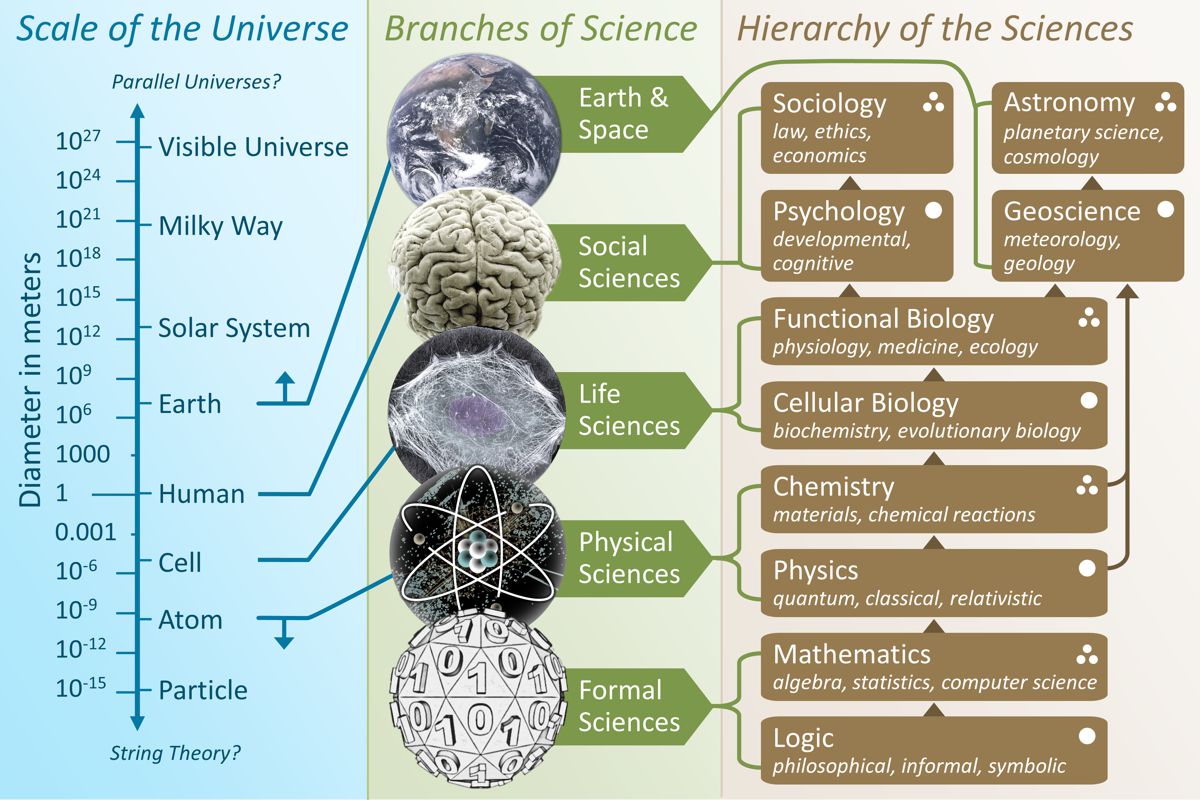
In the rapidly evolving landscape of the 21st century, the boundaries between various disciplines—be it physics, biology, computer science, or data engineering—are becoming increasingly blurred. At first glance, a software developer building a decentralized application and a microbiologist sequencing a new viral strain might seem to occupy different universes. However, at their core, all scientific areas of study, and the technologies derived from them, share a fundamental architectural framework.
This shared DNA is rooted in the systematic pursuit of knowledge through empirical evidence, logical reasoning, and iterative refinement. In the realm of technology, these commonalities are not just academic; they are the functional pillars upon which our digital world is built. By understanding what these areas have in common, tech professionals can better navigate the complexities of modern innovation and the intersection of disparate fields.
The Universal Foundation: The Scientific Method in Software and Hardware Development
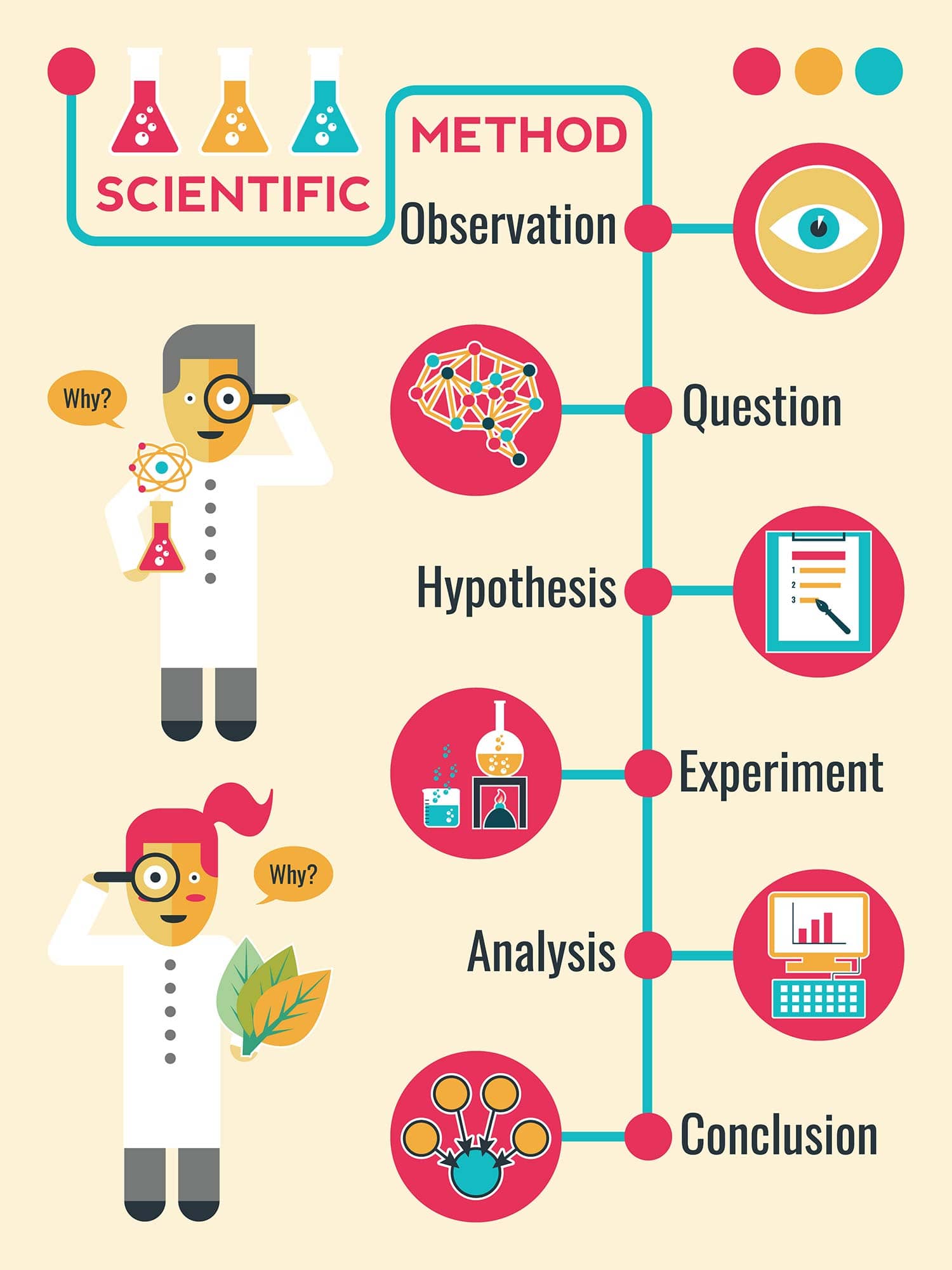
The most prominent commonality across all scientific disciplines is the application of the scientific method. While traditionally associated with laboratory experiments, the scientific method is the silent engine behind every successful piece of software and every breakthrough in hardware engineering.
Observation and Data Acquisition
Every scientific inquiry begins with observation. In the tech sector, this manifests as monitoring system performance, analyzing user behavior, or identifying bottlenecks in a network. Whether a scientist is observing the movement of celestial bodies or a DevOps engineer is observing latency spikes in a server cluster, the starting point is the same: the collection of raw, objective data. This phase is critical because it removes intuition and replaces it with factual grounding, ensuring that the subsequent steps are based on reality rather than assumptions.
Hypothesis Testing in Agile Frameworks
Once an observation is made, the next step is the formulation of a hypothesis. In software development, this often takes the form of “If we implement this caching layer, the load time will decrease by 20%.” This is a testable statement that mirrors the rigors of chemistry or physics. The modern “Agile” and “DevOps” methodologies are, in essence, the scientific method applied to business speed. Sprints are mini-experiments where hypotheses are tested, results are measured, and the product is either pivoted or persisted based on the findings.
Iterative Refinement and Debugging
No scientific study is ever truly “finished”; it is merely refined. This is perhaps most visible in the tech world through the process of debugging and versioning. When code fails, it is an indication that the initial hypothesis (the logic of the code) was flawed. The systematic process of identifying the bug, isolating variables, and testing a fix is identical to the troubleshooting protocols used in experimental physics or clinical trials.
Data: The Common Language of Empirical Inquiry
Regardless of the niche—be it cybersecurity, AI tools, or cloud architecture—data serves as the universal currency. All scientific areas of study rely on the quantification of the world around us.
From Biological Sequences to Algorithmic Patterns
In the past, fields like biology and computer science were treated as separate silos. Today, they are deeply integrated through bioinformatics and computational biology. What they have in common is the processing of massive datasets. Whether it is a sequence of DNA or a sequence of binary code, the fundamental task remains the identification of patterns, the prediction of future states, and the optimization of systems. Technology has provided the tools (such as High-Performance Computing) to handle this commonality at a scale previously unimaginable.
The Role of Machine Learning in Cross-Disciplinary Discovery
Artificial Intelligence and Machine Learning (ML) have become the bridge connecting different scientific areas. Because all sciences rely on finding correlations and causations within data, ML tools have become the standard instrument for modern researchers. An AI tool designed to detect fraud in fintech can be adapted to identify anomalies in seismic data for geologists. This cross-pollination is possible only because every scientific area of study shares a reliance on data structures and statistical probability.
Digital Security as a Scientific Necessity
In the tech world, the commonality of data brings a common vulnerability: the need for digital security. As scientific studies move to the cloud, the integrity of data becomes paramount. Digital security is not just a tech trend; it is a scientific requirement to ensure that “reproducibility”—a core tenet of science—is not compromised by tampered data or unauthorized access.
Reproducibility and the Open Source Philosophy
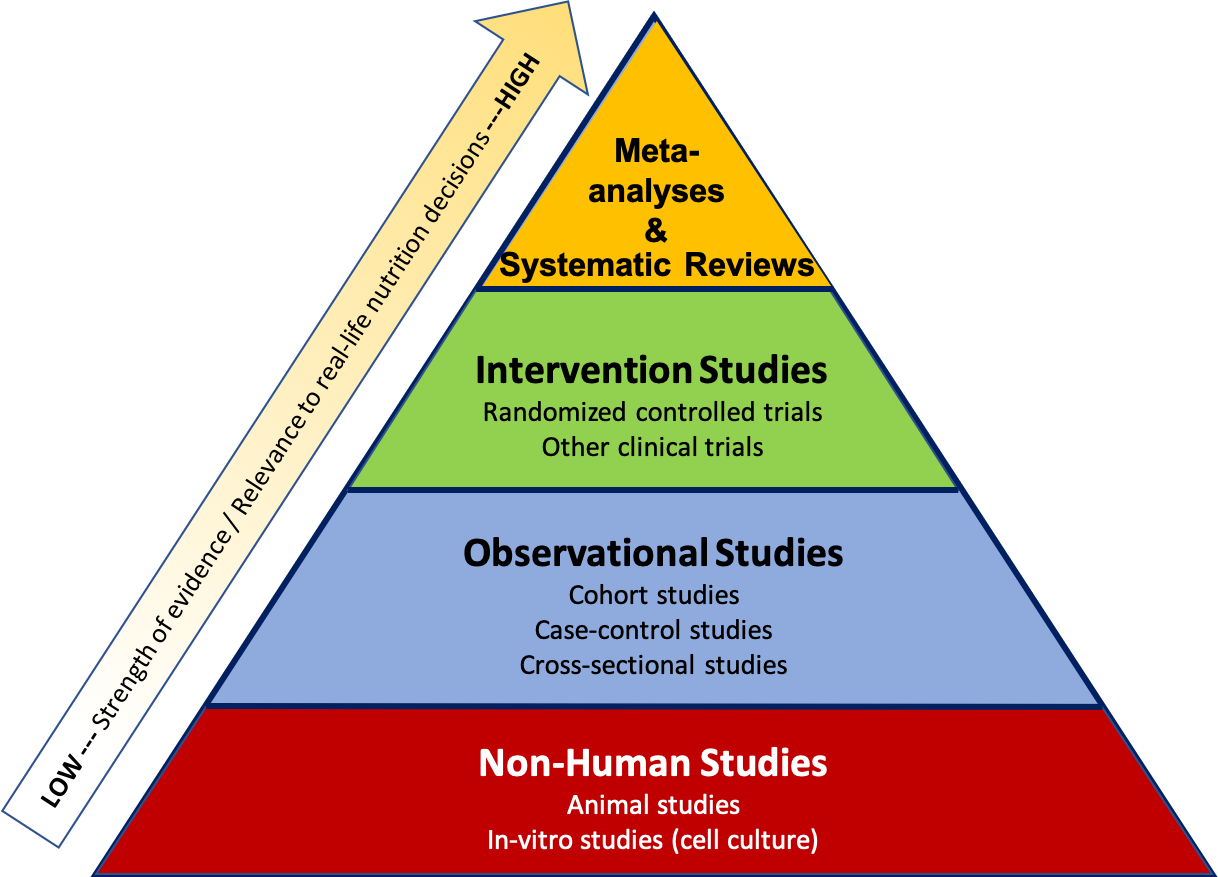
A hallmark of any scientific area is reproducibility. If an experiment cannot be replicated by another scientist under the same conditions, the results are deemed invalid. In the technology sector, this principle has evolved into the “Open Source” movement and standardized documentation.
The Peer-Review Equivalent in Code Quality
In traditional science, peer review ensures that research meets a certain standard of rigor. In tech, this is mirrored in the “Pull Request” and code review process. By allowing other developers to scrutinize, test, and critique code, the tech community maintains a high standard of functional truth. This collaborative scrutiny is what allows software to become a reliable tool for other scientific endeavors.
Open Data and Collaborative Progress
Just as scientific journals aim to spread knowledge for the common good, the open-source community thrives on shared repositories like GitHub. All scientific areas of study benefit from a “standing on the shoulders of giants” approach. When a developer releases a library or an API, they are providing a verified building block that others can use to reach new heights. This culture of transparency and shared knowledge is a direct descendant of the scientific tradition of publishing findings.
Standardization and Interoperability
For different scientific areas to communicate, there must be a common language. In technology, this is achieved through protocols and standards (like TCP/IP or JSON). These standards ensure that data from a telescope can be processed by a Python script and then visualized on a web browser. The commonality here is the drive toward a unified system where information can flow seamlessly across different domains of study.
Scalability and the Pursuit of Universal Laws
The ultimate goal of science is to uncover universal laws—rules that apply consistently across time and space. In technology, this pursuit is reflected in the quest for scalability and optimized systems thinking.
Systems Thinking across Physics and Computing
Every scientific area views its subject as a “system.” In physics, it might be a thermodynamic system; in tech, it is a distributed system or a software architecture. The commonality lies in understanding how individual components interact to create a complex whole. Systems thinking allows engineers to predict how a software application will behave when it scales from ten users to ten million, much like a chemist predicts how a reaction scales from a test tube to an industrial vat.
Theoretical Rigor and Future-Proofing
The most enduring technologies are those built on sound theoretical foundations. Just as Newtonian mechanics still governs civil engineering, the theoretical work of Alan Turing and Claude Shannon still governs modern computing. All scientific areas value this theoretical rigor because it allows for “future-proofing.” When we build AI tools or gadgets based on solid mathematical principles, we ensure that they remain relevant even as the specific hardware or programming languages change.
The Convergence of Science and Tech Trends
As we look toward the future, the commonalities between scientific areas will only grow more pronounced. Quantum computing, for instance, is a fusion of advanced physics and computer science. It represents the pinnacle of what happens when we lean into the shared characteristics of all scientific studies: the use of logic, the reliance on mathematical models, and the goal of solving complex problems.
Conclusion: The Integrated Future of Science and Tech
What do all scientific areas of study have in common? They share a commitment to truth through evidence, a reliance on the universal language of data, a culture of peer-validated progress, and a structural focus on systems and scalability.
For those in the tech industry—whether you are a developer, a reviewer of gadgets, or a digital security expert—recognizing these commonalities is vital. It reminds us that technology is not just about the newest app or the fastest processor; it is a continuation of the human endeavor to understand and master the physical and digital world through scientific rigor.
By embracing these shared principles, we can build tools that are more reliable, create software that is more impactful, and contribute to a body of knowledge that transcends individual niches. In the end, the common threads of science are what weave the fabric of our technological future, ensuring that every innovation is grounded in a legacy of empirical excellence.
aViewFromTheCave is a participant in the Amazon Services LLC Associates Program, an affiliate advertising program designed to provide a means for sites to earn advertising fees by advertising and linking to Amazon.com. Amazon, the Amazon logo, AmazonSupply, and the AmazonSupply logo are trademarks of Amazon.com, Inc. or its affiliates. As an Amazon Associate we earn affiliate commissions from qualifying purchases.