
The question of “what day is best to go to Disneyland” has evolved from a matter of simple intuition into a complex problem solvable through high-level predictive analytics, machine learning, and data science. In the modern era of theme park management, the “best day” is no longer a static choice based on the weekend versus the weekday. Instead, it is the output of sophisticated algorithms that process terabytes of historical data, weather patterns, school district calendars, and real-time sensor inputs. For the tech-savvy traveler, identifying the optimal visit window requires an understanding of how Disney utilizes its digital ecosystem to manage crowd flow and how third-party data aggregators reverse-engineer these patterns.

The Algorithm of Attendance: How Big Data Predicts Guest Behavior
At the core of determining the best time to visit Disneyland is a massive predictive modeling engine. Disney does not merely guess how many people will show up; they utilize historical data scraping and pattern recognition to forecast attendance with startling accuracy. By analyzing decades of entry-gate data, Disney’s internal systems can identify cyclical trends that escape the casual observer.
Historical Data Scraping and Pattern Recognition
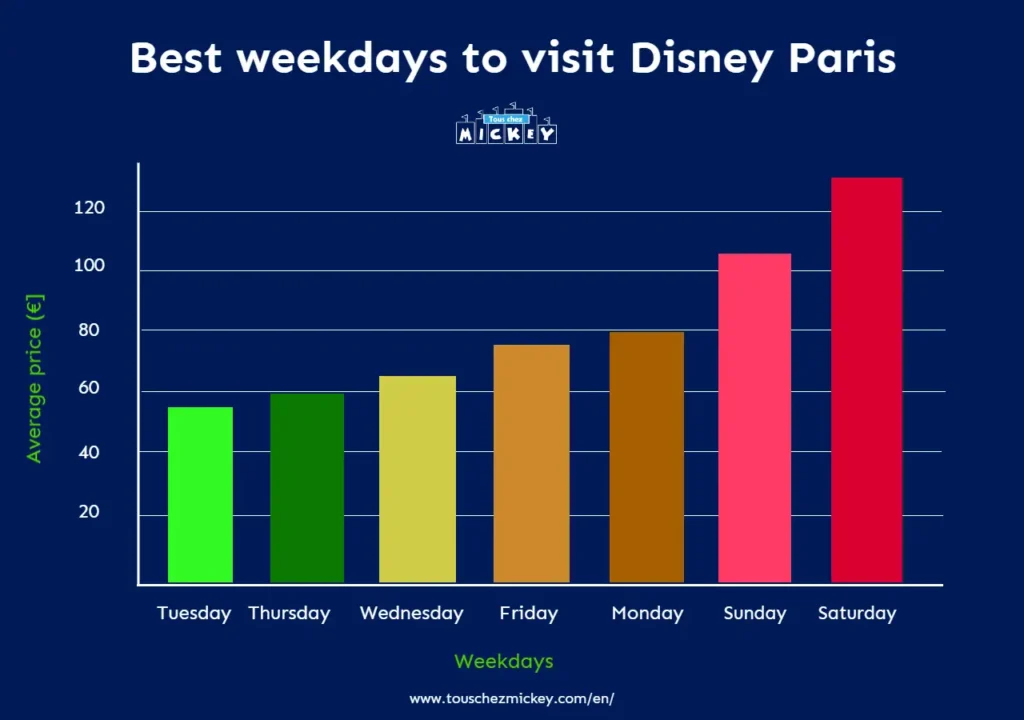
The foundation of any crowd prediction model is historical performance. Data scientists analyze “wait time” variables across every attraction, categorized by the hour, day, and season. This isn’t just about noting that Saturdays are busy; it’s about identifying the correlation between specific ticket tiers and park density. When Disney transitioned to a multi-tiered pricing structure, they effectively turned their pricing model into a data filter. By analyzing which days the lower-priced “Value” tickets are blocked out, tech-forward planners can predict shifts in demographic blocks—such as local pass holders versus international tourists—which significantly impacts “dwell time” at various tech-heavy attractions.
Machine Learning in Weather and Event Forecasting
Modern crowd calendars now integrate machine learning (ML) models that factor in external variables like local weather forecasts and regional event schedules. If a 40% chance of rain is predicted in Anaheim, ML models can predict the exact percentage of “attrition”—the number of local visitors who will stay home—versus the “insulation” of tourists who will remain in the park. Furthermore, these algorithms ingest data from the Los Angeles and Orange County Unified School Districts. By cross-referencing “pupil-free days” or localized spring breaks with the park’s reservation system, data tools can flag seemingly random Tuesdays as high-capacity risks.
Real-Time Optimization: The Disney Genie+ and Virtual Queue Ecosystem
Once the “best day” is identified through predictive modeling, the actual experience of that day is governed by Disney’s proprietary software stack: the Disney Genie+ system and the My Disney Experience app. This represents one of the most sophisticated uses of real-time load balancing in the hospitality industry.
IoT and Geofencing: How the App Tracks Movement
Disneyland is a massive Internet of Things (IoT) laboratory. Through the mobile app and the optional MagicBand+ hardware, the park utilizes Bluetooth Low Energy (BLE) beacons and geofencing to track guest movement in real-time. This data allows Disney’s “Command Center” to see where bottlenecks are forming. If the “Star Wars: Rise of the Resistance” queue exceeds a specific algorithmic threshold, the app’s interface can dynamically adjust the “suggested” attractions for other guests, effectively rerouting human traffic much like Waze reroutes cars on a highway. To the user, the “best day” is simply a day where the app’s “Genie” algorithm successfully distributes the load away from where they are standing.
Load Balancing: Managing Server Strain and Physical Crowds
From a technical perspective, a “busy” day at Disneyland is a stress test for their server architecture. Virtual Queues—used for the most popular high-tech rides—are essentially a high-stakes reservation system that manages physical space by utilizing cloud-based waitlists. When you attempt to join a virtual queue at 7:00 AM, you are participating in a distributed system event where thousands of API calls are made simultaneously. The “best day” to visit is often a day when the digital infrastructure is not overwhelmed, allowing for seamless transitions between mobile ordering for food and Lightning Lane entries.
Third-Party Solutions: API Integration and Independent Crowd Trackers
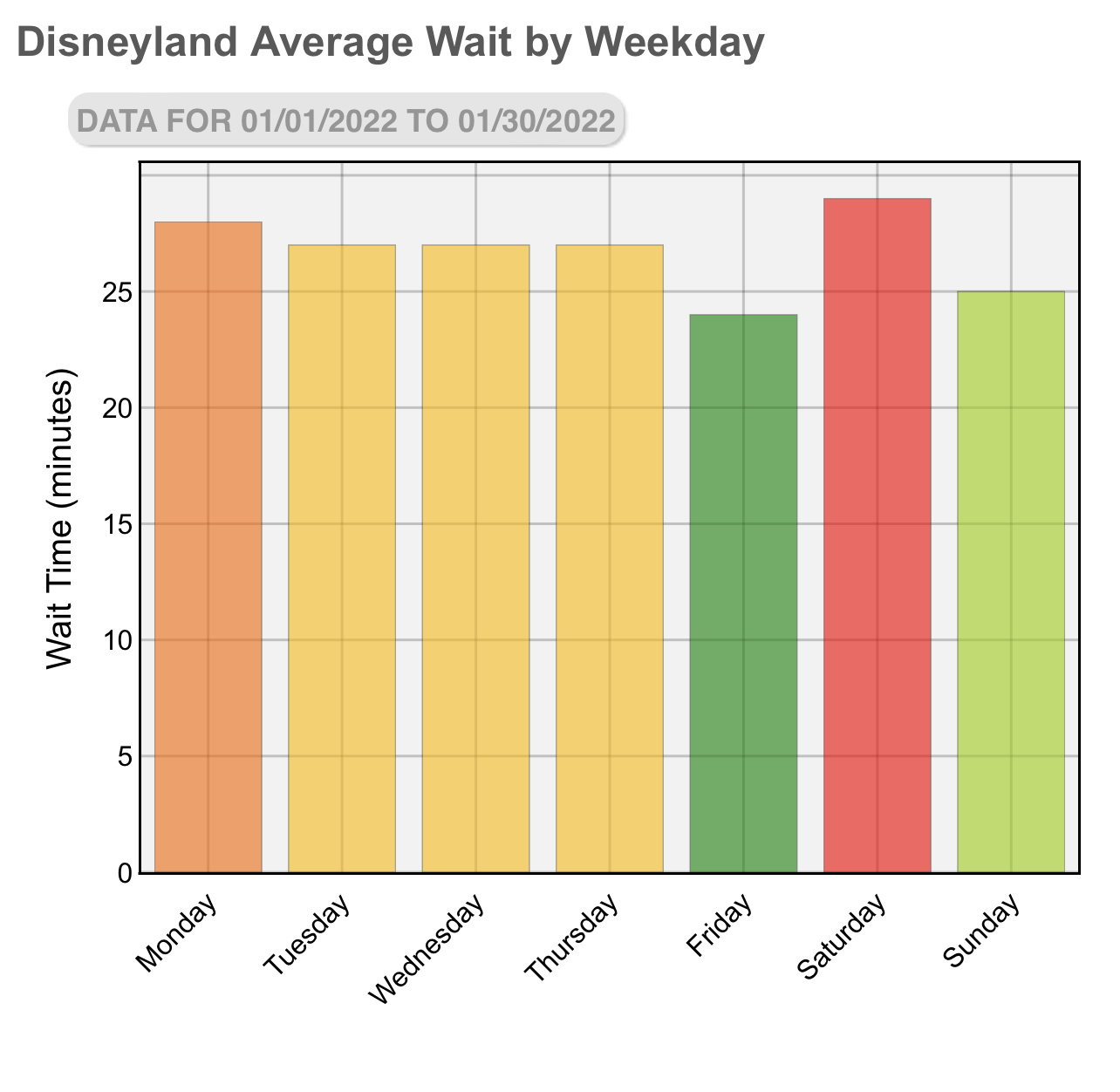
While Disney keeps its proprietary data under lock and key, a robust ecosystem of third-party developers has emerged to help enthusiasts find the optimal visit window. These platforms use a variety of tech-heavy methods to provide “Crowd Calendars” that are often more granular than Disney’s own public-facing information.
Scraping Wait-Time Data for Competitive Advantage
Web scraping is the primary tool for independent crowd trackers. By pinging the Disney API (or scraping the public-facing wait times from the app) every minute, these services build a massive, independent database of actual versus posted wait times. Tech-savvy users look for the “Delta”—the difference between what the park claims the wait is and what the sensors actually show. A day with a low Delta usually indicates a day where the park’s operations are running at peak efficiency, making it a “best day” candidate regardless of total headcount.
Data Visualization and Predictive Heat Maps
The most advanced third-party tools offer heat maps that visualize guest density. These tools use “simulated annealing” algorithms to suggest the most efficient path through the park. By inputting the “best day” into these simulators, a user can see a projected timeline of their day. This shift from “choosing a day” to “simulating a day” represents the frontier of travel tech. Users are no longer looking at a calendar; they are looking at a probability matrix.
The Future of Park Entry: Biometrics and Frictionless Authentication
As we look toward the future of identifying the best time to visit, the technology used to enter the park is becoming a data point in itself. Frictionless entry reduces “gate lag,” which can skew morning data and impact the “rope drop” strategy.
Facial Recognition and Reservation Systems
Disney has been testing facial recognition technology to replace traditional finger scans and physical tickets. From a tech standpoint, this increases the “velocity” of the turnstiles. The “best day” to go is increasingly becoming any day where the “Total Throughput” of the entry system is optimized. If the park can process 5,000 guests per hour at the gate versus 3,000, the “morning rush” data flattens, leading to more accurate mid-day wait time predictions. The reservation system, implemented post-pandemic, serves as the ultimate data governor, allowing Disney to “cap” the data set and ensure that no day exceeds the computational limits of their ride-capacity algorithms.
Blockchain and Digital Ticketing Security
To prevent the “black market” of ticket resales from disrupting attendance data, there is a growing conversation around the use of blockchain for digital ticketing. By utilizing non-fungible tokens (NFTs) or secure ledgers for park passes, Disney could theoretically eliminate “ghost attendance”—where tickets are purchased but not used—which currently creates noise in their predictive models. A cleaner data set means more accurate “best day” predictions for the end-user.
Making Data-Informed Decisions in the Modern Theme Park
Ultimately, identifying the best day to go to Disneyland is a masterclass in applying technology to human behavior. It requires a multi-layered approach:
- Macro-Analysis: Using machine learning-based crowd calendars to find low-probability attendance windows.
- Micro-Analysis: Monitoring real-time API feeds of wait times in the days leading up to the visit.
- Hardware Optimization: Utilizing high-speed mobile devices and low-latency networks to interact with the park’s IoT ecosystem (Genie+).
The “Magic” of Disneyland is increasingly a product of sophisticated code and robust data pipelines. For the professional in the tech space, a visit to the park is not just a vacation; it is an observation of a high-functioning, data-driven environment. The best day to visit is the one where the data aligns, the algorithms are optimized, and the digital friction is at its absolute minimum. By leveraging these technological insights, guests can move beyond the “guesswork” of the past and enter a future of precision-timed leisure.
aViewFromTheCave is a participant in the Amazon Services LLC Associates Program, an affiliate advertising program designed to provide a means for sites to earn advertising fees by advertising and linking to Amazon.com. Amazon, the Amazon logo, AmazonSupply, and the AmazonSupply logo are trademarks of Amazon.com, Inc. or its affiliates. As an Amazon Associate we earn affiliate commissions from qualifying purchases.