
The completion of a doctorate degree is often viewed as the pinnacle of academic achievement, a milestone that signifies the mastery of a specific field of study. However, for many newly minted PhDs, DBAs, or EdDs, the transition from the laboratory or library to the global marketplace presents a significant financial shift. After years—sometimes a decade—of living on modest stipends, grants, or student loans, the “what comes after” is not just a question of career identity, but a critical pivot in wealth accumulation and financial strategy.
In the modern economy, a doctorate is no longer tethered strictly to the ivory tower of academia. Instead, it serves as a high-value asset that can be leveraged across private equity, corporate leadership, and independent entrepreneurship. To maximize the return on investment (ROI) of those years of study, graduates must transition from a mindset of academic survival to one of strategic financial growth.
Maximizing Your ROI: High-Income Career Paths for PhDs
The most immediate concern after defending a dissertation is often the transition to a high-earning role that justifies the opportunity cost of the degree. While academia offers stability, the private sector offers the capital necessary to accelerate wealth building.
Corporate R&D and Quantitative Analysis
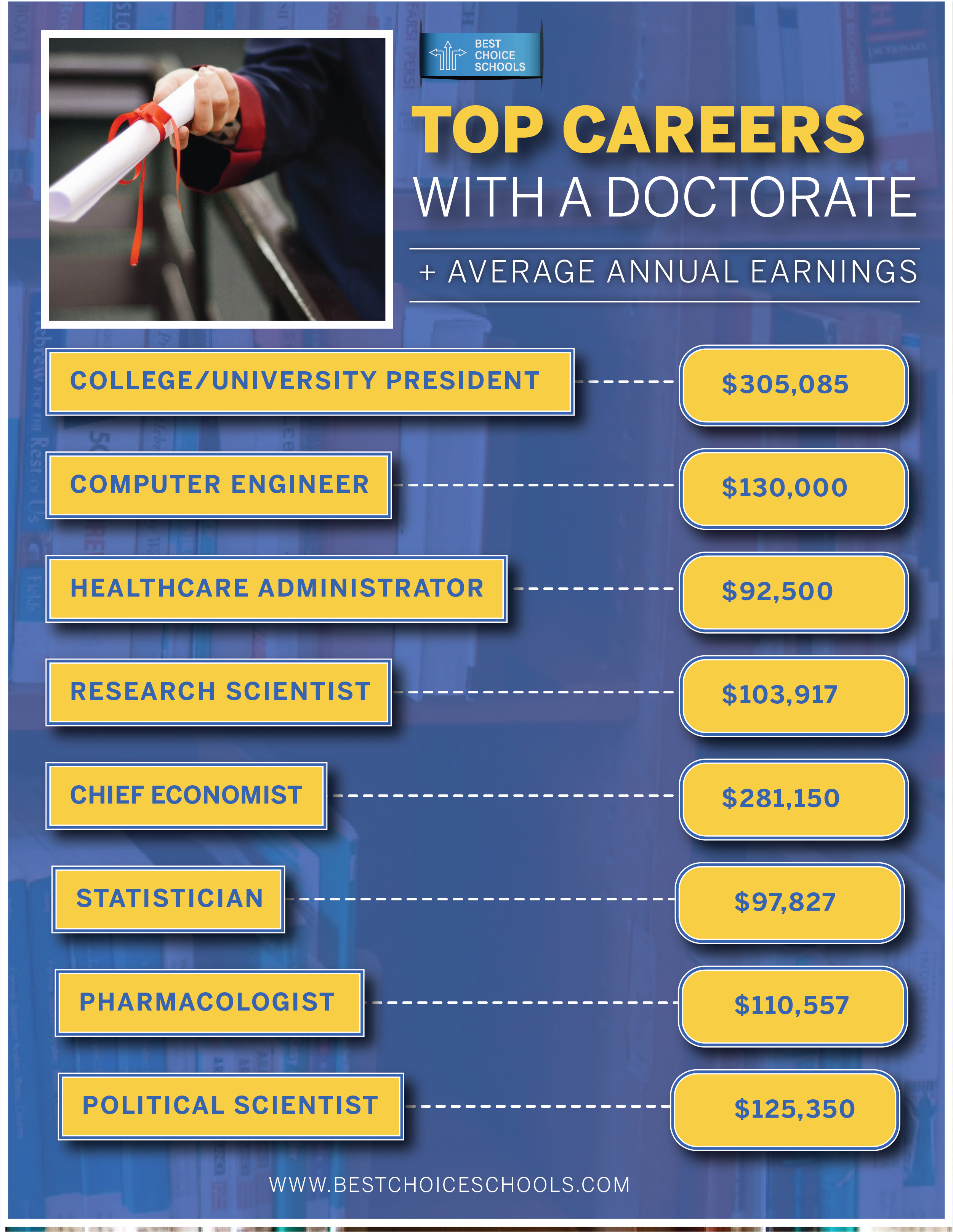
In the current data-driven economy, industries such as pharmaceuticals, biotechnology, and financial services are hungry for the deep analytical skills inherent in doctoral training. For those in STEM or social sciences with a heavy quantitative focus, roles in Corporate Research and Development (R&D) or Quantitative Analysis (“Quants”) in hedge funds offer starting salaries that often double or triple those of entry-level assistant professors. These roles allow a doctorate holder to apply their specialized knowledge to solve market-driven problems, resulting in performance-based bonuses and stock options that significantly impact long-term net worth.
Executive Consulting and Subject Matter Expertise
Management consulting firms like McKinsey, BCG, and Bain have dedicated pipelines for “Advanced Professional Degree” candidates. They recognize that a doctorate signifies an ability to deconstruct complex problems and communicate findings effectively. By entering consulting, doctorate holders can bypass several rungs of the traditional corporate ladder, entering at a senior associate or engagement manager level. The financial trajectory in these roles is steep, often leading to partner-track positions where total compensation reaches the mid-to-high six figures within a few years.
Strategic Roles in Venture Capital and Private Equity
Venture Capital (VC) firms increasingly seek doctorate holders to serve as “principals” or “technical advisors.” When a VC firm considers investing millions into a biotech startup or a new AI infrastructure, they need an expert who can perform deep technical due diligence. A doctorate provides the credibility to vet these high-stakes investments. Beyond a high base salary, the true financial “win” in this sector is “carried interest”—a share of the profits from the fund’s investments—which can lead to generational wealth.
Monetizing the Mind: Leveraging Expertise for Scalable Online Income
While a traditional high-paying job is a reliable path, the digital economy has opened doors for doctorate holders to create scalable, passive, or semi-passive income streams. Your degree is a mark of authority, and in the “authority economy,” credibility is the primary currency.
High-Ticket Consulting and Coaching
Unlike general business coaching, doctorate-level consulting is highly specialized. Whether it is helping corporations implement organizational psychology frameworks or advising tech firms on ethical AI, the “Dr.” prefix allows you to command premium rates. By positioning yourself as a “Consultant to the C-Suite,” you can move away from hourly billing toward value-based pricing, where a single project or a monthly retainer can exceed the monthly salary of many full-time academic positions.
Digital Intellectual Property: Courses and Publications
The shift toward lifelong learning has created a massive market for high-quality, expert-led digital products. Doctorate holders can package their niche expertise into masterclasses, white papers, or specialized software-as-a-service (SaaS) tools. Because the barrier to entry for creating a high-level technical course is so high, there is often very little competition. This intellectual property (IP) works for you 24/7, providing a secondary income stream that is not tied to your time, which is essential for achieving financial independence.
Paid Speaking Engagements and Industry Thought Leadership
Industry conferences and corporate retreats are constantly looking for speakers who can provide deep insights backed by rigorous research. A doctorate provides the “social proof” necessary to be booked on the professional speaking circuit. Keynote speakers with specialized doctoral backgrounds can earn anywhere from $5,000 to $50,000 per engagement. When combined with a book deal or a high-traffic professional blog, this creates a robust financial ecosystem centered around your personal brand.
Financial Strategy Post-Doctorate: Wealth Management and Debt Elimination
After years of deferred gratification, many new doctors fall into the trap of “lifestyle creep”—rapidly increasing their spending to match their new income. A disciplined financial strategy is required to turn a high income into lasting wealth.
Restructuring Student Loan Portfolios
For those who incurred debt during their studies, the immediate post-doctorate period is the time for aggressive restructuring. While federal programs offer forgiveness for those in the non-profit or public sectors, those entering the private sector should look into private refinancing. With a high-income contract in hand, doctorate holders often qualify for the lowest possible interest rates, allowing them to redirect thousands of dollars from interest payments toward investments.
Aggressive Retirement Catch-Up Strategies
Doctorate holders often enter the full-time workforce later than their peers who started working after a bachelor’s or master’s degree. This means they have missed out on years of compound interest. To mitigate this, it is crucial to maximize contributions to 401(k)s, 403(b)s, or SEP-IRAs immediately. Utilizing “catch-up” mentalities—investing a higher percentage of your income (20-30%) compared to the standard 10-15%—is necessary to ensure that your retirement corpus reaches its full potential despite the delayed start.
Tax Planning for High-Earning Professionals
As income increases, tax liability becomes one of the largest “expenses” for a doctorate holder. Moving into a high-income bracket necessitates a shift toward tax-efficient investing. This might include utilizing Health Savings Accounts (HSAs) as a secondary retirement vehicle, investing in tax-advantaged municipal bonds, or setting up a personal S-Corp for consulting income to take advantage of business deductions. Professional tax planning can save a high-earning doctorate holder tens of thousands of dollars annually.
Entrepreneurship and the “Doc-preneur”: Building Your Own Business
For some, the ultimate step after a doctorate is not working for a company, but building one. The analytical rigor of a PhD is a perfect match for the challenges of entrepreneurship.
Tech Startups and Patent Monetization
Many doctorates are based on original research that results in patentable technology. Instead of handing that IP over to a university or a corporation, “doc-preneurs” are increasingly founding their own startups. By leveraging Small Business Innovation Research (SBIR) grants or seeking angel investment, you can turn your dissertation topic into a commercial product. The financial upside of owning equity in a successful startup far outweighs any corporate salary.
Specialized Agency Models
If your doctorate is in a field like data science, education, or psychology, you can scale your expertise by hiring others. Building a specialized agency allows you to step back from the “doing” and move into a “founding” role. For example, a PhD in Linguistics might start a high-end localization agency for tech firms. This shifts the financial model from selling your own hours to profiting from the collective output of a team.
Securing Funding and Business Grants
One of the hidden advantages of a doctorate in the business world is the ability to write high-quality grant proposals and funding applications. Whether it is applying for government research grants or pitching to venture capitalists, the ability to present data-backed arguments is a significant competitive advantage. This access to “other people’s money” (OPM) allows doctorate holders to scale businesses faster and with less personal financial risk than the average entrepreneur.
The journey after a doctorate is more than just a continuation of research; it is the beginning of a strategic financial chapter. By identifying high-value career paths, monetizing specialized knowledge, and applying rigorous financial planning, doctorate holders can ensure that their academic success translates into long-term financial freedom. The degree is the foundation; the wealth you build upon it is the true evidence of its value.
aViewFromTheCave is a participant in the Amazon Services LLC Associates Program, an affiliate advertising program designed to provide a means for sites to earn advertising fees by advertising and linking to Amazon.com. Amazon, the Amazon logo, AmazonSupply, and the AmazonSupply logo are trademarks of Amazon.com, Inc. or its affiliates. As an Amazon Associate we earn affiliate commissions from qualifying purchases.