
The boundary between science fiction and reality has never been more porous than it is today in the automotive industry. For decades, the “spaceship” aesthetic was reserved for concept sketches and Hollywood blockbusters. However, the rapid acceleration of electric vehicle (EV) technology, autonomous driving systems, and advanced materials science has brought the interstellar look to our local highways. When we ask which car looks like a spaceship, we are not just talking about sleek lines and silver paint; we are discussing a fundamental shift in how technology dictates the form and function of modern mobility.
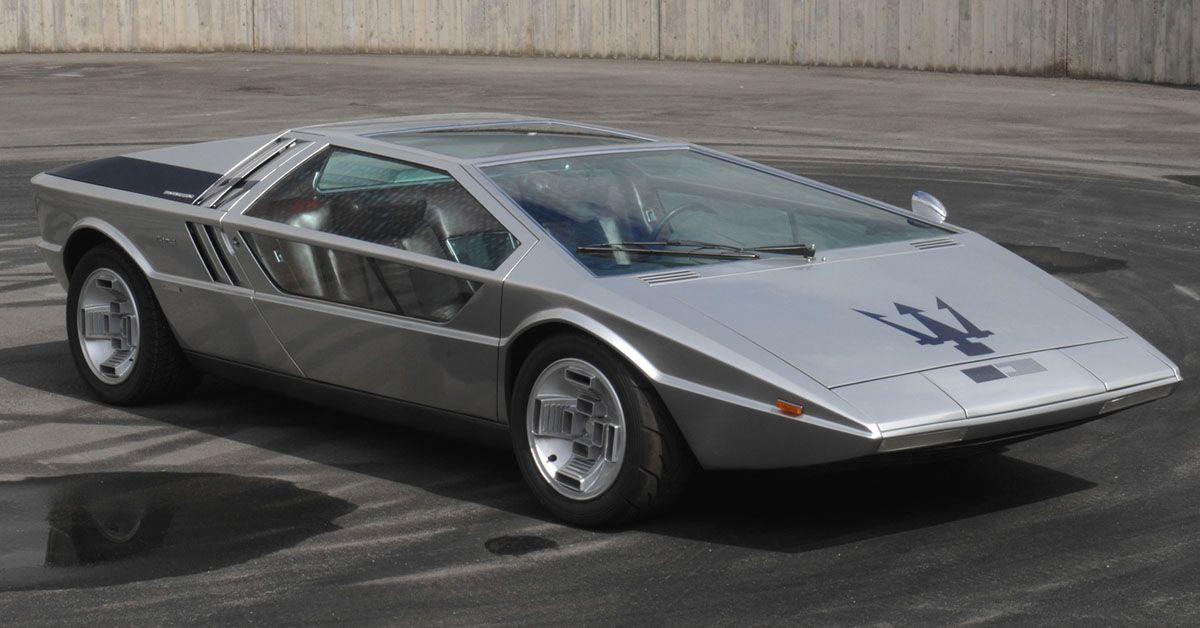
From the brutalist geometry of stainless steel exteriors to the neon-soaked, screen-heavy interiors of high-tech cruisers, the modern car is evolving into a mobile computing platform. This evolution is driven by a “tech-first” philosophy where aerodynamics, software integration, and sensory hardware take precedence over traditional combustion-engine constraints.
The Science of Form: Aerodynamics and the Pursuit of Low Drag
The most immediate reason a car looks like a spaceship is the relentless pursuit of aerodynamic efficiency. In the world of high-performance tech, particularly with EVs, the wind is the greatest enemy of range. To combat this, engineers utilize Computational Fluid Dynamics (CFD) to craft shapes that allow air to glide over the vehicle with minimal resistance.
Computational Fluid Dynamics (CFD) and the Teardrop Silhouette
The “spaceship” look often manifests as a “one-box” or teardrop design. This isn’t a stylistic choice made for vanity; it is a mathematical necessity. Modern EVs like the Mercedes-Benz EQS or the Lucid Air utilize CFD software to achieve drag coefficients (Cd) as low as 0.20. By smoothing out the underbody, removing protruding door handles in favor of flush-mounted tech, and tapering the rear of the vehicle, manufacturers create a silhouette that mimics high-speed aerospace craft. This technical focus on “slippery” design translates to a visual language that feels alien and futuristic to the average observer.
Active Aero: Moving Parts for Maximum Efficiency
Beyond the static shape, tech-forward cars now feature active aerodynamics—components that move and adjust in real-time based on sensor data. This is “gadgetry” at a structural level. Active shutters in the front grille, deployable rear spoilers, and even wheels that change their surface area to reduce turbulence are all controlled by the car’s central processing unit. When a car transforms its shape at 60 mph to optimize airflow, it moves away from being a mere tool of transport and becomes a sophisticated piece of robotic hardware.
Exotic Materials and the Lightweight Revolution
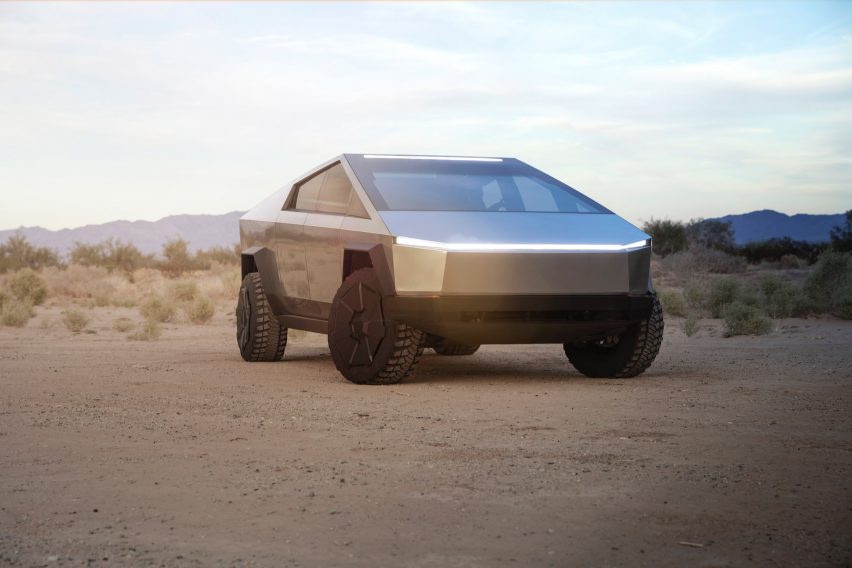
Spaceships are defined by their use of cutting-edge materials like titanium, carbon fiber, and specialized alloys. We see this same tech migration in the automotive sector. The use of exposed carbon fiber weaves and “Exoskeleton” designs—most notably seen in the Tesla Cybertruck’s cold-rolled stainless steel—replaces traditional stamped aluminum. These materials are chosen for their strength-to-weight ratios and durability, but they also provide a distinct, unpainted, and industrial aesthetic that looks more at home in a lunar hangar than a suburban driveway.
The Digital Cockpit: Redefining the Human-Machine Interface (HMI)
If the exterior of a modern car suggests a spaceship, the interior confirms it. The transition from analog gauges to digital command centers represents one of the most significant leaps in consumer technology over the last decade. The cockpit is no longer a place where you simply steer; it is a hub for data visualization and connectivity.
The Rise of the Hyperscreen and Augmented Reality
The centerpiece of the “spaceship” interior is often a massive, pillar-to-pillar glass display. Mercedes-Benz’s MBUX Hyperscreen is a prime example, integrating multiple OLED displays under a single curved surface. This hardware provides high-resolution feedback on everything from battery thermals to satellite navigation. Furthermore, Augmented Reality (AR) Head-Up Displays (HUDs) project flight-path-like graphics onto the windshield, overlaying navigation arrows and safety warnings onto the real world. This tech turns the windshield into a transparent monitor, mirroring the “heads-up” tech used by fighter pilots and astronauts.
Software-Defined Vehicles: The Brain in the Machine
The true “tech” behind the spaceship look is the move toward Software-Defined Vehicles (SDVs). In the past, a car’s features were fixed at the factory. Today, cars are built around a centralized high-performance computer architecture. This allows for Over-the-Air (OTA) updates, meaning the vehicle’s performance, UI, and even safety features can be upgraded overnight. When a car “learns” new tricks or gains more horsepower via a software patch, it functions less like a mechanical device and more like a sophisticated mobile device—a “computer on wheels” that manages complex systems in real-time.
Sensory Environments and Bio-Feedback
Futuristic cars are increasingly incorporating sensory tech to bridge the gap between human and machine. Ambient lighting isn’t just for show; it is an HMI tool. LED strips may pulse red if a blind-spot sensor detects a vehicle or glow blue when the AI-assisted driving mode is engaged. Some high-end tech suites even include biometric sensors in the seats or steering wheel to monitor driver fatigue or stress, adjusting the cabin’s atmosphere accordingly. This level of environmental control is a hallmark of speculative sci-fi tech now reaching the mass market.

Pioneering the Aesthetic: Tech-Forward Models Leading the Charge
Several specific models currently embody the spaceship aesthetic through their radical integration of hardware and software. These vehicles serve as the vanguard for what is possible when designers are given the freedom to ignore traditional automotive tropes.
The Tesla Cybertruck: Brutalist Geometry meets Cold-Rolled Steel
The Cybertruck is perhaps the most famous example of a car looking like a spaceship—specifically, one from a 1980s sci-fi film. Its design is dictated by the limitations and strengths of its material: 30X Cold-Rolled stainless steel. Because the steel is too hard to be folded into complex curves, the car is composed of sharp angles and flat planes. From a tech perspective, it is a masterclass in minimalist engineering, featuring a steer-by-wire system and a 48-volt architecture that reduces wiring weight, much like modern aerospace systems.
Mercedes-Benz VISION AVTR: Biomimicry and Neural Links
Inspired by the film Avatar, the VISION AVTR is a concept that pushes the spaceship narrative into the realm of organic technology. It features 33 “bionic flaps” on the back that look like scales and move to communicate with the driver and the environment. Instead of a steering wheel, it uses a central control element that reads the driver’s pulse and breathing. While a concept, it showcases the direction of travel for automotive tech: a move toward “living” machines that use biometric data as their primary input.
The HiPhi Z: A Digital GT for the Modern Era
Coming out of the Chinese tech-auto sector, the HiPhi Z is often cited as the car that most closely resembles a “digital spaceship.” It features an “Ultra-Futuristic Digital GT” design language, complete with an AI companion (the HiPhi Bot) mounted on a high-speed robotic arm that can rotate the screen toward the driver. It uses 4,000+ LED lights to communicate with pedestrians and other vehicles, making the car a literal light show of data transmission.
Autonomous Systems: The AI Behind the “Pilot” Experience
A spaceship isn’t just about looks; it’s about the ability to navigate complex environments with minimal human intervention. The integration of Level 2 and Level 3 autonomous driving systems is the “invisible” tech that completes the spaceship experience.
LiDAR, Radar, and the Sensor Suite
To “see” like a spaceship, modern cars are outfitted with an array of sensors. LiDAR (Light Detection and Ranging) sensors, often housed in a sleek pod on the roof, use laser pulses to create a 3D map of the surroundings. When combined with ultrasonic sensors and high-definition cameras, the car gains a 360-degree digital awareness that far exceeds human vision. This sensor suite is the hardware foundation of the autonomous “pilot,” allowing the vehicle to make split-second decisions based on massive data throughput.
The Transition from Driver to Passenger
As autonomy tech matures, the interior layout of cars is changing. We are seeing the introduction of swiveling seats and retractable steering wheels. When the “driver” can turn their seat around to face other passengers while the car handles a highway commute, the vehicle has officially transitioned from a “car” to a “transport pod.” This shift is a core component of the spaceship fantasy—the idea that the craft is an autonomous entity capable of safely ferrying its occupants across distances.
The AI Copilot and Voice Recognition
Natural Language Processing (NLP) and AI are becoming the primary ways we interact with our vehicles. Instead of fumbling with buttons, users speak to an AI “copilot.” These systems use machine learning to understand context and intent. Whether it’s asking the car to “optimize range for the next 200 miles” or “find a charging station with high-speed ports,” the AI acts as the bridge between the user and the complex machinery. This conversational interface is a direct tech-descendant of the talking computers found in fictional starships.
Conclusion: The Convergence of Automotive and Aerospace Tech
The question of “what car looks like a spaceship” is ultimately a question about the future of technology. We are witnessing a convergence where the automotive industry is adopting the principles of aerospace engineering, data science, and robotics. The cars that look like spaceships do so because they are built to function like them—prioritizing aerodynamic efficiency, utilizing advanced sensor arrays, and running on complex software architectures.
As we move toward a future of solid-state batteries, even more advanced AI, and fully autonomous “Level 5” systems, the traditional “three-box” sedan will likely disappear. In its place will be sleek, seamless, and intelligent vessels that prioritize the digital experience as much as the physical journey. The “spaceship” on your driveway is no longer a dream; it is the inevitable result of our current technological trajectory.
aViewFromTheCave is a participant in the Amazon Services LLC Associates Program, an affiliate advertising program designed to provide a means for sites to earn advertising fees by advertising and linking to Amazon.com. Amazon, the Amazon logo, AmazonSupply, and the AmazonSupply logo are trademarks of Amazon.com, Inc. or its affiliates. As an Amazon Associate we earn affiliate commissions from qualifying purchases.