
In the modern financial landscape, the average household manages between ten and fifteen recurring monthly obligations. From the mortgage and utilities to subscription services and medical premiums, the sheer volume of accounts can become a source of significant “financial friction.” This friction—the time and mental energy required to track due dates, log into various portals, and manage cash flow—often leads to missed payments, late fees, and damaged credit scores. Doxo has emerged as a specialized financial tool designed to alleviate this burden by acting as a centralized hub for bill payment.
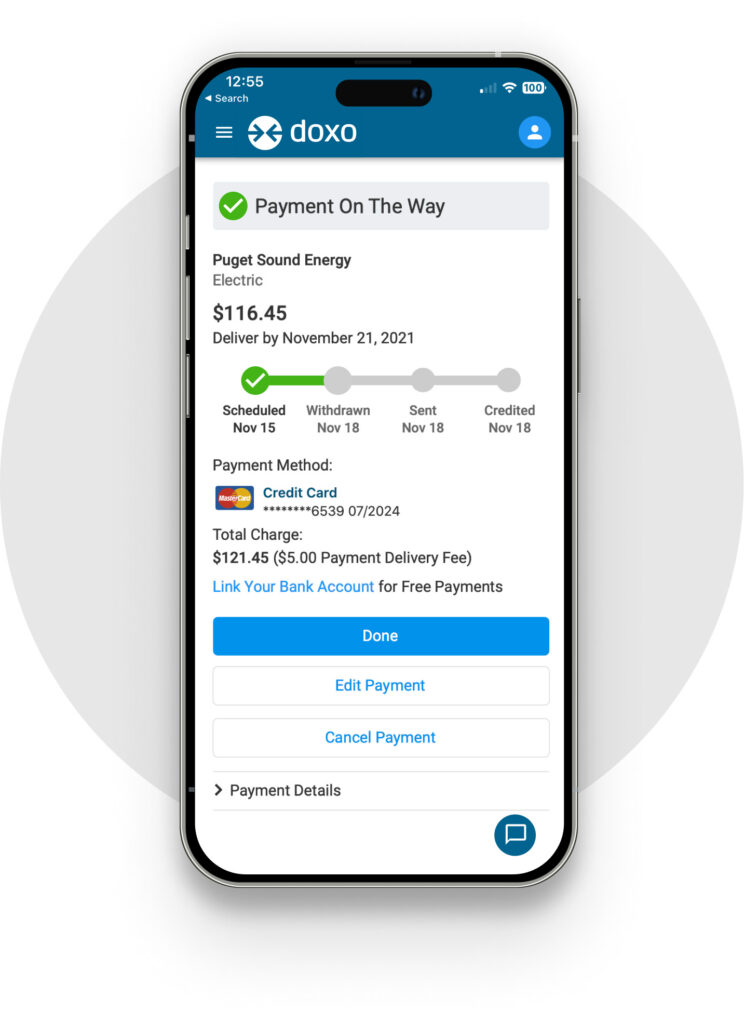
Understanding what bills you can pay with Doxo is the first step toward streamlining your personal finance ecosystem. By aggregating thousands of billers into a single interface, Doxo serves as a strategic asset for those looking to master their monthly budget and protect their financial health.
The Evolution of Personal Finance Management via Doxo
For decades, the standard for paying bills involved writing checks or setting up individual “AutoPay” accounts with every single service provider. While AutoPay is convenient, it often results in a “set it and forget it” mentality that can lead to overdrafts if one isn’t meticulously tracking their bank balance. Doxo shifts this paradigm by offering a centralized bill-pay directory.
Centralizing Your Monthly Obligations
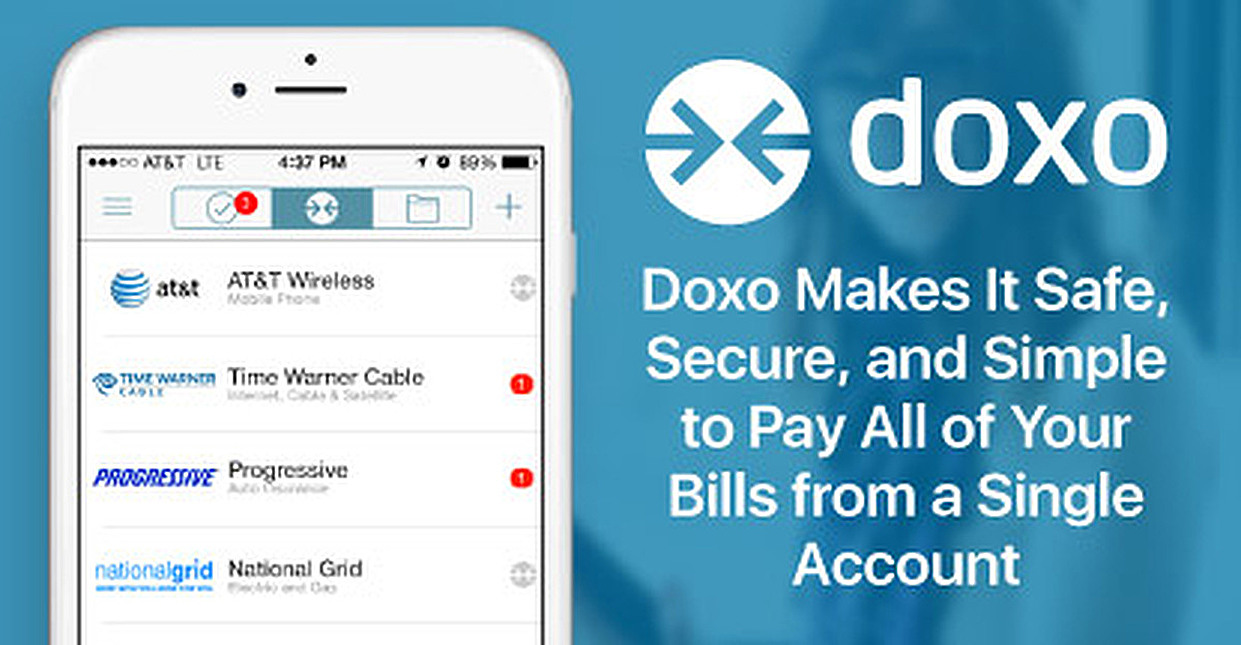
The core value proposition of Doxo within the personal finance niche is centralization. Instead of navigating fifteen different websites with fifteen different passwords, users can link their obligations to a single dashboard. This provides a high-level view of one’s total monthly liabilities. When you can see the “big picture” of your spending in one place, you are better equipped to make informed decisions about discretionary spending and savings goals.
Why Aggregation Matters for Financial Health
Financial health is built on consistency. When payments are scattered across the month, the risk of a “blind spot” increases. Aggregation tools like Doxo ensure that no bill falls through the cracks. For individuals managing side hustles or complex business finances, separating personal liabilities from professional ones while keeping them within an organized system is vital for tax preparation and debt-to-income ratio monitoring.
What Bills Can You Pay with Doxo? A Detailed Breakdown
Doxo boasts a network of over 120,000 billers, making it one of the most comprehensive payment directories in the United States. This vast network covers almost every facet of a consumer’s financial life.
Household Utilities and Essential Services
The most common use case for Doxo is the management of essential household utilities. This includes:
- Power and Electric: Large providers and small rural cooperatives alike are often found in the Doxo directory.
- Water and Sewer: Municipal utilities, which often have antiquated websites, can frequently be paid via Doxo’s streamlined interface.
- Waste Management: Monthly or quarterly trash collection fees.
- Natural Gas: Seasonal heating bills that can fluctuate significantly.
By paying these through a single platform, users can track seasonal fluctuations in utility costs more effectively, allowing for better “sinking fund” planning in their annual budget.
Financial Liabilities: Credit Cards, Loans, and Mortgages
Beyond utilities, Doxo allows for the management of significant debt obligations. This is crucial for maintaining a healthy credit profile.
- Credit Card Issuers: Both major national banks and smaller retail-specific cards.
- Mortgage Servicers: Keeping your primary residence payment on time is the single most important factor in your credit score.
- Auto Loans: Managing car payments alongside insurance premiums.
- Student Loans: Centralizing various loan servicers to ensure the principal is being whittled down without missing deadlines.
Insurance and Healthcare Expenses
Insurance and medical bills are often the most difficult to track because they may not occur on a standard monthly cadence.
- Health and Dental Insurance: Premiums for private or employer-sponsored plans.
- Auto and Homeowners Insurance: Often paid semi-annually or annually, these “lumpy” expenses are easier to manage when integrated into a broader financial dashboard.
- Medical Providers: One-off bills from hospitals, labs, or specialists. Doxo’s ability to handle these prevents them from being sent to collections—a common cause of sudden credit score drops.
Enhancing Financial Security and Payment Flexibility
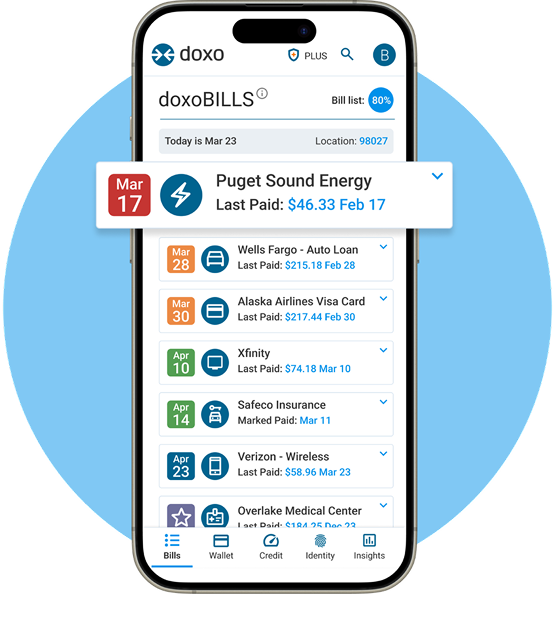
A major component of personal finance is not just what you pay, but how you pay it. Doxo provides a layer of flexibility that many individual biller portals do not offer.
Diverse Payment Methods to Manage Cash Flow
One of the strategic advantages of using a third-party financial tool is the ability to choose your funding source regardless of the biller’s limitations. Some small utility companies only accept ACH (bank transfers), but Doxo allows users to pay via:
- Credit Cards: Useful for earning rewards or points, provided the balance is paid off monthly.
- Debit Cards: Direct deduction from your checking account.
- Apple Pay: For secure, mobile-first transactions.
- Bank Account (ACH): Usually the most cost-effective method.
This flexibility allows users to manage their liquidity. For example, if a user is waiting for a paycheck but has a bill due, they might choose to use a credit card to avoid a late fee, then pay the card off once their funds arrive.
The Role of doxoCare in Fraud Protection
In the realm of online income and digital banking, security is a primary concern. Doxo provides a service called “doxoCare,” which includes identity theft protection and payment monitoring. When you pay a bill through a centralized service, you are sharing your sensitive banking information with one secure entity rather than dozens of different biller websites, some of which may have inferior security protocols. This “reduction of attack surface” is a sophisticated move for anyone serious about their personal financial security.
Optimizing Your Budget and Credit Score Through Automated Payments
The ultimate goal of using a tool like Doxo is to move from financial reactivity to financial proactivity. Automated systems are the cornerstone of wealth building because they remove human error from the equation.
Preventing Late Fees and Interest Charges
Late fees are “leaks” in a budget. A $35 late fee on a $50 water bill represents a massive percentage loss. For many families, these fees add up to hundreds of dollars per year. Doxo’s notification system and scheduled payment features act as a safety net. By ensuring payments reach the biller on time, users keep more of their money in their own pockets, where it can be redirected toward investments or high-yield savings accounts.
Long-term Wealth Building via Consistent Payment History
Thirty-five percent of a FICO credit score is determined by payment history. By using Doxo to ensure every utility, medical bill, and loan is paid on time, users are effectively “gardening” their credit score. A higher credit score leads to lower interest rates on future mortgages and auto loans, which can save a consumer tens of thousands of dollars over a lifetime. In this sense, a bill-pay tool is not just an administrative convenience; it is a long-term wealth-generation strategy.
Costs vs. Benefits: Is Doxo the Right Financial Tool for You?
No financial analysis is complete without a discussion of costs. While Doxo offers many free services, there are nuances to their fee structure that a savvy consumer must understand.
Understanding Fee Structures
Doxo makes money through convenience fees, particularly when a user chooses to pay with a credit card or when they use the service to pay a biller that is not “in-network.” For “in-network” billers where Doxo has a direct relationship, many payments are free when made via a linked bank account.
From a personal finance perspective, you must weigh the cost of a convenience fee against the cost of a late fee or the time spent managing bills manually. If paying a $3 fee saves you from a $30 late charge and 20 minutes of administrative work, it is a high-return investment.
The Value of Time and Administrative Relief
In the world of side hustles and “time is money” philosophy, the administrative burden of life is a real cost. Professional financial planning often involves outsourcing low-value tasks to focus on high-value ones (like earning more income or spending time with family). Doxo serves as a “virtual assistant” for your bills.
By centralizing everything from your Netflix subscription to your property taxes, Doxo allows you to reclaim your time. For the modern consumer, the ability to manage the entirety of one’s financial obligations in a single, secure, and flexible environment is more than just a convenience—it is a cornerstone of a disciplined and successful financial life. Whether you are looking to repair your credit, simplify your monthly routine, or gain a clearer picture of your cash flow, Doxo provides the tools necessary to bridge the gap between financial chaos and organized prosperity.
aViewFromTheCave is a participant in the Amazon Services LLC Associates Program, an affiliate advertising program designed to provide a means for sites to earn advertising fees by advertising and linking to Amazon.com. Amazon, the Amazon logo, AmazonSupply, and the AmazonSupply logo are trademarks of Amazon.com, Inc. or its affiliates. As an Amazon Associate we earn affiliate commissions from qualifying purchases.