
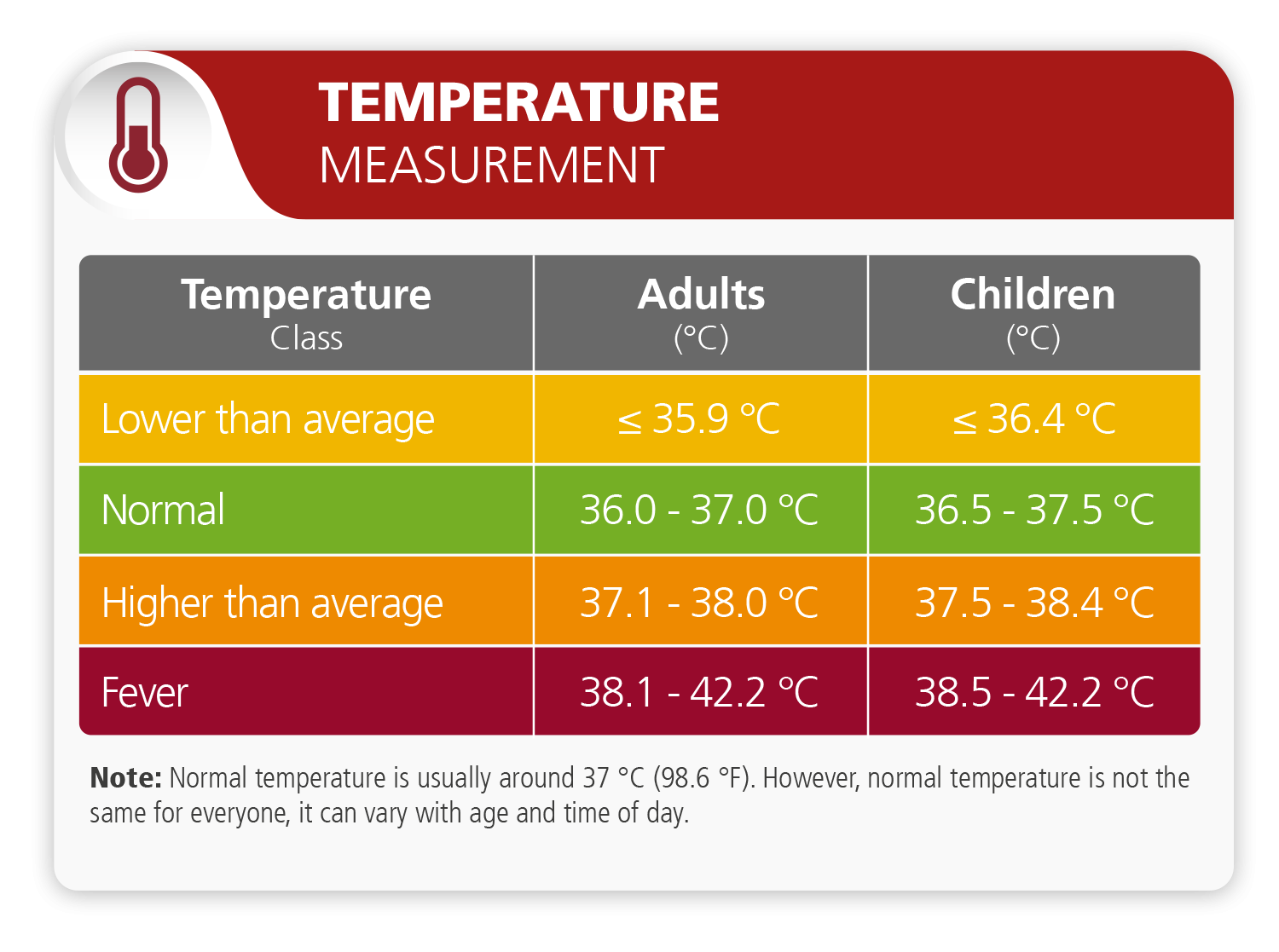
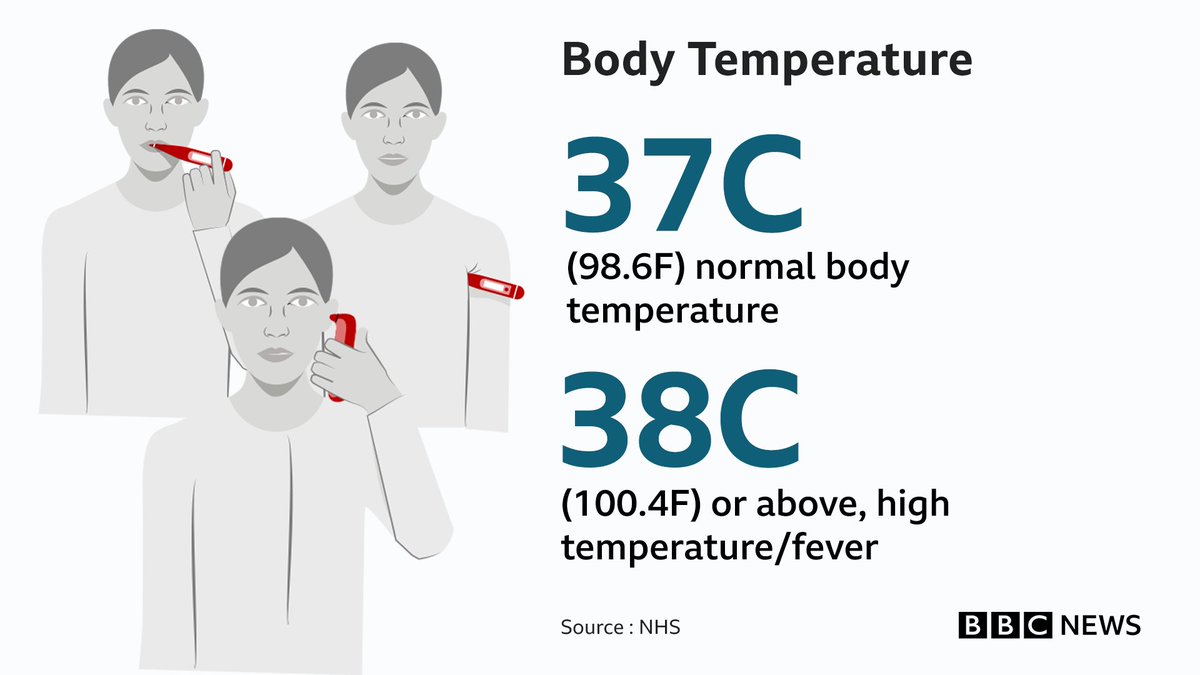
For over 150 years, the number 98.6°F (37°C) has been etched into the collective consciousness as the definitive marker of human health. Established by German physician Carl Wunderlich in 1851, this “standard” was based on millions of readings taken with foot-long mercury thermometers. However, as we navigate the third decade of the 21st century, technology is proving that this static figure is not only outdated but technically imprecise.
In the contemporary landscape of health technology, “normal” is no longer a single point on a scale; it is a dynamic, data-driven range. From wearable biosensors to AI-powered predictive diagnostics, the tech industry is revolutionizing how we define, measure, and interpret body temperature. Understanding what is considered a normal body temperature today requires a deep dive into the hardware and software that are personalizing medicine.
The Evolution of Thermal Measurement Technology
The journey from bulky mercury glass tubes to sophisticated infrared sensors represents one of the most significant leaps in medical instrumentation. While the fundamental physics of heat remains the same, the technology we use to capture it has fundamentally changed our understanding of human biology.
From Mercury to Infrared: A Digital Transformation
The traditional mercury thermometer was a marvel of its time, but it suffered from significant lag and user error. Today, digital thermometry has been eclipsed by non-contact infrared (NCIT) technology. These devices use thermopile sensors to detect infrared radiation emitted from the body, usually the forehead or the tympanic membrane. The shift to digital sensing has allowed for near-instantaneous readings, which became a cornerstone of public health infrastructure during the global pandemic. Tech developers have refined these sensors to account for ambient temperature interference, using sophisticated compensation algorithms to provide a “core-equivalent” reading that was previously impossible without invasive procedures.
The Rise of Continuous Wearable Biosensors
Perhaps the most disruptive tech in this space is the integration of temperature sensors into consumer wearables like the Oura Ring, Apple Watch Series 8 and Ultra, and Whoop strap. Unlike a traditional thermometer that provides a “spot check,” these devices offer continuous monitoring. They utilize NTC (Negative Temperature Coefficient) thermistors capable of detecting minute fluctuations—often as small as 0.1 degrees. This shift from episodic data to a continuous data stream allows the software to establish a “circadian baseline,” recognizing that a user’s “normal” at 4:00 AM is vastly different from their “normal” at 4:00 PM.
Data-Driven Perspectives on “Normal”
When we ask what is considered a normal body temperature, the answer provided by modern data science is: “It depends.” Large-scale studies, powered by electronic health records (EHR) and anonymized wearable data, suggest that the human population has actually “cooled” since the 19th century, with the new average hovering closer to 97.9°F.
Why 98.6°F is No Longer the Tech-Validated Gold Standard
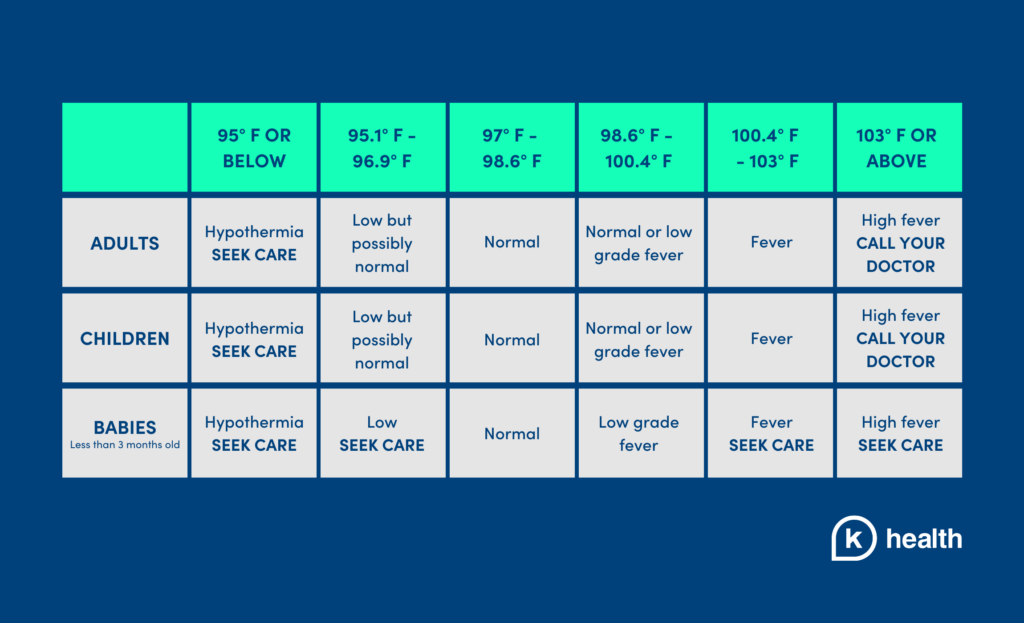
Using Big Data analytics, researchers at Stanford University and other tech-forward institutions have analyzed hundreds of thousands of digital temperature logs. Their findings suggest that “normal” varies significantly based on age, gender, and even the time of day. Technology has allowed us to see that a temperature of 99.0°F might be a low-grade fever for an elderly individual with a low baseline, while it might be perfectly normal for a young adult after a meal. The tech industry is moving away from a “one-size-fits-all” number toward “Personalized Baselines,” where software informs the user when they deviate from their specific norm, rather than a 150-year-old average.
The Role of Big Data in Mapping Individual Baselines
The power of health tech lies in its ability to process longitudinal data. Software platforms now use “baselining” algorithms to filter out noise—such as environmental heat or intense physical activity—to find the user’s true resting temperature. By analyzing months of data, these apps can identify a “thermal signature.” For instance, in female health tracking, tech-driven temperature monitoring is used to identify the slight thermal shift (roughly 0.5°F to 1.0°F) that occurs during ovulation. This level of precision is only possible through the marriage of sensitive hardware and cloud-based analytical processing.
AI and Predictive Health Monitoring
The true frontier of body temperature technology isn’t just measurement; it’s prediction. Artificial Intelligence (AI) and Machine Learning (ML) are being leveraged to turn simple temperature readings into early warning systems for illness, stress, and recovery.
Machine Learning Algorithms in Fever Detection
AI models are now being trained to recognize the “shape” of a fever. Not all rises in temperature are created equal; a rise caused by heat exhaustion looks different on a data graph than a rise caused by a viral infection. Advanced software can analyze the rate of increase, heart rate variability (HRV), and respiratory rate in tandem with temperature. If the AI detects a specific pattern of thermal instability, it can alert the user to a potential illness up to 24 hours before physical symptoms like a cough or fatigue manifest. This “proactive” rather than “reactive” approach is the hallmark of modern MedTech.
Continuous Monitoring vs. Spot Checks
The technological divide between a spot check and continuous monitoring is vast. A spot check is a snapshot; continuous monitoring is a movie. AI thrives on the “movie” format. By monitoring skin temperature during sleep, AI-driven apps can calculate the “Thermal Recovery Index.” This metric tells athletes and high-performance professionals if their body is running “hot” due to systemic inflammation or overtraining. In this context, “normal” is redefined as “homeostatic balance,” a state that the software monitors in real-time to prevent burnout or injury.
The Impact of Smart Home Ecosystems on Vital Tracking
The integration of health tech into the broader Internet of Things (IoT) ecosystem means that our environment is becoming more responsive to our body temperature. We are moving toward a world where your “normal” temperature dictates your environmental settings.
Integrating Thermal Data into Smart Home Wellness
Smart home hubs are beginning to integrate with wearable health data. Imagine a bedroom environment where the thermostat automatically lowers the room temperature by two degrees when your wearable detects your core body temperature beginning its natural nocturnal dip. This tech-enabled “thermal steering” optimizes sleep quality. In this ecosystem, the definition of normal body temperature is used as a trigger for automation, creating a feedback loop between the human body and the digital home.
Privacy and Security in the Era of Biometric Health Data
As body temperature becomes a digital data point stored in the cloud, the conversation must shift to digital security. Biometric data is the most sensitive form of information. Leading tech firms are implementing “on-device” processing and end-to-end encryption to ensure that a user’s thermal baseline isn’t accessible to third parties without consent. The challenge for the industry moving forward is balancing the incredible insights gained from shared data pools (which help define “normal” across populations) with the rigorous security protocols required to protect individual privacy.
Conclusion: The Future of Personalized Health Metrics
The question of “what is considered to be normal body temperature” has evolved from a simple medical inquiry into a complex data science challenge. Technology has stripped away the illusion of a universal constant, replacing it with a nuanced, individualized, and highly accurate digital profile.
As we look toward the future, the combination of more sensitive biosensors, more powerful AI, and seamless IoT integration will continue to refine our understanding of human thermoregulation. We are entering an era where your smartwatch knows your “normal” better than any textbook ever could. In this digital age, health is no longer about matching a static number; it is about maintaining your personal rhythm within an increasingly intelligent technological framework. The “new normal” isn’t 98.6°F—it is whatever your data says you are when you are at your best.
aViewFromTheCave is a participant in the Amazon Services LLC Associates Program, an affiliate advertising program designed to provide a means for sites to earn advertising fees by advertising and linking to Amazon.com. Amazon, the Amazon logo, AmazonSupply, and the AmazonSupply logo are trademarks of Amazon.com, Inc. or its affiliates. As an Amazon Associate we earn affiliate commissions from qualifying purchases.