
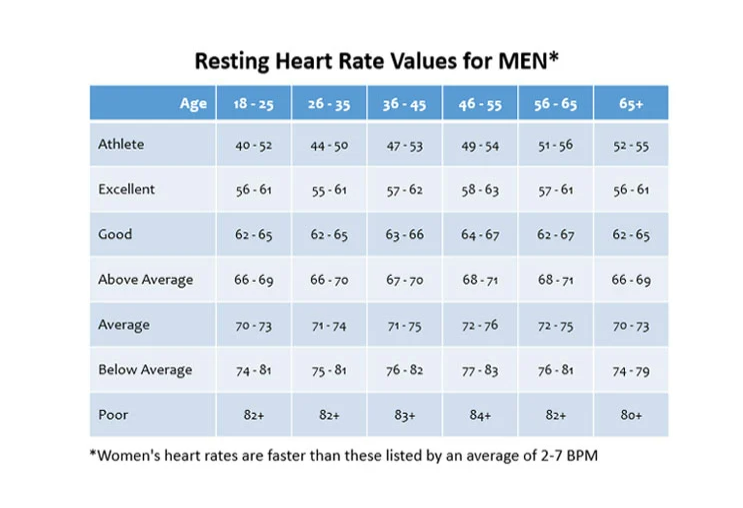
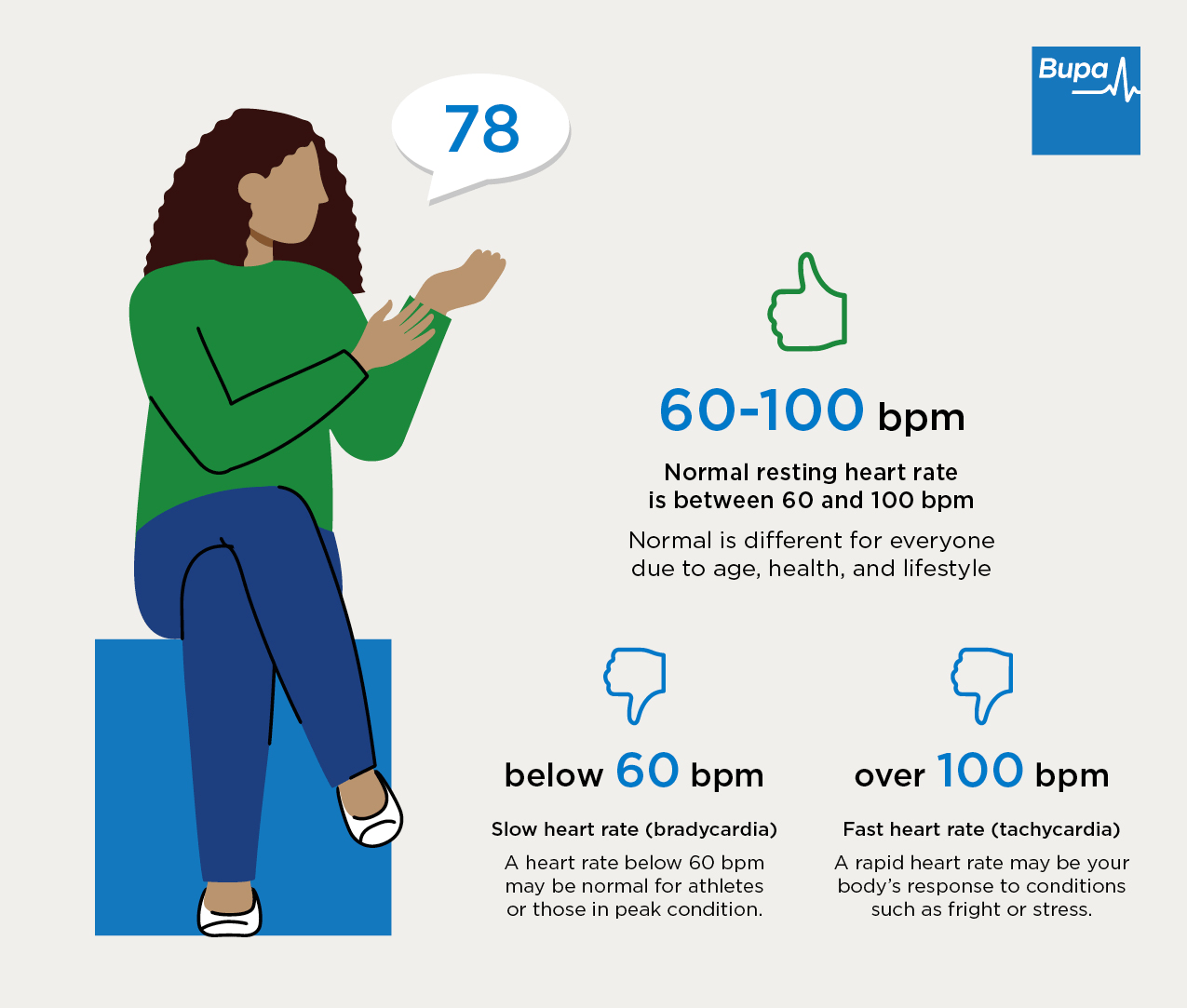
In the era of the Quantified Self, the question “what is considered a normal heart rate?” has transitioned from a query once reserved for the doctor’s office to a real-time data point displayed on millions of wrists worldwide. While the medical community has long defined a resting heart rate of 60 to 100 beats per minute (BPM) as the standard for adults, the technology used to track these metrics has fundamentally shifted our understanding of cardiovascular health. Today, “normal” is no longer a static range; it is a dynamic, AI-driven baseline shaped by biometric sensors, sophisticated algorithms, and massive datasets.
As wearable technology becomes increasingly sophisticated, the hardware and software used to monitor heart rates are redefining the boundaries of preventative medicine and personal health management. This evolution from simple pulse counting to complex digital diagnostics highlights a pivotal moment in the intersection of technology and biology.
The Evolution of Heart Rate Sensing Technology
The journey of heart rate monitoring from clinical settings to consumer gadgets is a triumph of engineering. To understand what constitutes a “normal” heart rate today, one must first understand the tech that captures it.
From Chest Straps to PPG (Photoplethysmography)
Early consumer heart rate monitors, primarily used by elite athletes, relied on chest straps that utilized Electrocardiography (ECG) to detect the electrical impulses of the heart. While highly accurate, these were cumbersome for daily wear. The revolution occurred with the miniaturization of Photoplethysmography (PPG).
PPG is the technology found in almost every modern smartwatch and fitness tracker. It works by shining green LED lights onto the skin. Because blood is red, it reflects red light and absorbs green light. When the heart beats, blood flow in the wrist increases, and so does the absorption of green light. Between beats, it decreases. By flashing these LEDs hundreds of times per second and using a photodiode to measure the reflected light, the device’s software can calculate the heart rate with remarkable precision.
The Rise of Consumer-Grade ECG
In recent years, tech giants have integrated miniaturized ECG sensors into wearables. Unlike PPG, which measures blood volume changes, a wearable ECG measures the actual electrical activity of the heart. By touching a specific point on the device—such as the digital crown of an Apple Watch or the bezel of a Samsung Galaxy Watch—the user completes a circuit that allows the device to record a single-lead ECG. This technological leap has moved the definition of “normal heart rate” beyond just the number of beats to the rhythm of the beats, allowing for the detection of conditions like Atrial Fibrillation (AFib) directly from a consumer app.
Defining “Normal” Through Big Data and AI
With the influx of data from millions of users, the tech industry is challenging the traditional medical definition of a “normal” heart rate. Through machine learning and big data analytics, we are discovering that “normal” is highly individualized.
Shifting Benchmarks: Personalized vs. Statistical Norms
Traditional medicine uses a broad statistical range to define health. However, AI tools in health apps now create a “personalized baseline.” A heart rate of 55 BPM might be flagged as bradycardia (abnormally slow) in a clinical setting, but for a marathon runner whose wearable has tracked their sleep for three years, the software recognizes this as a healthy, “normal” resting state for that specific user.
AI algorithms analyze variables such as age, sleep quality, stress levels, and even ambient temperature to determine if a user’s current heart rate deviates from their historical trend. This shift from “population-wide” to “individual-specific” data is the hallmark of modern HealthTech.
The Role of Machine Learning in Identifying Arrhythmias
The most significant tech contribution to heart health is the use of machine learning to identify patterns in heart rate variability (HRV) and irregular rhythms. Identifying a “normal” heart rate is as much about the silence between the beats as the beats themselves.
Neural networks are trained on millions of ECG strips to recognize the subtle markers of heart disease that are invisible to the human eye. When a wearable detects an irregular rhythm, it isn’t just looking at a high or low number; it is running the data through a model that compares the user’s current heart rhythm against thousands of pathological templates. This tech allows for “exception reporting,” where the software only alerts the user when the heart rate deviates from a personalized, AI-calculated norm.

Integration and the Ecosystem of Health Data
A heart rate reading is only as valuable as the ecosystem it inhabits. The tech industry has focused heavily on how this biometric data is stored, shared, and protected within the broader digital infrastructure.
Interoperability: Syncing Heart Data with Global Health Systems
The power of knowing one’s heart rate is amplified when that data can be seamlessly shared with healthcare providers. Platforms like Apple HealthKit and Google Fit act as central repositories, utilizing APIs (Application Programming Interfaces) to bridge the gap between consumer gadgets and Electronic Health Records (EHR).
This interoperability allows doctors to see a patient’s “normal” heart rate over six months rather than just a thirty-second snapshot during a check-up. The technology facilitates a shift from episodic care to continuous monitoring, where the “normal” heart rate is a longitudinal trend line rather than a single data point.
Digital Security and the Privacy of Biometric Information
As heart rate data becomes more integrated into our digital lives, security becomes paramount. Biometric data is the most personal information an individual possesses. Tech companies are utilizing end-to-end encryption and on-device processing to ensure that heart rate data is not intercepted.
Advanced security protocols ensure that while an AI can analyze your heart rate to provide health insights, the raw data remains under the user’s control. However, the rise of “digital twins”—virtual models of a person’s biology—poses new challenges for cybersecurity. Protecting the “normal” heart rate data of a population is now a matter of national digital security, as this data could theoretically be used for everything from insurance premium adjustments to targeted biological marketing.
The Future of Remote Patient Monitoring (RPM)
The tech used to monitor heart rates is moving beyond the wrist, heading toward a future where “normal” is monitored invisibly and ubiquitously.
Beyond the Wrist: Smart Rings and Ambient Sensing
The next frontier in heart rate tech involves form factors that are even less intrusive. Smart rings, such as the Oura Ring or the Samsung Galaxy Ring, use advanced infrared sensors to capture heart data from the arteries in the finger, which can often provide a cleaner signal than the wrist.
Furthermore, ambient sensing technology—using Wi-Fi signals or specialized radar—is being developed to monitor heart rates without any wearable at all. These devices sit in a room and detect the minute disturbances in radio waves caused by the mechanical movement of a human heart. For the elderly or those in post-operative care, this tech defines “normal” heart rate monitoring as a background process of the “smart home” environment.
AI-Driven Predictive Analytics for Cardiovascular Health
We are moving from “What is my heart rate?” to “What will my heart rate be?” Predictive analytics are being developed to forecast cardiac events before they happen. By analyzing subtle changes in resting heart rate and HRV over time, AI can identify the “prodromal” phase of an illness or a cardiac event.
In this context, the definition of a “normal” heart rate becomes a moving target that the AI uses to predict future health states. If the software notices a gradual increase in resting heart rate over seven days alongside a drop in HRV, it can alert the user to take a rest day or consult a professional, effectively using technology to prevent the “abnormal” from ever occurring.
Conclusion
What is considered a normal heart rate is no longer a simple answer found in a medical textbook. It is a sophisticated calculation performed by hardware sensors and software algorithms. As we move deeper into the decade, the technology surrounding heart rate monitoring will continue to blur the lines between consumer electronics and medical devices.
By leveraging PPG, ECG, AI, and big data, the tech industry has empowered individuals to own their cardiovascular data. “Normal” is now a personalized, digital signature—a metric that reflects not just our current state of health, but our habits, our stresses, and our future potential. In the world of tech, your heart rate is the most vital stream of data you will ever generate.
aViewFromTheCave is a participant in the Amazon Services LLC Associates Program, an affiliate advertising program designed to provide a means for sites to earn advertising fees by advertising and linking to Amazon.com. Amazon, the Amazon logo, AmazonSupply, and the AmazonSupply logo are trademarks of Amazon.com, Inc. or its affiliates. As an Amazon Associate we earn affiliate commissions from qualifying purchases.