
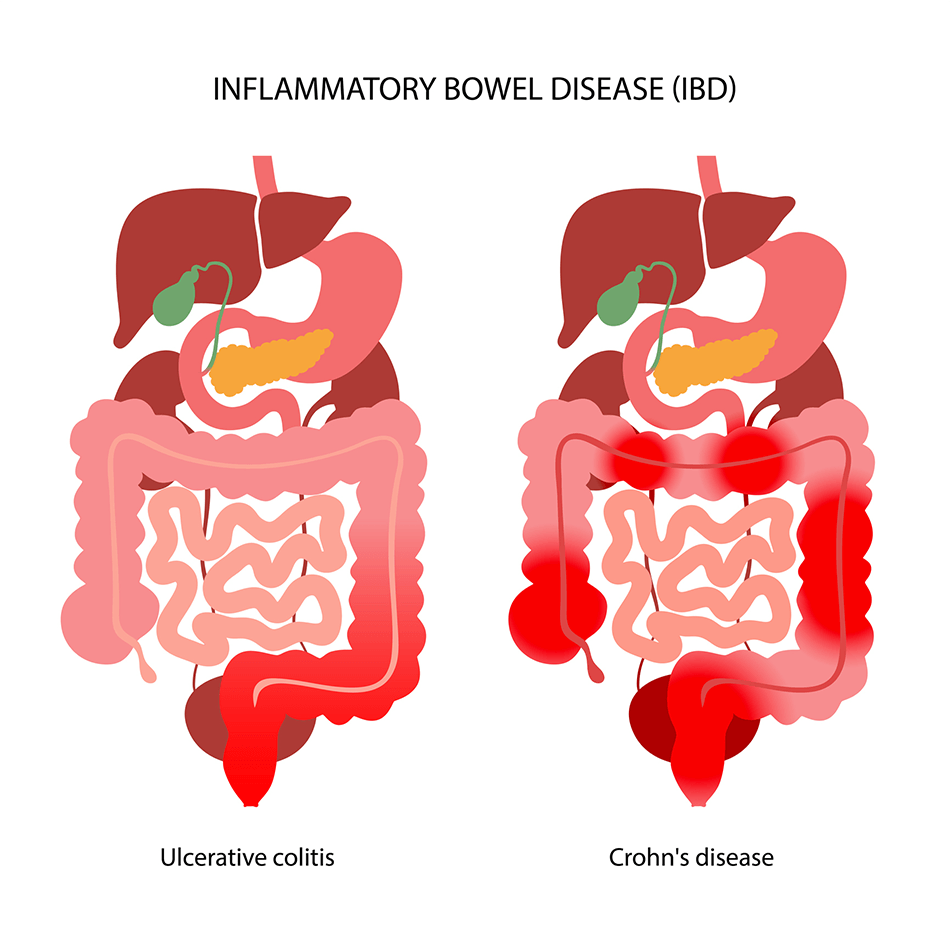
The intersection of biotechnology and digital innovation is currently reshaping our understanding of chronic inflammatory conditions. When we ask, “What is colitis bowel disease?” in the modern era, the answer is no longer confined to a medical dictionary. Instead, it is increasingly defined by data points, algorithmic diagnostics, and the “Internet of Medical Things” (IoMT). Colitis, specifically Ulcerative Colitis and other forms of Inflammatory Bowel Disease (IBD), represents a complex systemic challenge that the tech industry is uniquely positioned to solve through precision medicine and high-level software integration.
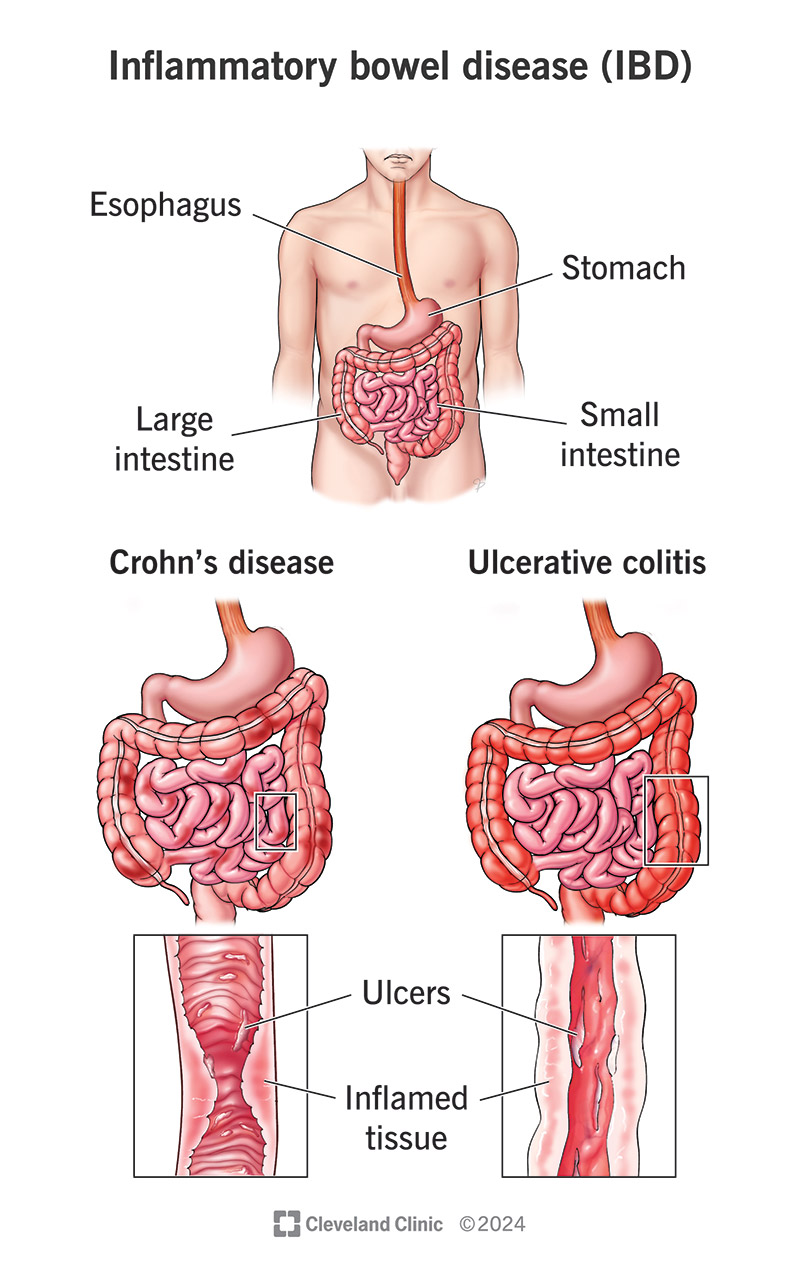
For decades, the management of colitis was a process of trial and error, relying on subjective patient reporting and invasive periodic procedures. Today, a new tech-driven paradigm is emerging. By leveraging artificial intelligence, wearable sensors, and genomic sequencing, the technology sector is transforming colitis from a “silent” chronic struggle into a data-rich environment where remission can be predicted, tracked, and maintained with surgical precision.
The Precision Diagnostic Era: AI and Machine Learning in Ulcerative Colitis
The first hurdle in managing colitis has always been the accuracy and speed of diagnosis. Traditional pathology relies on the human eye to interpret endoscopic images and biopsy slides—a process prone to inter-observer variability. The tech sector has stepped in with Computer-Aided Detection (CAD) systems that are revolutionizing how we identify the markers of the disease.
Computer-Aided Detection (CAD) and Neural Networks in Endoscopy
Modern gastroenterology is being augmented by deep-learning algorithms, specifically Convolutional Neural Networks (CNNs). These AI models are trained on millions of frames of endoscopic footage to identify subtle mucosal changes that a human practitioner might overlook. By integrating real-time AI overlays during a colonoscopy, software can now provide a “Mayo Score” (a measure of colitis severity) with higher consistency than senior physicians. This tech-driven objectivity ensures that the severity of the disease is quantified accurately, allowing for better-tailored treatment plans.
Genomic Sequencing and Bio-Informatics
Colitis is not a monolithic condition; it is a manifestation of complex genetic and environmental interactions. The rise of high-throughput sequencing technology allows bio-informaticians to map a patient’s unique genetic predispositions to inflammation. By treating DNA as biological code, software tools can now identify specific cytokine pathways that are overactive in a particular patient. This move toward “Big Data” in genomics means that “what colitis is” becomes a personalized digital profile, enabling the transition from broad-spectrum immunosuppressants to targeted biologic therapies.
The Internet of Medical Things (IoMT): Monitoring Disease Activity in Real-Time
One of the greatest challenges for patients with colitis is the unpredictable nature of “flares.” Historically, a patient would only know their condition was worsening when physical symptoms became debilitating. The tech industry is solving this through the Internet of Medical Things (IoMT), shifting the focus from reactive care to proactive monitoring.
Smart Pills and Ingestible Sensors
Perhaps the most “sci-fi” advancement in the tech-treatment of colitis is the development of ingestible sensor technology. These “smart pills” are miniaturized laboratories equipped with cameras, pH sensors, and chemical detectors. Once swallowed, they travel through the gastrointestinal tract, transmitting real-time data regarding gas concentrations (like hydrogen or methane) and inflammatory markers directly to a smartphone app. This provides a non-invasive, high-tech map of the bowel, allowing clinicians to “see” the disease activity without the need for repeated invasive surgeries.
Wearable Tech and Biometric Inflammation Tracking
Beyond the gut itself, wearable technology is being utilized to track the systemic “echoes” of colitis. High-end wearables now monitor Heart Rate Variability (HRV), sleep quality, and skin temperature—all of which can fluctuate in response to rising internal inflammation. Advanced software platforms use machine learning to establish a patient’s “baseline.” When the algorithms detect a deviation from this baseline, the system can alert the patient and their medical team of a potential flare-up days before physical symptoms manifest. This is a prime example of how tech-driven preventative maintenance is being applied to the human body.
Biotech Frontiers: The Convergence of Software and Biological Engineering
The modern definition of colitis treatment is increasingly found at the intersection of software engineering and biology. We are moving toward an era where we can “program” the body’s response to the disease through advanced technological interventions.
Microbiome Mapping and Digital Twins
The human gut microbiome contains trillions of bacteria, making it one of the most complex data sets on the planet. Tech firms specializing in microbiome analysis use cloud computing to sequence these bacterial colonies. By creating a “Digital Twin” of a patient’s gut environment, researchers can run thousands of simulations to see how specific probiotics, diets, or drugs will interact with that patient’s unique ecosystem. This “in-silico” testing reduces the risk for the patient and accelerates the discovery of effective treatments, proving that software is just as vital as medicine in the fight against colitis.
CRISPR and Targeted Gene Editing
As we look toward the future, the “Tech” niche expands into the realm of gene-editing software. CRISPR-Cas9 technology acts as a biological “search and replace” tool. Software-driven guides are used to identify the precise genetic sequences responsible for the dysregulated immune response in colitis patients. While still in the clinical trial phases, the goal is to “patch” the patient’s genetic code, potentially curing the disease at the source rather than merely managing the symptoms. This represents the ultimate integration of hardware (the biological tools) and software (the genetic mapping).
Data Security and the Future of Connected Gastroenterology
As colitis management becomes increasingly digitized, the conversation must shift toward the infrastructure that supports this data. The “What is colitis?” question now involves a significant amount of sensitive biometric information, making digital security a cornerstone of the modern treatment experience.
Protecting Sensitive Biometric Data
With the proliferation of health apps and connected devices, the tech industry is under pressure to ensure that personal health information (PHI) remains secure. The implementation of blockchain technology is being explored as a way to create immutable, decentralized health records. In this model, a patient’s “colitis data”—from their latest scope images to their genomic map—is owned and controlled by the patient, with access granted to providers via secure digital keys. This ensures that the highly personal data generated by modern MedTech doesn’t fall into the wrong hands.

The Road to Personalized, Tech-Driven Remission
The ultimate goal of the tech revolution in the IBD space is “Deep Remission”—a state where the gut not only feels better but has healed at a cellular level. To achieve this, we are seeing the rise of integrated HealthTech platforms that combine nutrition tracking, medication adherence, and biometric data into a single dashboard.
These platforms use predictive analytics to offer lifestyle “nudges” to the user. For instance, if the weather data shows high humidity (which can affect some patients) and the wearable shows poor sleep, the AI might suggest a specific anti-inflammatory diet for that day to mitigate risk. This level of granular, tech-assisted living is the new standard for managing chronic illness.
In conclusion, colitis bowel disease is no longer just a medical diagnosis; it is a complex biological puzzle that the tech industry is systematically solving. Through AI-enhanced diagnostics, ingestible sensors, microbiome data mapping, and secure digital ecosystems, we are entering an era of “Gastro-Tech.” For the millions living with this condition, technology offers more than just management—it offers a level of insight and control that was previously unimaginable. As software and hardware continue to evolve, the prospect of turning colitis into a fully “programmable” and curable condition becomes not just a hope, but a technical inevitability.
aViewFromTheCave is a participant in the Amazon Services LLC Associates Program, an affiliate advertising program designed to provide a means for sites to earn advertising fees by advertising and linking to Amazon.com. Amazon, the Amazon logo, AmazonSupply, and the AmazonSupply logo are trademarks of Amazon.com, Inc. or its affiliates. As an Amazon Associate we earn affiliate commissions from qualifying purchases.