
In the contemporary landscape of enterprise operations and consumer software, the term “stress” has transcended its biological origins to become a defining characteristic of our technological infrastructure. We are no longer merely discussing the psychological strain on the individual; we are analyzing the structural friction, the latency of outdated systems, and the overwhelming cognitive load imposed by a fragmented digital ecosystem. When we ask “what is causing stress” through a technological lens, we find that the answer lies in the increasing complexity of our stacks, the relentless pace of deployment, and the widening gap between human processing speeds and machine-driven demands.
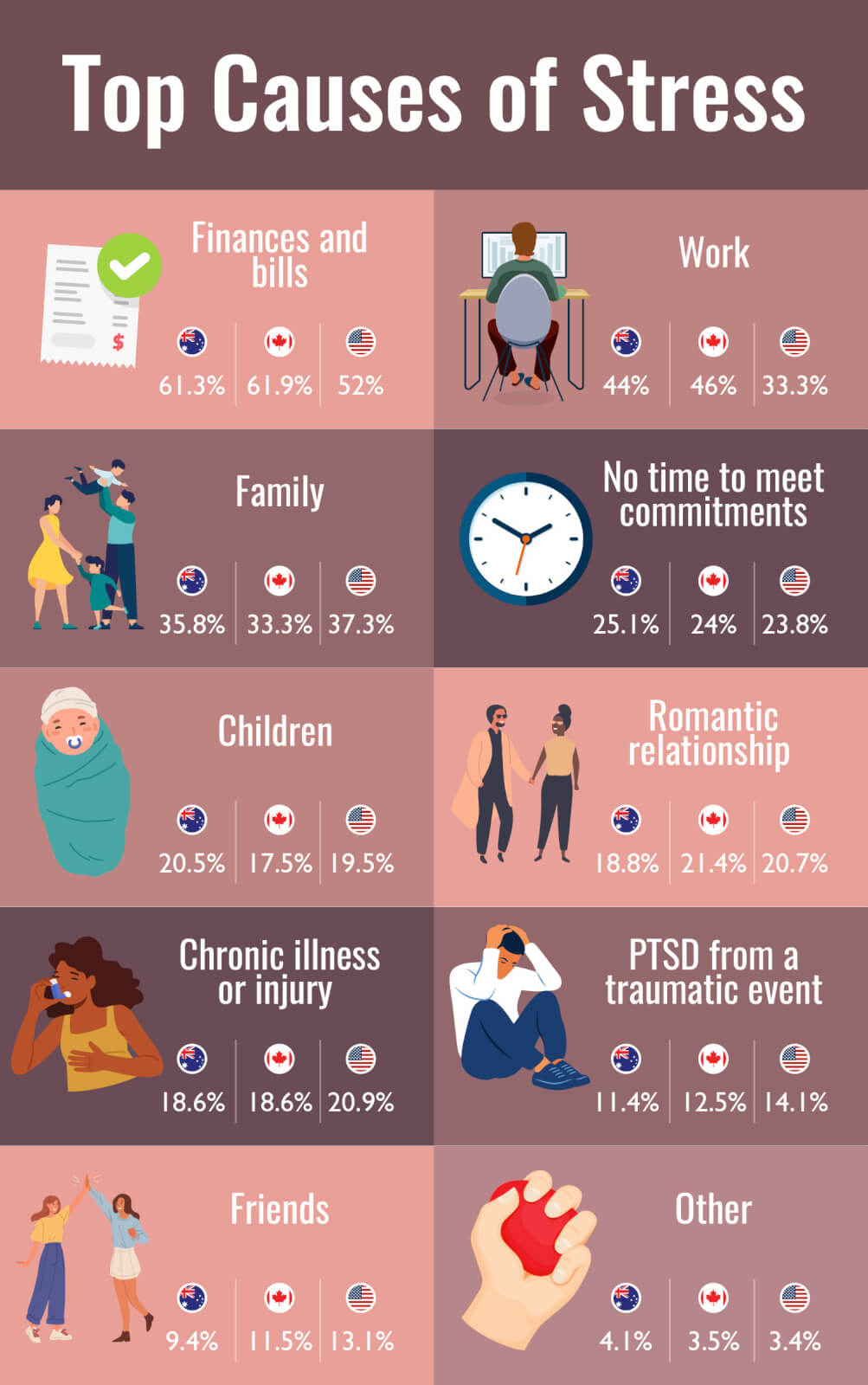
Understanding the root causes of this systemic stress is essential for CTOs, developers, and digital architects who seek to build resilient, sustainable environments. By diagnosing these friction points, we can move beyond reactionary troubleshooting toward a more intentional, human-centric approach to technological evolution.
The Weight of Legacy Systems and Technical Debt
One of the primary drivers of stress within any modern organization is the presence of technical debt. This is the “hidden tax” paid by developers and IT departments for past decisions that prioritized speed over long-term stability. As legacy systems age, they become increasingly brittle, turning routine updates into high-stakes operations.
The Hidden Cost of “Move Fast and Break Things”
The Silicon Valley mantra of “move fast and break things” has left a trail of architectural instability in its wake. In the rush to achieve Minimum Viable Product (MVP) status, many teams bypassed rigorous documentation and modular design. Years later, these shortcuts have matured into complex, monolithic structures that are difficult to debug and even harder to scale. The resulting stress is systemic: every new feature requires a disproportionate amount of effort to integrate, leading to project delays and developer burnout.
Maintenance Burnout in Outdated Environments
When a significant portion of a team’s bandwidth is consumed by “keeping the lights on” (KTLO) rather than innovation, morale plummets. Legacy systems often require specialized, niche knowledge that may no longer be common in the labor market. The stress of maintaining COBOL-based banking systems or aging mainframe infrastructures creates a single point of failure where a handful of veteran employees hold the keys to the entire operation. This lack of redundancy in human expertise, coupled with the fragility of the code, creates a high-pressure environment where a single oversight can lead to catastrophic downtime.
Hyper-Connectivity and the Cognitive Load of Notification Fatigue
While connectivity was promised as a tool for liberation, the current state of the “always-on” culture has become a major source of digital stress. The fragmentation of communication across Slack, Microsoft Teams, Email, Jira, and various Project Management tools has created a state of continuous partial attention.
The Erosion of Deep Work in an Always-On Culture
The concept of “Deep Work,” coined by Cal Newport, is becoming an endangered species in the tech world. The constant barrage of notifications triggers a dopamine-loop that shatters focus. For engineers and designers, the cost of context switching—moving from complex coding tasks to answering a “quick” message—is immense. Studies suggest it can take upwards of 20 minutes to regain full cognitive immersion after an interruption. This fragmentation causes a specific type of stress: the feeling of being busy all day without actually accomplishing meaningful work.
Managing the API of Human Attention
We have reached a point where we must treat human attention as a finite resource, much like server bandwidth or memory. The current architecture of enterprise software assumes that more information is always better, but without sophisticated filtering mechanisms, this leads to information silos and “noise.” Stress is caused when the signal-to-noise ratio becomes skewed, forcing users to manually parse through hundreds of pings to find the one actionable data point. The future of low-stress tech lies in asynchronous communication and “smart” notification layers that respect the user’s focus state.
Security Paranoia and the Escalating Threat Landscape
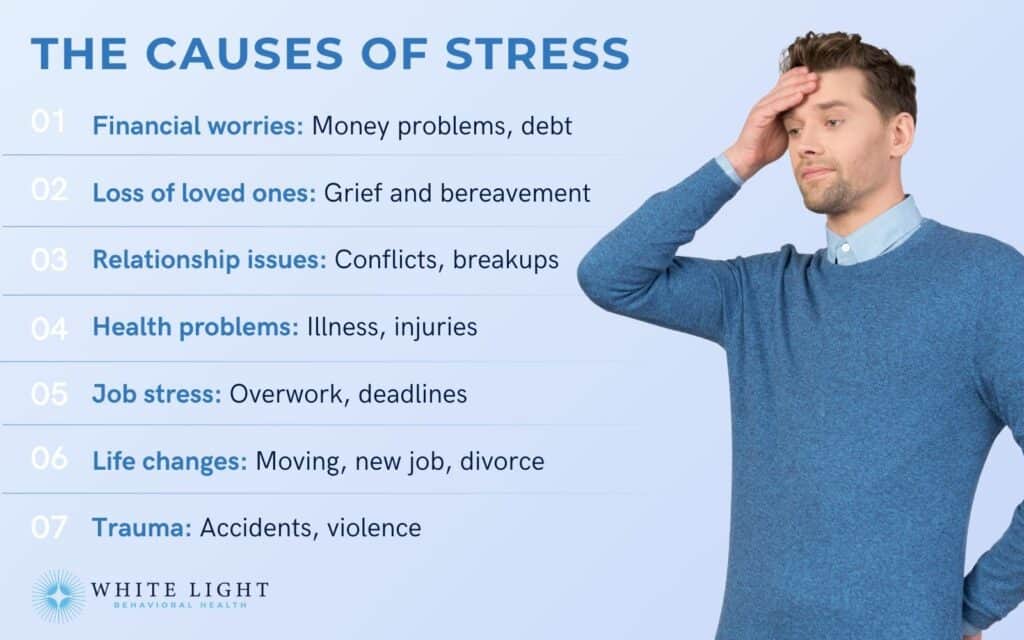
In an era of state-sponsored cyber warfare and sophisticated ransomware-as-a-service (RaaS) models, the stress associated with digital security has reached an all-time high. For security professionals, there is no such thing as a “finished” job; the goalposts are constantly moving.
The Psychological Toll of Zero-Day Vulnerabilities
The discovery of vulnerabilities like Log4j or Heartbleed sent shockwaves through the global tech community, highlighting how much of our infrastructure relies on open-source components that are often under-maintained. The stress of the “Zero-Day” is unique: it is a race against time where the adversary often has the first-mover advantage. This creates a state of chronic hyper-vigilance among DevOps and Security teams, who must be prepared to patch critical systems at any hour of the day or night.
Balancing User Friction with Robust Security Protocols
There is a fundamental tension between security and usability. Implementing Multi-Factor Authentication (MFA), Zero Trust architectures, and rigorous permissioning protocols is necessary for safety, but each layer adds friction to the user experience. Stress is generated when security measures are poorly integrated, leading to “security fatigue” where users begin to circumvent protocols just to get their work done. The challenge for modern tech is to create “invisible security”—robust protection that operates in the background without burdening the end-user with constant prompts and re-authentication hurdles.
The AI Transition: Automation Anxiety and Skill Obsolescence
The rapid emergence of Large Language Models (LLMs) and Generative AI has introduced a new flavor of stress to the tech industry: the fear of rapid obsolescence. While AI offers unprecedented productivity gains, the velocity of its development is outstripping the ability of many organizations to adapt.
Coping with the Velocity of Large Language Model Integration
The pressure to “AI-ify” every product in the portfolio has led to a frantic development cycle. Product managers and engineers are stressed by the need to integrate these powerful but unpredictable tools into existing workflows. There are concerns regarding data privacy, hallucinatory outputs, and the ethical implications of automated decision-making. The stress stems from the unknown; we are building on a foundation that is changing beneath our feet every few weeks.
Upskilling as a Stress Mitigator
To combat the anxiety of displacement, the focus must shift from “replacement” to “augmentation.” However, the burden of upskilling often falls on the individual. The constant need to learn new frameworks, prompting techniques, and AI-integrated IDEs creates a “treadmill effect” where tech workers feel they must run faster and faster just to stay in the same place. Organizations that provide structured, time-protected learning paths can significantly reduce this stress by fostering a culture of continuous, supported evolution.
Solving for Systemic Stress through Human-Centric Design
The solution to tech-induced stress is not to abandon technology, but to refine our philosophy of how we build it. We must move toward “Calm Technology”—systems that inform without demanding attention and provide value without creating unnecessary friction.
Implementing Digital Minimalism in Enterprise Software
Software bloat is a significant stressor. The “feature creep” that plagues many SaaS platforms often makes the core functionality harder to access. By embracing digital minimalism, developers can strip away the non-essential, focusing on high-impact features that solve specific problems. This reduces the cognitive load on the user and makes the codebase easier to maintain, creating a win-win scenario for both the producer and the consumer.

The Future of Resilience-Oriented Tech Stacks
Finally, we must prioritize resilience over mere efficiency. A system that is optimized for 100% efficiency is often brittle and prone to collapse under stress. A resilient system, however, incorporates “slack”—buffer zones, redundant paths, and graceful degradation. In architectural terms, this means moving toward microservices that can fail independently without taking down the entire ecosystem. In human terms, it means building tools that acknowledge human error and provide clear, stress-free paths for correction.
As we look toward the future of technology, the metric for success should not just be throughput or uptime, but the “well-being” of the system as a whole. By identifying what is causing stress—be it technical debt, notification fatigue, or security anxiety—we can begin to architect a digital world that empowers users rather than exhausting them. The goal is a technological landscape that serves as a foundation for growth, rather than a source of constant friction.
aViewFromTheCave is a participant in the Amazon Services LLC Associates Program, an affiliate advertising program designed to provide a means for sites to earn advertising fees by advertising and linking to Amazon.com. Amazon, the Amazon logo, AmazonSupply, and the AmazonSupply logo are trademarks of Amazon.com, Inc. or its affiliates. As an Amazon Associate we earn affiliate commissions from qualifying purchases.