
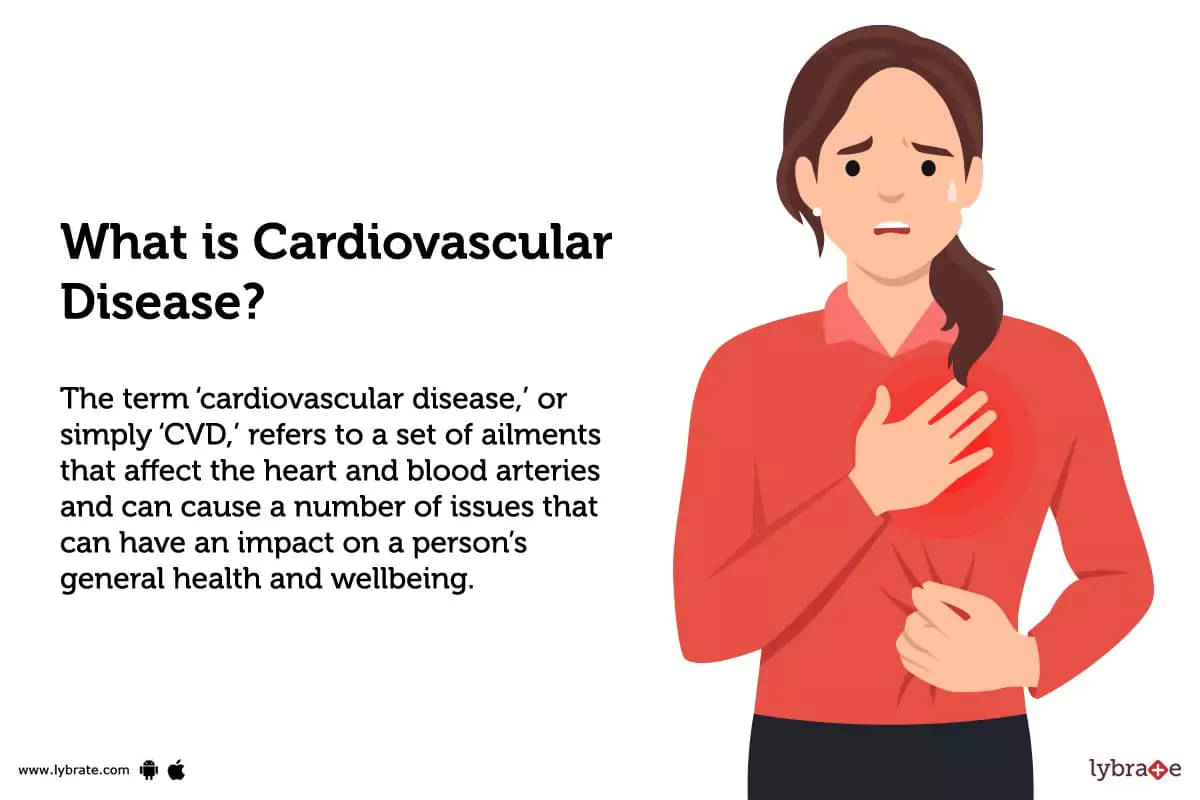
In the traditional medical landscape, answering the question “what is cardiovascular disease definition” typically involves a clinical description of disorders affecting the heart and blood vessels. However, as we move deeper into the 21st century, the definition of cardiovascular disease (CVD) is being fundamentally reshaped by technology. It is no longer just a biological condition diagnosed in a doctor’s office; it is now a data-driven challenge being addressed by artificial intelligence, wearable sensors, and sophisticated software ecosystems. In the tech sector, cardiovascular health has become one of the most significant frontiers for innovation, transforming how we monitor, predict, and treat the world’s leading cause of mortality.

Understanding Cardiovascular Disease in the Digital Age
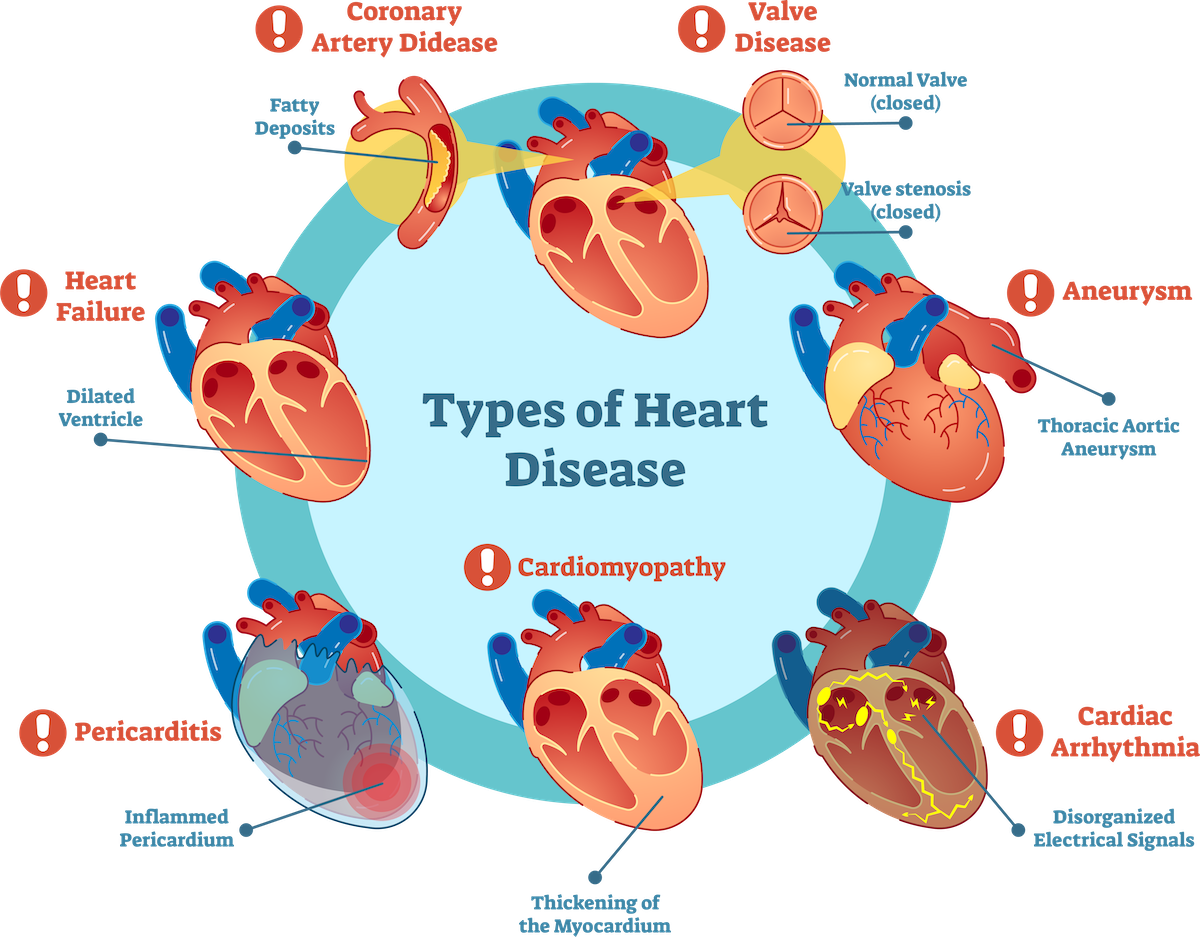
To understand the modern definition of cardiovascular disease, one must look past the anatomy of the heart and into the realm of digital diagnostics. Traditionally, CVD is an umbrella term for conditions such as coronary heart disease, cerebrovascular disease, and peripheral arterial disease. In a technological context, however, CVD is increasingly defined by the physiological signals—the “data points”—that the body emits long before a physical symptom manifests.
Redefining the Parameters of Heart Health
Technology has shifted the definition of heart health from a “snapshot” taken during an annual physical to a continuous stream of longitudinal data. Through high-resolution sensors and cloud computing, what we define as cardiovascular disease now includes sub-clinical markers identified by algorithms. By analyzing heart rate variability (HRV), blood oxygen levels (SpO2), and resting heart rates over months rather than minutes, tech platforms can identify “digital biomarkers.” These markers allow engineers and data scientists to create a profile of cardiovascular health that is far more nuanced than traditional blood pressure readings.
The Role of Big Data in Cardiac Diagnostics
Big data is the backbone of the modern cardiovascular definition. By aggregating millions of anonymized patient records, tech companies are training neural networks to recognize patterns that the human eye might miss. When we ask what the cardiovascular disease definition is today, we must include the contribution of massive datasets that allow for “population health” modeling. These models can predict which demographics are at risk based on environmental data, lifestyle patterns tracked via apps, and genetic predispositions, effectively turning a medical diagnosis into a predictive analytics problem.
Wearable Technology and Real-Time Monitoring
The most visible intersection of technology and cardiovascular disease is the rise of wearables. Devices that were once considered mere step-counters have evolved into sophisticated medical-grade monitors capable of detecting complex arrhythmias. This shift has democratized heart health, placing the “definition” of one’s cardiovascular state directly onto the user’s wrist.
From Consumer Gadgets to Clinical Tools
The evolution of the smartwatch—led by giants like Apple, Samsung, and Garmin—has changed the paradigm of cardiac monitoring. These devices utilize photoplethysmography (PPG) and miniaturized electrocardiogram (ECG) sensors to monitor the heart’s rhythm. When a device detects Atrial Fibrillation (AFib), it is essentially providing a real-time definition of a cardiovascular event. This transition from consumer gadget to clinical tool is supported by FDA clearances and rigorous software testing, ensuring that the tech provides actionable medical insights rather than just “wellness” data.
Remote Patient Monitoring (RPM) and Preventive Care
Remote Patient Monitoring (RPM) represents a major technological leap in managing cardiovascular disease. For patients already diagnosed with hypertension or heart failure, tech platforms now allow for continuous oversight by clinical teams. Through cellular-connected blood pressure cuffs and smart scales, data is transmitted directly to a provider’s dashboard. This tech-driven approach shifts the definition of CVD management from “reactive” (treating a heart attack) to “proactive” (adjusting medication the moment the data indicates fluid retention or a spike in pressure). This connectivity ensures that the disease is managed as a dynamic, evolving state rather than a static diagnosis.
AI and Machine Learning: The Future of Cardiac Prediction
If wearables are the “eyes” of modern cardiovascular care, then Artificial Intelligence (AI) and Machine Learning (ML) are the “brain.” The tech industry is currently focused on developing algorithms that can interpret complex cardiac data with a level of precision that exceeds traditional diagnostic methods.
Deep Learning in Electrocardiogram (ECG) Interpretation
An ECG is a primary tool used to identify cardiovascular issues, but its interpretation has historically required a trained cardiologist. Today, deep learning algorithms are being trained on millions of ECG strips to identify subtle abnormalities. These AI tools can detect “hidden” signs of heart failure or risk of stroke from a standard 12-lead ECG that appears normal to a human physician. In this tech-centric view, the definition of cardiovascular disease is expanded to include the “invisible” electrical precursors to physical structural damage.
Predictive Analytics: Identifying Risks Before Symptoms Occur
Predictive analytics is perhaps the most exciting frontier in health tech. By utilizing machine learning, developers are creating software that can predict a cardiovascular event weeks or even months in advance. By processing variables such as sleep quality, activity levels, and dietary habits gathered from mobile apps, these AI models can issue “red alerts” to users. This changes the definition of a cardiovascular patient from someone who is sick to someone who will become sick if an intervention is not made. This shift toward “preventive tech” is the cornerstone of the modern digital health movement.
Digital Therapeutics and Personalized Heart Care
The final piece of the cardiovascular-tech puzzle is Digital Therapeutics (DTx). These are software-based interventions designed to prevent, manage, or treat medical disorders. In the context of cardiovascular disease, DTx provides a personalized approach to care that was previously impossible.
Virtual Health Coaching and Lifestyle Modification Apps
Technology enables the scaling of lifestyle interventions, which are critical in defining the outcome of cardiovascular disease. Sophisticated apps now use behavioral science and AI to coach users through heart-healthy habits. These platforms provide real-time feedback on sodium intake, exercise intensity, and stress management. By gamifying heart health and providing social support through digital communities, tech companies are addressing the root causes of CVD—such as obesity and physical inactivity—through a software interface.
The Integration of Genomics and Precision Medicine
The ultimate goal of technology in the cardiovascular space is “Precision Medicine.” This involves integrating a patient’s genetic code with their real-time biometric data. Tech platforms are being developed to analyze genomic sequences to identify specific mutations that increase heart disease risk. When we look at the definition of cardiovascular disease through the lens of precision tech, we see a highly individualized map of health. Instead of a “one-size-fits-all” definition, technology allows for a personalized diagnosis that considers the unique interplay between a person’s DNA and their digital health footprint.
The Synthesis of Biology and Technology
In conclusion, when we explore the question “what is cardiovascular disease definition,” we find that the answer is increasingly rooted in the tech sector. Cardiovascular disease is no longer defined solely by the failure of a biological pump; it is defined by the data we collect, the algorithms we train, and the devices we wear.
Through the lens of technology, CVD is a complex set of variables that can be monitored in real-time and predicted with increasing accuracy. As AI continues to evolve and wearable sensors become even more non-invasive and precise, the boundary between “medical technology” and “cardiovascular health” will continue to blur. For the tech-savvy patient and the innovative developer, cardiovascular disease is the ultimate problem-solving challenge—one where code, data, and hardware converge to save lives and redefine what it means to have a healthy heart in a digital world. The future of heart health is not just in the hands of surgeons, but in the hands of the engineers and data scientists building the next generation of life-saving digital tools.
aViewFromTheCave is a participant in the Amazon Services LLC Associates Program, an affiliate advertising program designed to provide a means for sites to earn advertising fees by advertising and linking to Amazon.com. Amazon, the Amazon logo, AmazonSupply, and the AmazonSupply logo are trademarks of Amazon.com, Inc. or its affiliates. As an Amazon Associate we earn affiliate commissions from qualifying purchases.