
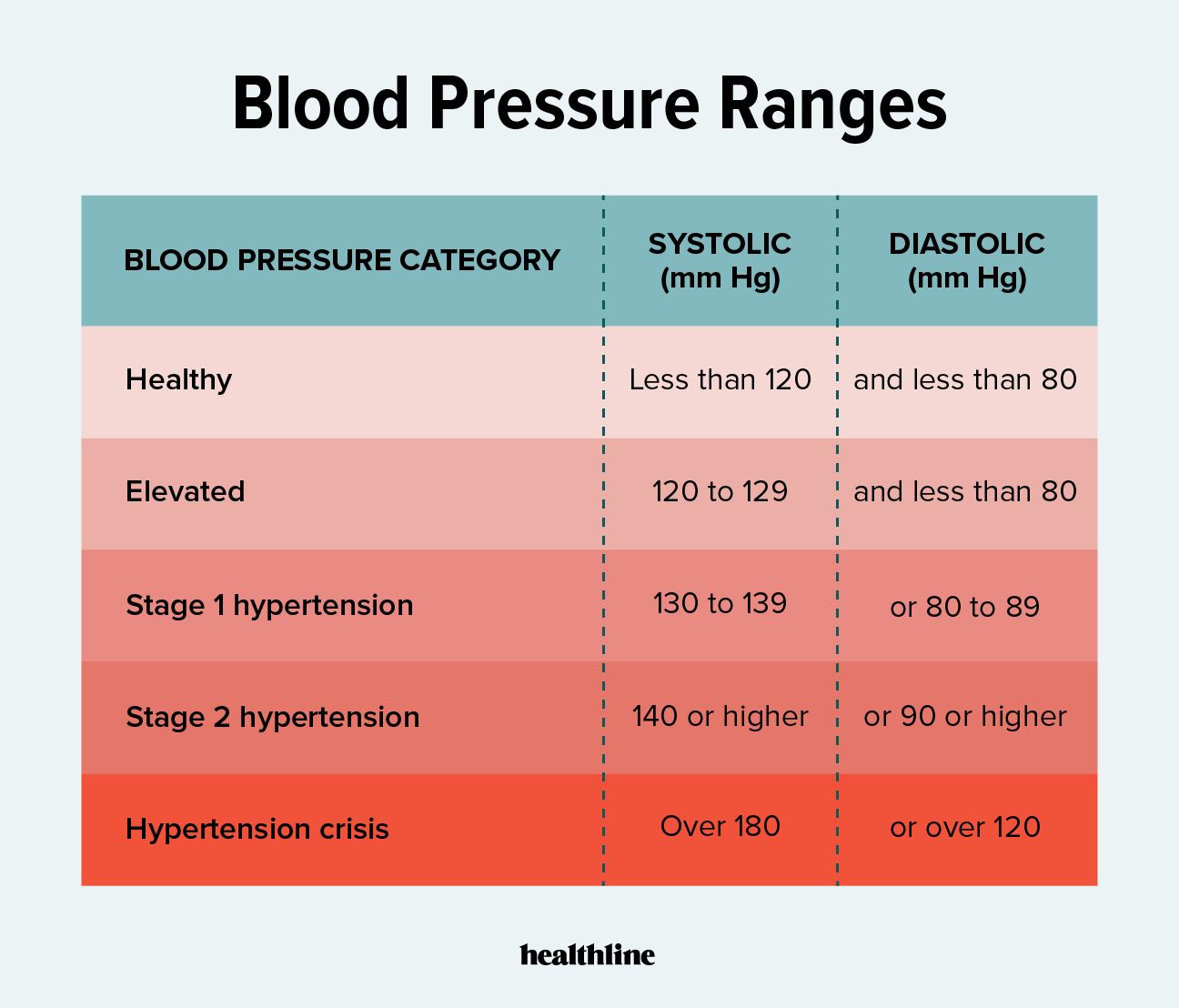
In the rapidly evolving landscape of HealthTech, the metrics we once read on a manual mercury gauge have been transformed into complex data points analyzed by sophisticated algorithms. Among these metrics, the diastolic blood pressure reading—often abbreviated as “DIA” on digital monitors—stands as a critical indicator of cardiovascular health. While the “SYS” (systolic) represents the pressure during a heartbeat, the “DIA” measures the pressure in your arteries when your heart rests between beats.
Understanding “what is blood pressure DIA” in a modern context requires looking beyond the biological definition. It necessitates an exploration of the sensors, software, and artificial intelligence that allow us to track this baseline pressure with unprecedented precision. From wearable rings to cloud-integrated hospital systems, the technology behind the “DIA” reading is a testament to the power of digital innovation in personal wellness.
Understanding the ‘DIA’ in the Digital Age
The transition from mechanical measurement to digital interpretation has fundamentally changed how we interact with our health data. In the past, measuring diastolic pressure required a trained ear and a stethoscope to listen for the “Korotkoff sounds.” Today, the process is handled by high-fidelity pressure transducers and microprocessors.
Defining Diastolic Pressure through Data
In technical terms, diastolic blood pressure represents the minimum pressure in the arterial system. From a data perspective, it is the “baseline” or the floor of a cyclical waveform. For engineers developing health software, capturing an accurate DIA reading is often more challenging than capturing the systolic peak. This is because the signal is quieter and more susceptible to “noise”—electronic interference or minor physical movements by the user.
The Shift from Mechanical to Digital Sphygmomanometers
The evolution of the blood pressure monitor (sphygmomanometer) has moved through three distinct phases: manual, semi-automated, and fully integrated smart tech. Modern digital monitors utilize a method known as oscillometry. Unlike the manual method, which relies on sound, digital devices measure the vibrations (oscillations) of the blood flowing through the artery. The software then uses proprietary mathematical models to calculate where the diastolic pressure sits based on the magnitude of these oscillations.
The Engineering Behind the Measurement: Sensors and Algorithms
When a user sees their “DIA” result on a smartphone app or a digital cuff, they are looking at the end product of an intense computational process. The hardware-software synergy required to produce a stable reading is a marvel of modern engineering.
Oscillometric Sensors and Algorithm Logic
The core of a digital blood pressure monitor is the pressure sensor, a MEMS (Micro-Electro-Mechanical Systems) device that converts physical pressure into electrical signals. As the cuff deflates, the sensor captures a stream of data. The software’s algorithm looks for the point where the oscillations begin to level off.
Different tech companies—such as Omron, Withings, or Fitbit—use different “envelope” algorithms to determine the DIA. These algorithms are designed to filter out artifacts, such as a user coughing or a slight shift in arm position, ensuring that the final number displayed is a true reflection of the resting arterial pressure.
Photoplethysmography (PPG) and Wearable Integration
One of the most exciting trends in Tech is the move toward cuffless monitoring. Using Photoplethysmography (PPG) sensors—the same green or red lights found on the back of smartwatches—engineers are working to estimate DIA through “Pulse Arrival Time” (PAT).
By measuring the time it takes for a pulse wave to travel from the heart to the wrist, and combining that with AI-driven analysis of the pulse’s shape, technology can now provide a trend-based view of blood pressure. While still seeking the “gold standard” of cuff-based accuracy, these PPG-driven DIA readings offer a continuous stream of data that was previously impossible to obtain outside of a clinical setting.
AI and Predictive Analytics in Cardiovascular Health

The true power of modern health technology lies not just in capturing a single “DIA” reading, but in what the software does with that data over time. Artificial Intelligence and Machine Learning (ML) are now being applied to diastolic data to predict health outcomes before they become emergencies.
Machine Learning Models for Hypertension Prediction
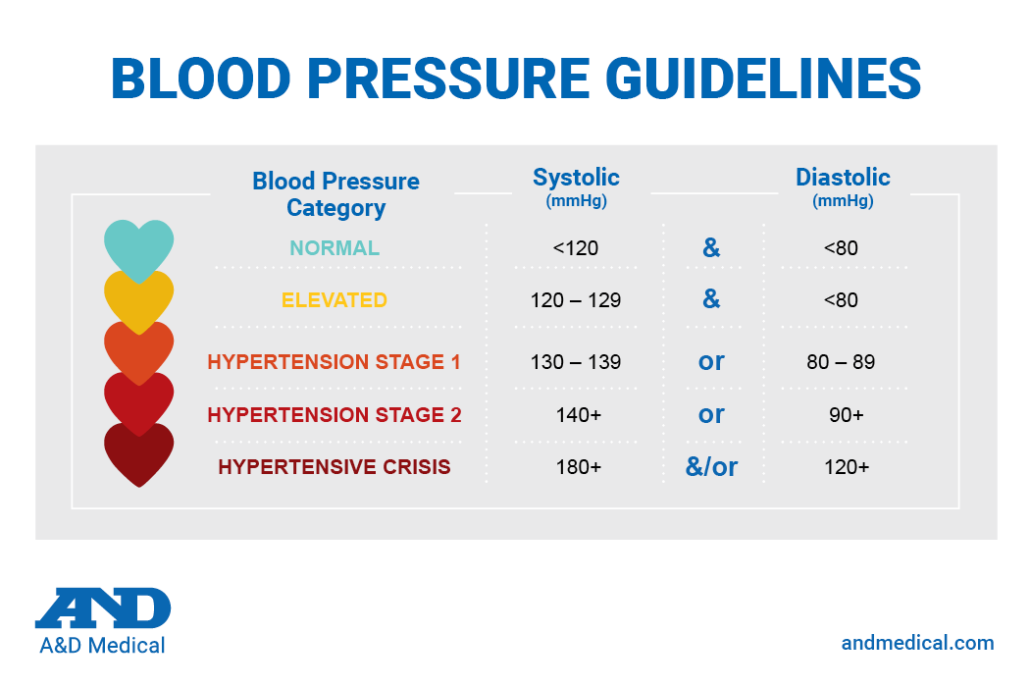
A single DIA reading of 80 mmHg is a snapshot. However, 1,000 readings mapped over six months create a dataset. AI models can analyze these datasets to identify “nocturnal dipping” or “white-coat hypertension.” By training ML models on millions of anonymous heart profiles, tech platforms can now alert users if their DIA trends suggest the early onset of arterial stiffness or chronic hypertension. This shift from reactive to proactive monitoring is a direct result of advancements in cloud computing and big data.
Real-Time Data Syncing and Cloud Diagnostics
The “DIA” reading on a device is no longer siloed. Through APIs and Bluetooth Low Energy (BLE) syncing, this data is instantly uploaded to health ecosystems like Apple HealthKit, Google Fit, or proprietary hospital dashboards. This interoperability allows for “Telehealth 2.0,” where a high diastolic reading can trigger an automated alert to a physician’s office, allowing for immediate digital intervention. The tech infrastructure behind this involves complex encryption and data normalization to ensure that information from a “Brand A” device can be read correctly by “Brand B” hospital software.
The Future of Remote Patient Monitoring (RPM)
As we look toward the future, the “DIA” metric will become a cornerstone of the Internet of Medical Things (IoMT). Remote Patient Monitoring (RPM) is the next frontier, where technology bridges the gap between the home and the clinic.
IoT and the Connected Health Ecosystem
In an IoT-enabled world, your blood pressure monitor is just one node in a larger network. Future tech aims to correlate DIA readings with other variables like sleep quality (from smart mattresses), sodium intake (from smart kitchen scales), and stress levels (from galvanic skin response sensors). By aggregating this data, software can provide a “holistic health score,” explaining why your diastolic pressure might be elevated on a particular Tuesday morning—perhaps due to poor sleep or high environmental stress detected by your smart home system.
Ensuring Data Security in Personal Health Tech
With the rise of connected “DIA” monitoring comes the critical challenge of digital security. Health data is among the most sensitive information a person owns. Tech companies are now implementing end-to-end encryption and blockchain-based ledgers to ensure that blood pressure logs cannot be tampered with or accessed by unauthorized parties. As health tech becomes more integrated into our lives, the “Security of the Pulse” becomes as important as the accuracy of the sensor itself.
Choosing the Right Tech: A Consumer Guide to DIA Accuracy
For those looking to leverage technology to monitor their diastolic pressure, the market is flooded with options. However, not all tech is created equal. Navigating the specs requires an understanding of digital validation and hardware limitations.
Validation Protocols and ISO Standards
When evaluating a new gadget, tech-savvy consumers should look for clinical validation. This isn’t just a marketing term; it refers to whether the device’s software has been tested against the high standards of the Association for the Advancement of Medical Instrumentation (AAMI) or the European Society of Hypertension. Devices that meet these standards ensure that the “DIA” number you see on the screen is within a 5 mmHg margin of error compared to a clinical-grade manual reading.
Smart Cuff vs. Smartwatch: Understanding the Trade-offs
Currently, there is a technological divide between the “Smart Cuff” and the “Smartwatch.”
- Smart Cuffs: Use traditional oscillometric tech. They are highly accurate for DIA because they physically occlude the artery.
- Smartwatches/Rings: Use PPG and AI estimation. They are superior for “trend monitoring” and convenience but may struggle with absolute accuracy in DIA readings due to the lack of physical pressure.
The professional recommendation in the tech community is often a hybrid approach: using a validated smart cuff for a “gold standard” daily reading and a wearable for continuous monitoring to catch spikes or anomalies throughout the day.
Conclusion: The Intersection of Biology and Bitrate
What is blood pressure DIA? It is more than a measurement of arterial rest; it is a vital sign that has been digitized for the modern era. Through the lens of technology, the DIA reading represents the successful integration of MEMS sensors, complex oscillometric algorithms, and AI-driven predictive analytics.
As software continues to eat the world of healthcare, our ability to monitor, analyze, and act upon our diastolic pressure will only improve. We are moving toward a future where “DIA” is not just a number on a screen, but a personalized health insight delivered in real-time, powered by the most advanced technology humanity has ever developed. Whether through a cuff, a watch, or an invisible sensor in our environment, the tech behind the pulse is ensuring a healthier, data-driven future for us all.
aViewFromTheCave is a participant in the Amazon Services LLC Associates Program, an affiliate advertising program designed to provide a means for sites to earn advertising fees by advertising and linking to Amazon.com. Amazon, the Amazon logo, AmazonSupply, and the AmazonSupply logo are trademarks of Amazon.com, Inc. or its affiliates. As an Amazon Associate we earn affiliate commissions from qualifying purchases.