
In an age defined by data and digital connectivity, even the most tangible assets, like our vehicles, are deeply intertwined with sophisticated information systems. The Vehicle Identification Number (VIN) stands as a testament to this reality – a unique 17-character alphanumeric code that serves as the digital fingerprint of your car. Far more than just a serial number, the VIN is a gateway to a wealth of information, enabling owners, mechanics, and regulators to pinpoint exact specifications, trace histories, and, critically for many, determine the precise engine configuration nestled under the hood. For anyone looking to understand the core mechanical heart of their automobile, the VIN is not just a sequence of characters; it’s a powerful data key, unlocked through an array of technological tools and digital platforms.
Understanding what engine powers your vehicle, accessible directly through its VIN, is an essential inquiry for myriad reasons, from routine maintenance and parts procurement to performance tuning and even assessing potential upgrades. In the vast landscape of automotive engineering, where countless variations of engines exist across different makes, models, and even within the same model year, relying on guesswork or generic descriptions can lead to costly errors and inefficiencies. This is where technology steps in, transforming a seemingly complex task into a straightforward data retrieval process. By leveraging online databases, specialized software, and mobile applications, the once-niche domain of VIN decoding has become accessible to everyone, empowering car owners with precise, actionable information about their vehicle’s most vital component. This article delves into the technological underpinnings of VINs, exploring the digital tools available for decoding them, and highlighting the broader implications of this powerful identifier in the modern automotive ecosystem.
The VIN: A Digital Fingerprint for Your Vehicle
At its core, the Vehicle Identification Number (VIN) is a standardized alphanumeric identifier assigned to every motor vehicle. Adopted globally by manufacturers, the 17-character VIN system provides a consistent method for tracking and identifying vehicles, ensuring that each car, truck, or motorcycle has a unique digital signature. This seemingly simple string of characters is, in fact, a meticulously structured data set, encoding vital information about the vehicle’s origin, specifications, and features. Without this standardized system, the task of accurately identifying a vehicle’s engine, let alone its manufacturing details or recall status, would be monumentally complex and prone to error across international borders and diverse manufacturing practices.
Decoding the VIN Structure
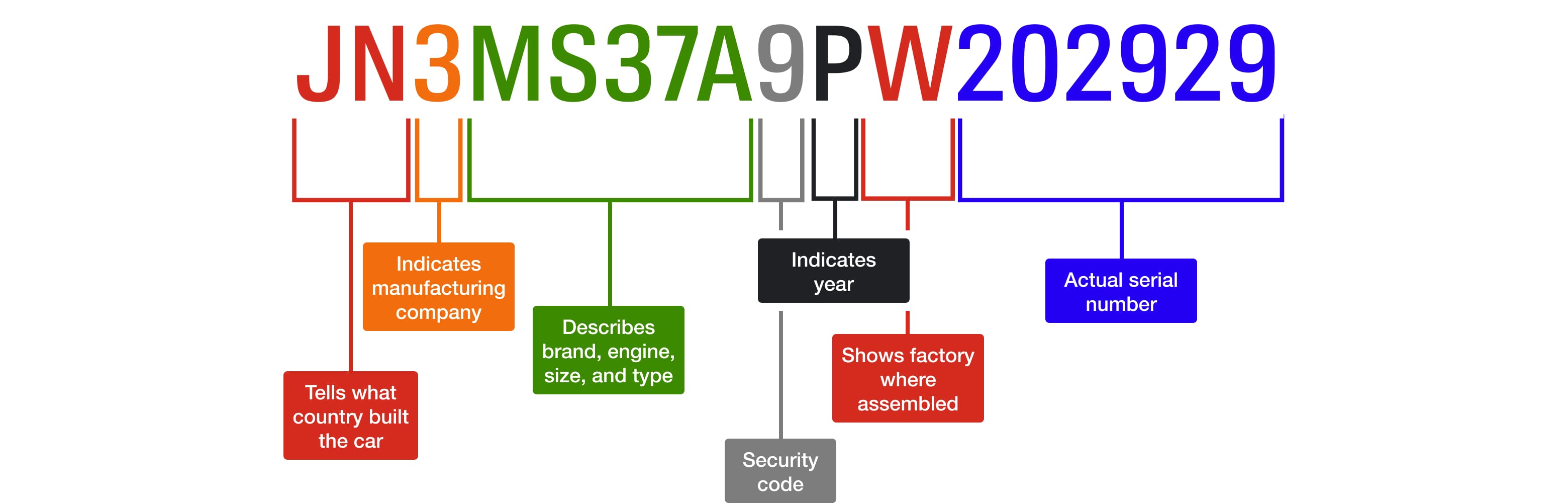
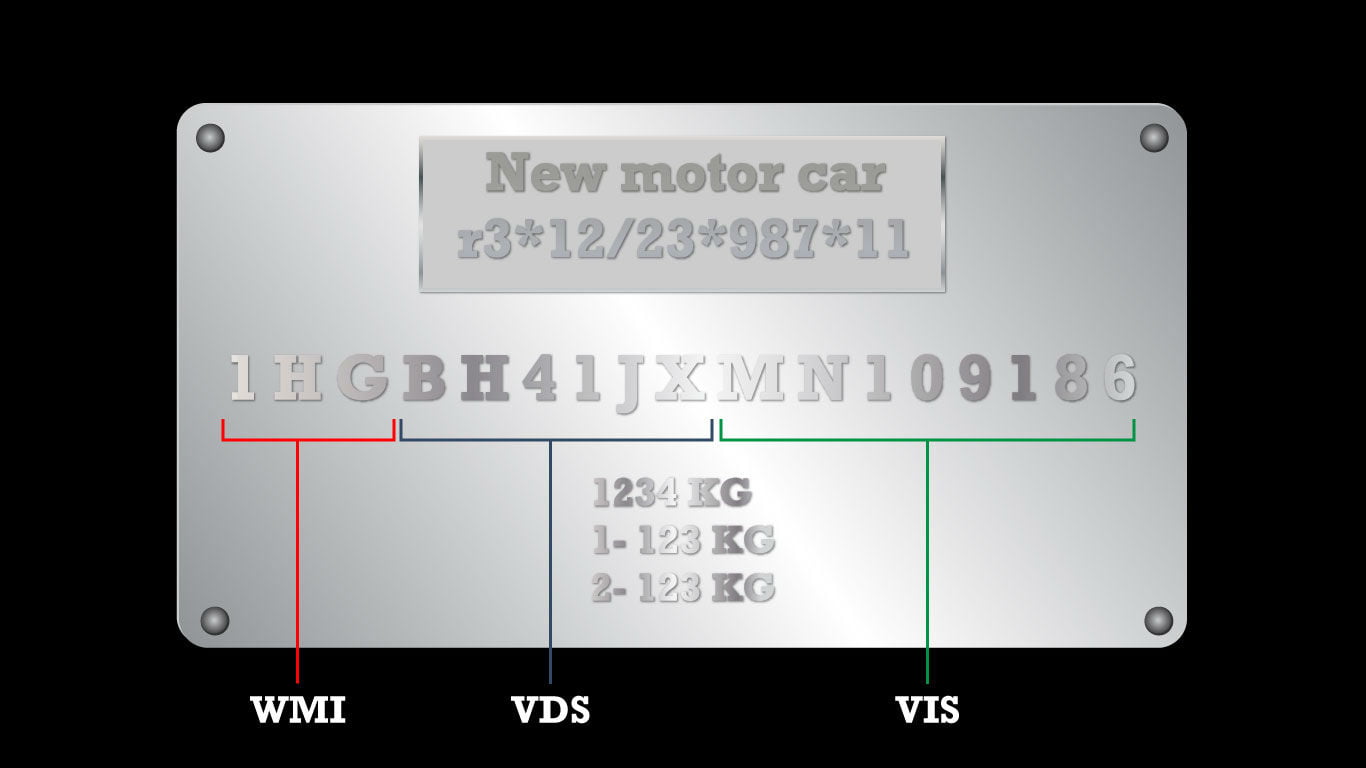
The VIN is not a random assortment of letters and numbers; it adheres to a global standard (ISO 3779), ensuring consistency across all manufacturers. It is divided into three distinct sections, each revealing specific data points. The first section, the World Manufacturer Identifier (WMI), consists of the first three characters and identifies the country of origin and the manufacturer. For example, “1G” denotes a US-built General Motors vehicle, while “W” typically points to Germany.
The second section, known as the Vehicle Descriptor Section (VDS), occupies characters four through nine. This segment is where the bulk of the vehicle’s descriptive information resides. Manufacturers use these six positions to encode details such as body type, restraint system, series, model, and crucially, the engine type. While the specific coding within the VDS can vary between manufacturers, it is universally designed to provide detailed insights into the vehicle’s inherent attributes. The ninth digit is often a check digit, used to verify the authenticity of the VIN and prevent fraudulent entries.
Finally, the Vehicle Indicator Section (VIS) comprises the last eight characters. This section uniquely identifies the individual vehicle. The first character typically indicates the model year (e.g., ‘A’ for 2010, ‘B’ for 2011, ‘L’ for 2020, etc.), followed by the manufacturing plant code. The remaining six digits are the unique sequential production number assigned by the manufacturer. Together, these 17 characters create a comprehensive digital profile, making each vehicle traceable and its core specifications, including its engine, easily verifiable through technological means.
The Importance of VIN Data
The meticulous structuring of the VIN underscores its paramount importance in the automotive world. For car owners, knowing how to decode their VIN provides a direct channel to accurate information, eliminating reliance on owner’s manuals that might be missing or generic model descriptions. This precision is invaluable when ordering replacement parts, particularly for engine components, where even minor variations can render a part incompatible. Mechanics rely on VINs to quickly access service bulletins, recall information, and factory specifications relevant to a specific vehicle, streamlining diagnostics and repairs.
Beyond individual ownership, VIN data forms the backbone of numerous critical systems. It facilitates accurate vehicle registration and titling by government agencies, helping to combat theft and illicit vehicle transactions. Insurance companies use VINs to assess risk and determine premiums, linking specific vehicle features and safety ratings to policy costs. The structured data embedded within each VIN allows for the seamless integration of vehicle information into vast databases, supporting everything from traffic safety research to supply chain management for parts manufacturers. In essence, VIN data acts as a universal translator, enabling disparate stakeholders across the automotive ecosystem to communicate and operate with a unified, verifiable source of truth.
How VINs Drive Automotive Data Ecosystems
The VIN is not merely a static identifier; it is a dynamic data point that powers intricate automotive data ecosystems. When a vehicle is manufactured, its VIN is entered into various databases, and throughout its lifecycle, more data points are associated with it. From factory-installed options and trim levels to service records, accident histories, and recall notifications, a wealth of information is continually linked to that unique 17-character code. This aggregation of data, all indexed by the VIN, forms the foundation for powerful analytical tools and services.
Modern automotive platforms, ranging from used car marketplaces to fleet management systems, leverage VIN data extensively. For instance, when you browse a used car online, the detailed specifications, previous owner reports, and maintenance histories presented are almost universally retrieved by querying a database with the vehicle’s VIN. Telematics systems, increasingly common in newer vehicles, can transmit operational data that is then associated with the VIN, providing insights into driving patterns, vehicle health, and more. This interconnected web of data, all orbiting the VIN, exemplifies how technology transforms raw identifiers into actionable intelligence, driving innovation and efficiency across the entire automotive industry.
Leveraging Technology for VIN Decoding
The process of extracting specific information from a VIN, such as the engine type, has been profoundly democratized by technology. What was once a specialized task requiring manufacturer-specific codes and manuals is now accessible to anyone with an internet connection or a smartphone. A range of digital tools and platforms has emerged, each designed to make VIN decoding swift, accurate, and user-friendly, transforming complex data into understandable insights.
Online VIN Decoders and Databases
The most common and accessible method for decoding a VIN is through online VIN decoders. Numerous websites offer free or premium services that, upon entering a 17-character VIN, instantly retrieve a comprehensive report on the vehicle. These platforms tap into extensive databases that cross-reference VINs with manufacturer specifications, government records, and proprietary data sets. When you input your VIN, the decoder parses each segment, cross-referencing the WMI, VDS, and VIS against its vast repository of information.
The output typically includes not only the engine type (e.g., 2.0L Turbo I4, 3.5L V6, 5.7L HEMI V8) but also details such as the fuel type, horsepower, transmission type, body style, trim level, color, and sometimes even original factory options. These online tools are continuously updated to include new models and revisions to manufacturer coding, ensuring their accuracy. Their ease of use and immediate results make them an invaluable resource for owners, prospective buyers, and anyone needing quick, reliable vehicle data.
Mobile Apps for On-the-Go Information
The proliferation of smartphones has extended VIN decoding capabilities directly into the hands of users, wherever they are. A variety of mobile applications, available on both iOS and Android platforms, offer specialized VIN scanning and decoding features. Many of these apps incorporate optical character recognition (OCR) technology, allowing users to simply point their phone’s camera at a VIN (typically found on the dashboard or door jamb), and the app automatically reads and processes the code.
This “scan-and-decode” functionality is particularly convenient for mechanics in a garage, individuals inspecting a car at a dealership or private sale, or anyone needing quick access to vehicle data without manually typing out the VIN. Beyond basic decoding, many apps integrate additional features such as recall alerts, maintenance logs, and even estimated market values, all tied back to the VIN. These mobile solutions exemplify how technology can streamline information access, making complex automotive data readily available in real-time.
Professional Diagnostic Tools and Software
For automotive professionals, the integration of VIN decoding into advanced diagnostic tools and software is a critical component of their workflow. Modern diagnostic scanners, often equipped with OBD-II (On-Board Diagnostics) connectivity, can automatically read the VIN directly from the vehicle’s onboard computer system. Once read, this software can then access manufacturer-specific databases to pull up highly detailed information pertinent to that exact vehicle.

This includes not only the engine type but also specific engine codes, recommended service intervals, wiring diagrams, and diagnostic trouble code (DTC) explanations tailored to the vehicle’s precise specifications. The software can then use this VIN-derived data to guide technicians through troubleshooting steps, program replacement modules, or calibrate sensors. The depth of information available through these professional-grade tools, all initiated by the VIN, significantly enhances diagnostic accuracy and repair efficiency, showcasing the VIN’s role as a linchpin in advanced automotive technology.
API Integrations for Developers and Businesses
Beyond individual users, the power of VIN decoding is extensively leveraged by businesses and developers through Application Programming Interfaces (APIs). VIN decoding APIs allow software applications, websites, and business systems to programmatically submit a VIN and receive structured data in return. This enables a vast array of services and platforms to integrate VIN data seamlessly into their operations.
For example, an online auto parts retailer can use a VIN API to automatically filter parts inventory, ensuring customers only see components compatible with their specific engine type. Insurance companies can integrate VIN APIs into their quoting systems to instantly pull up vehicle specifications for accurate premium calculations. Fleet management solutions use VIN APIs to onboard vehicles and track their maintenance needs. Even advanced analytics platforms use VIN data to build comprehensive profiles of vehicle populations. This programmatic access to VIN data is a cornerstone of the modern automotive digital economy, driving efficiency and powering a new generation of data-driven services and applications.
Beyond Engine Identification: A World of Data from Your VIN
While identifying the engine type is a primary use case, the VIN’s technological utility extends far beyond this singular purpose. The comprehensive data encapsulated within and linked to a VIN opens a portal to a wealth of information, empowering consumers and professionals with insights into every aspect of a vehicle’s life cycle. It serves as the master key to a vehicle’s digital identity, revealing details that impact safety, performance, regulatory compliance, and overall value.
Vehicle Specifications and Features
A full VIN decode goes far beyond just the engine. It provides an exhaustive list of a vehicle’s original factory specifications and features. This includes the make, model, year, trim level, transmission type, body style, and even specific options packages (e.g., premium sound systems, sunroofs, advanced driver-assistance systems). This level of detail is invaluable for a variety of users. For a potential buyer, it confirms whether the vehicle’s advertised features match its factory-installed equipment. For an owner, it’s a definitive source for understanding their car’s exact configuration when troubleshooting or considering modifications. Tech enthusiasts can delve into the specific versions of infotainment systems, digital dashboards, and connectivity modules that were factory-fitted, understanding their capabilities and limitations.
Recall Information and Service History
One of the most critical applications of VIN data is its role in vehicle safety and maintenance. Government agencies and manufacturers use the VIN to track and disseminate recall information. By entering a VIN into official databases (like the NHTSA website in the US), owners can instantly determine if their specific vehicle is subject to any open safety recalls. This direct link to recall data is a technological safeguard, ensuring that critical safety issues are communicated to the exact vehicles affected. Furthermore, a VIN can often be used to access partial or full service histories, detailing past repairs, maintenance schedules, and even accident reports. This data, often compiled by third-party services that aggregate information from dealerships, insurance companies, and repair shops, offers unprecedented transparency into a vehicle’s past, aiding in informed decision-making for buyers and owners.
Emissions Standards and Regulatory Compliance
In an era of increasing environmental awareness and stricter regulations, the VIN plays a crucial role in ensuring vehicles meet emissions standards and comply with various governmental mandates. The VIN often encodes information relating to the vehicle’s emissions certification (e.g., California emissions vs. federal emissions), which can vary significantly and impact where a vehicle can be legally registered or sold. For mechanics, accessing this data via the VIN ensures they are performing emissions-related repairs and diagnostics according to the correct standards. For regulators, VIN data forms the basis for tracking compliance across vehicle fleets, supporting initiatives to reduce pollution and improve air quality. This technical linkage between a vehicle’s unique identifier and its environmental compliance data is a powerful example of how digital identifiers underpin complex regulatory frameworks.
Enhanced Vehicle Analytics for Decision Making
The aggregated data accessible via VIN decoding platforms empowers advanced analytics, transforming raw vehicle information into actionable insights for various stakeholders. Businesses, such as car dealerships, use VIN-derived data to assess inventory value, predict demand for specific models or configurations, and optimize pricing strategies. Insurance companies analyze VIN data in conjunction with accident statistics to refine risk models and offer personalized premiums. Financial institutions use VIN data for vehicle valuations in lending decisions. Even individual consumers can leverage these analytical capabilities, for example, by comparing their car’s specifications and market value, derived from its VIN, against similar vehicles to make informed decisions about selling or trading in their vehicle. The ability to pull detailed, verified data on a specific vehicle through its VIN forms the bedrock of these sophisticated analytical tools, enabling more precise and data-driven decision-making across the entire automotive value chain.
Best Practices for Using VIN Data Securely and Effectively
While the technological convenience of VIN decoding is undeniable, it’s essential to approach its use with a mindset of best practices, focusing on data accuracy, security, and privacy. The wealth of information linked to a VIN, while beneficial, also necessitates careful handling and a critical assessment of the tools employed for its retrieval.
Choosing Reliable VIN Decoding Platforms
Not all VIN decoding services are created equal. When seeking engine information or broader vehicle details, it’s crucial to select reputable online platforms or mobile apps. Prioritize services that clearly state their data sources, often drawing from official manufacturer databases, government agencies, or well-established automotive data providers. Look for platforms with strong reviews and a history of accuracy. While free decoders are excellent for basic information, for comprehensive reports (e.g., full service history, accident reports), a paid service from a trusted provider might offer greater depth and reliability.
Understanding Data Accuracy and Limitations
Even with reliable platforms, it’s important to understand the inherent limitations of VIN data. The VIN provides factory-original specifications. However, a vehicle’s components, including its engine, might have been modified or replaced since it left the factory. While less common for major components like the engine block itself, accessories or sub-systems could change. Therefore, VIN data should always be considered a primary source but ideally cross-referenced with a physical inspection of the vehicle when possible, especially for critical purchases or repairs. Additionally, historical data, like service records, often depends on information being consistently reported and compiled, and gaps can occur.
Privacy Concerns and VIN Disclosure
The public nature of VINs means they are not considered private information in the same way personal identifiers are. They are often visible on vehicle dashboards and readily accessible. However, the aggregation of VIN data with other personal or vehicle usage information can raise privacy concerns. While determining your engine type is a benign use, be mindful of sharing your VIN with unknown or unverified parties, especially if they request other personal details. Reputable services are transparent about their data handling and privacy policies. Always ensure you are comfortable with how your VIN data might be used or stored when utilizing third-party services.
Future Trends in VIN Technology and Vehicle Data
The evolution of VIN technology is far from over. As vehicles become increasingly connected and autonomous, the role of the VIN as a data aggregator is set to expand. We can anticipate even deeper integration of VINs with blockchain technology for immutable service records, advanced telematics for real-time diagnostics and predictive maintenance tied directly to the VIN, and enhanced cybersecurity measures to protect VIN-linked vehicle data. The ongoing development of smart cities and intelligent transportation systems will also lean heavily on VIN-based data for traffic management, infrastructure planning, and emergency response. The VIN will continue to be the digital linchpin, connecting individual vehicles to a vast, intelligent network, underscoring its enduring significance in the technological landscape of the automotive world.
In conclusion, the simple question, “what engine is in my car by VIN,” unlocks a sophisticated journey into the realm of automotive technology. The VIN, a masterpiece of digital identification, empowers owners and professionals alike with precise, verifiable data, streamlining everything from parts procurement to complex diagnostics. As vehicles continue their march into an even more connected future, the VIN will remain at the forefront, an indispensable digital key to understanding and managing the intricate machines that drive our world.
aViewFromTheCave is a participant in the Amazon Services LLC Associates Program, an affiliate advertising program designed to provide a means for sites to earn advertising fees by advertising and linking to Amazon.com. Amazon, the Amazon logo, AmazonSupply, and the AmazonSupply logo are trademarks of Amazon.com, Inc. or its affiliates. As an Amazon Associate we earn affiliate commissions from qualifying purchases.