
In the lexicon of public discourse, the term “impeachment” is almost exclusively associated with high-level politics and constitutional law. However, when we pivot to the world of high-stakes finance, institutional investing, and corporate strategy, the concept of “impeaching” leadership takes on a different—yet equally consequential—meaning. In the financial sector, “impeachment” is the functional equivalent of a vote of no confidence, a shareholder revolt, or the formal removal of a high-ranking executive for a breach of fiduciary duty.
Understanding what it means to “impeach” a leader within a business framework is essential for investors, entrepreneurs, and financial analysts. It represents the ultimate check and balance within a capitalist ecosystem, ensuring that those who manage capital remain accountable to those who provide it. This article explores the mechanics of corporate removal, the financial implications of leadership upheaval, and how investors can protect their portfolios from the fallout of a governance crisis.
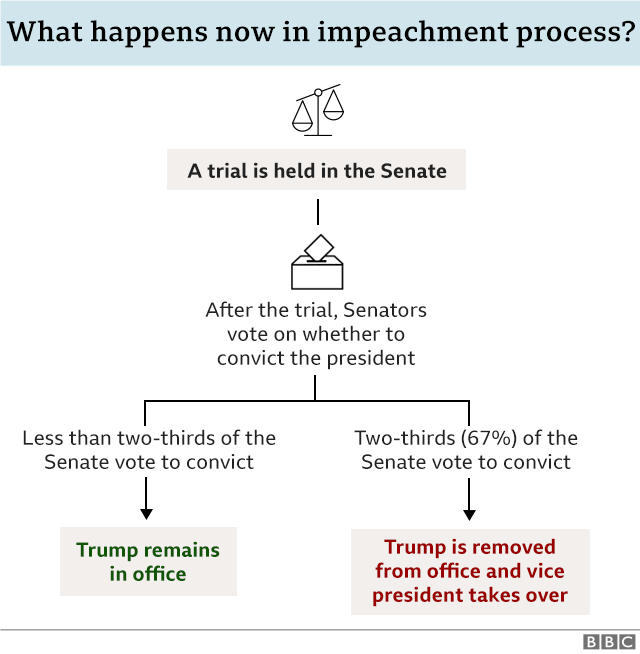
The Mechanics of “Impeachment” in the Business World
While a CEO isn’t “impeached” in a courtroom in the same way a political figure might be, the process of removing a leader for cause or underperformance follows a rigorous legal and financial protocol. In the world of money, accountability is dictated by the bylaws of the corporation and the governing laws of the jurisdiction in which the company is incorporated.
Defining Corporate Accountability and Fiduciary Duty
At the heart of any corporate removal process is the concept of fiduciary duty. Executives and board members are legally obligated to act in the best interests of the shareholders. This duty is split into two main categories: the duty of care and the duty of loyalty.
When a leader is “impeached”—or forced out—it is usually because they have failed in one of these areas. The duty of care requires leaders to make informed, prudent decisions. The duty of loyalty demands that they put the company’s interests above their own. When an executive uses company funds for personal gain or engages in gross negligence that devalues the stock, the “impeachment” process begins.
The Role of the Board of Directors vs. the Shareholder
In a standard corporate structure, the Board of Directors acts as the “House of Representatives” and “Senate” combined. They have the primary authority to hire and fire the CEO. However, when the board is perceived as being too close to the executive—a phenomenon known as “regulatory capture” within a firm—the shareholders may step in.
Shareholders exercise their “impeachment” power through special meetings and proxy solicitations. If a majority of shareholders believe the current leadership is destroying value, they can vote to “declassify” the board or remove directors who refuse to act. This is the financial world’s version of a trial: evidence of mismanagement is presented, and the “jurors” (the investors) vote with their shares.
The Financial Fallout: How Markets React to Leadership Challenges
The moment the word “impeachment” or “removal” is whispered in the hallways of a Fortune 500 company, the markets react. For an investor, these periods of transition represent both a significant risk and a potential opportunity.
The Immediate Volatility Effect
Markets loathe uncertainty. When a CEO is forced out due to scandal or poor performance, the stock price often experiences an immediate “gap down.” This volatility is driven by institutional algorithms and high-frequency traders reacting to the news. The “impeachment” of a leader often triggers a re-evaluation of the company’s future earnings, debt covenants, and overall stability.
However, the nature of the “impeachment” determines the direction of the price. If a CEO was viewed as a visionary (e.g., Steve Jobs), their removal might lead to a long-term decline. Conversely, if a CEO was perceived as the primary obstacle to growth (as seen in many recent activist-led removals), the “impeachment” can actually cause the stock price to surge, as the market “prices in” the potential for better management.
Long-Term Recovery and Brand Valuation
Beyond the immediate stock price, the financial “impeachment” of a leader impacts the company’s cost of capital. A company in the midst of a leadership crisis may see its credit rating downgraded, making it more expensive to borrow money.
Furthermore, the brand’s “intangible value” is at stake. In modern finance, a significant portion of a company’s market capitalization is tied to its reputation. If a leader is removed for ethical lapses, the company may have to spend millions—or even billions—on rebranding and legal settlements, which directly impacts the bottom line and dividend payouts for years to come.
Shareholder Activism: The Modern “Impeachment” Power
In the last decade, the concept of corporate impeachment has been weaponized by a specific class of investors: the Activist Hedge Fund. These entities specialize in identifying companies that are undervalued due to poor leadership and “impeaching” the status quo to unlock value.
Proxy Contests and Voting Rights
An activist investor doesn’t just sell their shares if they are unhappy; they buy more. Once they have a significant stake, they launch a “proxy contest.” This is the most formal version of corporate impeachment. The activist proposes their own slate of directors to replace the incumbents.
This process involves intense marketing campaigns directed at other shareholders, including massive pension funds and mutual funds like BlackRock or Vanguard. The “trial” takes place in the media and in the quarterly earnings calls, where the activist presents a “white paper” detailing why the current leadership must be “impeached” for the financial health of the firm.
The Rise of the ESG Mandate
Environmental, Social, and Governance (ESG) criteria have added a new layer to the “impeachment” process. Today, a leader can be removed not just for poor financial returns, but for failing to meet social or environmental benchmarks. Institutional investors now use ESG scores to determine if a leadership team is “fit for office.” This shift has democratized the power of impeachment, as even small retail investors can join movements to oust leaders who do not align with modern ethical standards, provided they can aggregate their voting power.
Protecting Your Portfolio from Governance Risks
For the individual investor, a corporate “impeachment” can be a “black swan” event—an unpredictable occurrence with massive consequences. However, by understanding the signs of a leadership crisis, one can mitigate the financial damage.
Analyzing Leadership Stability and Incentives
To protect your money, you must look beyond the balance sheet and examine the proxy statement (Form DEF 14A in the U.S.). This document reveals how much the executives are getting paid and, more importantly, how they are getting paid.
If an executive’s compensation is not tied to long-term performance, or if they are selling off their own shares in large quantities, the risk of a “forced removal” or “impeachment” scenario increases. High “insider selling” is often a precursor to a governance crisis. Investors should look for “skin in the game”—leaders whose personal wealth is tied to the success of the shareholders.
Diversification as a Shield Against Governance Failure
No matter how much due diligence you perform, you cannot always predict a scandal that leads to a leadership “impeachment.” This is why diversification remains the most potent tool in personal finance. By spreading capital across different sectors and management styles, the “impeachment” of a single CEO at one company will not derail your entire financial future.
Furthermore, many investors are turning to “Governance-focused ETFs.” These funds specifically select companies with high governance scores, effectively outsourcing the “impeachment” monitoring to professional analysts who ensure that only the most stable and accountable leadership teams remain in the portfolio.

Conclusion
What does it mean to “impeach” in the world of money? It means the enforcement of accountability. It is the process by which the owners of capital—the shareholders—reclaim control from those who have mismanaged it. Whether it is through a board-led firing, a shareholder revolt, or an activist-led proxy battle, the “impeachment” of corporate leadership is a vital mechanism that keeps the wheels of the economy turning efficiently.
By understanding the mechanics of corporate governance, the triggers of market volatility, and the power of shareholder activism, investors can better navigate the complex waters of the financial markets. In the end, money follows good leadership, and “impeachment” is the necessary tool to ensure that only the best remain at the helm.
aViewFromTheCave is a participant in the Amazon Services LLC Associates Program, an affiliate advertising program designed to provide a means for sites to earn advertising fees by advertising and linking to Amazon.com. Amazon, the Amazon logo, AmazonSupply, and the AmazonSupply logo are trademarks of Amazon.com, Inc. or its affiliates. As an Amazon Associate we earn affiliate commissions from qualifying purchases.