
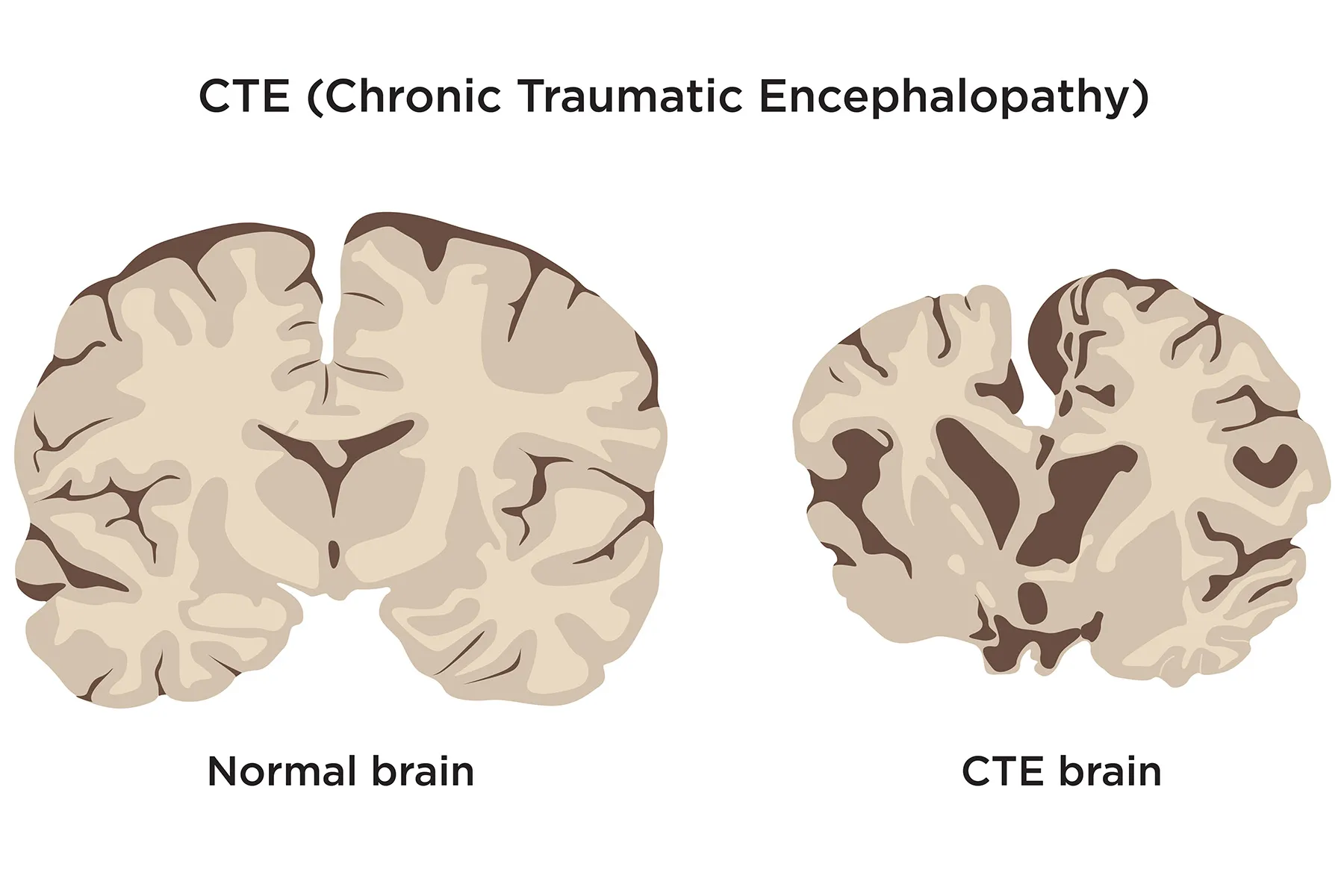
Chronic Traumatic Encephalopathy (CTE) was once a phantom of the medical world—a condition that could only be confirmed in the quiet halls of a morgue through a post-mortem examination. However, the intersection of neurology and high-end technology is rapidly changing this narrative. By leveraging breakthroughs in neuroimaging, artificial intelligence, and wearable sensors, the tech industry is providing the tools necessary to see what CTE actually “does” to the brain in real-time. This article explores the technological frontier of brain health, detailing the sophisticated systems designed to detect, analyze, and eventually mitigate the structural damage caused by repetitive head trauma.
The Digital Frontier of Neurodegeneration: Mapping the Brain’s Decline
For decades, the primary challenge of CTE was its invisibility. Unlike a broken bone or a tumor, the buildup of tau protein—the hallmark of CTE—doesn’t show up on a standard CT scan or a traditional MRI. The tech sector has responded by developing specialized imaging protocols that go beyond basic anatomy to map the brain’s micro-functions and chemical compositions.
Mapping Tau Protein via Molecular Imaging
The most significant technological leap in understanding what CTE does to the brain involves the development of specialized “tracers” for Positron Emission Tomography (PET) scans. Historically, PET scans were used for Alzheimer’s, but new experimental ligands, such as [18F]FDDNP, are being engineered to bind specifically to the p-tau proteins associated with CTE. This technology allows researchers to see the “tangles” that choke off neural pathways, effectively providing a heat map of degeneration within a living subject. By visualizing these clusters, tech-enabled diagnostics are identifying how the protein spreads from the frontal lobes to the deeper regions of the amygdala and hippocampus.
Diffusion Tensor Imaging (DTI) and White Matter Integrity
While PET scans look at protein, Diffusion Tensor Imaging (DTI) focuses on the “wiring.” DTI is an advanced MRI technique that tracks the movement of water molecules along the brain’s white matter tracts. When a brain suffers the kind of repetitive trauma that leads to CTE, these tracts become frayed or disconnected. Tech platforms today can process DTI data to create 3D “tractographies,” showing exactly where the structural integrity of the brain has failed. This allows clinicians to see the physical “breaks” in the neural network long before the patient displays behavioral symptoms like memory loss or aggression.
Artificial Intelligence and Predictive Neuropathology
As we gather more data through advanced imaging, the sheer volume of information becomes too complex for human analysis alone. This is where Artificial Intelligence (AI) and Machine Learning (ML) have become indispensable. AI is no longer just a buzzword in this space; it is the engine driving the early detection of neurodegenerative patterns.
Machine Learning Models for Early Detection
AI algorithms are currently being trained on massive datasets containing brain scans of both healthy individuals and those suspected of having CTE. By using convolutional neural networks (CNNs), these systems can identify subtle morphological changes in the brain’s cortex that might be missed by the human eye. These AI tools can calculate the rate of cortical thinning—a key indicator of CTE progression—and compare it against age-matched controls. The result is a predictive score that helps neurologists understand not just what the brain looks like now, but what it will look like in five years.
Big Data: Analyzing Decades of Impact Data
The “tech-ification” of CTE research also involves the use of Big Data analytics. Organizations are now aggregating longitudinal data that includes decades of impact history, genetic markers (such as the APOE4 gene), and clinical symptoms. By applying predictive analytics to this data, tech platforms can identify which specific “hit profiles” (frequency, velocity, and angle of impact) are most likely to trigger the biochemical cascade that leads to CTE. This transition from reactive medicine to predictive data science is the most significant shift in the history of the field.
Wearable Tech: Preventing the “Invisible” Injury
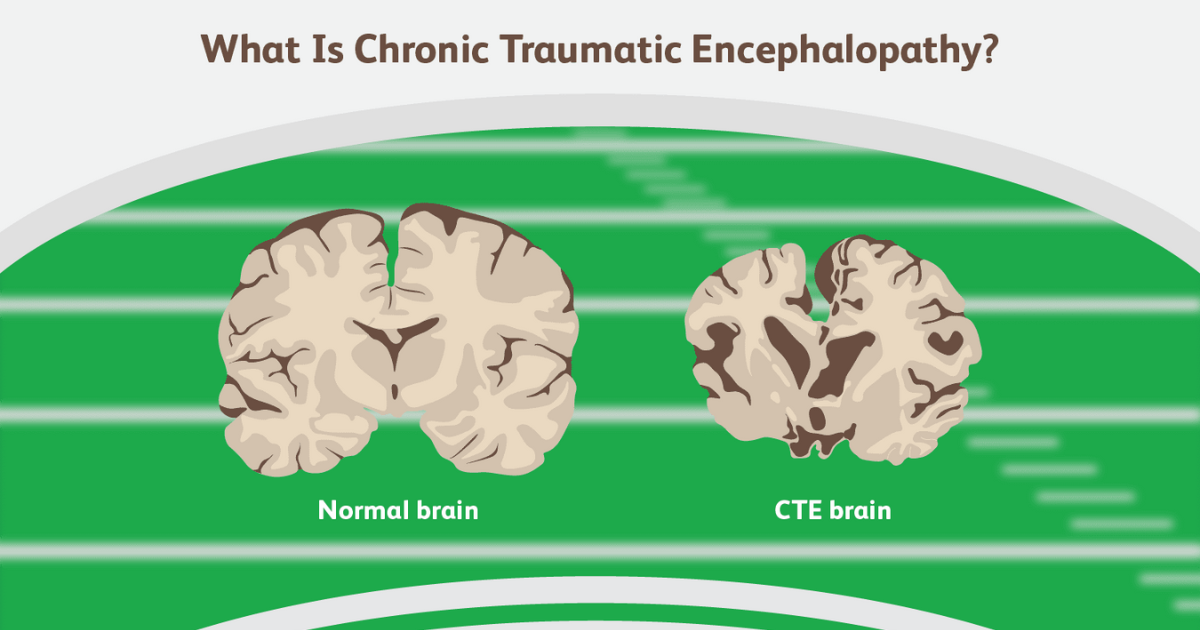
If imaging and AI are the tools for diagnosis, wearable technology is the tool for prevention and real-time monitoring. The goal is to capture the “mechanics of injury” at the exact moment of impact, providing a digital record of what the brain is enduring.
Smart Helmets and Real-Time G-Force Analytics
Modern sports technology has seen the rise of the “Smart Helmet.” These are equipped with multi-axis accelerometers and gyroscopes that measure the linear and rotational acceleration of every hit. This data is transmitted via Bluetooth to a sideline tablet, where software analyzes the G-force of the impact. Tech firms like Riddell and Q30 have pioneered systems that don’t just protect the skull, but quantify the “brain slosh”—the movement of the brain within the cerebrospinal fluid. By quantifying these forces, teams can identify “red zone” impacts that, while not causing a concussion, contribute to the cumulative load that leads to CTE.
Biometric Monitoring and the IoT of Athlete Safety
Beyond the helmet, the Internet of Things (IoT) has introduced mouthguards and patches equipped with sensors that track the physiological response to trauma. These devices monitor heart rate variability (HRV) and even ocular movements. For instance, eye-tracking technology—powered by high-speed cameras and infrared sensors—can detect minute delays in visual processing following a sub-concussive hit. These digital biomarkers provide an objective “dashboard” of brain health, removing the reliance on subjective reporting by athletes who may want to stay in the game.
The Future of Neural Repair: Biotech and Neuro-Engineering
The final frontier of what tech can do for a CTE-affected brain lies in the realm of intervention. While we cannot yet “cure” the damage, neuro-engineering and biotechnology are exploring ways to bypass or repair damaged neural circuits.
Nanotechnology in Targeted Drug Delivery
One of the greatest hurdles in treating brain damage is the blood-brain barrier (BBB). Tech researchers are developing nanoparticles that can carry therapeutic agents directly to the sites of tau protein buildup. These “nano-carriers” are engineered to be small enough to cross the BBB and are programmed to release their payload only when they encounter specific chemical signatures of neuro-inflammation. This level of precision, facilitated by breakthroughs in materials science, represents a significant upgrade over systemic medications that often have debilitating side effects.
Brain-Computer Interfaces (BCI) for Cognitive Rehabilitation
For those already suffering from the cognitive decline associated with CTE, Brain-Computer Interfaces (BCI) offer a glimmer of hope. Companies like Neuralink and Synchron are developing chips that can be implanted or placed on the motor cortex to translate neural signals into digital commands. In the context of CTE, this tech could eventually be used to bypass damaged neural pathways, helping patients regain lost motor functions or even assisting with memory recall through external “digital hippocampus” storage. While still in experimental stages, the integration of hardware and wetware (the brain) is the ultimate technological response to a condition that systematically destroys the brain’s natural hardware.
Conclusion: The Integrated Tech Solution
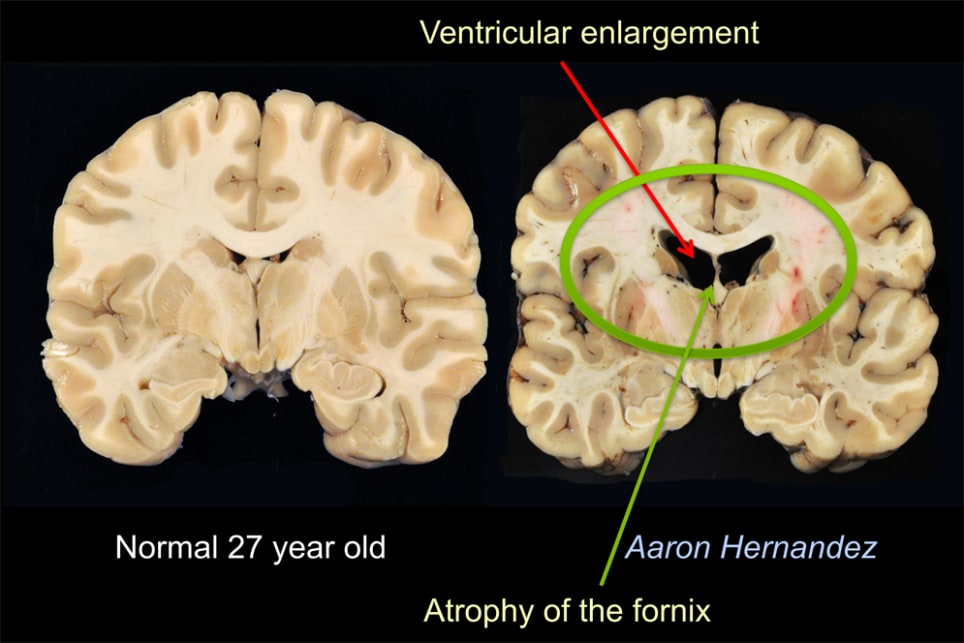
The story of “what CTE does to the brain” is no longer just a medical tragedy; it is a technological challenge. Through the lens of high-resolution imaging, we can see the protein “tangles” as they form. Through the power of AI, we can predict the decline before it manifests. Through wearable IoT devices, we can measure the very forces that cause the damage. And through neuro-engineering, we are beginning to look at ways to repair the damage.
As these technologies continue to converge, the “invisible injury” is becoming visible, quantifiable, and—most importantly—manageable. The tech industry has effectively turned the brain into a data-rich environment, where every impact is a data point and every scan is a blueprint for intervention. In the battle against CTE, technology is the most powerful ally we have, transforming a once-hopeless diagnosis into a field of proactive, data-driven innovation.
aViewFromTheCave is a participant in the Amazon Services LLC Associates Program, an affiliate advertising program designed to provide a means for sites to earn advertising fees by advertising and linking to Amazon.com. Amazon, the Amazon logo, AmazonSupply, and the AmazonSupply logo are trademarks of Amazon.com, Inc. or its affiliates. As an Amazon Associate we earn affiliate commissions from qualifying purchases.