
For decades, the journey toward conception was largely a matter of manual tracking, guesswork, and biological intuition. However, the intersection of healthcare and technology has birthed a multi-billion dollar industry known as “FemTech.” Today, those asking “what can I do to become pregnant” are increasingly turning to sophisticated software, wearable gadgets, and artificial intelligence to navigate the complexities of reproductive health.
The integration of advanced technology into the quest for pregnancy has moved beyond simple period-tracking calendars. We are now in an era where data-driven insights, biometric sensors, and machine learning algorithms provide a precision that was previously unattainable outside of a clinical setting. This article explores the technological landscape that is revolutionizing how individuals monitor their fertility and maximize their chances of conception.
The Evolution of Fertility Software: From Calendars to Machine Learning
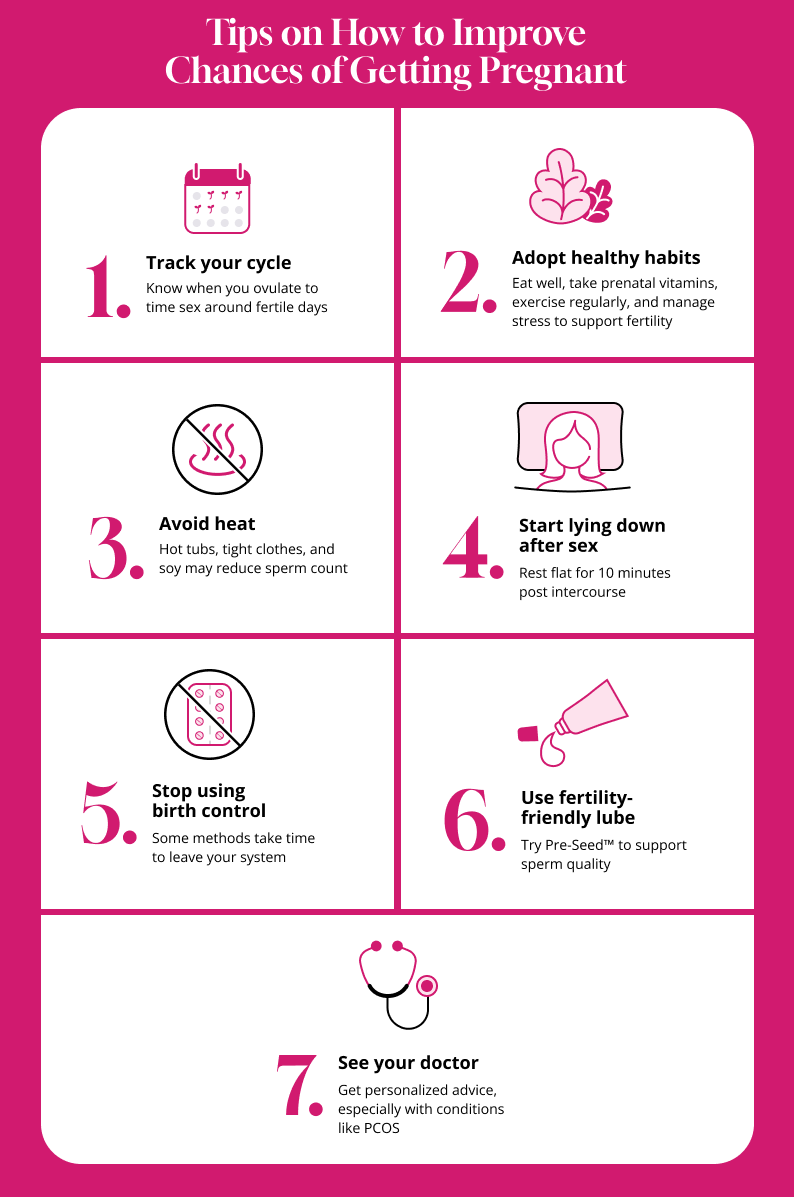
The first line of defense for anyone looking to conceive is often a smartphone application. However, the technology powering these apps has evolved significantly from the basic “rhythm method” digital calendars of the early 2010s. Modern fertility software utilizes complex algorithms to analyze a multitude of data points, offering a personalized roadmap to the user’s “fertile window.”
Advanced Cycle Tracking and Predictive Algorithms
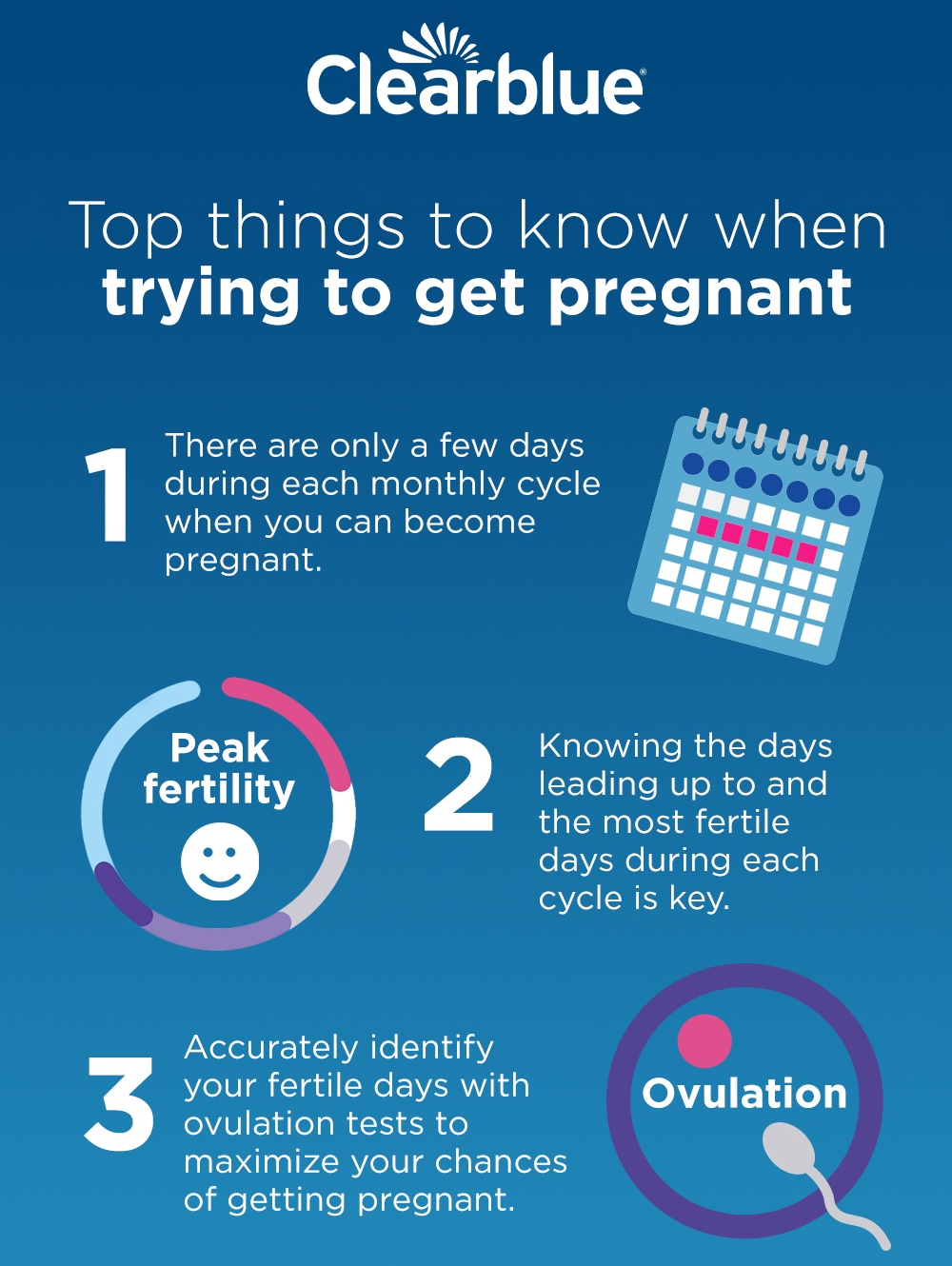
Mainstream apps like Clue, Flo, and Natural Cycles have moved into the realm of regulated medical software. Unlike early iterations that assumed every user had a 28-day cycle, these platforms use machine learning to adapt to the individual’s unique biological rhythm. By inputting data such as basal body temperature (BBT), cervical mucus consistency, and luteinizing hormone (LH) test results, the software builds a predictive model that becomes more accurate with every cycle.
The “Tech” aspect here lies in the data processing. These apps utilize Bayesian statistics to account for irregularities. If a user experiences a high-stress month or a change in sleep patterns, the algorithm adjusts the predicted ovulation date, providing a more reliable window for conception than traditional manual methods.
The Role of Big Data in Reproductive Health
One of the most profound technological shifts is the use of anonymized big data. Apps are now capable of comparing an individual’s data against millions of other cycles. This allows the software to flag potential hormonal imbalances or conditions like Polycystic Ovary Syndrome (PCOS) long before a user might think to visit a doctor. By identifying these patterns early through digital screening, technology acts as a proactive diagnostic tool, streamlining the path to pregnancy.
Wearable Technology and the Internet of Things (IoT) in Conception
While software is powerful, it is only as good as the data entered into it. Human error in manual temperature taking or symptom logging remains a significant hurdle. This is where wearable tech and IoT devices have stepped in to provide continuous, passive data collection, ensuring that no physiological signal is missed.
Continuous Basal Body Temperature (BBT) Monitoring
A critical indicator of ovulation is the slight rise in BBT. Historically, this required waking up at the same time every morning to use a thermometer before even getting out of bed. Tech companies like Tempdrop and Ava have disrupted this space with wearable sensors. These gadgets, worn as armbands or bracelets while sleeping, take thousands of temperature readings throughout the night.
These devices use filtering algorithms to remove “noise”—such as moving in your sleep or room temperature fluctuations—to find the true resting temperature. This data is then synced via Bluetooth to an app, providing a seamless flow of information that removes the stress and inaccuracy of manual tracking.
Smart Rings and Multi-Modal Biometrics
The rise of smart rings, such as the Oura Ring or the Evie Ring, represents the next frontier in conception tech. These devices monitor more than just temperature; they track heart rate variability (HRV), respiratory rate, and sleep quality. Research has shown that resting heart rate often increases in the days leading up to ovulation. By integrating these multiple biometric markers, wearable tech provides a holistic view of the body’s readiness for pregnancy, allowing users to time intercourse with clinical precision.
At-Home Lab Testing and Digital Diagnostic Tools
Technological innovation has also brought the laboratory into the home. For those wondering what they can do to become pregnant, the answer often involves understanding specific hormone levels that were previously only accessible through blood draws at a clinic.
Smartphone-Linked Hormone Analyzers
Companies like Mira and Inito have developed high-tech hardware that turns a smartphone into a mini-lab. These systems involve a digital reader that connects to a phone and uses fluorescence-based immunoassay technology to track actual hormone concentrations (such as LH, Estrogen, and Progesterone) in urine.
Instead of a simple “yes/no” result found on a traditional paper test strip, these digital tools provide quantitative data. The software then graphs these levels in real-time, allowing users to see their “hormone curves.” This level of technical insight is particularly valuable for individuals with irregular cycles or those who have struggled with traditional ovulation tests, as it identifies the specific rise and fall of hormones that trigger egg release.
Digital Solutions for Male Fertility
Fertility technology is increasingly acknowledging the importance of the paternal factor. New gadgets like the YO Home Sperm Test utilize a specialized clip-on microscope for smartphones. The app uses the phone’s camera and an algorithm to analyze sperm concentration and motility (movement). By providing a private, tech-forward way to assess male fertility, these tools ensure that the digital approach to pregnancy is comprehensive, addressing both partners in the conception process.
Artificial Intelligence and the Future of Assisted Reproduction
For those who move beyond natural conception into the realm of Assisted Reproductive Technology (ART), such as IVF, technology becomes even more sophisticated. AI is no longer a futuristic concept in fertility clinics; it is an active tool used to increase success rates.
AI-Driven Embryo Selection
One of the most critical stages of IVF is selecting the healthiest embryo for transfer. Traditionally, this was a subjective assessment performed by embryologists. However, new AI platforms like “Life Whisperer” and “Chloe” use computer vision and deep learning to analyze images of embryos.
These AI tools have been trained on datasets of hundreds of thousands of embryo images linked to pregnancy outcomes. The software can identify microscopic features associated with chromosomal health that are invisible to the human eye. By ranking embryos based on their statistical likelihood of successful implantation, AI is significantly reducing the time it takes for patients to achieve a successful pregnancy.
Virtual Reality and Telemedicine in Fertility Care
The integration of telemedicine platforms specifically designed for reproductive health has democratized access to specialists. Tech-enabled clinics now use “Virtual Care Suites” where patients can undergo remote monitoring. Furthermore, some clinics are experimenting with Virtual Reality (VR) to reduce patient stress during procedures, or to provide 3D visualizations of the reproductive system to help patients better understand their treatment plans. This high-tech approach improves the patient experience and ensures that expert advice is accessible regardless of geographic location.
Data Security and the Ethics of Digital Conception
As we rely more heavily on technology to assist in becoming pregnant, the importance of digital security and data privacy cannot be overstated. Fertility data is among the most sensitive information an individual can share, involving reproductive history, sexual activity, and biometric markers.
Protecting Sensitive Reproductive Data
In the current digital landscape, “Data as a Service” (DaaS) is a common business model, but in the FemTech niche, it carries significant risks. Users must look for apps and gadgets that employ end-to-end encryption and have clear policies against selling data to third-party advertisers. Leading tech firms in this space are now adopting “Privacy by Design” principles, ensuring that the user remains the sole owner of their biological data.
The Ethical Integration of AI
As AI begins to play a larger role in choosing which embryos are “best,” ethical considerations come to the forefront. The tech industry must ensure that algorithms are transparent and free from bias. The goal of using technology to become pregnant should always be to augment human decision-making and improve biological outcomes, rather than replacing the essential oversight of medical professionals.

Conclusion: Empowered by Innovation
The question of “what can I do to become pregnant” is now answered with a suite of technological tools that offer unprecedented control and insight. From the software in our pockets that learns our biological rhythms to the AI in labs that identifies the spark of life, technology has become an indispensable partner in the journey to parenthood.
By embracing these innovations—whether through advanced wearables, digital hormone trackers, or AI-enhanced clinical procedures—individuals are no longer left to navigate fertility in the dark. We are entering an era of “Precision Conception,” where data, software, and hardware converge to turn the dream of pregnancy into a digital reality. As these technologies continue to evolve, they promise not only higher success rates but also a more empowered, informed, and streamlined path to building a family.
aViewFromTheCave is a participant in the Amazon Services LLC Associates Program, an affiliate advertising program designed to provide a means for sites to earn advertising fees by advertising and linking to Amazon.com. Amazon, the Amazon logo, AmazonSupply, and the AmazonSupply logo are trademarks of Amazon.com, Inc. or its affiliates. As an Amazon Associate we earn affiliate commissions from qualifying purchases.