
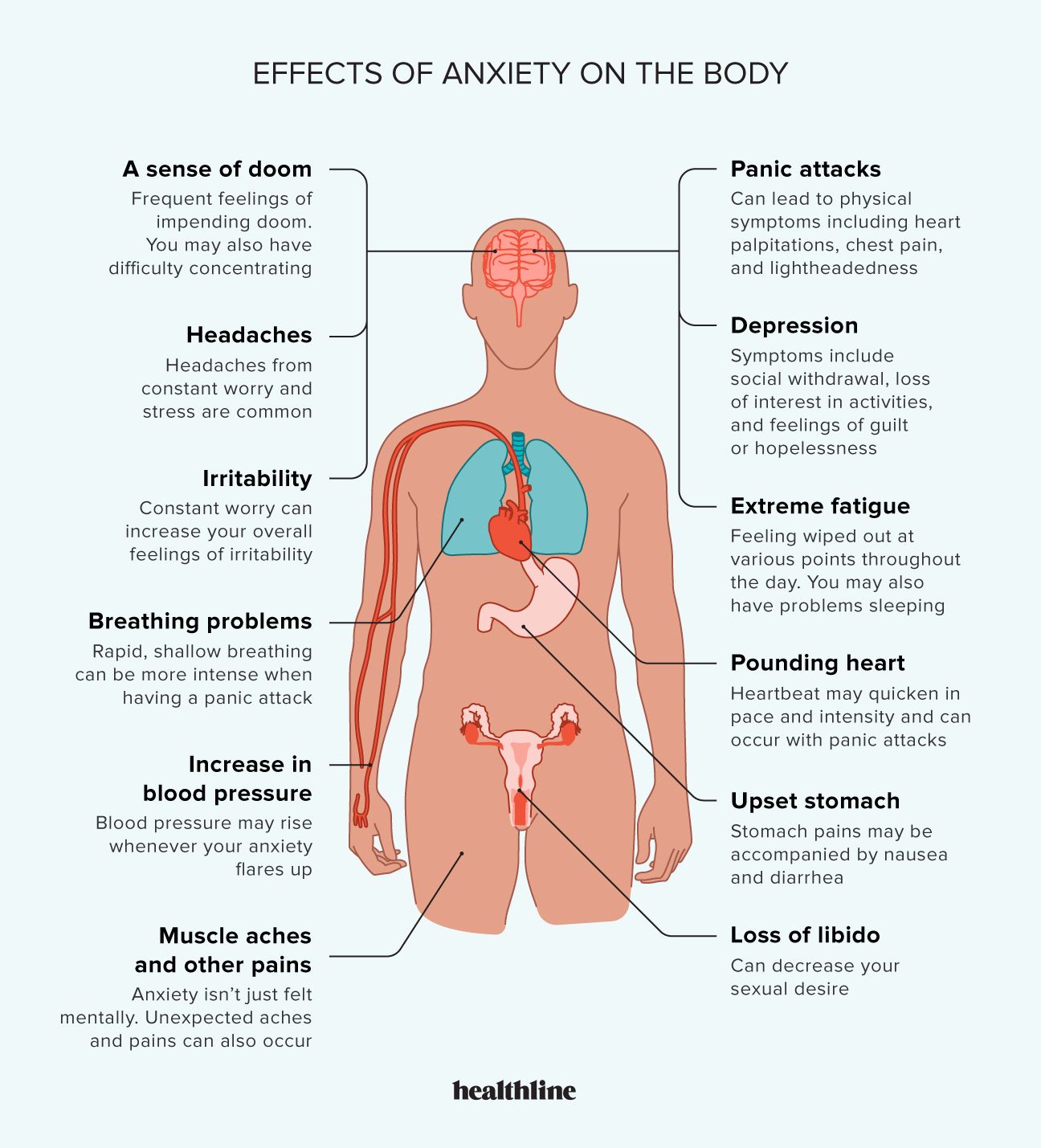
In the modern era, the line between our physical reality and our digital existence has blurred to the point of invisibility. While technology has catalyzed unprecedented efficiency and connectivity, it has also introduced a new physiological phenomenon: tech-induced anxiety. This isn’t merely a “state of mind” or a feeling of being overwhelmed; it is a systemic biological response triggered by the gadgets, software, and digital ecosystems we inhabit. To understand what anxiety can cause to your body in a tech-centric world, we must examine the intersection of human biology and high-frequency digital stimulation.
The Bio-Digital Feedback Loop: How Technology Triggers Physical Anxiety
The human body is equipped with an evolutionary mechanism known as the “fight-or-flight” response, controlled by the sympathetic nervous system. Historically, this was reserved for physical threats. In the 21st century, however, the “threat” is often a relentless stream of notifications, high-stakes Zoom calls, and the pressure of the “always-on” culture.
The Cortisol Spike: Always-On Culture and the Fight-or-Flight Response
Every time a smartphone vibrates or an email notification pings, the brain undergoes a micro-startle response. This triggers the adrenal glands to release cortisol and adrenaline. While a single notification is harmless, the cumulative effect of hundreds of digital interruptions daily leads to chronic hyper-cortisolism. Physically, this manifests as a persistent elevated heart rate, increased blood pressure, and a state of “high alert” that never fully dissipates. Over time, this tech-induced chemical surge can lead to cardiovascular strain and a weakened immune system.
Blue Light and Sleep Deprivation: The Physiological Foundation of Tech Stress
The hardware we use—specifically the LED screens of our laptops and smartphones—emits high-energy visible (HEV) blue light. This light suppresses the production of melatonin, the hormone responsible for regulating sleep-wake cycles. When our circadian rhythms are disrupted by late-night tech usage, the body enters a state of physiological stress. Lack of restorative sleep prevents the brain from flushing out metabolic waste, leading to systemic inflammation and a lower threshold for anxiety. The body, deprived of recovery, remains in a state of physical tension, making it more susceptible to muscle aches and chronic fatigue.
Wearable Tech and Biofeedback: Monitoring the Physical Manifestations
As technology has become a source of anxiety, it has simultaneously evolved to provide the tools necessary to monitor and quantify its physical impact. The rise of “HealthTech” and the Internet of Medical Things (IoMT) allows users to see exactly what digital stress is doing to their bodies in real-time.
Tracking Heart Rate Variability (HRV) as a Stress Indicator
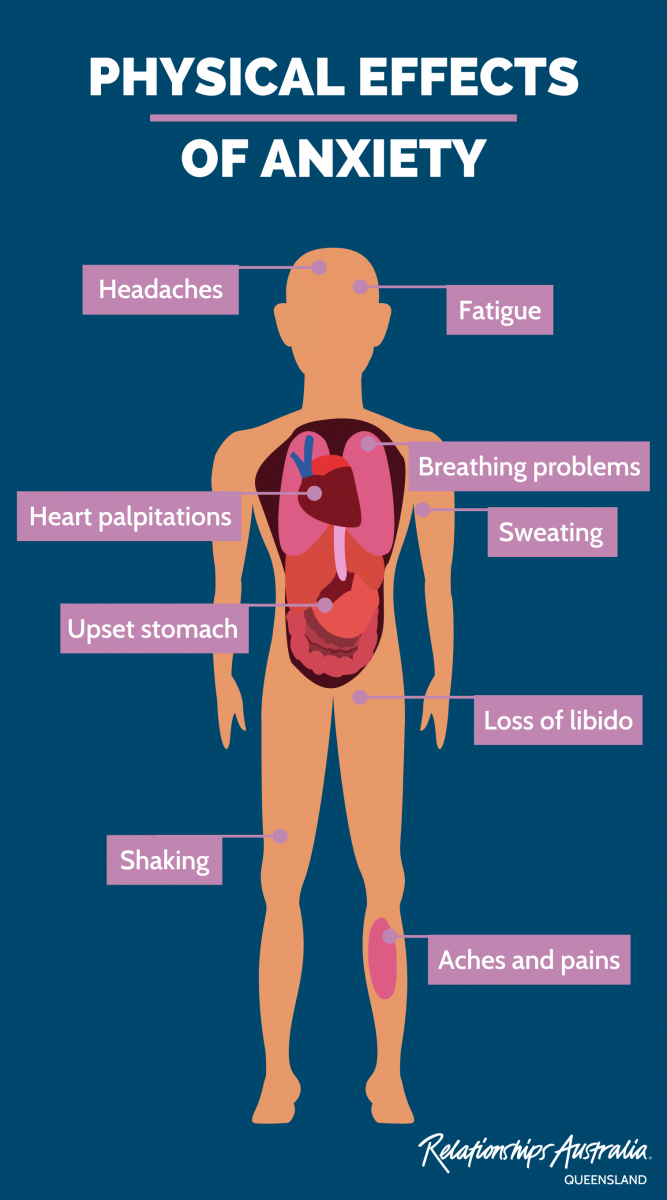
One of the most critical metrics provided by modern wearables—such as the Apple Watch, Oura Ring, or Whoop strap—is Heart Rate Variability (HRV). HRV measures the variation in time between each heartbeat. A high HRV indicates a resilient nervous system, while a low HRV is a primary physical sign of anxiety and over-taxation. By analyzing HRV data through sophisticated AI algorithms, these devices can warn users when their bodies are entering a state of physical “red zone” stress before the user even feels mentally anxious. This quantification of anxiety helps bridge the gap between subjective feelings and objective physical data.
The Role of Electrodermal Activity (EDA) Sensors in Modern Gadgets
Recent advancements in wearable tech have introduced Electrodermal Activity (EDA) sensors. These sensors detect tiny changes in the sweat gland activity on the skin, which are controlled by the sympathetic nervous system. When you experience a moment of tech-induced panic—perhaps due to a lost file or a security breach—your skin’s electrical conductivity changes. High-end wearables now use this data to prompt “mindfulness breaks,” proving that technology can serve as an external nervous system, alerting us to the physical toll of our digital lifestyles.
The Impact of AI and Algorithmic Bias on Neuro-Physiology
Anxiety is often fueled by the software we interact with daily. Artificial Intelligence and machine learning algorithms are designed to maximize engagement, often by leveraging the brain’s dopamine pathways. However, the physical cost of this “engagement” is high.
Comparison Culture: How Social Algorithms Reshape the Nervous System
Social media algorithms are engineered to present curated, idealized versions of reality. For the user, this often triggers “social upward comparison,” which is processed in the brain’s amygdala similarly to a physical threat. The body reacts with a “social defeat” response: posture slumps, serotonin levels drop, and the body may experience “tech-neck”—a physical manifestation of looking down at devices combined with the muscle tension associated with feelings of inadequacy. This neuro-physiological shift can lead to chronic digestive issues and tension headaches.
Information Overload and Cognitive Fatigue
The sheer volume of data processed by the human brain in the digital age is staggering. AI-driven news feeds and data-heavy dashboards can lead to “cognitive load” issues. When the brain is overwhelmed by information, the prefrontal cortex—the area responsible for logical thinking—begins to shut down, and the more primitive areas of the brain take over. Physically, this results in shallow breathing (often called “email apnea”), where users subconsciously hold their breath while processing intense digital information. This lack of oxygenation further fuels the physical sensation of anxiety and brain fog.
Technological Solutions for Physical Regulation
While technology is often the catalyst for anxiety, the tech industry is pivoting toward “Calm Tech” and digital wellness tools designed to reverse the physical damage of stress.
AI-Driven Meditation and Vagus Nerve Stimulation Tools
The next frontier in digital health is the use of AI to tailor relaxation techniques to an individual’s specific physiological markers. Apps like Calm and Headspace are integrating with wearable data to suggest breathing exercises the moment a spike in heart rate is detected. Furthermore, new gadgets like the Apollo Neuro or Sensate use low-frequency sound waves and haptic vibrations to stimulate the vagus nerve. The vagus nerve is the “command center” of the parasympathetic nervous system; stimulating it physically “shuts off” the anxiety response, slowing the heart rate and lowering blood pressure through technological intervention.
Implementing Digital Ergonomics to Reduce Physical Tension
The physical environment in which we use tech is just as important as the tech itself. The rise of smart desks and ergonomic software helps mitigate the physical toll of anxiety. Anxiety often leads to “bracing”—the subconscious tensing of the shoulders and jaw. Modern software tools now include “posture prompts” that use the computer’s camera to detect when a user is tensing up or slouching, providing real-time feedback to adjust the body. By correcting the physical posture, we can actually send signals back to the brain that we are safe, thereby reducing the mental experience of anxiety.
Conclusion: Mastering the Machine for Physical Well-being
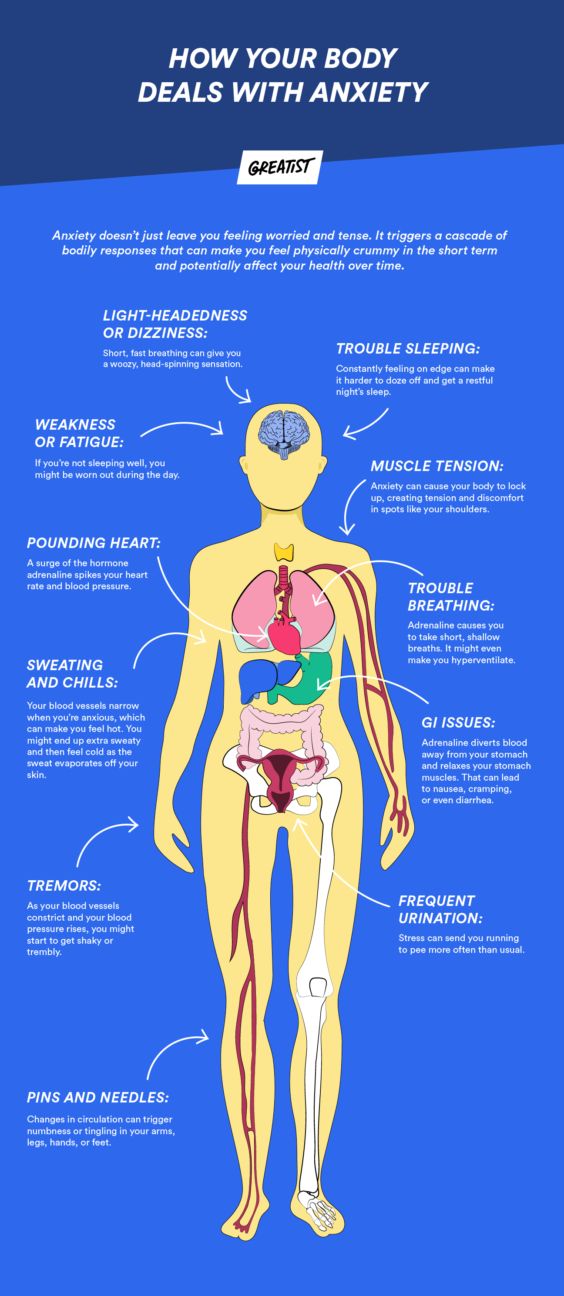
What can anxiety cause to your body in a world dominated by technology? The answer is a complex array of physiological shifts, from hormonal imbalances and sleep disruption to cardiovascular strain and neurological fatigue. However, the same technological prowess that creates these stressors also provides the roadmap for recovery.
By leveraging AI-driven insights, utilizing wearable biofeedback, and adhering to the principles of “Calm Tech,” we can transform our relationship with our devices. The goal is not to eliminate technology, but to build a digital ecosystem that respects the physical limits of the human body. As we move forward, the most successful technologies will be those that do not just provide utility or entertainment, but those that actively preserve and enhance the physical health of the user. Mastering digital distress requires a proactive approach: using tech to monitor our vitals, setting hard boundaries for blue light exposure, and employing digital tools to regulate our nervous systems. In doing so, we ensure that our bodies remain resilient in an ever-accelerating digital world.
aViewFromTheCave is a participant in the Amazon Services LLC Associates Program, an affiliate advertising program designed to provide a means for sites to earn advertising fees by advertising and linking to Amazon.com. Amazon, the Amazon logo, AmazonSupply, and the AmazonSupply logo are trademarks of Amazon.com, Inc. or its affiliates. As an Amazon Associate we earn affiliate commissions from qualifying purchases.