
The question “what are anabolic steroids made of?” usually elicits a response centered on molecular biology or organic chemistry. However, when viewed through the lens of global commerce and personal finance, the “composition” of these substances is far more complex than a simple carbon chain. To truly understand what anabolic-androgenic steroids (AAS) are made of, one must look at the global supply chains, the massive capital investments in pharmaceutical research, the high-margin underground economy, and the significant financial impact on the end consumer.
In the modern financial landscape, performance-enhancing drugs (PEDs) represent a multi-billion dollar intersection of biotechnology, grey-market logistics, and retail consumption. This article explores the economic architecture of anabolic steroids, from the raw material costs to the lucrative business models of the manufacturers.
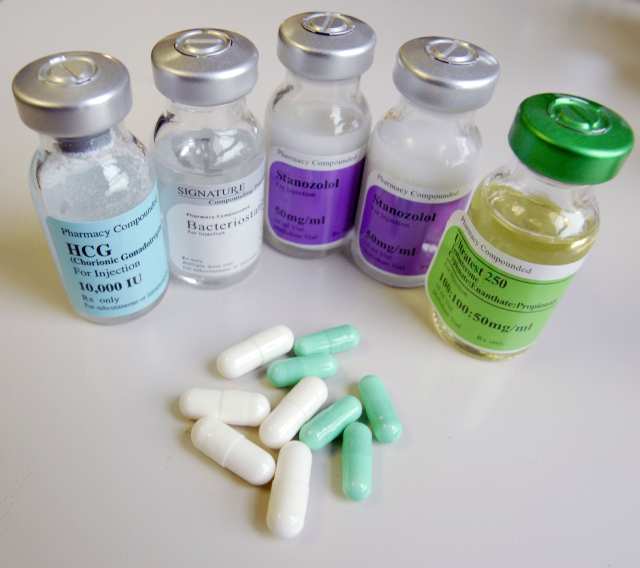
1. The Raw Material Pipeline: From Plant Sterols to Profit Margins
At the most fundamental level, the manufacturing of anabolic steroids is a feat of chemical engineering that begins with surprisingly low-cost raw materials. The “ingredients” of the steroid industry are rooted in the agricultural sector before they ever reach a laboratory.
The Role of Diosgenin and Phytosterols
The vast majority of synthetic testosterone and its derivatives are synthesized from plant sterols. Historically, the primary source was diosgenin, a compound extracted from wild yams. Today, much of the industry relies on stigmasterol or sitosterol derived from soy and pine oil. From an investment perspective, this creates a fascinating link between the commodities market (soy and timber) and the pharmaceutical industry. The ability to turn a bulk agricultural byproduct into a high-value pharmaceutical asset is where the initial “value-added” profit is generated.
Manufacturing Overhead and Scaling
While the raw chemical precursors are relatively inexpensive, the “cost of goods sold” (COGS) increases significantly during the transformation process. The synthesis requires specialized equipment—reactors, centrifuges, and high-pressure liquid chromatography (HPLC) systems for testing. For legitimate pharmaceutical companies, the manufacturing cost is a fraction of the final price; the majority of the “composition” of the price tag is attributed to regulatory compliance, quality control, and patent protections.
Logistics and Global Sourcing
The supply chain for these materials is a masterclass in global trade. Precursors are often manufactured in bulk in China or India, where chemical manufacturing regulations and labor costs are lower. These raw powders are then exported to various jurisdictions—either to licensed pharmaceutical hubs in Europe and North America or to underground laboratories (UGLs) worldwide. The “composition” of the product, therefore, includes the heavy costs of international shipping, customs brokerage, and, in the case of the illicit market, the “risk premium” associated with circumventing legal barriers.
2. The Divergent Economies: Pharmaceutical Grade vs. Underground Labs
When analyzing what steroids are “made of” from a business perspective, we must distinguish between two entirely different economic models: the regulated pharmaceutical industry and the underground market.
The Premium of Regulation
Pharmaceutical-grade steroids, such as those used for Testosterone Replacement Therapy (TRT) or treating muscle-wasting diseases, are “made of” thousands of hours of R&D and rigorous FDA/EMA testing. For a company like Pfizer or Bayer, the cost of bringing a hormone-based drug to market can exceed $1 billion. Consequently, the retail price reflects this massive capital expenditure. Consumers paying for “pharma-grade” products are essentially paying for a guarantee of purity and the amortization of the company’s research budget.
The High-Margin Grey Market
In contrast, underground labs (UGLs) operate on a high-volume, low-overhead model. A UGL does not invest in clinical trials or legal marketing. Their product is “made of” raw powders sourced from overseas, carrier oils (like grapeseed or cottonseed oil), and basic solvents (benzyl alcohol and benzyl benzoate).
The profit margins in this sector are staggering. A raw kilogram of testosterone cypionate powder might cost a few hundred dollars on the wholesale market, but when processed into 10ml vials and sold at retail, it can generate tens of thousands of dollars in revenue. This price disparity is what fuels the massive growth of the illicit steroid economy, despite the legal risks involved.
Brand Identity in the Underground
Interestingly, even in the illicit market, “branding” plays a role in what a product is made of. Professional labels, holographic seals, and verified batch codes are used to build consumer trust. In an unregulated market, the “brand equity” of a specific lab acts as a proxy for quality control, allowing certain “boutique” underground labs to charge a premium over their competitors.
3. The Hidden Costs of the Performance-Enhancing Economy
For the individual user, the composition of a steroid “cycle” involves much more than the sticker price of the drugs. To understand the personal finance side of this industry, one must account for the secondary and tertiary expenses that accompany usage.
Post-Cycle Therapy (PCT) and Ancillary Medications
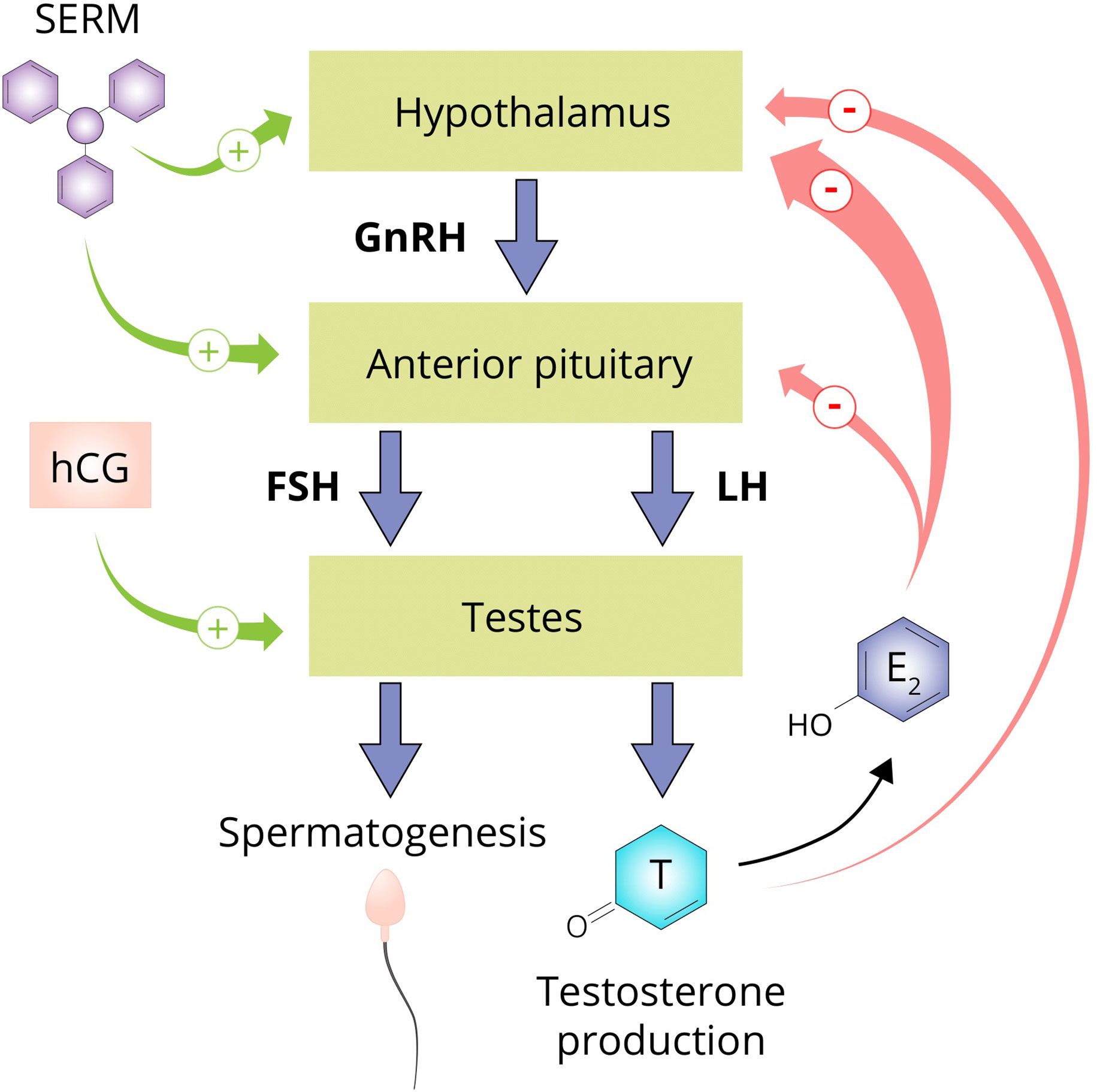
The “anabolic” component is only one part of the financial equation. To manage side effects and restore natural hormone production, users must invest in ancillary drugs such as Aromatase Inhibitors (AIs), Selective Estrogen Receptor Modulators (SERMs), and Human Chorionic Gonadotropin (hCG). Often, the cost of these protective medications equals or exceeds the cost of the anabolic steroids themselves. From a business standpoint, these ancillaries represent a massive “add-on” market that benefits both legitimate pharmacies and grey-market vendors.
Monitoring and Healthcare Expenses
A responsible user (or one following a clinical protocol) must also account for the cost of regular blood work and diagnostic testing. In the United States, a comprehensive metabolic panel and hormone profile can cost between $200 and $500 per test if not covered by insurance. When performed quarterly, this adds a significant line item to the user’s annual budget. This has given rise to a niche industry of “private MD” labs that cater specifically to the fitness community, representing a growing sector of the direct-to-consumer healthcare market.
The Risk of “Bad Debt” in Health
Perhaps the most significant “cost” is the long-term impact on health insurance and insurability. While difficult to quantify immediately, the long-term metabolic or cardiovascular strain associated with unregulated steroid use can lead to increased healthcare premiums or the denial of life insurance policies. In financial terms, this represents a “tail risk”—a low-probability but high-impact event that can bankrupt an individual’s long-term financial plan.
4. Investing in the Future of Hormone Synthesis
As the “anti-aging” and “longevity” movement gains momentum in the financial world, the composition of the steroid market is shifting toward more sophisticated, legal, and highly profitable sectors.
The Boom of TRT Clinics
One of the most significant business trends in the last decade has been the professionalization of hormone optimization. Testosterone Replacement Therapy (TRT) clinics have become a darling of private equity firms. These clinics operate on a recurring revenue model, often charging monthly subscription fees that cover the medication, blood work, and consultations. The “product” here is no longer just the steroid; it is the “concierge medical experience.” Investors are pouring capital into these ventures because they offer high customer lifetime value (LTV) and high margins.
SARM Research and Biotech Speculation
The next frontier in the “composition” of these substances is the development of Selective Androgen Receptor Modulators (SARMs). Unlike traditional steroids, SARMs are designed to target muscle tissue specifically without affecting the prostate or liver. For biotech investors, SARMs represent a potential “blockbuster” drug category. While many are still in the research phase or sold as “research chemicals” (another grey-market financial loophole), the successful FDA approval of a SARM would result in an explosion of intellectual property value.
Ethical Investment Paradigms
As Environmental, Social, and Governance (ESG) investing becomes more prominent, the steroid industry faces a unique challenge. Large institutional investors often steer clear of the “vice” sectors, which has traditionally included PEDs. However, as the line between “performance enhancement” and “therapeutic longevity” blurs, we are seeing a shift. Companies that focus on bio-identical hormone replacement and regenerative medicine are being reclassified as “wellness” or “biotech” rather than “drug companies,” opening the door for mainstream capital.
Conclusion: The True Composition of the Market
When we ask “what are anabolic steroids made of?”, the answer is as much about dollars and cents as it is about chemistry. They are made of cheap plant-based precursors transformed by high-tech manufacturing into high-margin products. They are made of the massive R&D budgets of “Big Pharma” and the risk-taking capital of underground entrepreneurs. For the consumer, they are made of a complex web of retail costs, medical monitoring, and long-term financial risks.
From a business and money perspective, the anabolic steroid market is a resilient, evolving, and highly profitable sector of the global economy. Whether through the lens of a personal budget or a venture capital portfolio, understanding the economic “ingredients” of these substances is essential for navigating the modern landscape of performance and health. As the “longevity economy” continues to grow, the financial structures surrounding hormone synthesis will only become more sophisticated, further cementing their place in the global financial market.
aViewFromTheCave is a participant in the Amazon Services LLC Associates Program, an affiliate advertising program designed to provide a means for sites to earn advertising fees by advertising and linking to Amazon.com. Amazon, the Amazon logo, AmazonSupply, and the AmazonSupply logo are trademarks of Amazon.com, Inc. or its affiliates. As an Amazon Associate we earn affiliate commissions from qualifying purchases.