
In the landscape of global commerce, few entities command the level of brand equity and emotional resonance as the Walt Disney World Resort. While often viewed through the lens of leisure and tourism, Disney World is, at its core, a masterclass in brand strategy, experiential marketing, and corporate identity. Spanning nearly 40 square miles, the resort serves as the physical manifestation of the Disney brand—a place where intellectual property (IP) transcends the screen to become a living, breathing consumer environment.
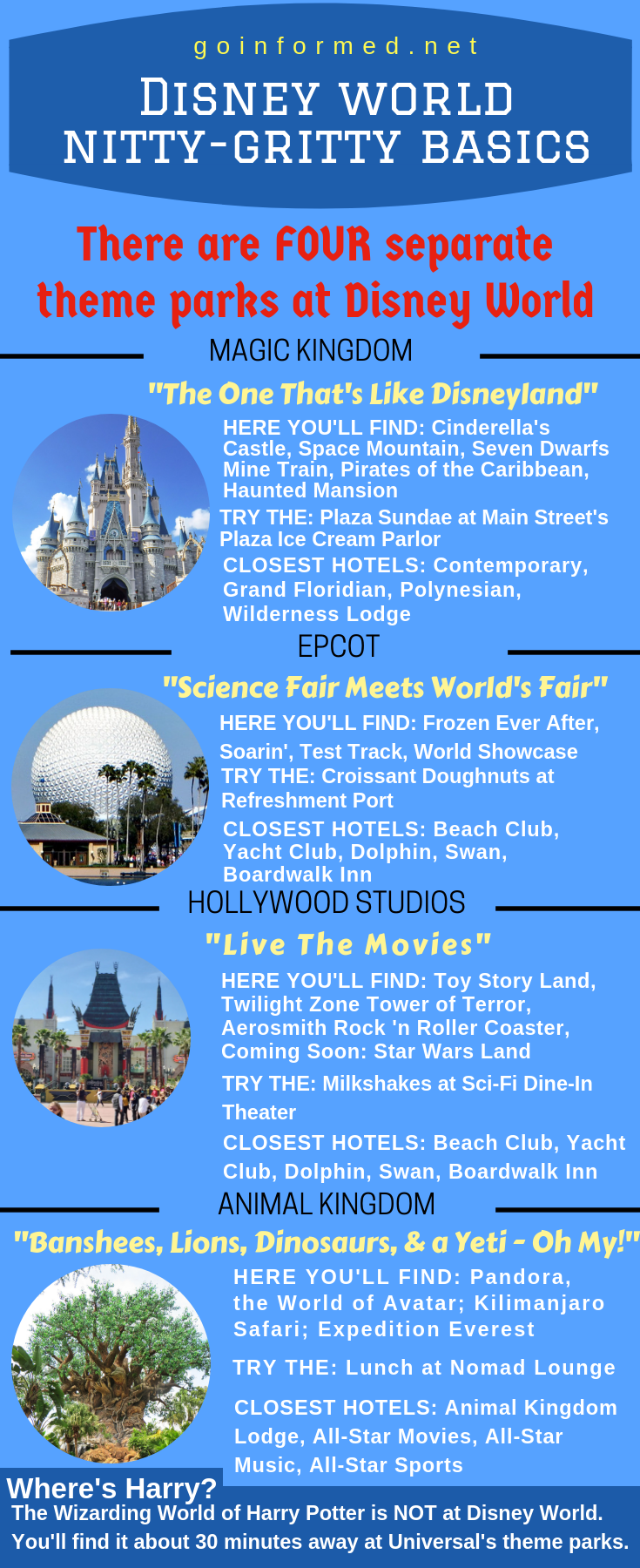
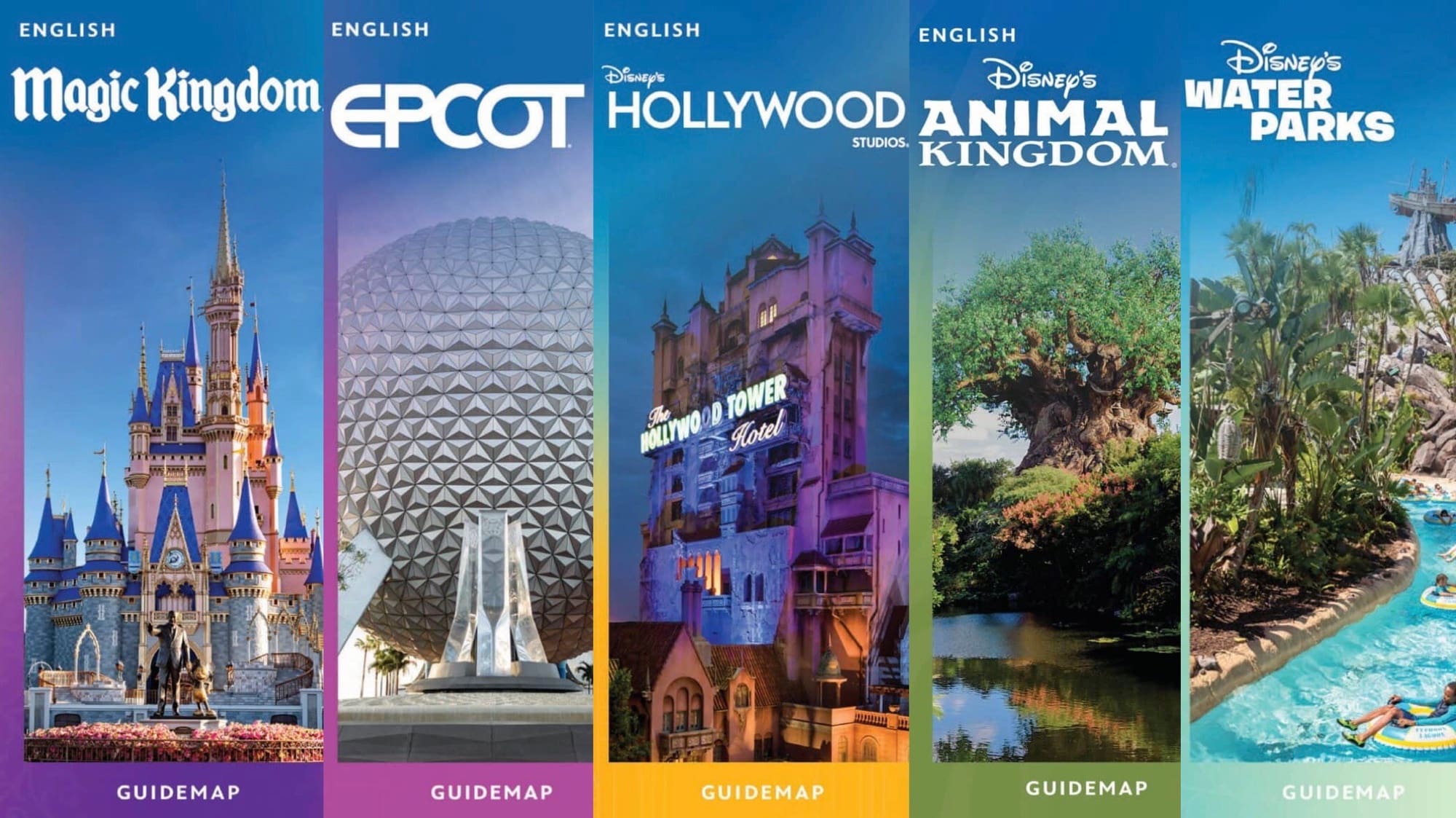
To understand the theme parks of Disney World is to understand how a multi-billion dollar corporation segments its identity to appeal to diverse demographics while maintaining a singular, cohesive brand promise: the delivery of “magic.” This article analyzes the four distinct theme parks that comprise the Florida complex, examining how each functions as a strategic pillar within the broader Disney brand ecosystem.
The Core Brand Philosophy: Creating the “Most Magical Place on Earth”
The success of Disney World’s branding lies in its ability to sell an intangible feeling rather than a tangible product. Every element, from the smell of artificial vanilla on Main Street to the specific shade of “Go Away Green” used to hide utility buildings, is a calculated branding decision. This approach is rooted in the concept of “Themed Entertainment,” a discipline Disney pioneered to ensure that the guest’s psychological journey is as carefully curated as their physical one.
The Hub-and-Spoke Model: Consistency in Guest Experience
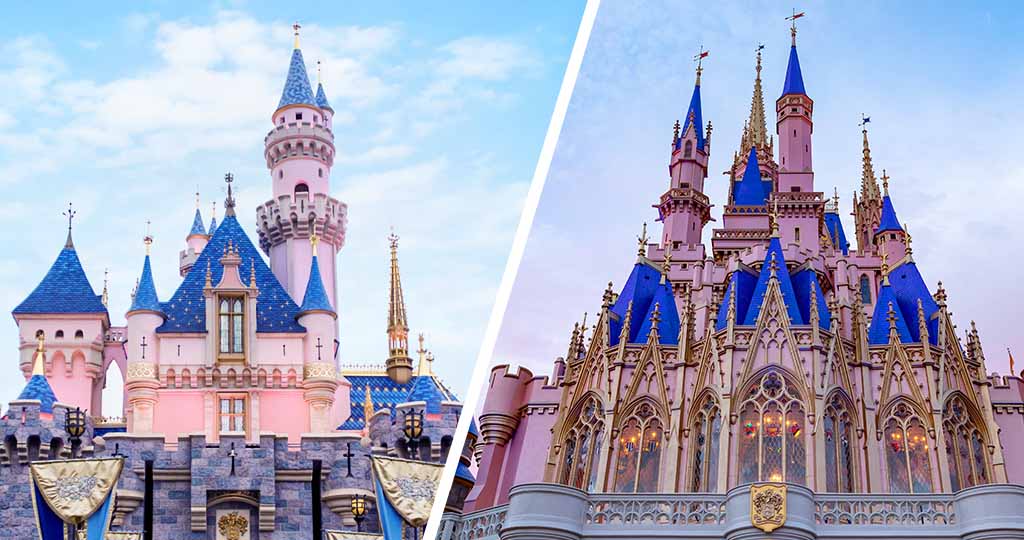
From a brand design perspective, Disney utilizes the “Hub-and-Spoke” layout, most notably in the Magic Kingdom. This architectural strategy ensures that the brand’s “icon”—the castle—remains the central focal point, providing a sense of security and orientation. For the brand, this layout facilitates a controlled narrative. Guests are not merely visiting a park; they are entering a story where every “land” (the spokes) represents a different chapter of the Disney portfolio, all tied together by the central “hub” of the corporate identity.
The Role of “Plussing” in Brand Longevity
Walt Disney famously coined the term “plussing”—the idea of constantly improving an attraction or experience even after it is completed. From a corporate strategy standpoint, this is a commitment to quality that justifies premium pricing. By continuously reinvesting in the brand’s physical assets, Disney prevents the “brand decay” that often plagues regional amusement parks. This commitment ensures that the brand remains synonymous with “best-in-class” entertainment, maintaining its competitive advantage in a crowded global market.
Magic Kingdom: The Flagship Brand and the Power of Nostalgia
The Magic Kingdom is the undisputed flagship of the Disney World resort. It represents the “Legacy Brand”—the foundational identity built upon the vision of Walt Disney himself. This park is the primary driver of brand loyalty, often serving as the first point of contact for new generations of consumers.
Legacy IP as a Foundation
The branding of the Magic Kingdom relies heavily on “Evergreen IP.” Characters like Mickey Mouse, Cinderella, and Snow White are the cornerstones of this park’s identity. By anchoring the flagship park in these classic narratives, Disney creates a sense of timelessness. This strategy is vital for long-term brand health; it ensures that the park does not become dated as cultural trends shift. The Magic Kingdom is where the “Classic Disney” brand is preserved and polished, acting as the emotional anchor for the entire resort.
Maintaining Relevance in a Modern Market
While nostalgia is a powerful branding tool, it can also lead to stagnation. To counter this, Disney strategically integrates modern hits into the classic framework. The inclusion of “TRON Lightcycle / Run” or the reimagining of older attractions signifies the brand’s evolution. It shows a sophisticated understanding of brand lifecycle management—knowing when to lean into heritage and when to pivot toward innovation to attract younger, tech-savvy demographics.
EPCOT and Disney’s Animal Kingdom: Brand Diversification
If the Magic Kingdom represents the heart of the brand, EPCOT and Animal Kingdom represent its intellectual and ethical dimensions. These parks allow Disney to diversify its brand identity, reaching audiences who may seek more than just traditional fantasy.
EPCOT: From Futurism to IP Integration
EPCOT (Experimental Prototype Community of Tomorrow) originally branded itself as a “Permanent World’s Fair,” focusing on human achievement and international culture. For decades, it served as the “Adult Brand” within the resort, known for its culinary offerings and educational components. However, in recent years, Disney has undergone a massive strategic shift, integrating more IP into EPCOT (such as Guardians of the Galaxy and Ratatouille). This shift reflects a broader corporate strategy: “IP-First Branding.” Disney recognized that while the original educational brand was prestigious, the integration of recognizable characters increased “Guest Spend” and “Repeat Visitation,” proving that even the most high-concept brands must eventually align with the core drivers of the parent company.
Animal Kingdom: The Ethics of Conservation as a Brand Pillar
Disney’s Animal Kingdom represents the brand’s foray into “Purpose-Driven Marketing.” By centering a theme park around conservation and the natural world, Disney aligns itself with the values of the modern, socially conscious consumer. The park’s branding is distinct from its siblings; it is rugged, organic, and intentionally “unpolished” in places. This “Conservation Brand” allows Disney to occupy a unique niche, competing directly with zoos and sanctuaries while maintaining the theatrical flair of a Disney production. The success of “Pandora – The World of Avatar” within this park further demonstrates Disney’s ability to take a sci-fi IP and weave it into an environmentalist brand message, creating a seamless narrative experience.
Disney’s Hollywood Studios: The Shift to Immersive Storytelling Environments
Disney’s Hollywood Studios has undergone the most significant brand transformation of any park in the resort. Originally branded as a “working movie studio” (Disney-MGM Studios), it has pivoted toward “Immersive Realism.”
Moving Beyond “Behind-the-Scenes” to “Living-the-Movie”
The original brand promise of Hollywood Studios was to show guests “how the magic is made.” However, as digital technology made film production more transparent, the “behind-the-scenes” brand lost its luster. Disney strategically rebranded the park to focus on “Immersive Storytelling.” Instead of showing you a movie set, they now build the world of the movie and invite you to live within it. This is a shift from passive consumption to active participation—a major trend in modern high-end branding.
Star Wars: Galaxy’s Edge and the Future of Immersive Branding
Star Wars: Galaxy’s Edge is the pinnacle of this immersive brand strategy. Within the confines of this land, the Disney brand disappears, and the “Star Wars” brand takes over entirely. There are no “Mickey Mouse” balloons or generic Disney merchandise; every product is designed to exist within the fiction. This level of “Deep Branding” creates an unparalleled level of consumer engagement. It allows Disney to charge a premium for “authentic” experiences, such as building a custom lightsaber, which serves as both a high-margin product and a personalized brand interaction.
Synergy and the Multi-Sensory Brand Strategy
The four theme parks of Disney World do not operate in isolation; they are part of a sophisticated “Synergy Machine.” This refers to the brand’s ability to use the parks to promote films, which in turn promote merchandise, which in turn drives guests back to the parks.
The “Disney Difference”: Sensory Branding in the Parks
Disney employs “Sensory Branding” to create an environment that is cognitively distinct from the outside world. This is achieved through “Smellitizers” (devices that emit specific scents), meticulously curated soundtracks for every square inch of the property, and “forced perspective” architecture that makes buildings appear taller or grander than they are. By engaging all five senses, the brand creates a “Total Immersion” environment. This level of detail is what creates “Brand Insistence,” where consumers refuse to accept substitutes, viewing a Disney vacation as fundamentally different from any other travel experience.
Omnichannel Marketing: Connecting Parks to Global Media
The branding of Disney World extends far beyond the physical gates. Through the “My Disney Experience” ecosystem, the brand follows the guest home. This digital integration allows Disney to maintain a relationship with the consumer through data-driven marketing, personalized offers, and content integration on Disney+. The theme parks act as the “Living Showroom” for the company’s digital and cinematic assets. When a guest meets a character in the park, they are not just engaging with an actor; they are reinforcing their connection to a multi-platform brand that spans their television, their smartphone, and their retail choices.
In conclusion, the theme parks of Walt Disney World—Magic Kingdom, EPCOT, Disney’s Animal Kingdom, and Disney’s Hollywood Studios—are far more than collections of rides. They are sophisticated brand assets designed to capture different segments of the market while reinforcing the overarching corporate identity. Through nostalgia, education, conservation, and immersive storytelling, Disney has built a brand ecosystem that is functionally unrivaled in its ability to generate loyalty, revenue, and cultural impact. For the modern brand strategist, Disney World remains the ultimate case study in how to turn a corporate vision into a physical reality that resonates on a global scale.
aViewFromTheCave is a participant in the Amazon Services LLC Associates Program, an affiliate advertising program designed to provide a means for sites to earn advertising fees by advertising and linking to Amazon.com. Amazon, the Amazon logo, AmazonSupply, and the AmazonSupply logo are trademarks of Amazon.com, Inc. or its affiliates. As an Amazon Associate we earn affiliate commissions from qualifying purchases.