
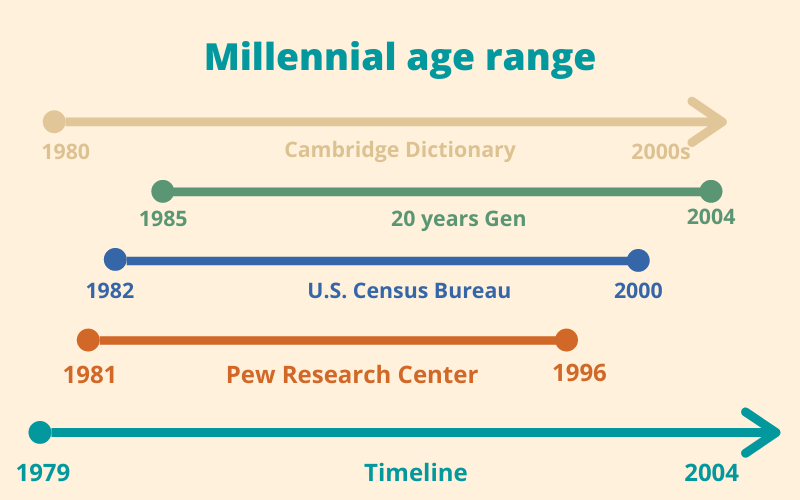
In the landscape of modern market segmentation, few cohorts have been analyzed, scrutinized, and pursued as relentlessly as Millennials. For brand strategists, marketing executives, and creative directors, understanding exactly what age range Millennials occupy is not merely a matter of demographic trivia; it is a fundamental requirement for building a resonant brand identity. As of the current trajectory, the Pew Research Center defines Millennials as those born between 1981 and 1996. This means that in 2024, the Millennial generation is roughly between the ages of 28 and 43.

This 15-year span represents a demographic powerhouse that has moved past the “youth culture” phase and into their peak earning and spending years. To build a brand that successfully captures this audience, one must look beyond the birth years and understand the cultural, psychological, and strategic nuances that define this generation.
Decoding the Millennial Demographic: More Than Just a Number
For a brand strategy to be effective, it must first establish a clear perimeter. Identifying the age range is the first step in “boundary setting” for market research. However, a 28-year-old and a 43-year-old are in very different life stages, which requires a nuanced approach to corporate identity.
Defining the 1981–1996 Cohort
The 1981–1996 range is significant because it encapsulates a group that remembers a world before the internet but came of age alongside its explosion. This “bridge” status creates a unique consumer psychology. Unlike Gen Z, who are true digital natives, or Baby Boomers, who are digital immigrants, Millennials are “Digital Pioneers.” For brands, this means this age range appreciates the convenience of digital tools but still values the legacy of high-quality, tangible brand experiences.
Why Micro-Generations (Zillennials) Matter for Brand Precision
Within the 1981–1996 range, brand strategists often identify “micro-generations” to sharpen their targeting. The “Geriatric Millennial” (born in the early 80s) may be balancing a mortgage and a mid-to-senior management career, requiring brands that emphasize stability, luxury, and efficiency. Conversely, the “Zillennial” (born in the mid-90s) sits on the cusp of Gen Z, prioritizing social justice, trend-driven aesthetics, and the gig economy. A “one-size-fits-all” brand strategy for this age range often fails because it ignores these internal shifts in life stage and priority.
The Psychographics of a Generation: Shaping Brand Identity
Once the age range is established, a brand must shift its focus to psychographics—the study of personality, values, and interests. Millennial branding is synonymous with a shift from “status” to “substance.”
Value-Driven Consumption and Ethical Branding
The Millennial age range is the first to demonstrate a widespread willingness to pay a premium for brands that align with their personal values. This has forced a radical shift in brand strategy. Corporate identity is no longer just about a logo or a product; it is about a mission statement. Whether it is environmental sustainability, diversity and inclusion, or ethical labor practices, Millennials demand transparency. Brands that fail to communicate their “Why” often find themselves excluded from the Millennial wallet, regardless of the quality of their “What.”
The Shift from Ownership to Experience
One of the most profound impacts Millennials have had on brand strategy is the pivot toward the “Experience Economy.” Unlike previous generations that measured success through the accumulation of physical assets, the 28-to-43 age range tends to prioritize access over ownership. This has given rise to the subscription-model brand (SaaS, streaming, rental fashion) and experiential marketing. For a brand to succeed today, it must sell more than a product; it must sell the memory, the ease of use, or the lifestyle that the product facilitates.
Strategic Communication: How to Reach Millennials Where They Live
Understanding the age range of Millennials allows a brand to map out their digital and physical footprint. This generation is the primary driver of the “omnichannel” marketing approach, requiring a seamless transition between various touchpoints.
Authenticity Over Perfection: The End of Glossy Advertising
If the 1990s were defined by airbrushed, aspirational perfection, the Millennial era of branding is defined by “The Unfiltered.” This age group grew up during the rise of social media and developed a high sensitivity to “corporate speak.” Strategic communication for this demographic must prioritize authenticity. This is why we have seen the rise of “User-Generated Content” (UGC) in brand campaigns. Millennials trust a peer’s review or an influencer’s honest “unboxing” more than a multi-million-dollar television commercial.
Leveraging Social Proof and Influencer Ecosystems
Because Millennials fall into an age range that is highly connected but also highly skeptical, “Social Proof” has become the cornerstone of modern brand strategy. This generation looks to their network before making a purchase. Brands must cultivate communities rather than just customer lists. By leveraging influencers who act as “trusted advisors” rather than “celebrity endorsers,” brands can penetrate the Millennial market through a side door of perceived friendship and shared taste.
Visual Language and Design: Adapting Corporate Identity for the Millennial Eye
The visual identity of a brand—its colors, typography, and UI/UX design—must be calibrated to the aesthetic preferences developed by this generation over the last two decades.
Minimalism and the “Millennial Aesthetic”
The “Millennial Aesthetic” is characterized by clean lines, sans-serif typography, and a “less is more” philosophy. This design trend was a reaction to the cluttered, maximalist branding of the early 2000s. We see this in the rebranding of major tech and lifestyle companies—moving toward flatter logos and generous white space. This aesthetic communicates clarity, honesty, and modernism, traits that the 1981–1996 cohort finds appealing.
Mobile-First Design as a Brand Requirement
While Gen Z may be “Mobile-Only,” Millennials are “Mobile-First.” They are the generation that transitioned from the desktop to the smartphone. For a brand, this means the digital experience is the brand. If a website is slow, if an app is unintuitive, or if the checkout process is cumbersome, the brand’s perceived value drops instantly. In the eyes of a Millennial, a brand’s design sophistication is a direct reflection of its professional competence.
Long-term Brand Loyalty in an Age of Disruption
The final challenge in targeting the Millennial age range is the concept of loyalty. In an era of infinite choice and “disruptor brands,” how does a legacy brand keep a 35-year-old customer from switching to a new startup?
Building Communities, Not Just Customer Bases
Loyalty in the Millennial demographic is built through engagement and a sense of belonging. Brands that successfully navigate this age range are those that create a “brand ecosystem.” This might involve exclusive member communities, interactive social media presence, or loyalty programs that reward values rather than just spending. When a customer feels like they are part of a brand’s story, the cost of switching to a competitor becomes emotional, not just financial.
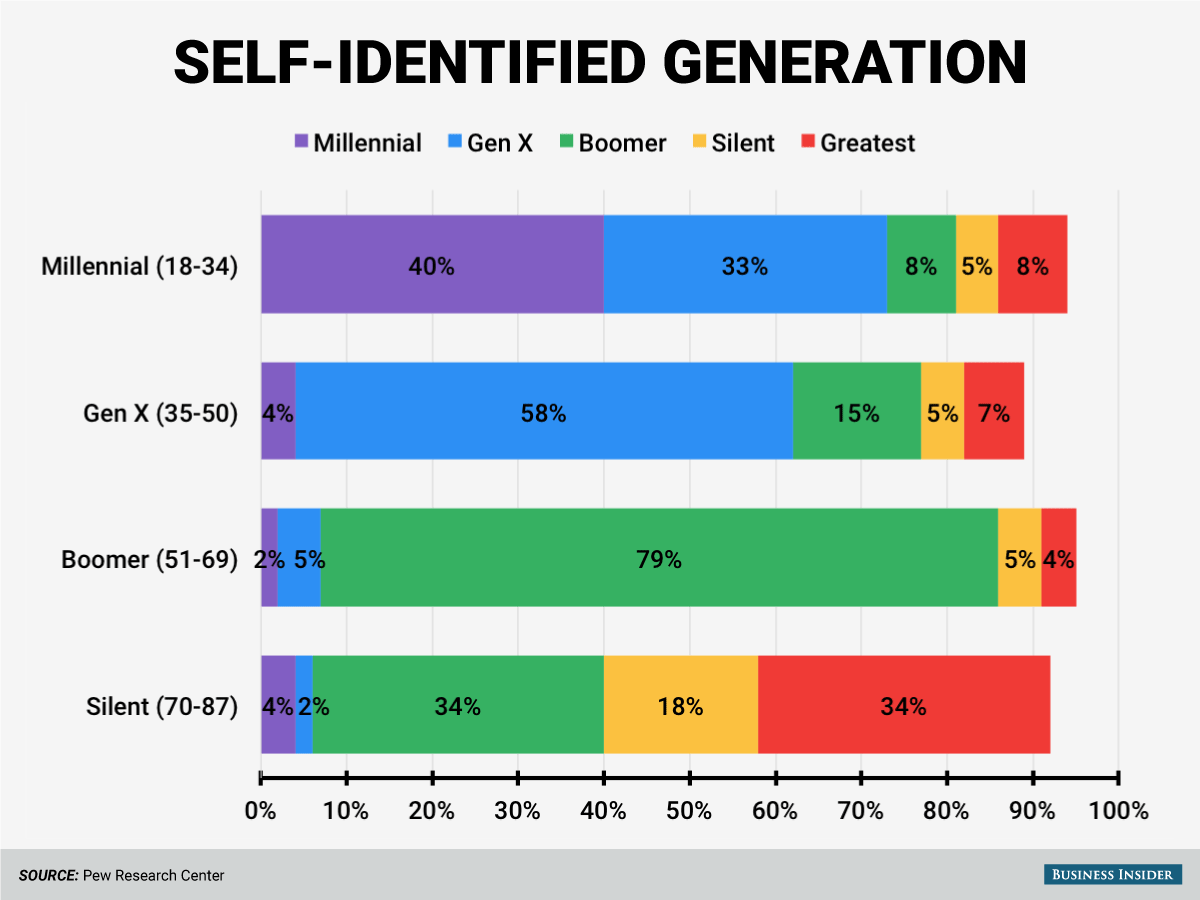
The Future of Millennial Brand Engagement
As Millennials move into the “older” demographic brackets over the next decade, their influence will not wane; it will merely evolve. They are currently the parents of Gen Alpha and the managers of Gen Z, meaning they act as the “cultural gatekeepers” of the household and the office. Brands that have successfully identified the Millennial age range and adapted their strategies accordingly are not just winning today’s market—they are setting the foundation for the future of consumerism.
In conclusion, knowing that Millennials were born between 1981 and 1996 is only the beginning. For a brand to thrive, it must translate those dates into a comprehensive strategy that respects the generation’s history, mirrors their values, and speaks their visual language. The Millennial generation is no longer the “young disruptor”; they are the primary architects of the global economy, and your brand strategy must reflect that reality.
aViewFromTheCave is a participant in the Amazon Services LLC Associates Program, an affiliate advertising program designed to provide a means for sites to earn advertising fees by advertising and linking to Amazon.com. Amazon, the Amazon logo, AmazonSupply, and the AmazonSupply logo are trademarks of Amazon.com, Inc. or its affiliates. As an Amazon Associate we earn affiliate commissions from qualifying purchases.