
In the modern digital landscape, the phrase “what’s playing” has transcended its literal meaning. It no longer refers merely to a linear schedule of television programs but encompasses a complex synergy of hardware, software, and network architecture. When we look at Apple TV—both the physical 4K micro-console and the tvOS platform—we are looking at the pinnacle of home entertainment technology. Apple has positioned its television strategy at the intersection of high-performance silicon and seamless software integration, creating an ecosystem that prioritizes technical fidelity over the advertising-heavy models adopted by its competitors.

This article explores the technical foundations of the Apple TV ecosystem, analyzing the hardware capabilities, the sophistication of tvOS, and the infrastructure that enables high-bitrate streaming and smart home integration.
1. The Silicon Edge: Hardware Capabilities of the Apple TV 4K
At the heart of the Apple TV experience lies a fundamental tech advantage: the A-series Bionic chips. Unlike many streaming sticks that utilize low-power, generic processors designed for cost-efficiency, Apple utilizes its proprietary silicon to ensure that the user interface remains fluid and the processing overhead is sufficient for advanced computational tasks.
The Power of the A15 Bionic Chip
The most recent iterations of the Apple TV 4K utilize the A15 Bionic chip, the same architecture that powered the iPhone 13 Pro. In a streaming device, this level of processing power is arguably “overkill” for simple video playback, but it serves a specific technical purpose. The A15 allows for instantaneous app switching, rapid asset loading, and enough GPU headroom to handle sophisticated gaming via Apple Arcade. More importantly, it provides the computational power necessary for advanced video decoding and frame-rate matching without the stuttering common in underpowered hardware.
High-Fidelity Output: HDMI 2.1 and Beyond
The hardware is designed for the most demanding audiovisual standards. With support for HDMI 2.1, the Apple TV 4K can handle high-frame-rate HDR video, providing a smoother experience for sports and action content. The device supports a wide array of formats, including:
- Dolby Vision: Utilizing dynamic metadata to optimize picture quality scene-by-scene.
- HDR10+: Ensuring compatibility with the latest high-end displays from manufacturers like Samsung.
- Color Calibration: A unique software-hardware feature that uses an iPhone’s proximity sensor and camera to calibrate the color balance of the television, compensating for display inaccuracies at the source level.
2. tvOS: A Masterclass in Software Optimization
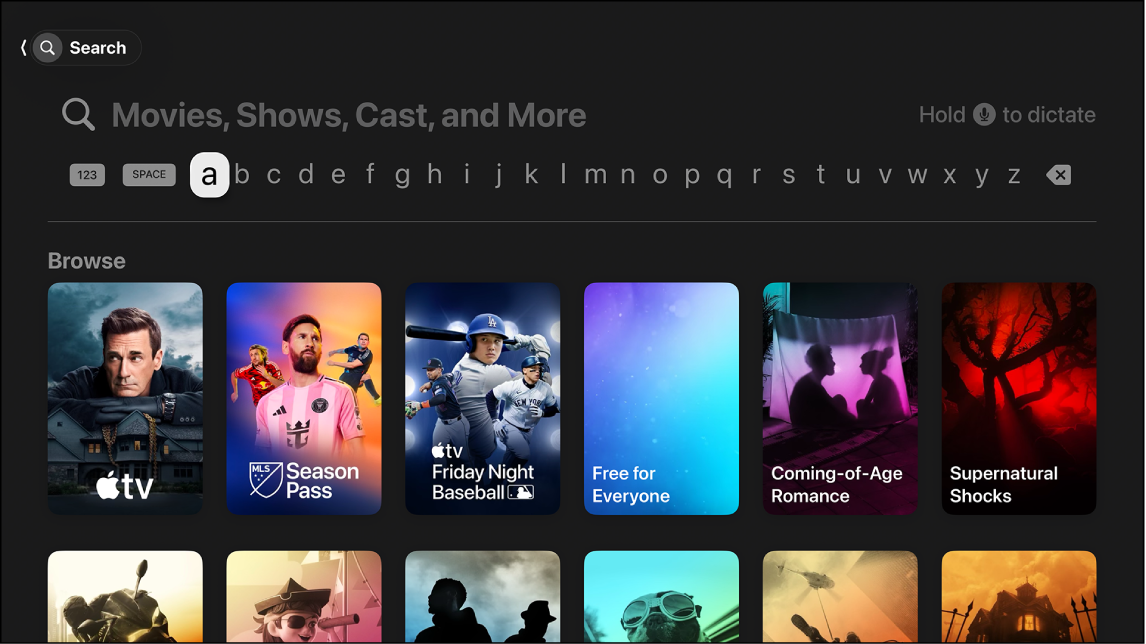
While hardware provides the foundation, tvOS is the engine that drives the user experience. Built on a foundation of iOS, tvOS is designed to be a “lean-back” interface that prioritizes speed and discoverability while maintaining a clean, minimalist aesthetic that avoids the clutter of sponsored content and intrusive banners.
The Architecture of Fluidity
The “Top Shelf” feature and the fluid grid of icons are supported by a robust caching system. When a user hovers over an app, the system pre-fetches metadata and previews, ensuring that the transition from the home screen to content playback is nearly instantaneous. This is achieved through a sophisticated “On-Demand Resources” (ODR) system, which allows developers to keep the initial app download small while fetching high-quality assets in the background as needed.
Connectivity and the Smart Home Hub
Beyond entertainment, the Apple TV serves as the central “Brain” or hub for the smart home. Because it is a mains-powered device that is almost always connected to the internet, it serves as a Thread Border Router.
- Matter and HomeKit: Apple TV acts as a local server for HomeKit-enabled devices. This means that when you ask Siri to turn off the lights, the command is often processed locally on the Apple TV rather than being sent to a distant cloud server, significantly reducing latency.
- Multi-User Recognition: tvOS uses Voice ID to recognize different family members via the Siri Remote. This technical layer allows the system to switch profiles automatically, ensuring that “What’s Playing” is tailored to the specific viewer’s history and preferences.

3. The Technical Standard of Apple TV+: Bitrates and Buffering
When discussing “what’s playing,” we must address the content delivery network (CDN) and the technical quality of the stream itself. Apple TV+ (the streaming service) is widely regarded by tech enthusiasts as having the highest bitrate in the industry, often outperforming Netflix, Disney+, and Amazon Prime Video in raw data transmission.
High-Bitrate Delivery Strategy
While many services compress 4K video down to 15-20 Mbps to save on bandwidth costs, Apple TV+ has been observed peaking at 30-40 Mbps. This higher ceiling reduces compression artifacts, particularly in dark scenes or high-motion sequences.
- HEVC (H.265) Implementation: Apple uses advanced HEVC encoding profiles that maximize the efficiency of every bit. By utilizing the hardware-accelerated decoding of the A-series chips, the device can maintain these high bitrates without overheating or causing UI lag.
- Adaptive Bitrate Streaming (ABS): Apple’s implementation of ABS is particularly aggressive. It is designed to “ramp up” to the highest possible quality faster than competitors, meaning users spend less time looking at a blurry 720p image while the buffer fills.
Audio Excellence: Spatial Audio and Continuity
The tech behind the sound is just as critical. The Apple TV supports Dolby Atmos, but its most impressive feat is the integration with the AirPods ecosystem.
- Spatial Audio with Dynamic Head Tracking: Using the accelerometers in AirPods, the Apple TV creates a 360-degree soundstage. If you turn your head to the left, the audio “stays” anchored to the television screen. This requires incredibly low-latency Bluetooth transmission and real-time audio re-rendering, a feat made possible by the H1 and H2 chips in the headphones communicating with the A-series chip in the box.
4. Future-Proofing through AI and Machine Learning
As we look toward the future of what’s playing on our screens, Apple is increasingly leaning on On-Device Machine Learning (ML) to enhance the viewing experience.
Enhanced Dialogue and Audio Processing
One of the most common complaints in modern home cinema is the difficulty of hearing dialogue over loud background music or sound effects. Apple’s latest technical solution is “Enhance Dialogue,” an ML-driven feature that analyzes the center audio channel in real-time. It identifies human vocal frequencies and boosts them while suppressing ambient noise, all without requiring a dedicated center-channel speaker. This is a purely computational solution to a hardware problem.
The Vision Pro Connection
The technology within the Apple TV is now converging with “Spatial Computing.” The Vision Pro headset can utilize the Apple TV as a source, or conversely, the Apple TV can serve as a conduit for AirPlay content viewed in a virtual environment. This ecosystem-wide technical synergy ensures that the content—the “what’s playing”—is no longer tethered to a physical panel but can exist as a high-fidelity data stream accessible across various form factors.
Conclusion: The Integrated Future
Apple’s approach to television is a testament to the power of vertical integration. By designing the silicon, the operating system, and the content delivery protocols in-house, they have eliminated the bottlenecks that plague other platforms. “What’s playing on Apple TV” isn’t just a selection of movies and shows; it is a showcase of how high-performance computing can be harnessed to create a seamless, high-fidelity window into digital media.
For the tech-conscious consumer, the Apple TV remains the gold standard because it treats the act of streaming not as a commodity service, but as a high-end computational task. As bitrates climb, AI-driven audio becomes the norm, and the smart home becomes more integrated, the Apple TV stands ready as the central processor of the modern living room.
aViewFromTheCave is a participant in the Amazon Services LLC Associates Program, an affiliate advertising program designed to provide a means for sites to earn advertising fees by advertising and linking to Amazon.com. Amazon, the Amazon logo, AmazonSupply, and the AmazonSupply logo are trademarks of Amazon.com, Inc. or its affiliates. As an Amazon Associate we earn affiliate commissions from qualifying purchases.