
In an increasingly interconnected world, the simple question “what’s my address now?” has taken on a profoundly complex and multifaceted meaning. No longer limited to a physical street, city, and zip code, our “address” today is a sprawling digital mosaic, encompassing everything from our IP address and online profiles to our location data, blockchain wallet identifiers, and even our virtual real estate in the metaverse. For individuals and businesses alike, understanding, managing, and securing this dynamic digital self is no longer optional but a critical imperative in the age of pervasive technology.
This article delves into the evolving concept of “address” through a technological lens, exploring how our digital identities are formed, tracked, and utilized. We’ll examine the various forms our digital addresses take, the privacy implications of their proliferation, and the strategies for maintaining control and clarity in a landscape designed for constant flux. As technology continues to reshape our lives, comprehending where and who we are in the digital realm becomes essential for security, privacy, and effective interaction.
The Evolving Definition of “Address” in a Digital World
The quaint notion of a single, static address has been thoroughly dismantled by the digital revolution. While our physical address remains constant for mail and deliveries, our digital existence is characterized by a myriad of shifting, often invisible, addresses that define our presence, access, and interactions across countless platforms and devices. This evolution necessitates a fundamental re-evaluation of what “address” truly signifies in the 21st century.
From Physical to Digital Coordinates
Historically, an address was a fixed point in geographic space, essential for navigation and communication. The internet, however, introduced a parallel universe of addresses. The very foundation of network communication relies on IP addresses – unique numerical labels assigned to every device connected to a computer network that uses the Internet Protocol for communication. Whether it’s your smartphone, laptop, or smart refrigerator, each possesses an IP address that dictates its location and identity within the vast digital ocean. These aren’t just for routing data; they can often be used to infer geographical location, leading to targeted advertising and content delivery.
The Multiplicity of Digital Identities
Beyond IP addresses, our digital “addresses” extend to an ever-growing array of identifiers. Each online account we create – email, social media, banking, e-commerce – generates a unique identifier, often tied to our username, email address, or phone number. These identifiers, collectively, form a fragmented but comprehensive digital identity. When we ask “what’s my address now,” we might be implicitly asking: What is my username on X platform? What is my handle on Y service? What email did I use for Z? This proliferation of identifiers complicates identity management and introduces new challenges for security and data privacy. The sheer volume can be overwhelming, leading to password fatigue and a lack of awareness about one’s full digital footprint.
Data as the New Coordinates
In a more abstract sense, our “address” can also be understood as the data points we generate and where they reside. Every search query, every click, every purchase, every location ping from our smartphone contributes to a data profile that, in essence, “addresses” us as a unique consumer, user, or individual. This data, stored across countless servers and cloud services, defines where we are digitally perceived, what our interests are, and how we might be targeted. This makes our data profile a powerful, albeit often invisible, address that governs much of our online experience.
Decoding Your Digital Footprint: From IP to Data Trails
Understanding your digital footprint is the first step towards answering “what’s my address now” with clarity. This footprint isn’t a single entity but a composite of various technical identifiers and behavioral data trails that collectively define your presence and activity in the digital realm. Recognizing these components is crucial for digital literacy and personal security.
IP Addresses: Your Internet Gateway
Your Internet Protocol (IP) address is perhaps the most fundamental digital address. It’s how your device communicates with websites and services across the internet. There are two main types:
- Public IP Address: This is the address assigned to your network by your Internet Service Provider (ISP). It’s what the outside world sees when you connect to a website or service. Tools and websites exist specifically to answer “what’s my public IP address now,” providing immediate insight into your network’s external identifier.
- Private IP Address: Within your home or office network, devices have private IP addresses. These are not directly visible to the internet and are managed by your router.
Understanding your IP address helps in troubleshooting network issues, accessing geo-restricted content (often via VPNs that mask your true IP), and grasping a foundational element of your online presence.
MAC Addresses and Device Fingerprinting
Beyond IP, devices also have a Media Access Control (MAC) address, a unique hardware identifier embedded in network interfaces (like Wi-Fi cards). While MAC addresses are typically confined to local networks, their use in combination with other device characteristics (like browser type, operating system, plugins, screen resolution, time zone) can create a unique “device fingerprint.” This fingerprint acts as another form of digital address, allowing websites and advertisers to identify and track individual devices even without cookies or direct logins. This sophisticated tracking mechanism makes it harder to disappear online, as your device itself carries a unique signature.
Cookies, Trackers, and Behavioral Addresses
Cookies are small data files stored on your browser by websites you visit, used to remember your preferences, login status, and browsing history. While many are benign, third-party cookies and other tracking technologies (like web beacons and pixels) are used by advertisers and analytics firms to build detailed profiles of your online behavior. Your “behavioral address” is essentially the sum of these tracking data points, indicating which websites you visit, what you search for, what you click on, and what you purchase. This address is constantly updated and refined, making you a target for personalized content and advertisements, but also raising significant privacy concerns.
Geo-Location Data: Your Physical Digital Address
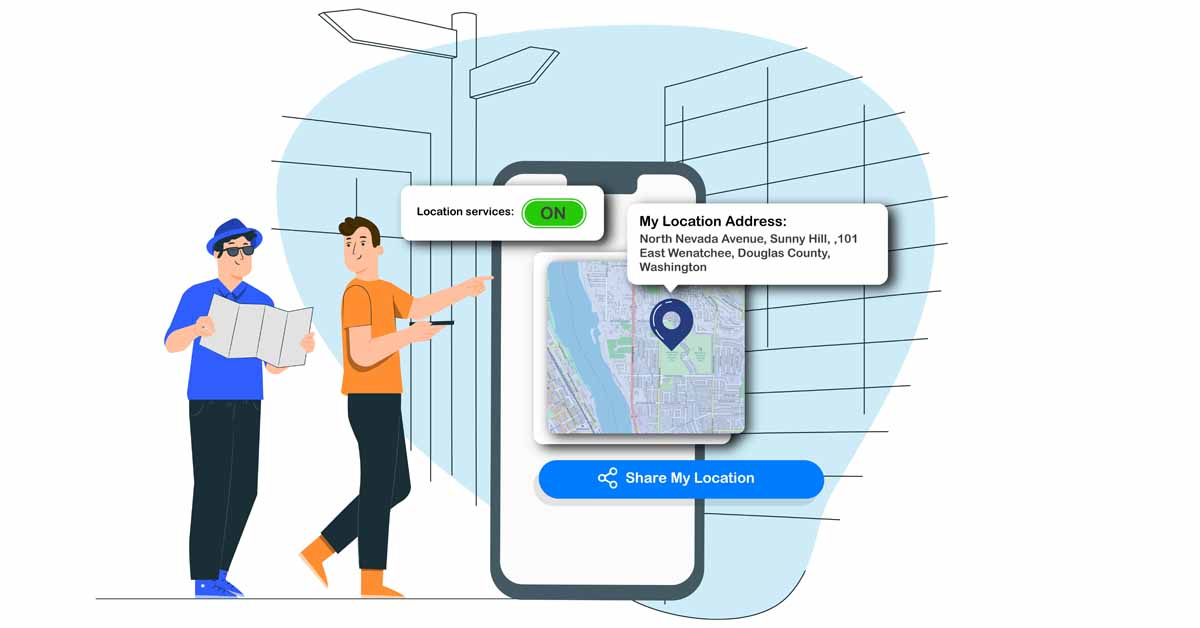
Perhaps the most direct link to your physical self in the digital world is geo-location data. Smartphones, smartwatches, and even laptops frequently collect and transmit your precise geographical coordinates. Whether through GPS, Wi-Fi triangulation, or cell tower signals, apps and services often request access to this “physical digital address.” This data can be used for navigation, location-based services (like finding nearby restaurants), or emergency assistance. However, it also enables highly granular tracking of your movements, creating a digital trail of your physical whereabouts that can be exploited if not properly secured and managed.
The Privacy Paradox: Reclaiming Your Digital Address
The proliferation of digital addresses creates a fundamental tension: the convenience of personalized services versus the erosion of privacy. Reclaiming control over your digital address is about understanding this paradox and actively managing your online presence and data.
The Illusion of Anonymity
Many users operate under the illusion of anonymity online, believing their activities are private or untraceable. However, as we’ve seen, various digital addresses (IP, device fingerprints, behavioral data) conspire to create a remarkably detailed profile of individuals. Even seemingly anonymous browsing can be de-anonymized through sophisticated data correlation techniques. The “address” of your online actions can almost always be linked back to you, directly or indirectly, if enough data is collected and analyzed.
Navigating Privacy Settings and Permissions
A crucial step in reclaiming your digital address involves diligent management of privacy settings and app permissions. Every app on your smartphone, every social media platform, and every web browser comes equipped with a suite of privacy controls. These allow you to dictate what data is collected, who it’s shared with, and for what purposes. Regularly reviewing and adjusting these settings – denying unnecessary location access, limiting ad tracking, choosing stricter cookie policies – can significantly reduce the breadth of your digital footprint and the granularity of your “behavioral address.”
Tools for Digital Self-Defense
Fortunately, a growing ecosystem of tools and technologies empowers users to protect their digital addresses:
- Virtual Private Networks (VPNs): By encrypting your internet traffic and routing it through a server in a different location, VPNs mask your true IP address, making it appear as though you’re browsing from elsewhere. This effectively changes your network-level digital address.
- Privacy-Focused Browsers and Search Engines: Browsers like Brave or Firefox Focus, and search engines like DuckDuckGo, prioritize user privacy by blocking trackers, limiting data collection, and not building user profiles.
- Password Managers: Securely manage the multitude of login “addresses” you maintain, reducing the risk of credential stuffing attacks and promoting stronger, unique passwords for each service.
- Ad Blockers and Tracker Blockers: These browser extensions prevent third-party trackers and intrusive advertisements from collecting your behavioral data, thus limiting the extent of your “behavioral address.”
Utilizing these tools helps erect digital fences around your data, allowing you to selectively reveal or conceal parts of your digital identity as needed.
Beyond the Browser: Addresses in Web3 and Emerging Tech
The concept of a digital “address” is undergoing another significant transformation with the advent of Web3, blockchain technology, and immersive virtual environments like the metaverse. These new paradigms introduce novel forms of addresses that demand attention and understanding.
Blockchain Wallet Addresses: Your Decentralized Bank Account
In the world of cryptocurrencies and decentralized finance (DeFi), a “wallet address” is paramount. This is a unique alphanumeric string that functions as a public identifier for your cryptocurrency wallet, similar to a bank account number. When you send or receive Bitcoin, Ethereum, or any other digital asset, you use a blockchain wallet address. These addresses are pseudonymous – they don’t directly reveal your real-world identity, but all transactions associated with them are publicly recorded on the blockchain. For anyone venturing into crypto, knowing “what’s my wallet address now” is as critical as knowing your bank account details. Managing the security of these addresses and the private keys associated with them is vital to prevent loss of digital assets.
NFTs and Digital Asset Ownership
Non-fungible tokens (NFTs) represent unique digital assets, from art and music to virtual real estate. When you own an NFT, its ownership is recorded on a blockchain, typically linked to your wallet address. Therefore, your wallet address becomes the verifiable “address” of your digital possessions. This extends the concept of ownership from physical items to unique digital ones, and your blockchain address becomes the proof of that ownership in a decentralized ledger.
Metaverse Avatars and Virtual Real Estate
The metaverse envisions persistent, interconnected virtual worlds where users, represented by avatars, can interact, work, play, and transact. In these environments, your avatar itself becomes a form of digital address – your representation and identity within that virtual space. Furthermore, the concept of “virtual real estate” emerges, where parcels of digital land can be bought, sold, and developed. The ownership of this virtual land is often tied to NFTs and, by extension, to your blockchain wallet address. As the metaverse evolves, understanding your avatar’s identity and the address of your virtual property will become new facets of your digital address.
Mastering Your Digital Address: Best Practices for the Future
Navigating the complex landscape of digital addresses requires proactive management and a commitment to continuous learning. As technology continues its relentless pace, what constitutes our “address” will undoubtedly evolve further. Mastering it means adopting a strategic approach to your digital presence.
Audit Your Digital Footprint Regularly
Periodically conduct a “digital audit” of yourself. Search your name online, review your social media profiles, check privacy settings on frequently used apps, and even use tools to see what information about your IP address is publicly visible. Understand where your various digital “addresses” are present and what information they reveal. This regular reconnaissance helps identify dormant accounts, outdated information, or unexpected data exposures.
Embrace Digital Hygiene and Security Protocols
Strong passwords, two-factor authentication (2FA), and secure Wi-Fi connections are the foundational elements of digital hygiene. Treat your digital addresses – especially email, banking logins, and crypto wallet addresses – with the same care you would your physical home address and keys. Be wary of phishing attempts that try to trick you into revealing these critical identifiers. Education on cybersecurity best practices is not merely a recommendation; it’s a necessity for protecting your multifaceted digital self.
Differentiate and Segment Your Digital Selves
Consider creating different “digital addresses” for different purposes. For instance, use a primary email for important communications and a secondary one for newsletters and less critical sign-ups. Employ different usernames and profiles for professional versus personal social media. This segmentation can help contain potential breaches and makes it easier to manage the privacy settings of various parts of your digital identity without affecting others. It’s like having multiple mailboxes for different types of mail, rather than a single, overflowing one.
Stay Informed About Emerging Technologies and Privacy Regulations
The landscape of digital addresses is dynamic. New technologies like Web3, quantum computing, and advanced AI will introduce new forms of digital identification and new privacy challenges. Simultaneously, regulatory frameworks like GDPR and CCPA are continually evolving to give individuals more control over their data. Staying informed about these developments will empower you to adapt your digital address management strategies and advocate for stronger privacy protections.
In conclusion, the question “what’s my address now?” is far more profound than it appears on the surface. It compels us to confront the intricate web of digital identifiers, data trails, and virtual presences that define us in the modern technological era. By actively understanding, managing, and securing these evolving digital addresses, we can move from passively existing online to confidently owning and shaping our digital selves, ensuring privacy, security, and control in a world that is always connected.
aViewFromTheCave is a participant in the Amazon Services LLC Associates Program, an affiliate advertising program designed to provide a means for sites to earn advertising fees by advertising and linking to Amazon.com. Amazon, the Amazon logo, AmazonSupply, and the AmazonSupply logo are trademarks of Amazon.com, Inc. or its affiliates. As an Amazon Associate we earn affiliate commissions from qualifying purchases.