
In the traditional sense, collaboration was defined by physical proximity—a group of professionals gathered around a mahogany conference table, red pens in hand, marking up physical drafts. However, in the contemporary technological landscape, the question “what does collaboration mean?” has shifted from a social query to a technical one. Today, collaboration is the seamless integration of human intellect with sophisticated software ecosystems. It is no longer just about “working together”; it is about the synchronized orchestration of data, real-time communication, and cloud-based infrastructure that allows global teams to function as a single, unified organism.
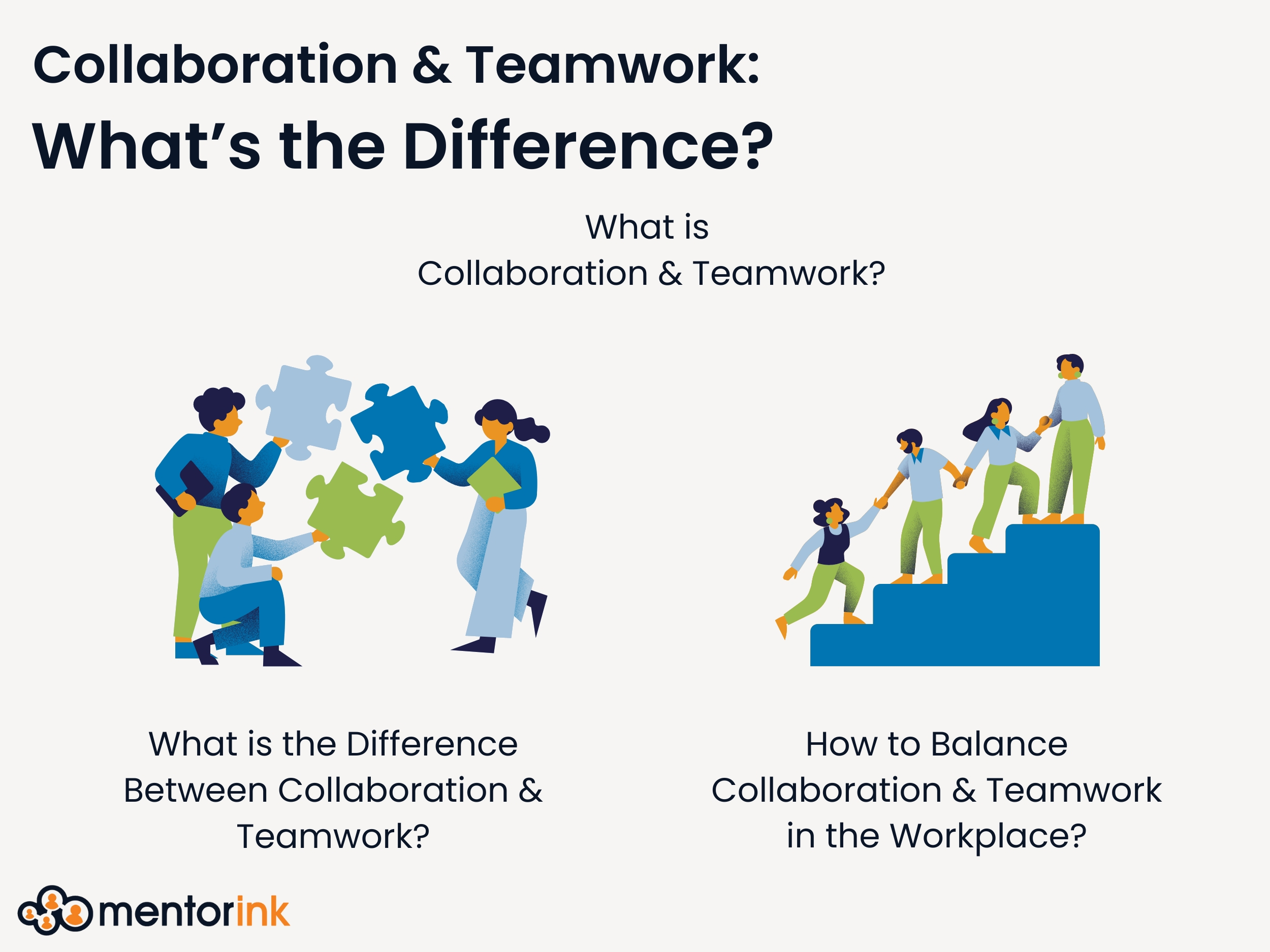
In this tech-centric exploration, we define collaboration through the lens of digital architecture, examining how software stacks, artificial intelligence, and cybersecurity frameworks have redefined the boundaries of collective productivity.
1. The Technological Evolution of Collaborative Ecosystems
The definition of collaboration has undergone a radical transformation, moving from episodic interactions to continuous, persistent digital environments. In the early days of the internet, collaboration was limited to asynchronous exchanges—primarily email. Today, the “Digital Headquarters” has replaced the physical office, creating a paradigm where the location of the worker is secondary to their connection to the tech stack.
From Synchronous to Asynchronous Flow
One of the most significant shifts in tech-driven collaboration is the mastery of asynchronous workflows. Historically, collaboration required everyone to be “on” at the same time. Modern tools like Notion, Slack, and Loom have redefined collaboration to mean the ability to contribute to a project at any time, from any time zone, without stalling the momentum of the team. This is made possible by “persistent state” technology, where the workspace evolves in real-time and saves every iteration, allowing a developer in Tokyo to pick up exactly where a designer in New York left off.
The Rise of the “Single Source of Truth”
In the legacy model, collaboration often resulted in version control nightmares—multiple files named “finalv2final.” In the modern tech niche, collaboration means the establishment of a “Single Source of Truth” (SSOT). Through cloud-native platforms like Google Workspace or Microsoft 365, collaboration is defined by the elimination of data silos. When multiple users edit a single cloud-hosted document simultaneously, the technology ensures that data integrity is maintained, effectively changing the meaning of collaboration from “sharing copies” to “shared access to a living asset.”
2. Deconstructing the Modern Collaboration Tech Stack
To understand what collaboration means today, one must look at the specific layers of technology that facilitate it. We no longer rely on a single application; instead, we utilize a “stack” of interconnected tools that communicate with one another via APIs (Application Programming Interfaces).
Communication Hubs and Integrated Messaging
The core of digital collaboration lies in centralized communication hubs. Platforms like Slack and Microsoft Teams have moved beyond simple chat functions. They now act as the “operating system” for the workplace. In this context, collaboration means “integrative communication”—where your GitHub pull requests, Jira tickets, and Salesforce updates all feed into a single channel. This ensures that the conversation is always contextualized by live data, reducing the “toggle tax” (the cognitive cost of switching between apps).
Project Management and Workflow Automation
Collaboration in the tech world is increasingly defined by visibility and accountability. Tools such as Asana, Monday.com, and ClickUp have turned abstract goals into granular, trackable data points. Here, collaboration means “transparency of process.” With automated dependencies, a developer knows the moment a UI/UX asset is ready because the software triggers a notification and moves the task forward. This automation removes the need for “status update” meetings, allowing collaboration to focus on high-level problem solving rather than administrative overhead.
Developer-Specific Collaboration: The GitHub Model
For those in software engineering, collaboration has a very specific technical meaning: the “Pull Request” and “Code Review.” Platforms like GitHub and GitLab have pioneered a model of collaboration based on “forking” and “merging.” This allows hundreds of developers to work on the same codebase simultaneously without overwriting each other’s work. This model of “version-controlled collaboration” is perhaps the most advanced form of teamwork in existence, providing a blueprint for how other industries might eventually manage complex, multi-contributor projects.
3. The Role of Artificial Intelligence as a Collaborative Partner
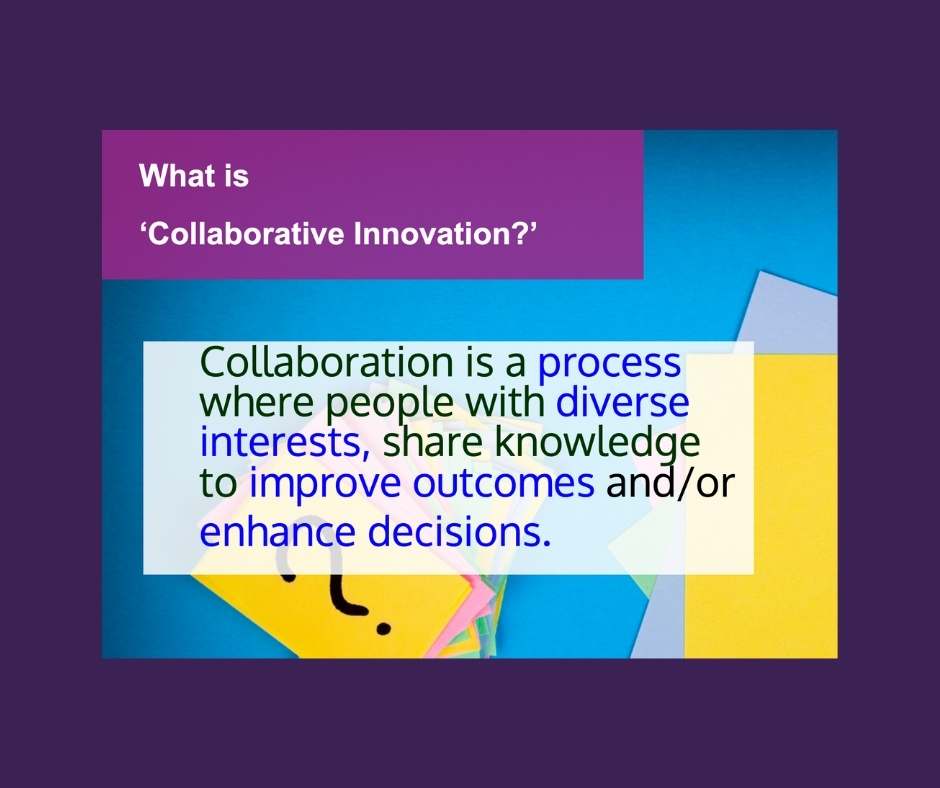
The most recent shift in the meaning of collaboration involves the introduction of non-human entities into the team. With the advent of Large Language Models (LLMs) and Generative AI, collaboration is no longer strictly a human-to-human endeavor; it is now human-to-AI.
AI as the “Silent Facilitator”
In modern meeting software like Zoom or Otter.ai, AI-driven collaboration means the automatic transcription and summarization of discussions. The AI acts as a participant that captures action items, sentiment, and key decisions. This technological layer ensures that the “collaborative intelligence” of a meeting is not lost the moment the call ends. It transforms spoken words into searchable, actionable data, effectively extending the lifespan of a collaborative moment.
Copilots and Pair Programming
In the realm of software development and content creation, tools like GitHub Copilot represent a new form of “augmented collaboration.” When a coder writes a function, the AI suggests the next ten lines of code. In this scenario, collaboration means a symbiotic relationship between human creativity and machine efficiency. The AI doesn’t just “help”; it collaborates by anticipating needs based on vast datasets, allowing the human lead to focus on architectural decisions rather than syntax.
Breaking Language Barriers with Real-Time Translation
Technology has also redefined collaboration by neutralizing geographical and linguistic barriers. Neural machine translation integrated into collaboration platforms allows a team spanning five countries to communicate in their native tongues, with the software providing real-time, high-fidelity translation. In this tech-driven era, collaboration means the “democratization of input,” where the best ideas can surface regardless of the contributor’s primary language.
4. Security, Privacy, and the Infrastructure of Trust
As collaboration becomes increasingly digital, its definition must expand to include the protection of the data being shared. You cannot have effective collaboration without a secure framework. In the tech sector, collaboration is inextricably linked to cybersecurity.
The Zero Trust Architecture
In a world of remote work and cloud access, collaboration now happens outside the traditional “corporate firewall.” This has led to the “Zero Trust” model of collaboration. In this framework, collaboration means “verified access.” Every time a user accesses a shared folder or joins a private Slack channel, their identity is cryptographically verified. Technology ensures that the collaborative environment remains a “walled garden,” protecting intellectual property while allowing for fluid exchange between authorized parties.
End-to-End Encryption and Data Sovereignty
For industries dealing with sensitive data, such as fintech or healthcare tech, collaboration is defined by the protocols that keep data private. Using end-to-end encrypted platforms like Signal or specialized secure file-sharing services, teams can collaborate on sensitive projects with the assurance that no third party—not even the service provider—can intercept their communications. Here, the meaning of collaboration is “secure collective effort,” where the tech stack provides a “safe room” for innovation.
Managing Shadow IT
A significant challenge in modern tech collaboration is “Shadow IT”—the use of unauthorized apps by employees to get work done. For a CTO, managing collaboration means “governance.” It involves providing a suite of tools that are so intuitive and powerful that team members don’t feel the need to use insecure, third-party alternatives. True collaboration in a corporate tech environment is the balance between user autonomy and centralized security.
The Future: Spatial Computing and the Metaverse
As we look toward the next decade, the meaning of collaboration is set to shift again with the rise of spatial computing (AR/VR). In this upcoming phase, collaboration will mean “virtual presence.” Using headsets like the Apple Vision Pro or Meta Quest, teams will be able to manipulate 3D digital twins of products in a shared virtual space, even if they are thousands of miles apart.
This evolution represents the closing of the circle. We began with physical collaboration, moved to 2D digital collaboration (screens and text), and are now heading toward 3D digital collaboration. The technology is finally reaching a point where it can simulate the nuances of human interaction—eye contact, spatial audio, and tactile feedback—within a digital environment.
Conclusion
So, what does collaboration mean? In the world of technology, it is the art of synchronizing human talent through a sophisticated web of software, hardware, and protocols. It is the transition from “working in the same place” to “working in the same digital state.” By leveraging the power of cloud computing, AI, and secure networks, modern organizations have turned collaboration into a scalable, data-driven, and highly efficient engine of innovation. As the tech stack continues to evolve, the definition of collaboration will only become more integrated, moving us toward a future where the friction of distance and the barriers of language are permanently erased.
aViewFromTheCave is a participant in the Amazon Services LLC Associates Program, an affiliate advertising program designed to provide a means for sites to earn advertising fees by advertising and linking to Amazon.com. Amazon, the Amazon logo, AmazonSupply, and the AmazonSupply logo are trademarks of Amazon.com, Inc. or its affiliates. As an Amazon Associate we earn affiliate commissions from qualifying purchases.