
The Super Bowl is no longer just a championship football game; it is arguably the most successful piece of corporate intellectual property in the history of sports and entertainment. While the official record books answer the fundamental question—the first Super Bowl took place on January 15, 1967—the transformation of that singular event into a global powerhouse is a masterclass in brand strategy, positioning, and long-term equity building.
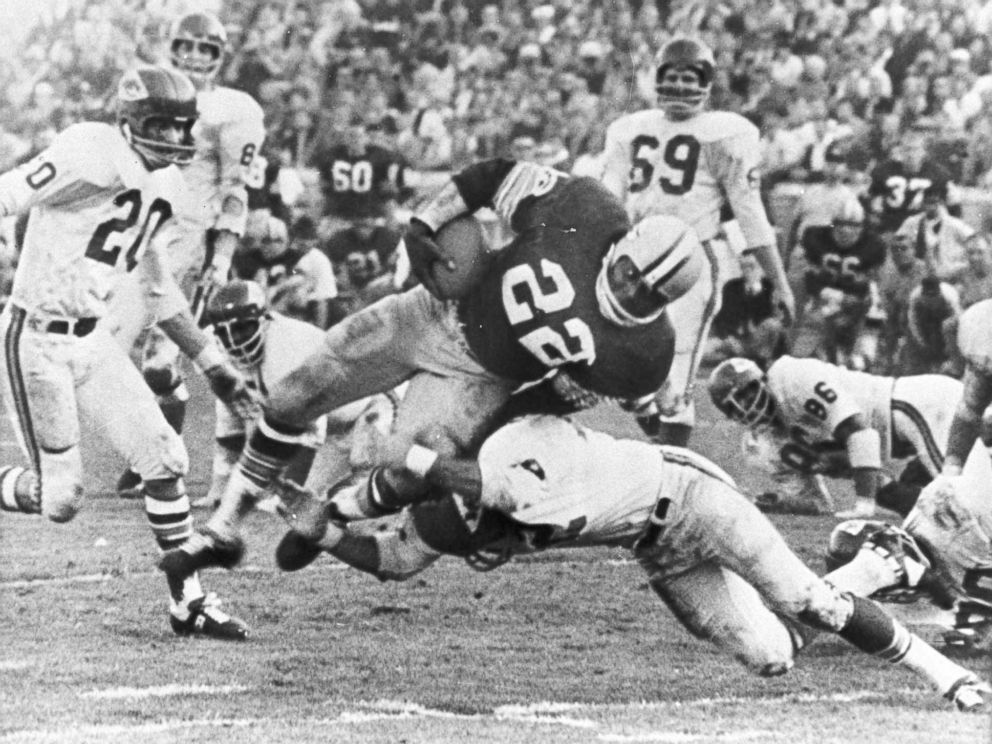
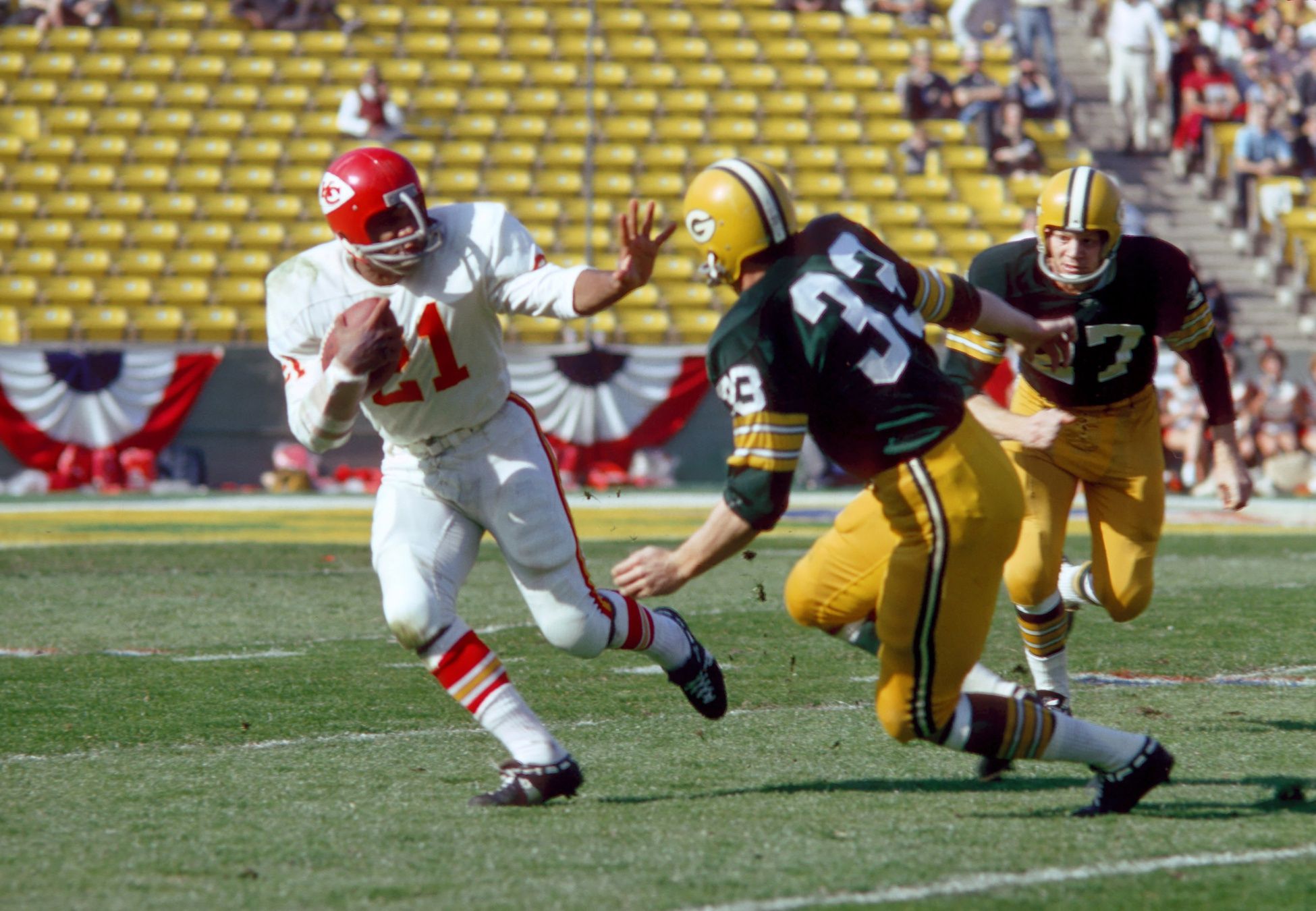
When the Green Bay Packers faced the Kansas City Chiefs in 1967, the term “Super Bowl” wasn’t even the official title. It was the “AFL-NFL World Championship Game.” However, the seeds of a massive corporate identity were sown that day in Los Angeles. Over the subsequent decades, the NFL has meticulously curated this brand, turning a four-hour broadcast into a year-round marketing vehicle that dictates trends in advertising, entertainment, and consumer behavior.
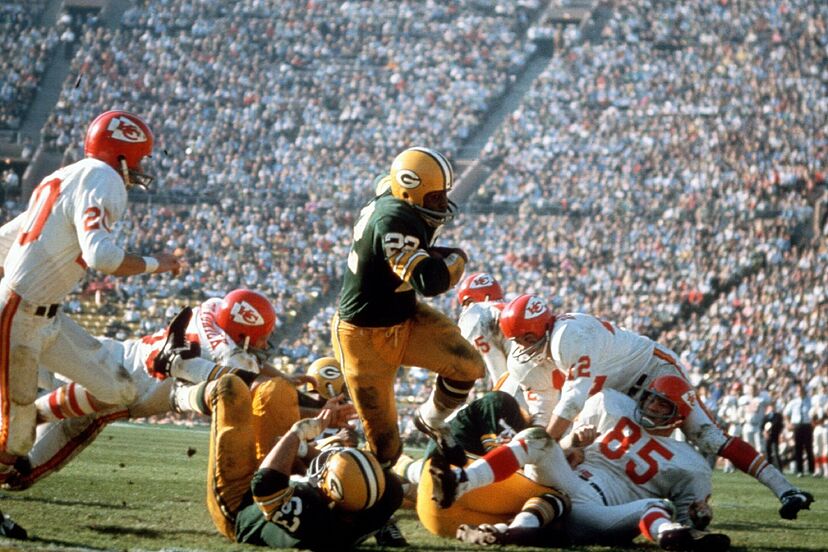
1967 and the Genesis of a Sport-Business Hybrid
To understand the Super Bowl brand, one must look at the competitive landscape of the mid-1960s. The established National Football League (NFL) was facing a brash, innovative challenger in the American Football League (AFL). The merger agreement between these two rivals required a championship game to determine professional football supremacy. This was the moment the brand was born, out of a need to unify two disparate corporate identities into a single, cohesive product.
Defining the AFL-NFL Identity
In 1967, the brand was fragmented. The game was broadcast simultaneously on two different networks, CBS and NBC, each representing the interests of their respective leagues. From a brand strategy perspective, this was a period of “identity formation.” The NFL represented the “Old Guard”—stoic, traditional, and established. The AFL represented the “New Frontier”—flashy, offensive-minded, and modern. The collision of these two identities created a narrative tension that marketers realized could be exploited for massive audience engagement.
The Birth of a Cultural Intellectual Property
Legend has it that Lamar Hunt, the owner of the Kansas City Chiefs, coined the term “Super Bowl” after watching his daughter play with a “Super Ball” toy. While it sounded informal at the time, the name had a linguistic “stickiness” that the “AFL-NFL World Championship” lacked. By the third iteration of the game, the league officially adopted the “Super Bowl” moniker. This was the first major branding victory for the league. It moved the product away from a descriptive, functional name to an evocative, aspirational brand name that suggested something larger than life.
The Masterclass in Brand Positioning and Scarcity
The Super Bowl’s success as a brand is rooted in the economic principle of scarcity. Unlike the World Series or the NBA Finals, which are best-of-seven series spread across weeks, the Super Bowl is a “one-and-done” event. From a brand positioning standpoint, this turns the game into a “national holiday” rather than just a sporting event.
Elevating the Championship to an Event
The NFL’s brand strategy team understood early on that to maximize value, they had to appeal to more than just the “hardcore football fan.” They needed the “casual observer” and the “non-fan.” By positioning the Super Bowl as a cultural milestone, they expanded their target demographic to 100% of the viewing public. This was achieved through high-production value, celebrity involvement, and the integration of Roman numerals. The use of Roman numerals (starting with Super Bowl V) was a stroke of branding genius, lending the event an air of historical weight and “Grecian” importance that modern digits could not convey.
Leveraging National Pride and Tradition
The brand has successfully entwined itself with the American identity. By incorporating military flyovers, world-class national anthem performances, and patriotic imagery, the NFL positioned the Super Bowl as a symbol of American excellence. For a brand, being synonymous with a culture’s identity is the pinnacle of success. It creates a “moat” around the product that makes it impervious to competition from other sports or entertainment mediums.
The Commercial as the Content: A Revolution in Marketing Strategy
Perhaps the most significant evolution in the Super Bowl brand history occurred not on the field, but during the breaks. In the early days, commercials were standard fare. However, by the 1980s, the Super Bowl had become a laboratory for high-stakes marketing and creative experimentation.
The “1984” Watershed Moment
The year 1984 changed the trajectory of Super Bowl branding forever. Apple’s “1984” commercial, introducing the Macintosh computer, was a cinematic masterpiece directed by Ridley Scott. It aired only once during the Super Bowl, but its impact was global. This moment redefined the Super Bowl as the “World’s Stage” for brand launches. Suddenly, the commercials weren’t just interruptions; they were the content. People began tuning in specifically to see what brands like Apple, Coca-Cola, and Budweiser would do.
Building Brand Equity Through 30-Second Slots
The Super Bowl ad slot became a “Veblen good”—a product where the high price tag actually increases its desirability. As the cost for a 30-second spot climbed into the millions, the mere act of a brand appearing during the Super Bowl became a signal of corporate health and market dominance. If a brand could afford to be there, it was perceived as a leader in its industry. This “signaling effect” is a core component of brand strategy, allowing companies to build massive consumer trust and prestige in a very short window.
Halftime and the Expansion of Global Entertainment Identity
In the first two decades following 1967, the halftime show usually featured college marching bands. While entertaining, it didn’t align with the “Super” brand image the league was trying to build. The shift toward superstar performances was a calculated move to capture a global audience that might not understand the nuances of an “offside” penalty but certainly understood the appeal of a global pop icon.
The Transition to High-Value Spectacle
The turning point was Michael Jackson’s performance at Super Bowl XXVII in 1993. The NFL realized that by booking the biggest stars in the world, they could maintain—and even grow—viewership during what used to be a “bathroom break.” From a brand perspective, this transformed the Super Bowl into a multi-platform entertainment franchise. It allowed the NFL to partner with major music labels and sponsors (like Pepsi), creating a “brand ecosystem” where everyone involved benefited from the massive exposure.
Cross-Promotional Synergy and Celebrity Branding
Today, the halftime show is a branding vehicle within a branding vehicle. Artists often see a massive spike in album sales and social media followers post-performance. For the NFL, this expands their brand reach into different sub-cultures—whether it’s the hip-hop community, country music fans, or international audiences. This cross-pollination ensures the Super Bowl remains relevant in an increasingly fragmented media landscape.
Modern Digital Brand Integration and Future Outlook
As we look past the 50-year mark of this storied event, the Super Bowl brand is undergoing its most significant transformation yet: the shift from linear television to an omnichannel digital experience. The brand is no longer confined to a single Sunday in February.
Second-Screen Engagement and Social Media Dominance
In the modern era, the Super Bowl brand lives on Twitter (X), Instagram, and TikTok. Brands now launch “pre-game” teasers weeks in advance, building a narrative arc that culminates in the live broadcast. This “extended brand lifecycle” allows for deeper consumer engagement. The “Real-Time Marketing” era—famously highlighted by Oreo’s “Dunk in the Dark” tweet during the Super Bowl XLVII blackout—showed that the Super Bowl brand is now a conversation, not just a broadcast.
Future-Proofing the Super Bowl Brand Architecture
To maintain its dominance, the NFL is constantly evolving the Super Bowl brand to meet the needs of a younger, tech-savvy generation. This includes experiments with the Metaverse, NFT integrations, and advanced data analytics to personalize the fan experience. The core of the brand strategy remains the same as it was in 1967: create a spectacle so large that it is impossible to ignore. However, the delivery mechanisms are becoming more sophisticated, ensuring that the Super Bowl remains the “North Star” of the global marketing industry for the next fifty years.
In conclusion, the journey from the modest gathering in 1967 to the multi-billion dollar brand of today is a testament to the power of consistent brand positioning. The Super Bowl has successfully navigated changes in technology, culture, and consumer habits by never losing sight of its core identity: the ultimate platform for greatness. Whether you are a brand strategist looking for inspiration or a consumer looking for entertainment, the Super Bowl remains the definitive case study in how to build, protect, and grow a legendary brand.
aViewFromTheCave is a participant in the Amazon Services LLC Associates Program, an affiliate advertising program designed to provide a means for sites to earn advertising fees by advertising and linking to Amazon.com. Amazon, the Amazon logo, AmazonSupply, and the AmazonSupply logo are trademarks of Amazon.com, Inc. or its affiliates. As an Amazon Associate we earn affiliate commissions from qualifying purchases.