
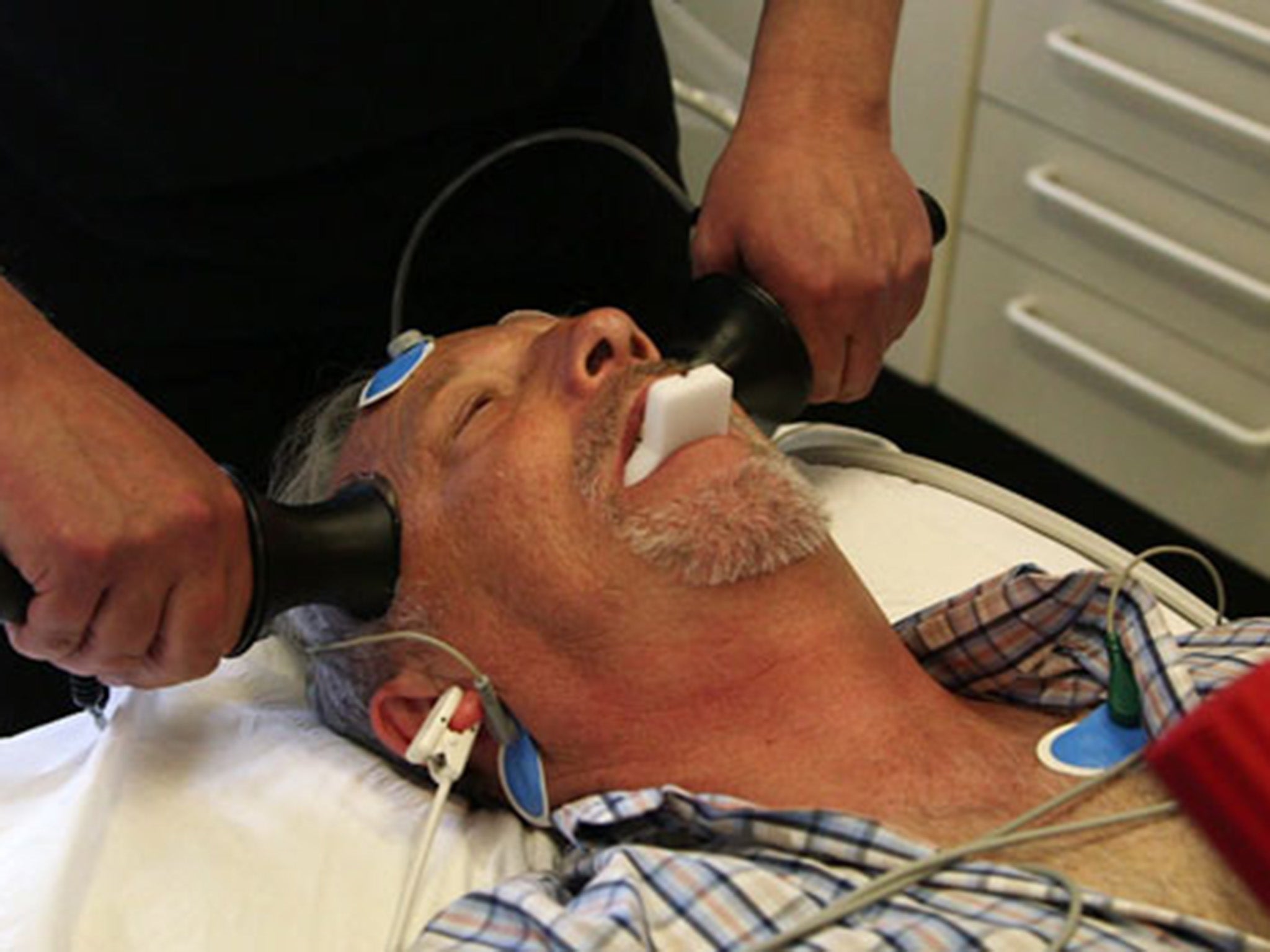
For decades, the phrase “electric shock treatment” conjured images of mid-century medical wards and crude machinery. However, within the realm of modern technology, what was once a blunt-force medical instrument has undergone a digital revolution. In the tech industry, the legacy of electric shock treatment—formally known as Electroconvulsive Therapy (ECT)—is not just a medical footnote; it is the direct ancestor of today’s most sophisticated bioelectronic medicine, neuro-tech gadgets, and brain-computer interfaces (BCIs).
As we look at the trajectory of this technology, we see a transition from analog voltage to precision-targeted, software-driven interventions. Today’s “shocks” are no longer about broad electrical surges; they are about micro-currents, algorithmic feedback loops, and digital security. This article explores how the core principles of early shock treatment have been digitized into the cutting-edge field of neuromodulation.
1. The Technological Origins of Medical Electricity
The earliest iterations of electric shock treatment were technological marvels of their time, albeit rudimentary by 21st-century standards. In the 1930s and 40s, the “tech stack” for these devices consisted of basic transformers, capacitors, and timing circuits. The primary goal was to deliver a regulated amount of alternating current (AC) to the brain.
From Analog Voltage to Targeted Pulse Widths
Early hardware lacked the precision to distinguish between different regions of the brain. The “treatment” was a hardware limitation as much as a medical choice. Today, however, the evolution of pulse-width modulation (PWM) and digital signal processing (DSP) has changed the game. Modern neuromodulation tech allows engineers to design waveforms that target specific neural clusters without affecting surrounding tissue. This shift from analog to digital allows for “ultra-brief pulse” technology, which minimizes cognitive side effects by using micro-bursts of electricity that the human brain can process more efficiently.
Mapping the Human Connectome: The Software Behind the Current
If the hardware provides the current, the software provides the map. One of the most significant tech leaps in this field is the integration of high-resolution neuroimaging with treatment protocols. We no longer apply “shocks” blindly. Advanced software suites now create a “digital twin” of a patient’s brain, allowing technicians to simulate the path of the current before a single volt is discharged. This use of 3D modeling and computational fluid dynamics ensures that the electrical energy is optimized for the specific architecture of the individual’s neural pathways.
2. Modern Iterations: Deep Brain Stimulation and Wearable Tech
The concept of using electricity to “reset” or “modulate” the brain has moved out of the hospital ward and into the realm of high-end gadgets and implantable hardware. What was once a traumatic procedure is now becoming a background process managed by microprocessors and mobile apps.
Micro-Gadgets and Implantable AI
Deep Brain Stimulation (DBS) represents the “Pro” version of electric shock technology. Instead of external electrodes, engineers have developed tiny, biocompatible leads connected to a pulse generator implanted in the chest—essentially a “pacemaker for the brain.” These devices are equipped with sophisticated firmware that can be updated wirelessly. The latest generation of DBS tech uses “closed-loop” systems. These systems don’t just deliver a steady stream of electricity; they use sensors to monitor brain activity in real-time and only deliver a “micro-shock” when the onboard AI detects an abnormality, such as a tremor or a depressive dip.
Non-Invasive Digital Therapeutics
On the consumer side, we are seeing the rise of “Digital Therapeutics” or DTx. Gadgets like Transcranial Magnetic Stimulation (TMS) devices or wearable vagus nerve stimulators (VNS) are the descendants of traditional shock treatments. These wearables connect via Bluetooth to smartphones, allowing users to manage stress or focus through low-level electrical pulses. This democratization of bio-electric tech relies heavily on user interface (UI) design and cloud analytics to track progress and adjust the “dose” of the electrical intervention based on user data.

3. The Intersection of AI and Bio-Electronic Intervention
The most significant shift in what electric shock treatment was used for—and what it has become—lies in the integration of Artificial Intelligence. We are moving away from reactive treatments toward predictive, AI-driven neuro-maintenance.
Predictive Algorithms in Neuro-Tech
In the past, shock treatment was a last resort, used only when symptoms were severe. Modern tech aims to be preemptive. Machine learning models are now trained on massive datasets of EEG (electroencephalogram) recordings to identify the “digital signatures” of neurological distress. By identifying these patterns hours or even days before a clinical event occurs, AI-driven stimulators can intervene with sub-perceptual levels of electricity, effectively “smoothing out” the brain’s electrical activity before the patient even realizes there is an issue.
Data Privacy and the Security of the “Digital Brain”
As medical “shocks” become digital, they become vulnerable to the same threats as any other IoT device. The security of neuromodulation tech is a growing niche in the cybersecurity industry. If a device is responsible for regulating a person’s mood or motor functions through electrical pulses, the integrity of its software is paramount. “Brain-jacking”—the hypothetical hacking of a neuro-implant—is a legitimate concern for developers. This has led to the implementation of end-to-end encryption and multi-factor authentication for medical devices, ensuring that only authorized clinical software can adjust the electrical parameters of the treatment.
4. Future Trends: Beyond Traditional “Shock” Therapy
As we look toward the future, the crude “shock” of the past is being replaced by even more exotic forms of energy and digital control. The tech industry is currently pivoting toward methods that offer even higher resolution and less invasiveness.
Optogenetics and Light-Based Control
While electricity was the first tool used to modulate the brain, light might be the next. Optogenetics is a biological technique that involves the use of light to control neurons that have been genetically sensitized to light. From a tech standpoint, this involves the development of micro-LED arrays and fiber-optic implants that can “fire” specific neurons with nanosecond precision. This technology replaces the “broad-brush” approach of electric shocks with a “surgical laser” approach, potentially eliminating the side effects associated with traditional electrical treatments.
The Ethical Framework for Neural Sovereignty
As technology allows us to more effectively “shock” or stimulate the brain into specific states, the tech industry must confront the ethics of neural sovereignty. If a gadget can electrically induce a state of focus or happiness, where does the user’s natural personality end and the software begin? Developers and tech ethicists are currently working on frameworks to ensure that as these tools become more powerful and accessible, they are used to enhance human autonomy rather than diminish it. This includes “Right to Repair” discussions for medical implants and the right to keep one’s neural data private from corporate interests.
Conclusion
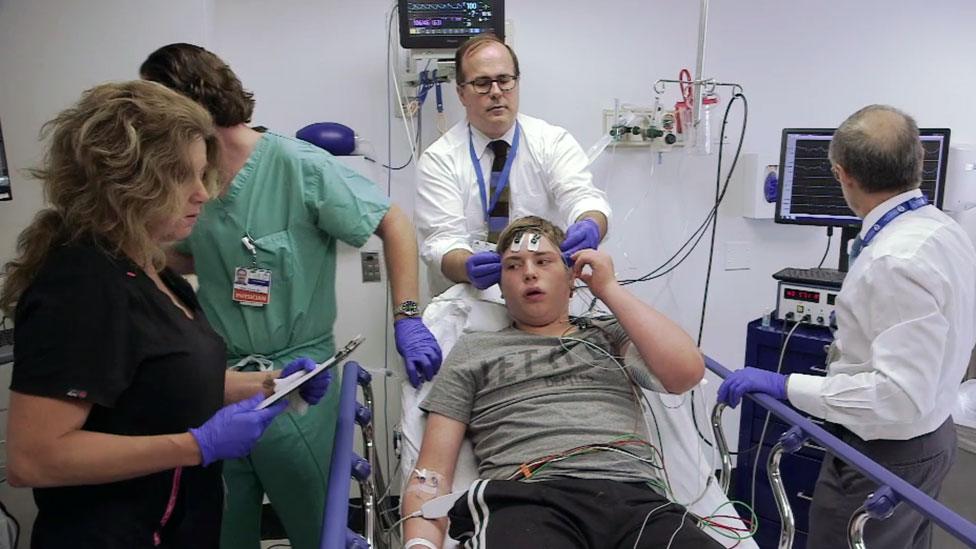
What was electric shock treatment used for? Originally, it was a desperate attempt to fix complex biological systems with rudimentary electrical tools. Today, however, that same core concept—the use of electricity to modulate the nervous system—has been refined into some of the most sophisticated technology on the planet.
From the hardware engineering of implantable micro-stimulators to the AI algorithms that predict neural failures, the evolution of “shock treatment” is a testament to the power of technological refinement. We have moved from the era of the “system reboot” (the traditional ECT shock) to the era of “continuous background optimization.” As bioelectronics, AI, and digital security continue to converge, the legacy of electric shock treatment will live on not as a controversial medical procedure, but as the foundation of a new era of human-machine integration. The future of the mind is electric, and the technology driving it is more precise, secure, and intelligent than ever before.
aViewFromTheCave is a participant in the Amazon Services LLC Associates Program, an affiliate advertising program designed to provide a means for sites to earn advertising fees by advertising and linking to Amazon.com. Amazon, the Amazon logo, AmazonSupply, and the AmazonSupply logo are trademarks of Amazon.com, Inc. or its affiliates. As an Amazon Associate we earn affiliate commissions from qualifying purchases.