
In the lexicon of modern finance, the word “burn” carries a weight that is both visceral and existential. While a physical burn is a medical emergency, a financial burn is a structural threat to the longevity of a business, an investment portfolio, or a startup’s roadmap. When investors, founders, and financial analysts ask, “What type of burn is the worst?” they are rarely talking about calories or thermal energy. Instead, they are interrogating the velocity at which capital is consumed relative to its generation.
Understanding the nuances of financial burn is critical for anyone navigating the current economic landscape. Whether you are a venture-backed founder trying to extend your runway or a personal investor watching inflation erode your savings, identifying which “burn” poses the greatest risk is the first step toward long-term solvency.
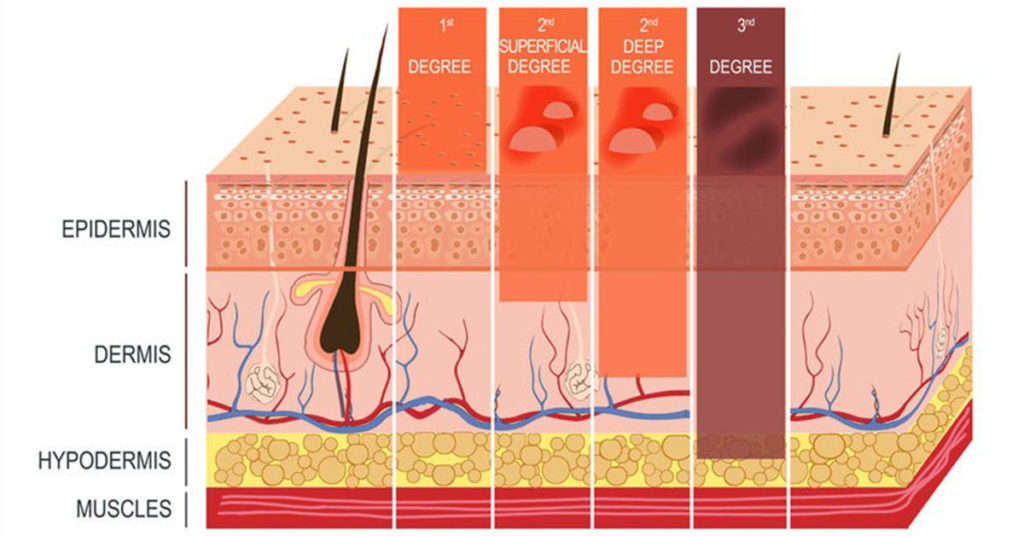
Understanding the Burn Rate: The Pulse of Modern Finance
At its most fundamental level, the “burn rate” refers to the rate at which a company spends its supply of cash in a loss-generating scenario. It is a metric synonymous with the startup ecosystem, where companies often prioritize growth and market share over immediate profitability. However, not all spending is created equal, and distinguishing between the different types of burn is essential for accurate financial diagnosis.
Gross Burn vs. Net Burn
To understand which burn is the most dangerous, one must first distinguish between gross and net figures. Gross Burn represents the total amount of operating costs a company incurs each month. This includes rent, salaries, software subscriptions, and marketing expenses. While a high gross burn can look intimidating, it doesn’t tell the whole story.
Net Burn, on the other hand, is the actual amount of money a company is losing each month. It is calculated by subtracting total revenue from gross burn. If a company spends $100,000 a month (gross burn) but generates $80,000 in revenue, its net burn is $20,000. In the eyes of a seasoned CFO, a high gross burn is often manageable if revenue is scaling proportionally. The “worst” burn is almost always a high net burn that remains stagnant even as the company grows.
Why the Distinction Matters for Sustainability
The distinction between these two metrics is what determines a company’s “runway”—the amount of time it has before it completely exhausts its cash reserves. A company with $1 million in the bank and a $100,000 net burn has ten months to live. If that net burn is accelerating without a corresponding increase in customer lifetime value, the company is in a “death burn.” Professional investors look for a “healthy burn,” where capital is being deployed into high-return activities like R&D or scalable customer acquisition, rather than just keeping the lights on.
The “Death Spiral” Burn: When Scaling Outpaces Revenue
If we are to identify the single worst type of burn, the “Death Spiral” burn—or unsustainable scaling—takes the title. This occurs when a business attempts to grow so quickly that its operational expenses (OPEX) balloon far beyond its ability to monetize that growth. This is the burn that has toppled unicorns and decimated investment portfolios.
The Venture Capital Trap
For much of the last decade, the mantra in Silicon Valley was “growth at any cost.” This philosophy encouraged founders to maintain a massive burn rate to capture market share, under the assumption that profitability could be “turned on” later. However, when the cost of capital rises and interest rates climb, the “VC Trap” snaps shut.
The worst burn here is the one fueled by cheap debt or easy equity. When the funding environment dries up, companies with high burn rates and no path to profitability find themselves unable to raise more capital. This leads to a catastrophic “burn-out” where the company must execute massive layoffs or face total liquidation.
Case Studies in Over-Leveraged Growth
History is littered with examples of the “worst” kind of burn. We can look at the rapid expansion and subsequent cooling of companies in the “quick-commerce” or “instant delivery” sectors. These firms often burned hundreds of millions of dollars to acquire customers through subsidies (e.g., offering $20 of groceries for $5). This is an inorganic burn; it creates an illusion of demand that vanishes the moment the subsidies stop. This type of burn is particularly toxic because it doesn’t build a sustainable brand; it only builds a temporary habit funded by investor losses.
Inflationary Burn: The Silent Eroder of Purchasing Power
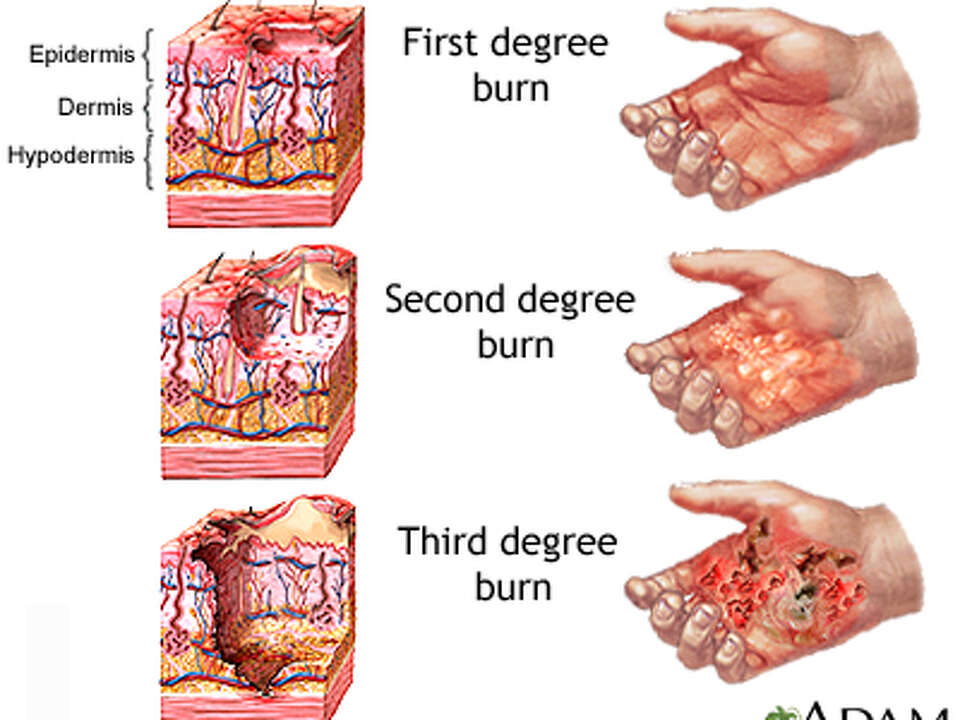
While “burn rate” is often associated with corporate balance sheets, there is a type of burn that affects every individual and institution: the Inflationary Burn. This is the silent, steady depletion of the “real value” of cash. In an environment of high inflation, sitting on cash is a form of burning capital just as surely as spending it on a failing marketing campaign.
Real Interest Rates and Cash Drag
When the rate of inflation exceeds the interest rate on a savings account or a bond, the “real” interest rate is negative. This creates a “Cash Drag” on a portfolio. If inflation is at 7% and your high-yield savings account is returning 4%, you are effectively experiencing a 3% annual burn on your purchasing power.
For many conservative investors, this is the worst type of burn because it feels invisible. There are no dramatic headlines or “runway” warnings; there is only the slow realization that the same amount of capital buys significantly less than it did a year prior.
Hedging Strategies for the Long Term
To combat the inflationary burn, sophisticated financial management requires moving away from pure cash positions. This often involves reallocating capital into “hard assets” or equities that have the pricing power to pass costs on to consumers. Real estate, commodities, and certain sectors of the stock market act as a firebreak against this type of burn. In the world of money, doing nothing is often the most expensive decision you can make.
Opportunity Cost Burn: The Hidden Expense of Inaction
Perhaps the most intellectually frustrating type of burn is the Opportunity Cost Burn. This represents the potential gains lost by keeping capital in low-performing assets or by hesitating to enter a lucrative market. While net burn represents money leaving your account, opportunity cost burn represents the money that never arrived because of poor allocation.
Stagnant Capital in a Moving Market
In a bull market, having too much liquidity can be a form of burning potential wealth. For example, if the broader market is returning 10% annually and an investor remains in 0% cash due to fear, they are “burning” that 10% delta. Over a decade, this burn can result in a portfolio being half the size it otherwise would have been. This is the “worst” burn for long-term wealth builders because it is the hardest to recover from; you cannot “earn back” time.
Reallocating Assets to Stop the Bleed
Stopping the opportunity cost burn requires a proactive approach to asset allocation. It involves regular portfolio rebalancing and a commitment to “putting money to work.” In a business context, this might mean reinvesting profits into a new product line rather than letting them sit idle in a corporate treasury. The goal is to ensure that every dollar is earning its keep, rather than slowly losing its potency through inaction.
Strategies to Extinguish the Burn: Financial Management and Recovery
Identifying the worst type of burn is only half the battle; the other half is implementing the financial controls necessary to extinguish it. Whether you are managing a household budget or a multinational corporation, the principles of “fire suppression” in finance remain the same.
Extending the Runway
To combat a high net burn, the primary objective is to extend the runway. This can be achieved through two levers: cutting costs or increasing revenue.
- Cost Rationalization: This isn’t just about cutting the “coffee budget.” It involves a deep dive into unit economics. Are you spending $2 to make $1? If so, no amount of scaling will save you.
- Revenue Acceleration: Shifting focus from “vanity metrics” (like user growth) to “sanity metrics” (like net profit margin) is essential.
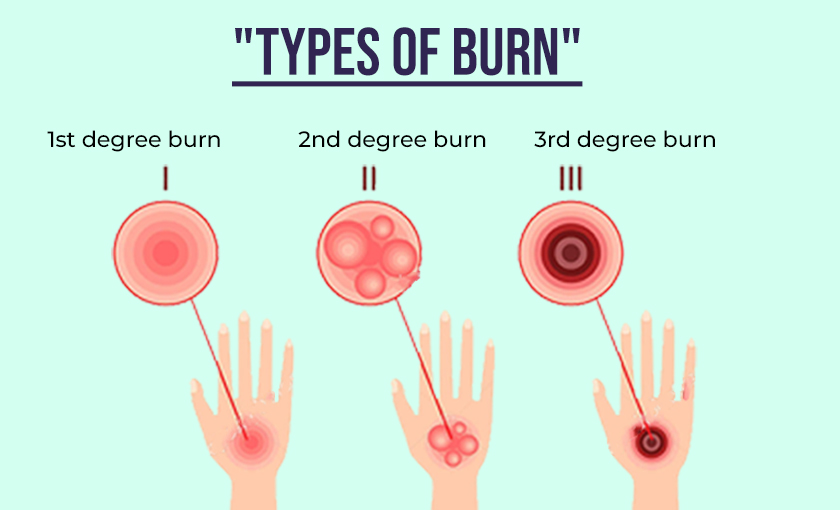
Pivoting from Burn-First to Profit-First Models
The ultimate solution to the “burn” problem is a cultural shift within an organization or an individual’s financial mindset. Moving toward a “Profit-First” model ensures that expenses are dictated by actual income rather than projected raises or future windfall.
By prioritizing a positive cash flow, you effectively “fireproof” your financial future. You transition from a state of constant anxiety over the “runway” to a state of optionality. In the end, the worst type of burn is the one you don’t see coming—the one that isn’t measured, monitored, or managed. By categorizing your financial outlays and understanding the difference between productive investment and destructive depletion, you can ensure that your capital serves as fuel for growth rather than tinder for a crisis.
aViewFromTheCave is a participant in the Amazon Services LLC Associates Program, an affiliate advertising program designed to provide a means for sites to earn advertising fees by advertising and linking to Amazon.com. Amazon, the Amazon logo, AmazonSupply, and the AmazonSupply logo are trademarks of Amazon.com, Inc. or its affiliates. As an Amazon Associate we earn affiliate commissions from qualifying purchases.