
When it comes to managing personal finances, few metrics are as influential—yet as frequently misunderstood—as the credit utilization ratio. If you have ever applied for a mortgage, a car loan, or even a premium rewards credit card, your credit score sat at the center of that transaction. Within that score, your credit utilization acts as one of the most significant levers you can pull to increase or decrease your creditworthiness.
The question of “what percent of your credit should you use” is not merely academic; it is a tactical component of wealth management. Understanding how to manipulate this percentage can save you thousands of dollars in interest over your lifetime. In this guide, we will explore the mechanics of credit utilization, debunk common myths regarding the “30% rule,” and provide actionable strategies to optimize your ratio for a top-tier credit profile.

Understanding the Mechanics of the Credit Utilization Ratio
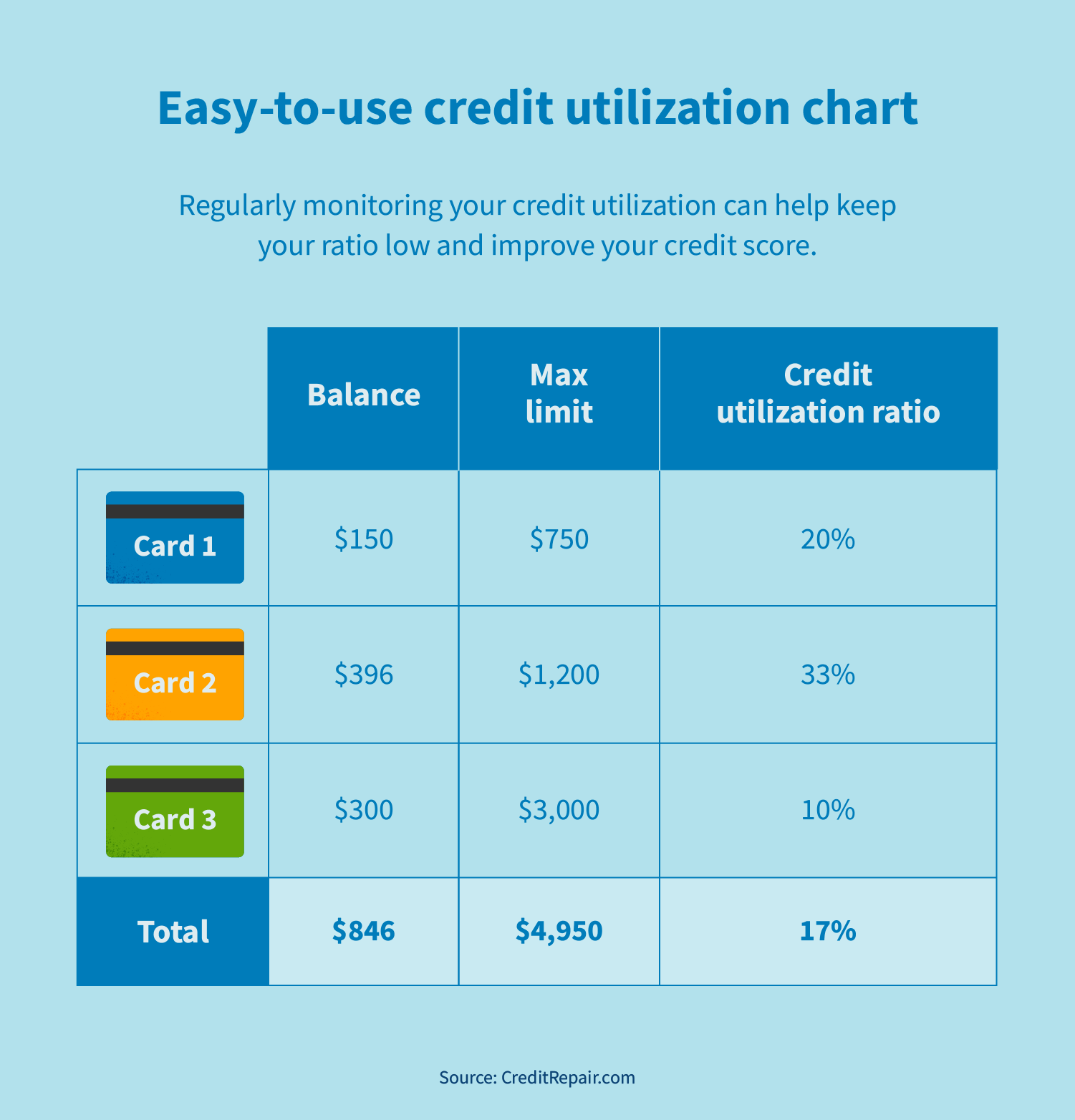
At its simplest level, your credit utilization ratio is a comparison of how much revolving credit you are currently using versus how much you have available. It is calculated by dividing your total outstanding balances by your total credit limits. For example, if you have a single credit card with a $10,000 limit and a $2,000 balance, your utilization ratio is 20%.
Individual vs. Aggregate Utilization
It is a common misconception that lenders only look at your total utilization across all accounts. In reality, credit scoring models like FICO and VantageScore look at both your “aggregate” utilization (the sum of all balances divided by the sum of all limits) and your “per-card” utilization. If you have five credit cards with 0% utilization but one card that is maxed out at 95%, your credit score will likely suffer even if your total aggregate utilization remains low. To maintain an optimal profile, you must manage each account with the same level of scrutiny as your overall portfolio.
The Role of Revolving Credit
It is important to distinguish between revolving credit and installment loans. Credit utilization specifically applies to revolving accounts—mostly credit cards and personal lines of credit. Installment loans, such as mortgages, student loans, and auto loans, do not factor into your utilization ratio in the same way. While the total amount of debt you owe on installment loans is a factor in your credit score, the “percentage of the limit” logic is unique to revolving credit because it represents your ability to manage open-ended access to capital without overextending yourself.
Why Lenders Prioritize This Metric
Lenders view credit utilization as a barometer for financial stress. High utilization is often a “leading indicator” of potential default. If a consumer suddenly spikes from using 10% of their credit to 80%, a lender may interpret this as a sign that the consumer is experiencing a loss of income or is living beyond their means. Conversely, low utilization signals that you have access to funds but possess the discipline not to rely on them, making you a low-risk borrower.
The 30% Rule: A Standard or a Myth?
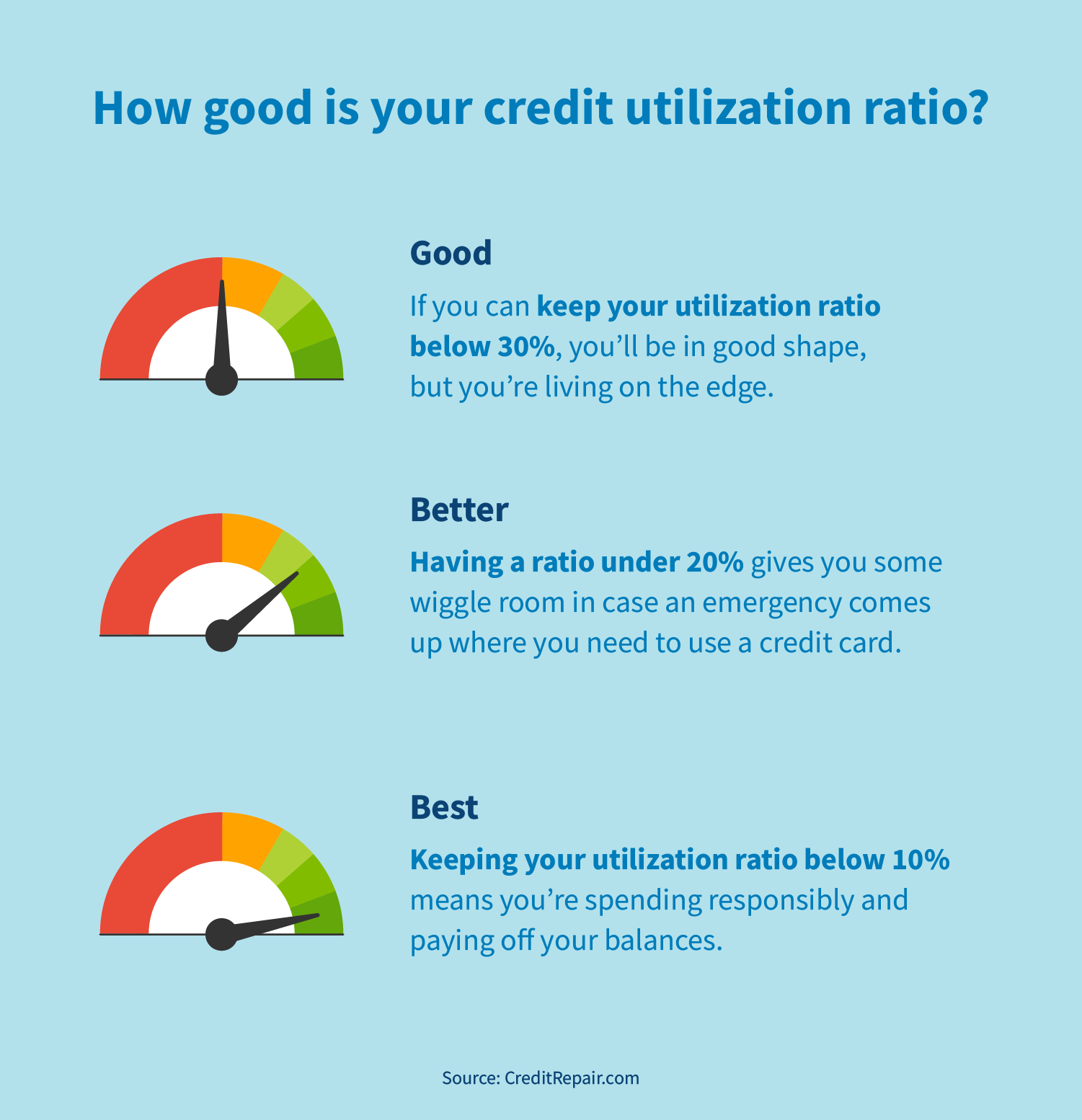
In the world of personal finance, the “30% rule” is often cited as the gold standard. Conventional wisdom suggests that as long as you keep your utilization below 30%, your credit score will remain healthy. While 30% is a helpful benchmark for those transitioning out of high debt, it is far from the “ideal” percentage for those seeking an elite credit score.
The Myth of the 30% Ceiling
The idea that there is a “cliff” at 30%—where 29% is “good” and 31% is “bad”—is a simplification of how credit algorithms work. Credit utilization is a “high-impact” factor, and the relationship between utilization and your score is more of a sliding scale. Every percentage point matters. A person with 15% utilization will generally have a higher score than someone with 25%, all other factors being equal. The 30% mark is better viewed as the point of “diminishing returns” where your score starts to drop more aggressively.
Aiming for Single Digits
Data from FICO shows that “High Achievers”—those with credit scores above 800—typically have an average credit utilization of around 7%. If your goal is to maximize your credit score for a major purchase like a home, aiming for a utilization ratio between 1% and 9% is the most effective strategy. This demonstrates to the scoring model that you are an active user of credit but that you are using a negligible amount of your total capacity.
The “0% Utilization” Trap
Interestingly, having 0% utilization across all accounts can actually result in a slightly lower score than having a very low, non-zero balance (such as 1%). This is because the scoring models want to see that you are actually using your credit. If every single account reports a $0 balance, the model may treat your accounts as “inactive,” which provides less data on your current repayment behavior. A common strategy used by credit enthusiasts is the “All Zero Except One” (AZEO) method, where all credit cards are paid to $0 except for one card, which is left with a small, manageable balance.
How Utilization Impacts Your Overall Credit Score
To understand why utilization is so critical, we must look at the weight it carries within the FICO scoring model. “Amounts Owed,” which is dominated by credit utilization, accounts for approximately 30% of your total FICO score. Only “Payment History” (35%) is more important.
The Weight of Amounts Owed
Because credit utilization makes up nearly one-third of your score, it is often the fastest way to see a significant change in your credit standing. Unlike “Payment History,” which takes years to build and years to recover from a single late payment, credit utilization has no “memory” in most current scoring models. If you have a high balance that is dragging your score down, paying it off will usually result in a score increase as soon as the new balance is reported to the credit bureaus.
The Concept of Credit “Memory” and Trended Data
While traditional FICO scores (like FICO 8) only look at the most recently reported balance, newer models like FICO 10T and VantageScore 4.0 are beginning to look at “trended data.” This means they look at your utilization patterns over the last 24 months. If your utilization is 10% today but has been 90% for the last two years, these newer models may view you as higher risk than someone whose utilization has been consistently low. This shift emphasizes the importance of maintaining low utilization as a permanent lifestyle habit rather than a temporary fix before a loan application.
Influence on Interest Rates and Terms
The practical impact of your utilization ratio manifests in the interest rates you are offered. A high utilization ratio can drop your score enough to move you from a “Prime” borrower category to a “Subprime” category. On a $300,000 mortgage, the difference between a 760 score and a 660 score can result in tens of thousands of dollars in extra interest payments over the life of the loan. In this context, the percentage of credit you use is directly tied to your long-term net worth.
Strategies to Optimize Your Utilization Ratio
Lowering your utilization ratio can be achieved through two primary methods: decreasing your debt (the numerator) or increasing your available credit (the denominator). Combining these strategies provides the most robust path to a better score.
Timing Your Payments
One of the most effective ways to lower your utilization without spending extra money is to change when you pay your bills. Credit card issuers typically report your balance to the credit bureaus once a month, usually on your “statement closing date.” If you pay your bill on the “due date” (which is usually three weeks after the closing date), the balance reported to the bureau will reflect your full monthly spending. To lower your reported utilization, pay your balance in full before the statement closing date. This ensures that the reported balance is near zero.
Requesting Credit Limit Increases
Another way to immediately lower your ratio is to increase your total available credit. Most lenders allow you to request a credit limit increase online or over the phone. If you have a $5,000 limit and a $1,000 balance, your utilization is 20%. If you successfully request a limit increase to $10,000, your utilization instantly drops to 10% without you paying a dime toward the principal. However, ensure that the lender does not perform a “hard pull” on your credit for the request, as this could cause a temporary minor dip in your score.
The Danger of Closing Old Accounts
When people pay off a credit card, their first instinct is often to close the account to avoid temptation. From a credit utilization perspective, this is usually a mistake. Closing an account removes that card’s limit from your total available credit, which will cause your utilization ratio to spike. Unless an account has a high annual fee that outweighs its benefit, it is generally better to keep the account open, perhaps putting a small recurring subscription on it to keep it active.
Final Thoughts: Finding Your Financial Equilibrium
The question of “what percent of your credit should you use” ultimately depends on your immediate financial goals. If you are in a “maintenance phase” and have no plans to apply for new credit, staying under 30% is a functional baseline. However, if you are positioning yourself for a major financial milestone—such as buying a home, starting a business, or securing a high-limit corporate line of credit—you should aim for the 1% to 7% range.
Managing credit utilization is a game of precision and discipline. By treating your credit limits not as a spending capacity, but as a strategic asset, you can ensure that your credit score remains a powerful tool in your financial arsenal. Remember: credit is a financial tool, and like any tool, its effectiveness depends entirely on the skill of the person wielding it. Optimize your utilization, and you will find that the doors to favorable financing and wealth-building opportunities open much more easily.
aViewFromTheCave is a participant in the Amazon Services LLC Associates Program, an affiliate advertising program designed to provide a means for sites to earn advertising fees by advertising and linking to Amazon.com. Amazon, the Amazon logo, AmazonSupply, and the AmazonSupply logo are trademarks of Amazon.com, Inc. or its affiliates. As an Amazon Associate we earn affiliate commissions from qualifying purchases.