
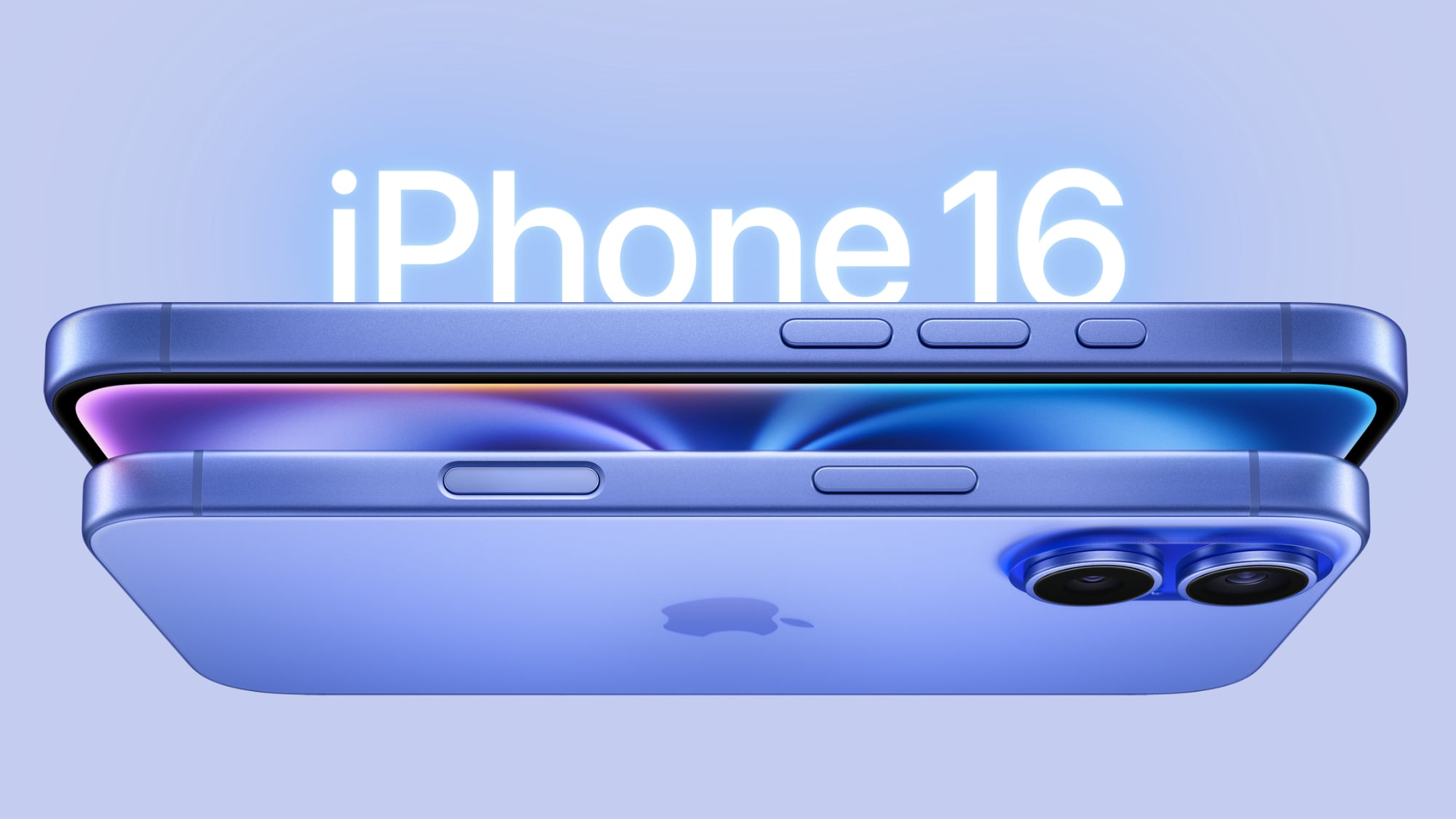
The release of the iPhone 16 series marks a pivotal moment in the evolution of mobile technology. While previous iterations focused on incremental improvements in camera optics or processing speeds, the iPhone 16 represents a fundamental shift toward an AI-centric ecosystem. Built from the ground up to support “Apple Intelligence,” this new generation of devices bridges the gap between traditional smartphone utility and advanced generative computation. By integrating sophisticated hardware with deeply embedded machine learning, Apple has sought to redefine how users interact with their digital world, focusing on intuition, speed, and seamless functionality.
The A18 Chipset: A Leap Forward in Processing Power
At the heart of the iPhone 16 and iPhone 16 Pro models lies the A18 and A18 Pro silicon, respectively. These chips are not merely faster versions of their predecessors; they are engineered specifically to handle the high-computational demands of large language models (LLMs) and diffusion models locally on the device.
Second-Generation 3-Nanometer Technology
The A18 chip is built using a second-generation 3-nanometer process, which allows for higher transistor density and significantly improved energy efficiency. This architecture features a 6-core CPU that is up to 30% faster than the A16 Bionic found in the previous base models. More importantly, it achieves this performance while using 30% less power, which directly translates to longer battery life and reduced thermal throttling during intensive tasks. For tech enthusiasts, this means sustained peak performance during high-end gaming or 4K video editing that was previously reserved for dedicated “Pro” hardware.
The Enhanced Neural Engine
To support the suite of Apple Intelligence features, the A18 includes a 16-core Neural Engine that is optimized for running generative AI models. This engine is capable of performing trillions of operations per second, enabling on-device processing that ensures user privacy. By keeping data on the device rather than sending it to the cloud, the iPhone 16 offers a level of security and low-latency response that distinguishes it from competitors. This silicon-level integration allows for real-time language translation, advanced image recognition, and predictive text features that feel instantaneous.
Apple Intelligence: Integrating Generative AI into the Core OS
The most significant software advancement accompanying the iPhone 16 is Apple Intelligence. This personal intelligence system leverages the power of the A18 chip to provide a more personalized, context-aware user experience. It is not just an add-on; it is woven into the fabric of iOS 18.
System-Wide Writing Tools
One of the standout features is the introduction of system-wide Writing Tools. These allow users to rewrite, proofread, and summarize text across almost any app, including Mail, Notes, and third-party applications. Users can adjust the tone of an email to be more professional or concise with a single tap. The “Summarize” feature is particularly potent, allowing users to distill long threads of messages or lengthy documents into digestible bullet points, which is a significant productivity boost for professional users.
The Evolution of Siri
Siri has undergone its most significant transformation since its inception. In the iPhone 16, Siri features a new design with a glowing light that wraps around the edge of the screen when active. Beyond the aesthetics, Siri now possesses enhanced language-understanding capabilities, allowing it to follow along even if the user stumbles over their words. It maintains context from one request to the next, making interactions feel more like a conversation. With “onscreen awareness,” Siri can understand and take action with users’ content across more apps, such as finding a specific photo or editing a contact based on a message received.
Image Playground and Genmoji
Visual communication has been elevated through the Image Playground and Genmoji. Users can create entirely original images in seconds using descriptions or even photos from their library. Genmoji takes personalization further by allowing users to create custom emojis that look like friends or family members, simply by typing a description. These features utilize the A18’s GPU and Neural Engine to render high-quality graphics locally, ensuring that the creative process is both private and rapid.
Camera Control and Physical Interface Upgrades

The iPhone 16 introduces a major physical change that alters the ergonomics of mobile photography: the Camera Control button. This is not a traditional mechanical button but a sophisticated interface that combines a tactile switch with a high-precision force sensor and a capacitive sensor.
Haptic Feedback and Interaction
Located on the side of the device, the Camera Control button allows users to launch the camera, take a photo, or start a video recording instantly. Because it supports touch gestures, users can slide their finger across the surface to zoom in and out, adjust exposure, or cycle through depth of field settings without ever touching the screen. This provides a more “DSLR-like” experience, keeping the user’s focus on the subject rather than on software menus.
The Universal Action Button
Following its success on the Pro models last year, the Action Button has now been expanded to the standard iPhone 16 and 16 Plus. This customizable button replaces the traditional mute switch, allowing users to program it for a variety of functions. Whether it is toggling the flashlight, launching a specific Shortcut, or activating the Voice Memo app, the Action Button provides a tactile shortcut to the tools users need most frequently, streamlining the interface and reducing the number of steps required to perform common tasks.
Professional Video and Photography Advancements
For the Pro and Pro Max models, the iPhone 16 series pushes the boundaries of what is possible with a mobile sensor. The camera system has been overhauled to cater to creators who require professional-grade output.
48MP Fusion Camera and 4K 120fps Video
The 48MP Fusion camera features a faster, more efficient sensor that enables 4K 120fps video recording in Dolby Vision. This is a first for a smartphone and allows for stunning slow-motion footage with cinematic color grading. The “Pro” models also feature a new 48MP Ultra Wide camera, which significantly improves macro photography and low-light performance. By utilizing pixel binning and advanced computational photography, the iPhone 16 Pro captures immense detail, even in challenging environments, providing photographers with more data for post-processing.
Spatial Audio and Audio Mix
The hardware upgrades are complemented by “Audio Mix,” a feature that uses machine learning to identify and separate background noise from human speech. In video recording, users can choose between different modes: “In-frame” captures only the voices of people on camera; “Studio” makes voices sound as if they were recorded in a professional booth; and “Cinematic” treats the audio like a movie, placing voices in the front and ambient noise in the surround channels. This level of audio control, powered by the A18 Pro’s advanced signal processor, eliminates the need for external microphones in many casual and semi-professional settings.
Display Engineering and Sustained Performance
The physical design of the iPhone 16 series also sees improvements in display technology and thermal management, ensuring that the device remains comfortable to use even under heavy loads.
Larger Displays and Thinner Borders
The iPhone 16 Pro and Pro Max feature larger displays—6.3 inches and 6.9 inches respectively—achieved by narrowing the borders to the thinnest seen on any Apple product. These “Always-On” Super Retina XDR displays utilize ProMotion technology for 120Hz refresh rates, providing fluid scrolling and gaming. The use of Grade 5 Titanium for the Pro models ensures that while the screens are larger, the devices remain remarkably lightweight and durable.
Advanced Thermal Management
One of the hidden technical triumphs of the iPhone 16 is its internal redesign. To support the high-performance A18 chip and the demands of generative AI, Apple implemented a 100% recycled aluminum thermal substructure. Combined with glass optimizations, this allows for 20% better sustained performance compared to the iPhone 15. This means that for mobile gamers playing AAA titles or creators exporting long video files, the device can maintain its top speed for much longer durations without overheating.

Connectivity and Battery Life
The iPhone 16 series introduces Wi-Fi 7 support, offering faster speeds, lower latency, and better reliability in crowded network environments. This is a crucial addition for the era of cloud-assisted AI and high-definition streaming. Furthermore, improvements in battery chemistry and the efficiency of the A18 chip have led to the biggest leap in battery life in iPhone history. The iPhone 16 Pro Max, in particular, offers industry-leading longevity, ensuring that the advanced AI and camera features do not come at the cost of day-long usability.
In conclusion, the iPhone 16 is more than a simple hardware refresh. It is a sophisticated integration of next-generation silicon, professional-grade optics, and a transformative AI framework. By focusing on how the device can proactively assist the user through Apple Intelligence while providing the physical tools like Camera Control to capture the world, Apple has set a new benchmark for what a high-performance smartphone should be. The technical innovations found within the A18 chip and the refined thermal architecture ensure that these devices are not just powerful today, but are equipped to handle the evolving landscape of mobile AI for years to come.
aViewFromTheCave is a participant in the Amazon Services LLC Associates Program, an affiliate advertising program designed to provide a means for sites to earn advertising fees by advertising and linking to Amazon.com. Amazon, the Amazon logo, AmazonSupply, and the AmazonSupply logo are trademarks of Amazon.com, Inc. or its affiliates. As an Amazon Associate we earn affiliate commissions from qualifying purchases.