
In the realm of personal finance and household management, the most significant savings often stem from the optimization of recurring expenses. While most consumers focus on high-ticket items like mortgage rates or car insurance, the “micro-leaks” in a monthly budget—such as overpaying for specialized cleaning chemicals—can aggregate into substantial sums over a lifetime. Central to this discussion is a common domestic dilemma: the choice between distilled white vinegar and cleaning vinegar.
To the uninitiated, these two liquids appear identical. However, from a financial and functional perspective, they represent two distinct asset classes in the portfolio of home maintenance. Understanding the nuances between them is not merely a matter of chemistry; it is a strategic decision that impacts your household’s bottom line, the longevity of your physical assets, and your overall consumer efficiency.
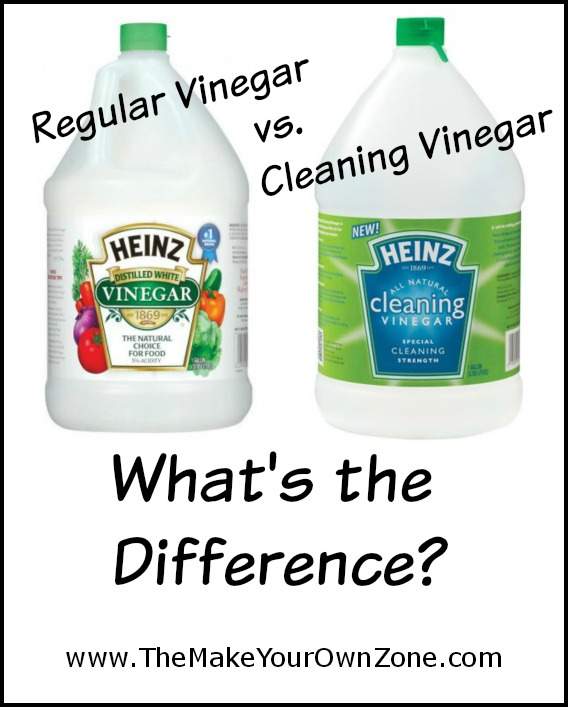
Understanding the Asset Class: Defining White and Cleaning Vinegar
Before evaluating the return on investment (ROI) for these products, we must define what they are and why their differences matter to your wallet. Vinegar is essentially a solution of acetic acid and water, but the concentration of that acid determines its utility and value.
Chemical Composition and Value Ratios
Standard distilled white vinegar, found in the grocery aisle, typically contains 5% acetic acid. It is produced through the fermentation of grain alcohol and is regulated as a food-grade product. On the other hand, cleaning vinegar is formulated with 6% acetic acid. While a 1% difference may seem negligible, it represents a 20% increase in strength. In the world of industrial efficiency, a 20% increase in potency can lead to significantly faster “cycle times” for cleaning tasks, which translates to labor savings—even for the DIY homeowner.
Food Grade vs. Industrial Strength
A crucial distinction for the budget-conscious consumer is the safety certification. White vinegar is refined to be safe for human consumption. This means it undergoes rigorous testing for purity. Cleaning vinegar is often not tested for food safety and may contain trace impurities or even added fragrances to mask the pungent scent. Financially, you are paying for the “food grade” certification with white vinegar, which may be an unnecessary expense if your primary goal is descaling a dishwasher or cleaning a window.
The Cost-Benefit Analysis of Maintenance
Every purchase in a household should be viewed through the lens of a cost-benefit analysis. When we compare white vinegar to cleaning vinegar, we are essentially looking at the “price per unit of efficacy.”
Unit Price Comparison: Evaluating the Market Rate
Typically, white vinegar is sold in gallon jugs at a lower price point because it is treated as a loss leader or a high-volume staple in grocery stores. Cleaning vinegar is often marketed as a specialty item, sometimes commanding a 30% to 50% premium per ounce despite its industrial nature.
However, the savvy investor in household supplies looks at the “active ingredient” cost. If you are buying a 6% solution for only 10% more than a 5% solution, the cleaning vinegar offers a better ROI because you are getting more acetic acid—the part that actually does the work—for your dollar. Conversely, if the branding of “cleaning vinegar” has inflated the price beyond a 20% premium, you are better off purchasing the culinary version and simply using a slightly higher volume.
Dilution Ratios and Longevity of Supply
One of the most effective ways to increase the “yield” of your cleaning supplies is through strategic dilution. Because cleaning vinegar is more concentrated, it can be diluted further than white vinegar while remaining effective against bacteria and mineral deposits. By purchasing a more concentrated solution, you reduce the frequency of shopping trips (lowering “transaction costs”) and minimize storage space requirements, which is a hidden efficiency in modern urban living.
Impact on Personal Finance and Household Budgeting
Managing a household budget is akin to managing a small business. One of the first steps to increasing profitability (or savings) is the elimination of “lifestyle inflation” and the “specialty tax” applied to consumer goods.

Eliminating the “Specialty Cleaner” Tax
The cleaning industry thrives on selling specialized products for every room in the house: window cleaners, floor degreasers, toilet bowl deodorizers, and stainless steel polishes. These products can cost anywhere from $0.20 to $0.60 per ounce. In contrast, vinegar (whether white or cleaning) costs mere pennies per ounce.
By substituting these branded chemicals with a vinegar-based solution, the average household can save between $200 and $500 annually. When these savings are diverted into a high-yield savings account or a low-cost index fund, the compound interest over twenty years can turn a simple switch in cleaning fluids into a five-figure addition to your net worth.
Long-term Asset Protection: Protecting Home Infrastructure
In business, Capital Expenditure (CapEx) refers to the money spent on acquiring or maintaining fixed assets. For a homeowner, your appliances (dishwasher, washing machine, coffee maker) are your fixed assets. Mineral buildup from hard water is the “depreciation” that kills these machines prematurely.
Using cleaning vinegar—the 6% solution—is more effective at dissolving calcium and magnesium deposits than the 5% culinary version. Regular maintenance with the stronger solution can extend the life of a $1,000 washing machine by several years. From a financial standpoint, the “avoided cost” of a premature appliance replacement is one of the highest returns you can achieve in household management.
The Business Opportunity: Side Hustles and Professional Cleaning
The distinction between white and cleaning vinegar isn’t just for homeowners; it’s a critical factor for entrepreneurs in the service sector. If you are looking to start a side hustle in residential or commercial cleaning, your choice of solvents directly impacts your overhead.
Scalability in the Cleaning Service Industry
For a professional cleaning business, margins are tight. The ability to buy 6% cleaning vinegar in bulk and dilute it according to the specific job allows for a customized service that branded chemicals cannot match. It also reduces the weight of the supplies that need to be transported, lowering fuel costs and physical strain on the workforce. Using the right tool—cleaning vinegar for tough grime and white vinegar for food-prep surfaces—ensures that the job is done right the first time, reducing “re-work” and increasing customer satisfaction.
Eco-Friendly Branding for Higher Profit Margins
There is a growing market of consumers willing to pay a premium for “green” or “non-toxic” cleaning services. By using vinegar as a primary agent, a business can market itself as an eco-friendly alternative to traditional services that use harsh synthetic chemicals. This allows the entrepreneur to charge higher rates while actually lowering their material costs, as vinegar is significantly cheaper than “certified organic” branded cleaners. This is a classic example of “value-based pricing,” where the customer pays for the outcome (a safe, clean home) rather than the cost of the materials.
Strategic Purchasing: Making the Final Investment Decision
To maximize your financial efficiency, your purchasing strategy should be data-driven. Not all vinegar is created equal, and not all price points are justified.
Bulk Buying and Storage ROI
The most financially sound way to acquire vinegar is in bulk. However, you must consider the “carrying cost” of your inventory. If you live in a small apartment, buying five gallons of vinegar to save $2 might not be a good use of your limited real estate. However, for those with storage space, purchasing 6% cleaning vinegar in 55-gallon drums or bulk pallets for a multi-property management business can lead to massive economies of scale.

The Verdict for the Rational Consumer
In conclusion, the difference between white vinegar and cleaning vinegar is a lesson in concentration and application.
- White Vinegar is your “Safe Haven” asset—versatile, edible, and reliable for light tasks.
- Cleaning Vinegar is your “Growth” asset—it offers higher performance for tough tasks and provides a better “punch per penny” if priced correctly.
For the average consumer looking to optimize their finances, the recommendation is clear: keep a bottle of white vinegar in the pantry for culinary use and light cleaning where food safety is paramount. However, for the heavy-duty maintenance of your home’s infrastructure, invest in cleaning vinegar. The 20% boost in acidity provides a tangible benefit in time saved and asset preservation.
By treating even the smallest household purchases with the rigor of an investment professional, you build a culture of financial discipline. In the long run, the difference between these two vinegars is not just about a clean home—it’s about a leaner, more efficient, and more profitable life.
aViewFromTheCave is a participant in the Amazon Services LLC Associates Program, an affiliate advertising program designed to provide a means for sites to earn advertising fees by advertising and linking to Amazon.com. Amazon, the Amazon logo, AmazonSupply, and the AmazonSupply logo are trademarks of Amazon.com, Inc. or its affiliates. As an Amazon Associate we earn affiliate commissions from qualifying purchases.