
In the modern marketplace, a brand is far more than a logo or a catchy slogan. It is a living, breathing entity that communicates with its audience through every available touchpoint. To build a successful brand strategy, one must understand the nuanced interplay between verbal and non-verbal communication. While we often focus on the “what”—the specific words we use to describe a product—it is the “how”—the silent cues and visual signals—that often carries the most weight in the consumer’s subconscious.
Understanding the difference between verbal and non-verbal communication in a branding context is the key to creating a cohesive identity that resonates with customers on both a rational and emotional level. When these two forms of communication are aligned, they build trust; when they clash, they create a dissonance that can drive customers away.

Defining the Pillars: Verbal vs. Non-Verbal Communication in Branding
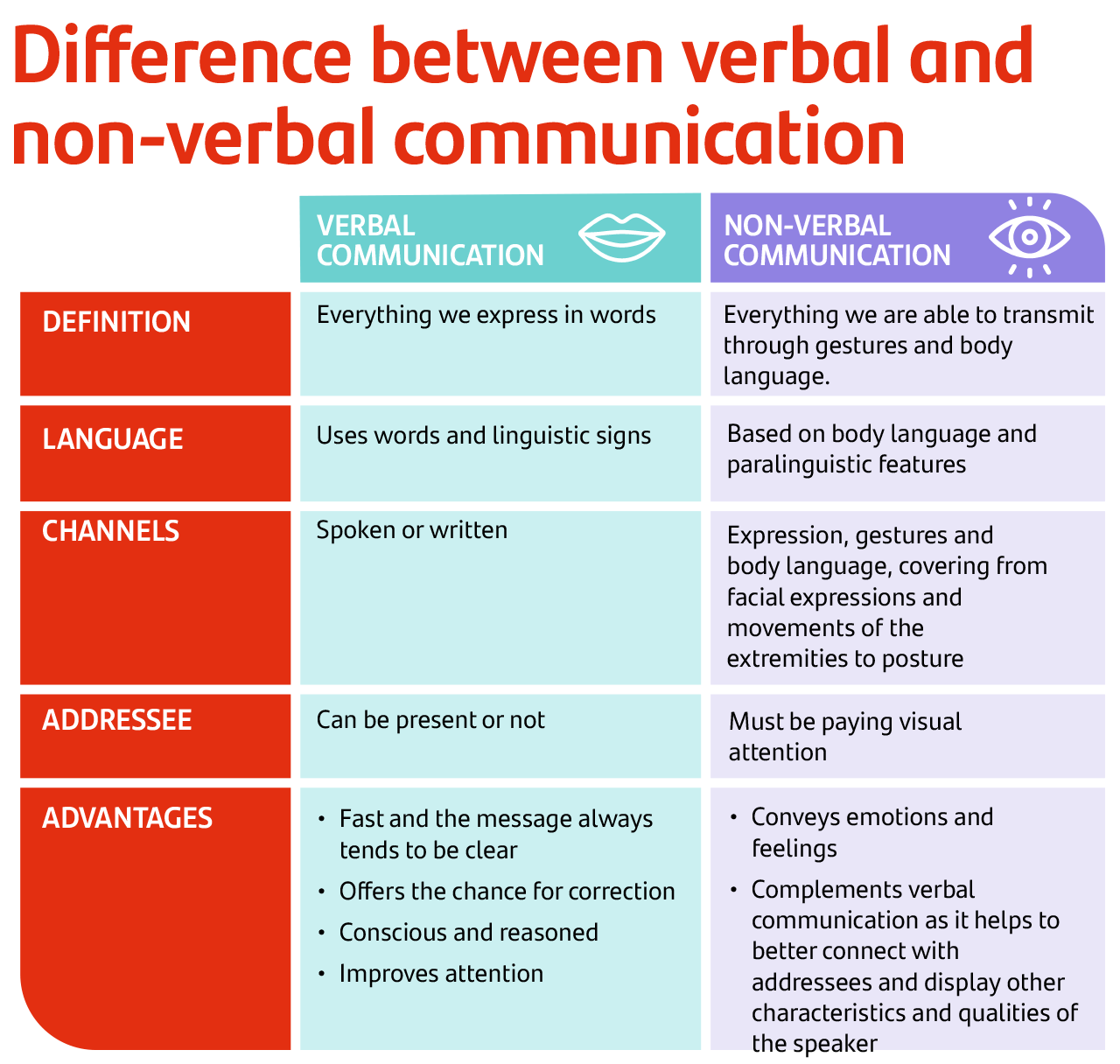
At its core, brand communication is the process of transmitting a brand’s values, personality, and promises to its target audience. This process is divided into two primary categories that mirror human interaction.
The Verbal Component: Your Brand’s Voice and Tone
Verbal communication in branding encompasses all the written and spoken words used by a company. This includes everything from the brand name and tagline to the copy on a website, the scripts used in advertisements, and the language used by customer service representatives.
The verbal pillar is responsible for delivering the “Hard Value” of the brand. It explains features, outlines benefits, and provides the factual basis for why a consumer should choose one product over another. However, it isn’t just about the facts; it is about the “Voice.” Is your brand authoritative and academic, or is it playful and irreverent? This linguistic style defines the personality that the brand projects to the world.
The Non-Verbal Component: Visual Cues and Brand Identity
Non-verbal communication is the “silent” language of branding. In human interaction, this includes body language and facial expressions. In branding, it encompasses visual identity, design aesthetics, user experience (UX), and even the physical environment of a retail space.
Research suggests that up to 90% of human communication is non-verbal, and this principle holds true for brands. Before a customer reads a single word on your website, they have already made a judgment based on the color palette, the choice of typography, and the “vibe” of the imagery. These non-verbal cues act as a shorthand for the brand’s values, triggering immediate emotional responses that are often more powerful than a well-written paragraph.
The Power of Verbal Communication: Crafting Your Brand Narrative
Verbal communication is the primary tool for storytelling. It allows a brand to articulate its mission and build a logical argument for its existence. Without a strong verbal strategy, a brand is merely a collection of pretty pictures without a soul or a clear direction.
Copywriting and Messaging Strategy
The core of verbal communication lies in copywriting. This is the art of choosing the right words to guide a customer through the buyer’s journey. Effective brand messaging must be consistent across all channels. If a brand uses high-level, sophisticated language in its whitepapers but switches to slang and emojis on social media, the verbal identity becomes fractured.
Strategic verbal communication focuses on “Value Propositions.” These are the specific statements that tell a customer what they get from the brand. By refining these messages, a brand can position itself as a leader in its niche, using language that speaks directly to the pain points and aspirations of its specific demographic.
Customer Support and Community Engagement
Verbal communication extends beyond marketing materials into the realm of direct interaction. Every email from a support desk, every reply to a comment on Instagram, and every script used by a salesperson is a verbal touchpoint. These interactions are where the brand’s “tone of voice” is put to the test.
A brand that claims to be “customer-centric” in its marketing but uses cold, bureaucratic language in its support tickets is suffering from a verbal disconnect. Consistency in verbal communication builds a sense of reliability. When a brand sounds the same whether you are reading an ad or talking to a representative, it reinforces the perception that the brand is authentic and honest.
The Subtlety of Non-Verbal Communication: Design as a Silent Ambassador
If verbal communication is the “logic” of the brand, non-verbal communication is its “emotion.” It operates in the background, influencing perception without the consumer even realizing it. This is why design is not just a cosmetic choice; it is a strategic communication tool.
Color Psychology and Emotional Resonance
One of the most potent forms of non-verbal brand communication is color. Every color carries a psychological weight and cultural meaning. For example, blue often communicates stability, trust, and professionalism, which is why it is favored by financial institutions and tech giants. Red, conversely, evokes energy, passion, and urgency, making it a popular choice for fast-food brands and clearance sales.
The choice of a brand’s color palette is a non-verbal message about what the customer should feel. A brand that uses soft pastels and plenty of white space communicates a sense of calm, luxury, and minimalism. A brand using neon colors and high-contrast patterns communicates disruption and youth. These cues are processed by the brain much faster than text, setting the stage for how the verbal message will be received.
Typography and Layout: The Silent Authority
The font a brand chooses is its “visual accent.” A bold, sans-serif font like Helvetica communicates modernity and efficiency. A classic serif font like Times New Roman or Garamond communicates tradition, heritage, and authority.
Even the layout of a website or a physical package is a non-verbal signal. A cluttered, busy layout may communicate “value” or “discount,” suggesting that the brand is packed with features or products for a low price. A clean, spacious layout communicates “premium” or “exclusive,” suggesting that the brand doesn’t need to shout to be heard. These structural choices provide the context in which the verbal message lives.
Harmonizing Both Channels for Brand Consistency
The true difference between verbal and non-verbal communication lies in their function, but their success depends on their integration. In the most successful global brands, you cannot separate the message from the look.
Avoiding Cognitive Dissonance in Brand Experience
Cognitive dissonance occurs when a brand’s verbal and non-verbal messages contradict each other. Imagine a law firm that uses a playful, bright yellow logo with cartoonish graphics (non-verbal) but writes in dense, archaic legal jargon (verbal). The customer receives two different signals: one saying “we are fun and approachable” and the other saying “we are serious and intimidating.”
This conflict leads to a lack of trust. To the consumer’s brain, if a brand can’t decide what it is, it might not be competent at what it does. Achieving harmony means ensuring that the “visual weight” of the design matches the “tonal weight” of the writing. If your brand voice is “The Rebel,” your non-verbal cues should be edgy, asymmetrical, and perhaps unconventional.
Auditing Your Multi-Sensory Brand Presence
To bridge the gap between verbal and non-verbal communication, brands must perform regular audits. This involves looking at the brand from a distance and asking: “If I couldn’t read the words, what would I think this brand does?” and “If I couldn’t see the images, what would I think this brand sounds like?”
In the digital age, non-verbal communication has expanded to include “Motion Branding”—how an app behaves when you swipe, or the subtle sound a notification makes. These are the non-verbal “micro-interactions” that define the brand experience. A brand that prides itself on “seamlessness” must have a non-verbal UX that is smooth and lag-free.

Conclusion: The Holistic Approach to Brand Identity
Understanding the difference between verbal and non-verbal communication is not about choosing one over the other; it is about mastering the art of synthesis. Verbal communication provides the clarity, facts, and narrative that satisfy the analytical mind. Non-verbal communication provides the emotion, atmosphere, and identity that capture the heart.
In an era where consumers are bombarded with thousands of messages a day, the brands that stand out are those that communicate clearly on both levels. By carefully selecting the words you use and the visual signals you send, you create a brand identity that is not only heard but felt. This holistic approach is what transforms a simple business into an iconic brand that people recognize, trust, and ultimately, advocate for.
aViewFromTheCave is a participant in the Amazon Services LLC Associates Program, an affiliate advertising program designed to provide a means for sites to earn advertising fees by advertising and linking to Amazon.com. Amazon, the Amazon logo, AmazonSupply, and the AmazonSupply logo are trademarks of Amazon.com, Inc. or its affiliates. As an Amazon Associate we earn affiliate commissions from qualifying purchases.