
In the modern gig economy, individuals are constantly seeking innovative ways to diversify their income streams. While traditional side hustles like freelance writing, ride-sharing, or e-commerce often require significant upfront capital or specialized skill sets, one often overlooked avenue for supplemental income lies within the biological assets of the human body. When exploring the landscape of “biological side hustles,” the two most prominent options are whole blood donation and plasma donation.
While they may seem identical to the casual observer, the financial, logistical, and economic implications of each are vastly different. For those looking to optimize their personal finance strategy, understanding the difference between giving blood and giving plasma is essential. One is primarily an act of altruism, while the other has evolved into a multi-billion dollar industry that offers a consistent revenue stream for participants.
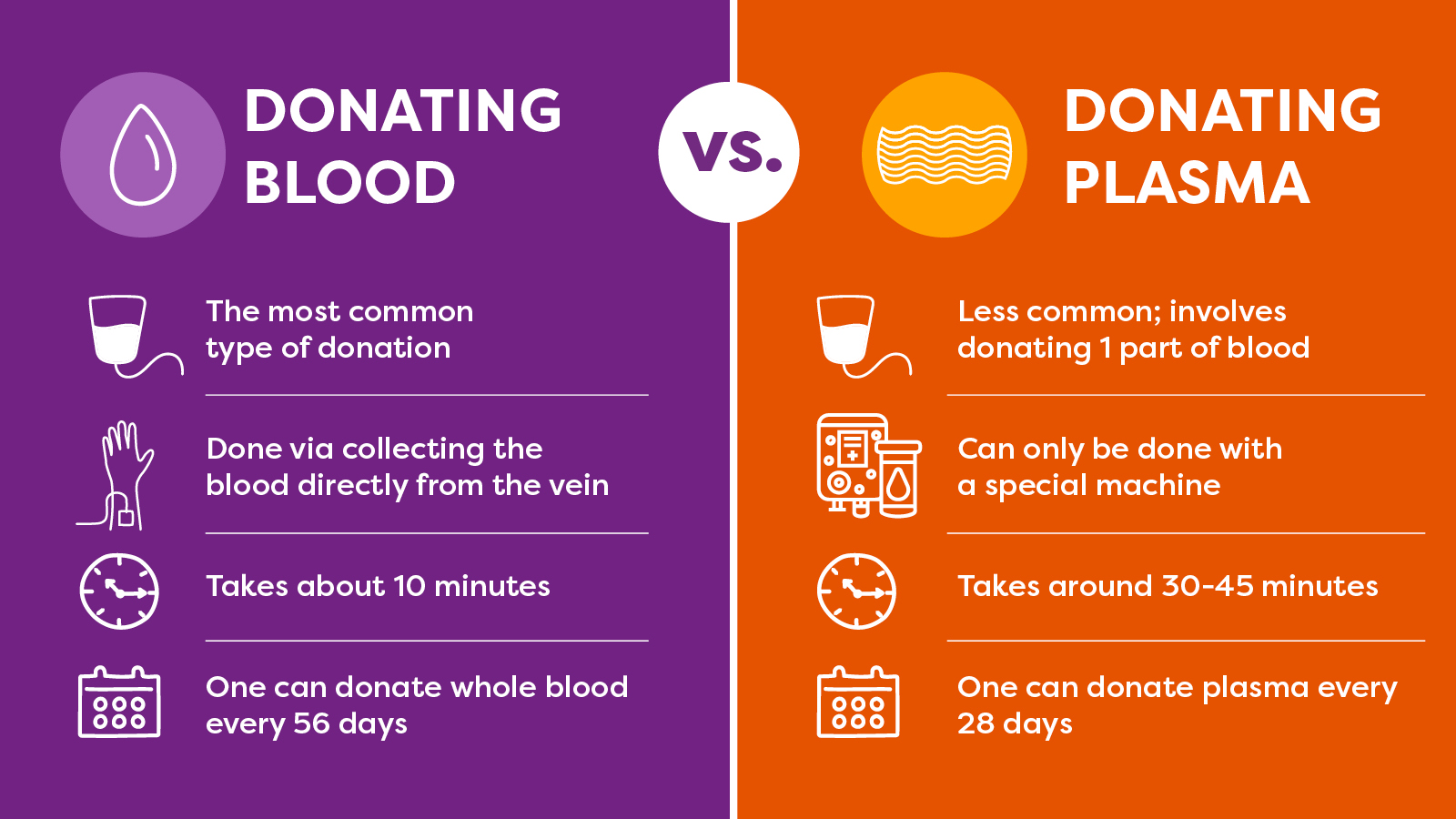
Monetizing Biological Contributions: The Core Economic Distinctions
The most significant difference between giving blood and giving plasma lies in the compensation model. From a personal finance perspective, these two activities occupy different categories: one is a charitable contribution of time and resources, while the other is a specialized labor-for-compensation service.
The Volunteer Nature of Whole Blood Donation
In the United States and many other Western nations, whole blood donation is strictly a volunteer activity. Organizations like the American Red Cross or local community blood banks rely on the altruism of donors to maintain the national supply. From a financial standpoint, donating blood does not provide a direct cash infusion.
However, blood donation can be viewed as an indirect financial benefit. Many employers offer “volunteer time off” (VTO) or wellness incentives for employees who donate blood. While you aren’t receiving a check from the blood center, you may be fulfilling corporate social responsibility requirements that can lead to better performance reviews or health insurance premium discounts. Furthermore, the “payment” in blood donation often comes in the form of peripheral perks: mini-physicals, snacks, and occasional gift cards or promotional t-shirts, which, while not liquid cash, hold marginal utility.
The Paid Incentive Model of Plasma Centers
Plasma donation, or more accurately, plasma “source” donation, operates on a completely different financial plane. Private pharmaceutical companies, such as CSL Plasma or BioLife, compensate donors for the time and effort required to extract plasma through a process called apheresis.
Because plasma is used as a raw material for high-value pharmaceutical products rather than direct transfusions, it is treated as a commodity. For the savvy individual, plasma donation represents a “liquid asset.” Regular donors can earn anywhere from $300 to $800 per month, depending on their location, weight, and current center promotions. In the context of personal finance, this turns a biological function into a predictable monthly revenue stream that can be used to offset utility bills, fund a high-yield savings account, or pay down high-interest debt.
Efficiency and Frequency: Scaling Your Side Hustle Earnings
When evaluating any side hustle, the return on investment (ROI)—specifically the return on time—is the most critical metric. The procedural differences between blood and plasma donation dictate how often a person can “liquidate” these assets and how much time they must commit to the process.
Time Commitment and Return on Investment
A standard whole blood donation is relatively quick. The actual draw takes about 8 to 12 minutes, though the entire process, including screening and recovery, takes about an hour. Because there is no cash payment, the ROI for whole blood donation is technically zero in monetary terms, making it a poor choice for those strictly seeking financial gain.
Plasma donation is a more intensive process. Apheresis involves drawing blood, separating the plasma in a centrifuge, and returning the red blood cells and platelets to the donor. This process typically takes between 60 and 90 minutes. However, when you factor in the compensation, the hourly rate often exceeds the federal minimum wage. For a donor earning $60 per visit for 90 minutes of their time, the effective hourly rate is $40—a highly competitive figure for a “low-skill” side hustle.
Frequency Limits: How Often Can You Liquidate Your Assets?
The frequency of “payouts” is another major point of divergence. Human physiology dictates how often these biological products can be harvested.
- Whole Blood: You can typically donate whole blood once every 56 days (8 weeks). This limits the “activity” to about six times per year.
- Plasma: Because the body replenishes plasma much faster than red blood cells, the FDA allows individuals to donate plasma up to twice in a seven-day period, with at least 48 hours between sessions.
From a side-hustle scalability perspective, plasma is the clear winner. You can generate revenue up to 104 times per year with plasma, compared to just 6 times per year with whole blood. For someone looking to bridge a budget gap or build an emergency fund, the high-frequency nature of plasma donation provides a level of financial consistency that blood donation simply cannot match.
The Logistics of Plasma as a Sustainable Income Stream
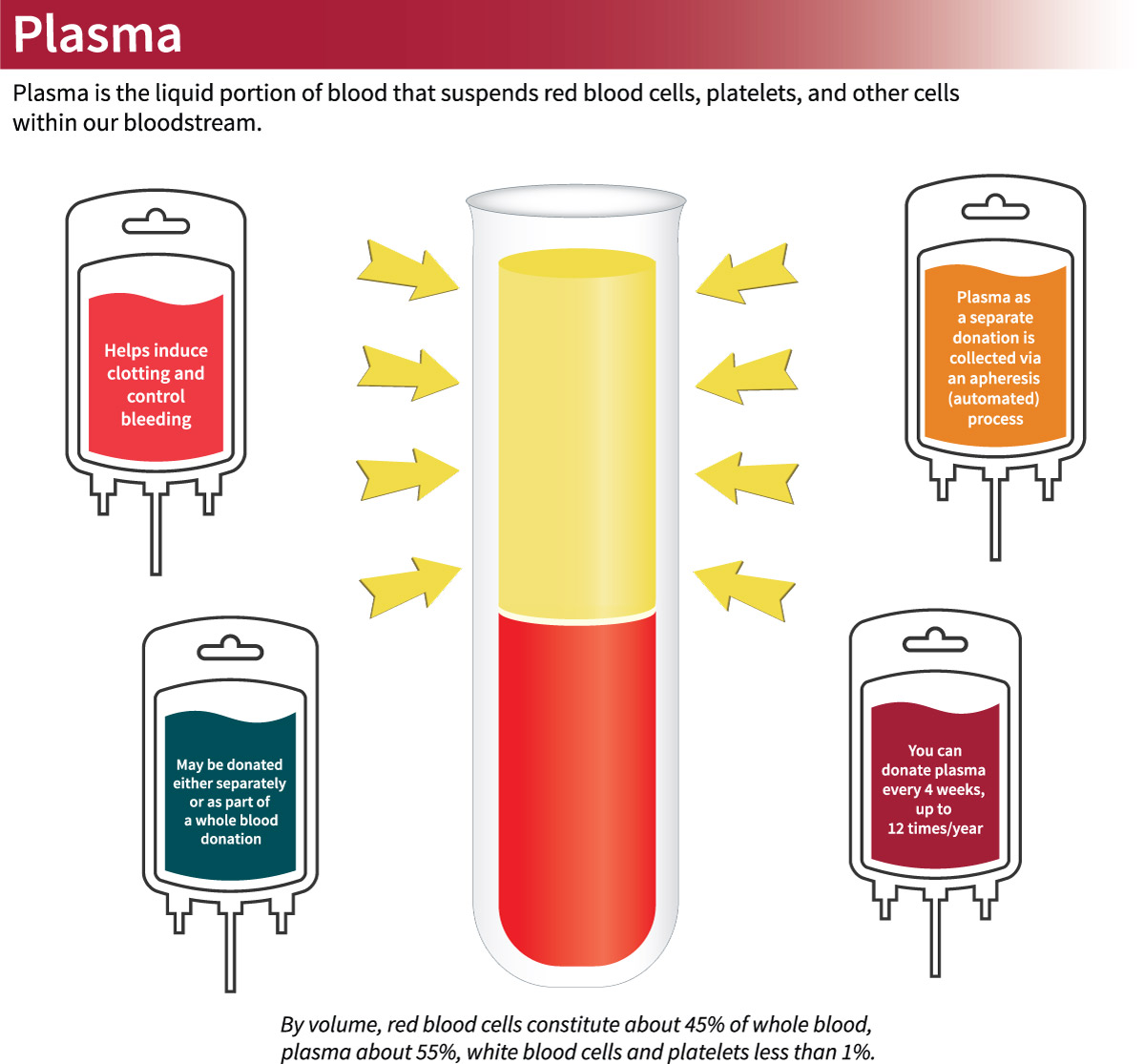
Treating plasma donation as a professional endeavor requires a strategic approach. It is not merely a matter of showing up; it is about maximizing “bonus structures” and managing the “overhead” of your own health.
Strategic Scheduling for Maximum Bonuses
Plasma centers operate much like retail businesses, using tiered pricing and loyalty programs to ensure a steady supply of “inventory.” Most centers offer significant “New Donor Bonuses,” which can provide a massive front-loaded payout—sometimes as much as $800 in the first month.
To maximize income, experienced donors often “churn” between different plasma brands (if available in their area) to take advantage of new donor incentives once their previous center’s rates return to the standard “returning donor” levels. Additionally, many centers offer bonuses for the second donation of the week or for reaching a certain number of donations in a calendar month. Mapping out these bonuses in a spreadsheet is a hallmark of the financially disciplined donor.
Hidden Costs: Physical Toll and Nutritional Requirements
In business, every revenue stream has associated costs. In the case of plasma donation, the “overhead” is your physical health. To remain eligible and maximize the quality of the plasma (and thus your eligibility for payment), you must maintain a high-protein diet and stay exceptionally hydrated.
The cost of increased protein intake and hydration supplements must be deducted from your gross earnings to find your “net profit.” Furthermore, the physical toll of frequent needle sticks can lead to scarring or fatigue. A professional approach involves balancing the financial gain with the long-term “maintenance” of the body to ensure the income stream remains sustainable over months or years.
Market Demand: Why Plasma Commands a Premium
To understand why you get paid for plasma but not for blood, one must look at the global supply chain and the pharmaceutical market. This is a classic lesson in “value-added” economics.
The Pharmaceutical Value Chain
Whole blood is primarily used for transfusions in trauma situations or surgeries. It has a relatively short shelf life (about 42 days) and cannot be easily processed into other high-value products. Because the demand is localized and the product is perishable, there is less of a commercial market for “buying” blood from individuals.
Plasma, however, is the “liquid gold” of the medical world. It contains essential proteins, antibodies, and clotting factors. Pharmaceutical companies use large pools of donated plasma to manufacture life-saving therapies for hemophilia, immune deficiencies, and rabies. These therapies are high-margin products sold globally. Because the pharmaceutical companies are generating significant profit from the end product, they are willing—and economically required—to pay for the raw material (your plasma) to ensure a consistent supply.
Global Scarcity and Pricing Trends
The United States is one of the few countries that allows compensated plasma donation, making it the “OPEC of plasma.” The U.S. provides roughly 70% of the world’s plasma supply. This global reliance on American donors creates a stable market. When global demand for immune-system-boosting therapies rises, plasma centers often increase their donor compensation to attract more “suppliers.” Keeping an eye on these market trends can help donors identify the best times to increase their donation frequency.
Financial Best Practices for Donors
If you decide to incorporate plasma donation into your personal finance portfolio, it should be managed with the same rigor as any other investment or business venture.
Tracking Earnings and Tax Implications
In the United States, the IRS generally considers compensation for plasma donation as taxable income. While many centers pay via pre-loaded debit cards, which may feel like “under the table” money, it is legally reportable as “Other Income” on Schedule 1 of Form 1040.
For the professional donor, tracking every payment in a dedicated finance app or spreadsheet is vital. Setting aside 15–20% of these earnings for potential tax liabilities ensures that your side hustle doesn’t create a financial headache during tax season.

Integrating Donation Income into a Personal Finance Plan
The most effective way to use plasma income is to “earmark” it for specific financial goals. Because it is a consistent but modest sum, it is perfectly suited for:
- Debt Snowball: Using the $400/month to aggressively pay down a credit card.
- Investment Seed Money: Moving the debit card funds directly into a brokerage account to buy index funds.
- The “Buffer” Fund: Using the money strictly for variable expenses like groceries or gasoline, freeing up your primary salary for fixed costs like rent or mortgage payments.
By categorizing plasma donation as a strategic financial tool rather than just “extra cash,” you can turn a simple biological difference—the distinction between blood and plasma—into a cornerstone of your journey toward financial independence. Whereas blood donation satisfies the soul, plasma donation satisfies the ledger, and the modern individual can find a place for both in a well-rounded life.
aViewFromTheCave is a participant in the Amazon Services LLC Associates Program, an affiliate advertising program designed to provide a means for sites to earn advertising fees by advertising and linking to Amazon.com. Amazon, the Amazon logo, AmazonSupply, and the AmazonSupply logo are trademarks of Amazon.com, Inc. or its affiliates. As an Amazon Associate we earn affiliate commissions from qualifying purchases.