
In the landscape of modern employment, few concepts are as revered—and as misunderstood—as academic tenure. While often discussed in the context of academic freedom and “jobs for life,” tenure is, at its core, one of the most unique financial and professional structures in the global economy. To understand what a tenured professor is from a financial and career strategy perspective, one must look past the ivory tower and view it as a high-stakes, long-term investment in human capital.
A tenured professor is a senior faculty member who has been granted a permanent contract, effectively protecting them from summary dismissal without extraordinary cause. In the world of personal finance and career planning, tenure represents the ultimate “de-risking” of a professional portfolio. It is the transition from a volatile, performance-based probationary period to a state of guaranteed income and institutional equity.

Tenure as a Financial Asset: The Value of Guaranteed Income
To a financial planner, a tenured position is less like a job and more like a high-yield, inflation-protected annuity. In an era where “at-will” employment is the standard across tech, finance, and manufacturing, the tenured professor stands as a rare exception.
The Concept of a Life-long Employment Contract
The primary financial benefit of being a tenured professor is the contract itself. Unlike corporate roles where a “restructuring” or a bad quarter can result in immediate termination, tenured professors can only be fired under extreme circumstances, such as moral turpitude, gross professional misconduct, or the financial exigency of the entire institution.
From a wealth-management perspective, this “guaranteed” income stream allows for more aggressive investment strategies in other areas of a professor’s life. Because their primary income source is shielded from market volatility and corporate whims, tenured faculty often have a higher risk tolerance for their personal stock portfolios or real estate investments.
Job Security in a Volatile Economy
When the economy enters a recession, corporate layoffs are the first line of defense for companies protecting their bottom line. Tenured professors, however, are largely insulated from these cycles. While universities may experience budget cuts, the tenured faculty’s salary remains a fixed obligation of the institution.
This security provides a “human capital hedge.” While a professional in the private sector might need to maintain a six-to-twelve-month emergency fund, a tenured professor can often operate with more liquidity, knowing that their “dividend”—their salary—is backed by the university’s endowment or state funding.
The Path to Tenure: A High-Stakes Financial Investment
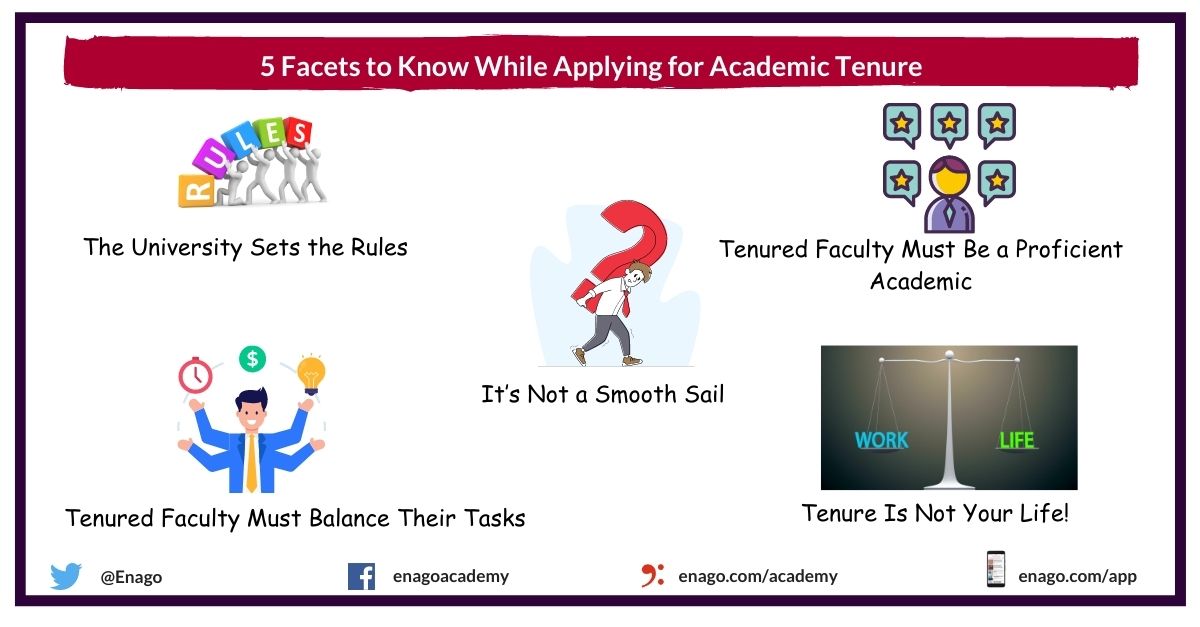
One does not simply become a tenured professor. It is a grueling, decade-long investment process that requires a significant outlay of time, tuition, and opportunity cost. This period is often referred to as the “tenure track.”
The Opportunity Cost of Graduate Education
The journey begins with a PhD, which typically takes five to seven years. During this time, the aspiring academic is usually earning a modest stipend, often far below their market value in the private sector. If a brilliant computer scientist spends six years in a PhD program instead of working at a FAANG company, the opportunity cost in lost wages and 401(k) compounding can exceed a million dollars.
Therefore, the decision to pursue tenure is a calculated bet: the academic is trading high immediate earnings for the back-loaded security and prestige of a tenured position later in life.
Navigating the Tenure-Track Salary Progression
Once a scholar secures a “tenure-track” position (usually as an Assistant Professor), they enter a probationary period that typically lasts six to seven years. During this time, they are “investing” in their own brand through research, publishing, and teaching.

Financial rewards during this phase are incremental. However, the “Tenure Bump”—the salary increase that accompanies the promotion to Associate Professor with tenure—is a significant milestone. This increase, combined with the newfound job security, represents the moment where the initial investment in the PhD begins to pay off in earnest.
Revenue Streams: Beyond the Base Salary
A common misconception is that a tenured professor’s income is capped by their university contract. In reality, the “Tenured Professor” brand is a platform that allows for multiple, diverse revenue streams that can significantly outpace the base salary.
Research Grants and Institutional Funding
For professors in STEM (Science, Technology, Engineering, and Math) or the social sciences, research grants are a primary driver of financial power. While these grants often fund the research itself, they also frequently provide “summer salary.”
Most academic contracts are for nine months. By securing external grants from organizations like the National Science Foundation (NSF) or private foundations, a tenured professor can pay themselves for the remaining three months of the year, effectively increasing their annual take-home pay by 33%.
Consulting, Book Royalties, and Intellectual Property
The “Tenured” title acts as a seal of ultimate expertise. This credibility is highly marketable in the private sector. Many tenured professors earn substantial income through:
- Consulting: Serving as an expert witness in legal cases or a strategic advisor for corporations.
- Speaking Engagements: High-level faculty often command five-figure fees for keynote addresses at industry conferences.
- Intellectual Property (IP): If a professor develops a new technology or pharmaceutical compound, the revenue-sharing agreements between the professor and the university can lead to generational wealth.
- Publishing: While many academic books have niche audiences, a successful textbook can generate hundreds of thousands of dollars in passive royalty income over several editions.
The Strategic Retirement and Wealth Management of Tenured Faculty
The financial lifecycle of a tenured professor differs significantly from the average 9-to-5 worker, particularly regarding retirement and the “endgame” of their career.
Pension Plans and Defined Contribution Models
Many tenured professors at state universities have access to traditional defined-benefit pension plans, a rarity in the modern workforce. These plans provide a guaranteed, monthly payment for life based on years of service and final salary.
For those at private institutions, the 403(b) plans (the non-profit equivalent of a 401(k)) often feature incredibly generous employer matching—sometimes as high as 10% or 12% of the employee’s salary. Over a 30-year career, these institutional contributions create a formidable retirement nest egg.
The “Forever Career” and Long-term Financial Planning
One of the most unique “money” aspects of tenure is that there is no mandatory retirement age in the United States. A tenured professor can theoretically continue working into their 80s if they remain productive.
This creates a unique financial planning scenario: the “extended accumulation phase.” Because they do not have to stop working, they can continue to earn a high salary while their retirement investments continue to compound. This often results in tenured professors becoming “accidental millionaires,” accumulating significant wealth simply because their peak earning years extend a decade or two longer than the average worker.
Conclusion: Is Tenure the Ultimate “Side Hustle” Platform?
When we ask, “What is a tenured professor?” we are essentially describing a professional who has achieved the pinnacle of career stability. From a financial perspective, tenure is the “Gold Standard.” It provides a high floor (the guaranteed salary) and an almost unlimited ceiling (through consulting, IP, and grants).
While the path to tenure is fraught with financial risk and low early-career wages, the long-term ROI is undeniable. For those who successfully navigate the tenure track, the reward is more than just a title; it is a unique financial fortress that allows for intellectual pursuit, personal branding, and wealth accumulation that is largely immune to the traditional pressures of the global marketplace. In the portfolio of life, a tenured position is the ultimate “Blue Chip” asset.
aViewFromTheCave is a participant in the Amazon Services LLC Associates Program, an affiliate advertising program designed to provide a means for sites to earn advertising fees by advertising and linking to Amazon.com. Amazon, the Amazon logo, AmazonSupply, and the AmazonSupply logo are trademarks of Amazon.com, Inc. or its affiliates. As an Amazon Associate we earn affiliate commissions from qualifying purchases.