
In the modern healthcare landscape, “routine venipuncture”—the process of puncturing a vein, usually for blood collection—is no longer just a manual clinical skill. It has become a focal point for technological disruption. As digital transformation sweeps through the medical sector, the traditional needle and syringe are being augmented, and in some cases replaced, by sophisticated AI-driven systems, robotic precision, and advanced data analytics.
For technology enthusiasts and industry professionals, routine venipuncture represents a multi-billion dollar frontier where hardware meets software. The goal is simple yet technically complex: to minimize human error, improve patient outcomes through automation, and secure the vast amounts of biometric data generated by every single draw. This article explores the technological architecture behind modern venipuncture and the digital trends shaping the future of diagnostic medicine.

From Manual Needle to Automated Precision: The Evolution of Venipuncture Technology
For decades, the success of a routine venipuncture procedure relied almost entirely on the tactile skill and visual assessment of a phlebotomist. However, the integration of specialized hardware is turning this “art” into a precise science.
The Mechanics of Near-Infrared (NIR) Vein Visualization
One of the most significant leaps in venipuncture tech is the deployment of Near-Infrared (NIR) visualization tools. These devices work by projecting infrared light onto the patient’s skin. Since hemoglobin in the blood absorbs NIR light differently than the surrounding tissue, the device can project a real-time digital map of the veins back onto the skin’s surface.
From a technical standpoint, this involves complex image processing algorithms that filter out noise and adjust for skin tone variations in real-time. By utilizing these digital overlays, practitioners can identify the most viable veins—even in “difficult stick” patients—thereby reducing the number of failed attempts and the associated technical waste of disposable components.
Robotic Assistance and the Quest for the “One-Stick” Standard
We are currently witnessing the rise of autonomous venipuncture robots. Startups in the HealthTech space are developing devices that combine ultrasound imaging with robotic actuators to perform the procedure with sub-millimeter precision. These systems use deep learning models to navigate the needle to the center of the vessel, adjusting for movement or “rolling” veins.
The engineering challenge here is immense: the system must interpret 3D spatial data from ultrasound probes and translate that into physical movement via haptic feedback loops. The “one-stick” standard—the idea that a patient should only ever be stuck once—is becoming a reality through these high-tech interventions, which are increasingly being integrated into high-volume hospital “Tech Hubs.”
AI and Machine Learning: Optimizing the Diagnostic Workflow
Technology in venipuncture extends far beyond the physical act of drawing blood. The software layers managing the workflow, from the moment a lab order is generated to the final analysis, are being revolutionized by Artificial Intelligence (AI).
Predictive Analytics for Patient Success Rates
Large healthcare datasets are now being used to train machine learning models that predict “venous access difficulty.” By analyzing a patient’s digital health record—including age, hydration levels, previous procedure history, and even historical lab turnaround times—AI can alert staff if a specialized robotic device or a senior technician is required before the patient even enters the room.
This predictive approach optimizes resource allocation within a facility. It reduces the “technical debt” of lost time and wasted materials, ensuring that the high-tech equipment is deployed exactly where the data suggests it is most needed.
Integrating Laboratory Information Systems (LIS) for Real-Time Monitoring
The modern venipuncture process is deeply embedded within the Laboratory Information System (LIS). When a technician performs a routine draw, the samples are tracked using RFID (Radio Frequency Identification) or advanced QR coding systems. This creates a digital twin of the physical sample.
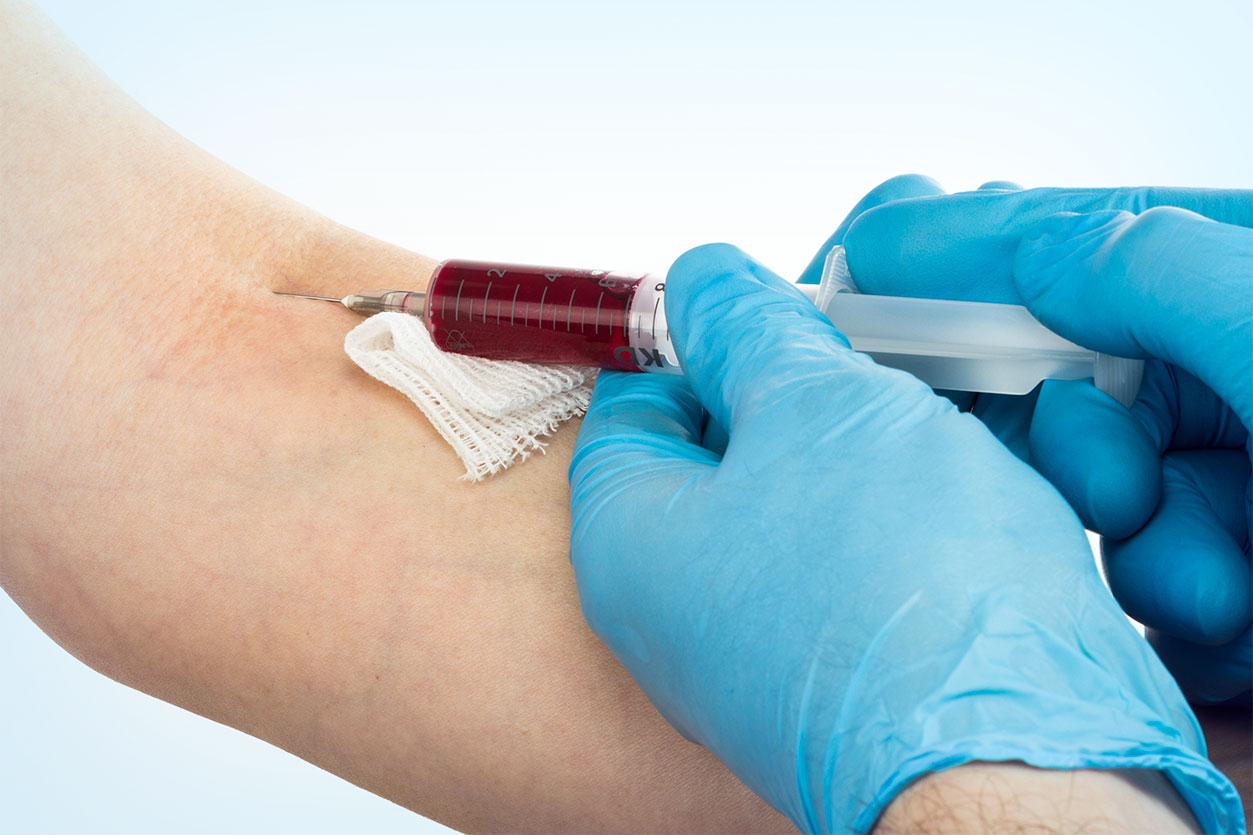
Modern LIS software uses AI to monitor these samples in transit, predicting potential degradation based on ambient temperature sensors and transportation vibration data (IoT integration). If a sample’s “digital integrity” is compromised, the system can automatically flag a re-draw, ensuring that the diagnostic data fed into the doctor’s terminal is of the highest possible fidelity.
The Intersection of Digital Security and Phlebotomy Data
As routine venipuncture becomes more digitized, the security of the resulting data becomes a paramount concern. A single blood draw generates a wealth of biometric and genetic information, making the cybersecurity of diagnostic platforms a critical niche within the tech industry.
Protecting Biometric and Blood-Based Digital Records
Every routine venipuncture results in a data packet that is transmitted across networks. The technical challenge lies in securing this “data in motion.” Advanced encryption standards (AES-256) and secure API gateways are required to move results from the robotic drawing station to the cloud-based analyzer.
Furthermore, as “Point-of-Care” (POC) devices—smaller, handheld tech that analyzes blood instantly—become more common, the number of edge devices on a hospital’s network increases. Each device is a potential entry point for a cyberattack. Tech firms are now developing specialized firewalls and “Zero Trust” architectures specifically for diagnostic hardware to ensure that patient biometrics remain confidential.
Blockchain and the Immutable Ledger of Diagnostic Results
There is a growing movement to utilize blockchain technology to manage the provenance of venipuncture samples. By creating an immutable ledger of every hand-off—from the robotic arm to the centrifuge to the digital analysis—blockchain ensures that the data cannot be tampered with or mislabeled.
For clinical trials, this level of technical transparency is vital. It allows researchers to audit the “chain of custody” for every digital result derived from a routine venipuncture, providing a level of cryptographic certainty that traditional paper or basic digital logs cannot match.
Emerging Trends: Wearable Tech and the Obsolescence of Traditional Venipuncture
The ultimate goal of many Tech firms is to make routine, invasive venipuncture obsolete. We are entering an era of “Bloodless Diagnostics” and continuous monitoring through wearable hardware.
Microneedle Patches and Continuous Monitoring
Engineers are developing wearable microneedle patches that can extract interstitial fluid (the fluid between cells) or tiny amounts of capillary blood without the pain or complexity of traditional venipuncture. These devices are packed with biosensors that transmit data via Bluetooth or NFC to a smartphone app.
From a software perspective, this shifts the paradigm from “snapshot diagnostics” (a single draw) to “continuous data streams.” Tech developers are now focusing on building apps that can visualize these massive datasets, using AI to spot trends in glucose, cortisol, or electrolyte levels that a single routine venipuncture might miss.
The Shift Toward Remote and Decentralized Clinical Trials
The decentralization of healthcare tech means that “routine venipuncture” is moving out of the clinic and into the home. Digital platforms now coordinate at-home collection kits that use high-tech stabilization chemicals to keep samples viable during mail-in transport.
These platforms are integrated with telehealth software, allowing a technician to guide a patient or a mobile phlebotomist through a high-tech app interface. This “Uber-ization” of venipuncture is powered by complex logistics software and geolocation tracking, ensuring that the transition from a physical biological sample to a digital data point is as seamless and automated as possible.

Conclusion: The Digital Pulse of Modern Medicine
Routine venipuncture is no longer a low-tech necessity; it is a sophisticated intersection of robotics, AI, and cybersecurity. As we move further into the decade, the technology surrounding this procedure will continue to evolve, prioritizing precision and data integrity. Whether it is through NIR visualization that makes veins appear as digital maps or blockchain-backed ledgers that protect our most intimate biometric data, the “routine” is becoming revolutionary. For the tech sector, the future of healthcare is clear: it lies in the ability to turn biological signals into actionable digital intelligence, one precise stick at a time.
aViewFromTheCave is a participant in the Amazon Services LLC Associates Program, an affiliate advertising program designed to provide a means for sites to earn advertising fees by advertising and linking to Amazon.com. Amazon, the Amazon logo, AmazonSupply, and the AmazonSupply logo are trademarks of Amazon.com, Inc. or its affiliates. As an Amazon Associate we earn affiliate commissions from qualifying purchases.