
In the contemporary digital landscape, where software governs everything from global financial transactions to the smart devices in our pockets, the margin for error is razor-thin. A single glitch can lead to millions of dollars in lost revenue, a compromised brand reputation, or, in critical sectors like healthcare and aerospace, a threat to human life. This is where the Quality Assurance (QA) Tester becomes indispensable.
Often referred to as the “guardians of software quality,” QA Testers are the specialized professionals responsible for ensuring that digital products—apps, websites, and enterprise systems—work exactly as intended before they reach the end user. However, the role is far more complex than simply “finding bugs.” It is a multi-faceted discipline that blends technical prowess, analytical thinking, and a deep understanding of user psychology.
Understanding the Core Mission of a QA Tester
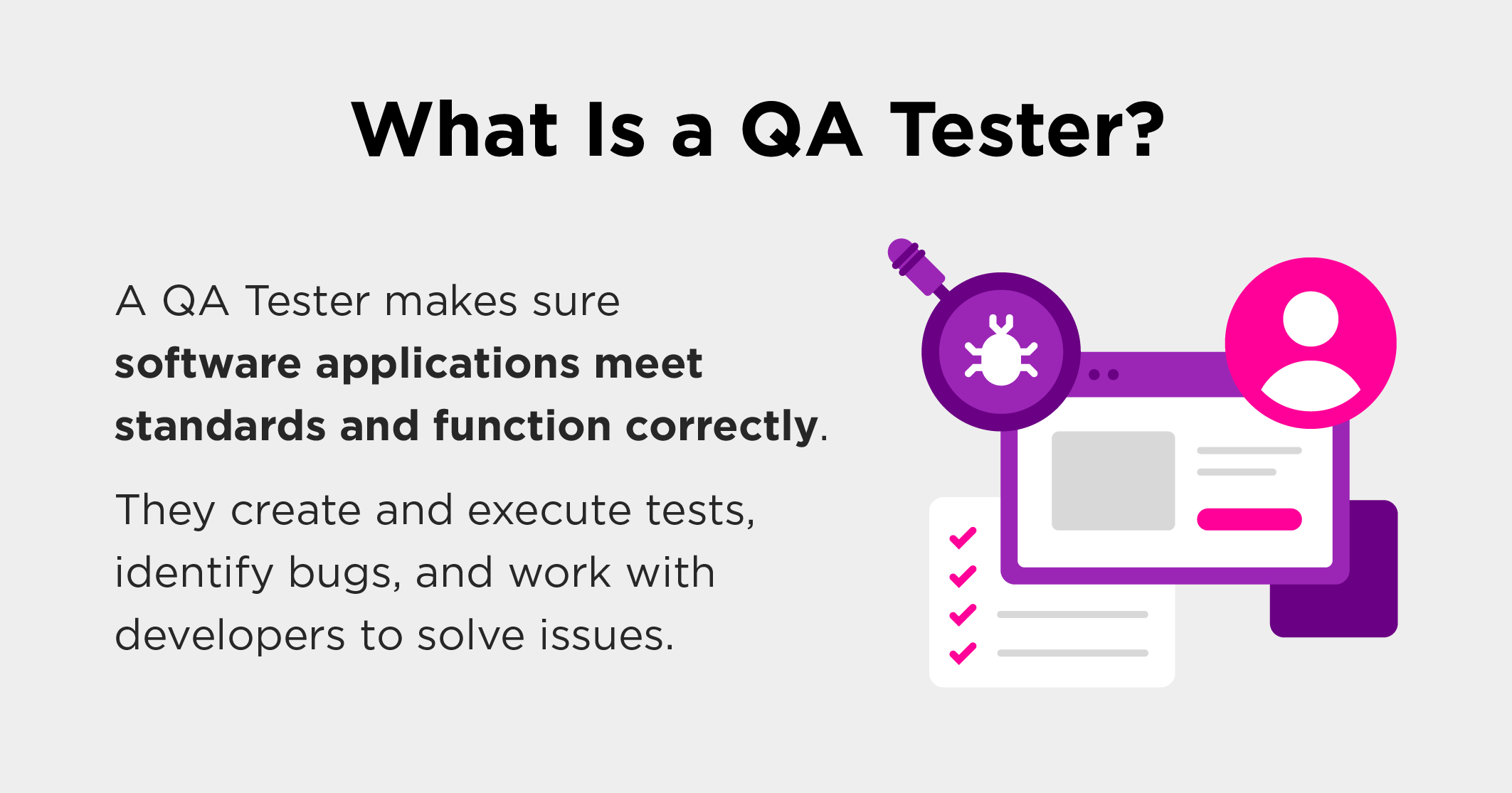
To understand what a QA Tester does, one must first look at the broader concept of Quality Assurance. QA is a proactive process focused on preventing defects in the software development process. It isn’t just about catching an error after it has been made; it is about establishing a framework where errors are less likely to occur in the first place.
Bridging the Gap Between Code and User Experience
While software developers focus on the “how”—building the features and writing the code—QA Testers focus on the “what” and the “should.” They act as a bridge between the technical realization of a product and the human experience of using it. A QA Tester looks at a feature and asks: “Does this meet the user’s needs? Does it handle unexpected inputs gracefully? Does it remain stable under heavy load?” By advocating for the user throughout the development cycle, QA Testers ensure that the final product is not just functional, but intuitive and reliable.
The Distinction Between QA, QC, and Testing
It is common to see the terms Quality Assurance (QA), Quality Control (QC), and Software Testing used interchangeably, but in the tech industry, they represent different layers of the same goal.
- QA (Quality Assurance) is process-oriented. It focuses on the methodologies used to create a quality product.
- QC (Quality Control) is product-oriented. It focuses on identifying defects in the actual finished product.
- Testing is the tactical execution of these goals—the actual act of running software to find bugs.
A QA Tester typically operates across all three domains, ensuring the process is sound while rigorously hunting for flaws in the software’s execution.
Key Responsibilities in the Daily Workflow
The day-to-day life of a QA Tester is highly structured yet requires immense flexibility to adapt to changing project requirements. Their work is integrated into the Software Development Life Cycle (SDLC), typically following Agile or DevOps methodologies.
Requirement Analysis and Test Planning
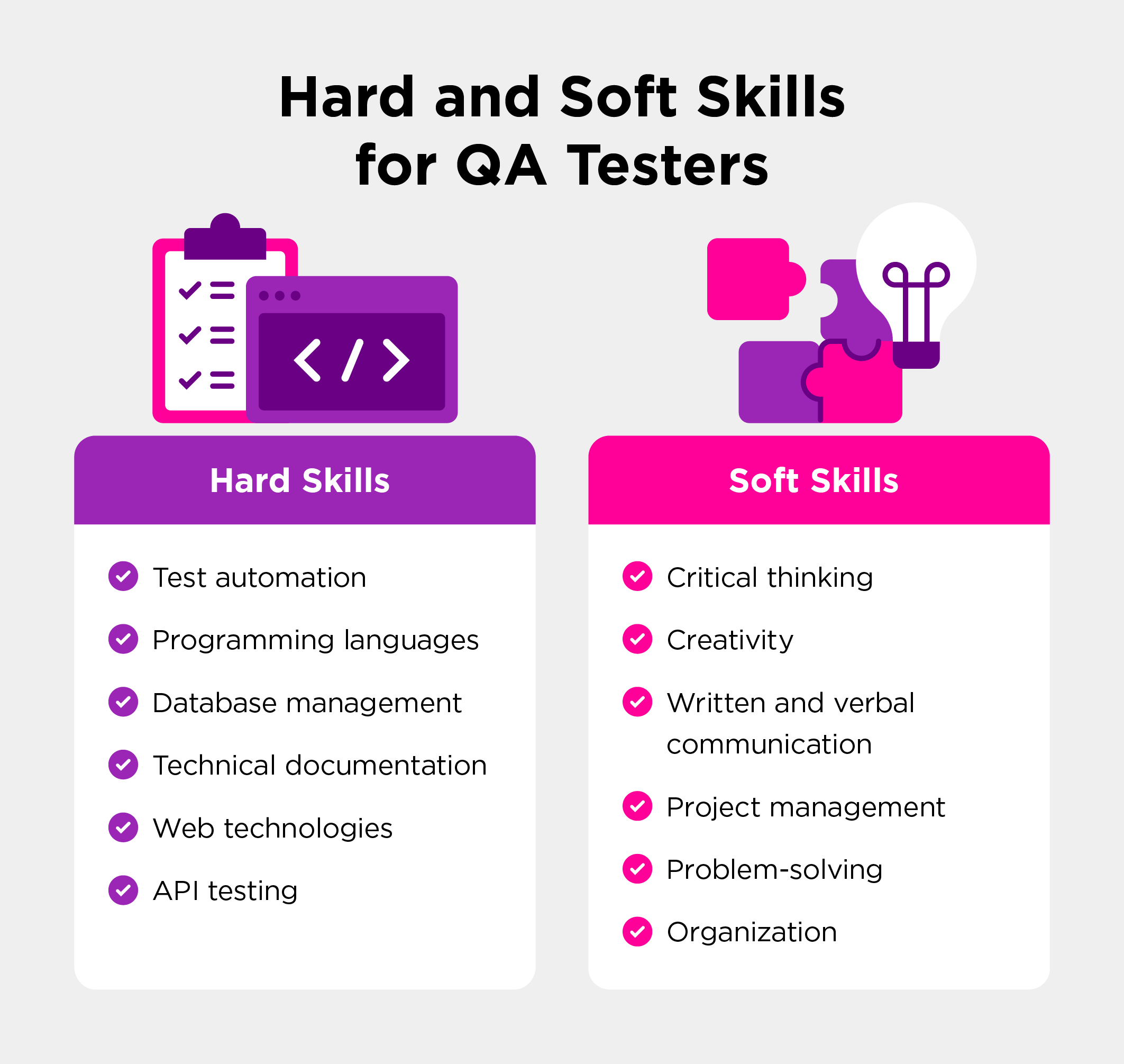
Before a single line of code is tested, the QA Tester must understand the requirements. This involves analyzing functional specifications to determine what the software is supposed to do. Based on this, they create a “Test Plan”—a strategic document outlining the scope, approach, resources, and schedule of intended testing activities. They also develop “Test Cases,” which are specific sets of conditions or variables under which a tester will determine whether a system is working correctly.
Manual Testing vs. Test Automation
One of the most significant divisions in the role is between manual and automated testing.
- Manual Testing: The tester takes the role of the end user, manually clicking through the application, checking menus, and inputting data to see if the software breaks. This is essential for Exploratory Testing, Usability Testing, and Ad-hoc Testing where human intuition and “gut feeling” are required.
- Test Automation: For repetitive tasks, such as verifying that a login page still works after every minor update (Regression Testing), QA Testers use code to test code. They write scripts using frameworks like Selenium or Playwright to automate the execution of tests. This increases efficiency and allows for much faster release cycles.
Defect Management and Reporting
When a QA Tester identifies a bug, their job is only half done. They must then document the “defect” in a way that developers can understand and replicate. This involves writing a bug report that includes the steps to reproduce the error, the expected result, the actual result, and the severity of the issue. Effective communication here is vital; a tester must be precise and objective to help the development team prioritize fixes.
The Essential Toolkit: Skills and Technologies
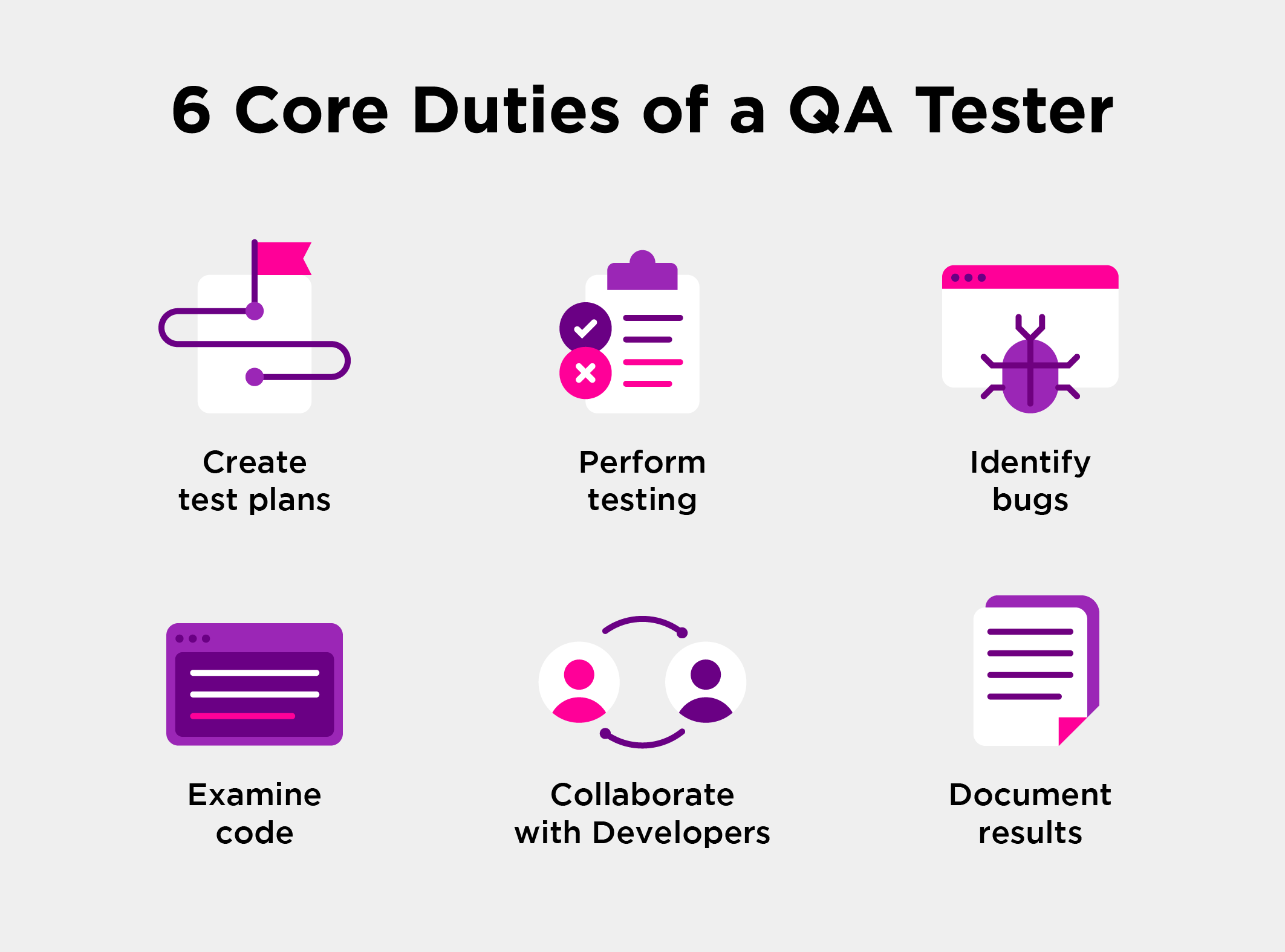
Modern software testing is a highly technical field. While the ability to think critically is the foundation, a successful QA Tester must master an array of tools and technologies to stay relevant in a fast-paced environment.
Technical Proficiency and Scripting
Gone are the days when QA was strictly a non-coding role. Today’s QA Engineers (a common evolution of the Tester role) often need to be proficient in programming languages like Java, Python, or JavaScript to write automation scripts. They also need a solid understanding of SQL (Structured Query Language) to verify data integrity in databases and an understanding of APIs (Application Programming Interfaces) to test how different software components communicate with one another.
Leading Software Testing Tools
To manage the complexity of modern apps, QA Testers utilize a variety of specialized tools:
- Jira & TestRail: For project management, bug tracking, and test case organization.
- Selenium & Cypress: The industry standards for web application automation.
- Postman: An essential tool for testing APIs and ensuring backend services are functioning.
- Appium: The go-to tool for mobile application testing across iOS and Android.
- JMeter: Used for performance and load testing to see how many users a system can handle before it crashes.
The “Soft” Side of Quality Assurance
Despite the heavy emphasis on technology, “soft skills” are equally critical. A QA Tester must possess extreme attention to detail; they are often the only people who notice a slight misalignment in a UI element or a one-second delay in response time. Furthermore, they need strong interpersonal skills. Because their job involves pointing out mistakes made by others, they must communicate with empathy and professionalism to maintain a collaborative relationship with the development team.
Integrating QA into the Modern Development Pipeline
In the past, testing was often the final step before a product was shipped—a phase known as the “Waterfall” model. Today, the tech industry has moved toward more integrated approaches where testing happens continuously.
The Shift-Left Approach
“Shift-Left” is a fundamental concept in modern Tech environments. It refers to the practice of moving testing to an earlier stage in the software development lifecycle (literally shifting it “left” on the project timeline). By involving QA Testers during the design and requirement phases, teams can identify potential flaws before a single line of code is written. This significantly reduces the cost of fixing bugs, as it is much cheaper to change a design document than to rewrite a fully developed feature.
Continuous Integration and Continuous Deployment (CI/CD)
In a DevOps culture, software is updated frequently—sometimes dozens of times a day. To maintain quality at this speed, QA Testers integrate their automated test suites into CI/CD pipelines. Every time a developer “pushes” new code, the automated tests run instantly. If a test fails, the code is rejected, ensuring that broken software never reaches the live environment. This level of automation is what allows tech giants like Netflix, Amazon, and Google to innovate at such a rapid pace without compromising stability.
The Future of QA: AI, Machine Learning, and Beyond
As software becomes more complex, the role of the QA Tester continues to evolve. We are currently entering the era of “AI-driven testing,” which promises to change the landscape once again.
AI-Driven Testing Tools
Artificial Intelligence and Machine Learning are now being used to write test cases, predict where bugs are likely to occur based on historical data, and even “self-heal” automation scripts when the user interface changes. For a QA Tester, this doesn’t mean the role is becoming obsolete; rather, it means the role is becoming more strategic. Instead of spending hours fixing broken scripts, testers can use AI to handle the grunt work, allowing them to focus on high-level architecture and complex security testing.
The Evolving Role of the QA Engineer
The line between Developer and QA Tester is blurring. We are seeing the rise of the SDET (Software Development Engineer in Test), a role that requires high-level coding skills dedicated entirely to building robust testing infrastructures. As technology moves toward decentralized systems, blockchain, and the Internet of Things (IoT), the QA Tester of the future will need to be a polymath—comfortable with hardware, distributed networks, and complex data science.
In conclusion, a QA Tester is much more than a “bug hunter.” They are strategic partners in the software development process, ensuring that the intersection of human need and machine logic results in a seamless, secure, and high-quality experience. In an age where our lives are increasingly defined by the code we interact with, the role of the QA Tester is not just a technical necessity—it is a foundational pillar of digital trust.
aViewFromTheCave is a participant in the Amazon Services LLC Associates Program, an affiliate advertising program designed to provide a means for sites to earn advertising fees by advertising and linking to Amazon.com. Amazon, the Amazon logo, AmazonSupply, and the AmazonSupply logo are trademarks of Amazon.com, Inc. or its affiliates. As an Amazon Associate we earn affiliate commissions from qualifying purchases.