
In the architecture of brand communication, every word serves as a structural component. While marketing managers often obsess over “action verbs” to drive conversions, the subtle power of the linking verb frequently goes unnoticed. However, in the realm of brand strategy, personal branding, and corporate identity, the linking verb is the essential tool that defines who a brand is, rather than just what it does.
Understanding what a linking verb is—and how to deploy it with precision—is the difference between a brand that feels scattered and one that carries an undeniable sense of authority. This guide explores the grammatical foundation of linking verbs and their strategic application in building a cohesive brand voice.

1. Defining the Linking Verb: The Bridge of Brand Identity
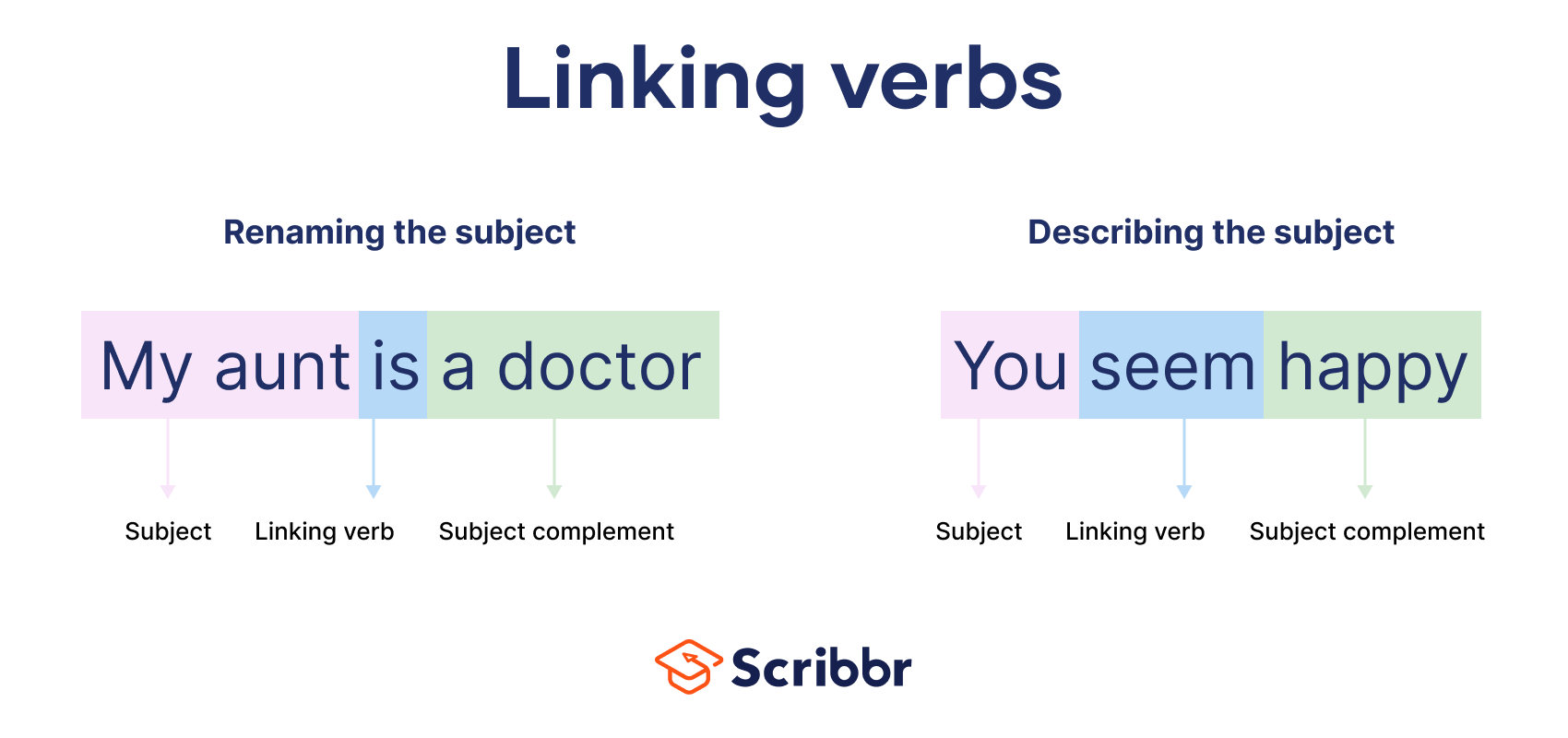
At its core, a linking verb (also known as a copula) does not express a physical or mental action. Instead, it connects the subject of a sentence to a word or phrase that renames or describes it. In the context of brand strategy, these verbs function as the “bridge” between your company name (the subject) and your value proposition (the complement).
The Grammar Basics: To Be and Beyond
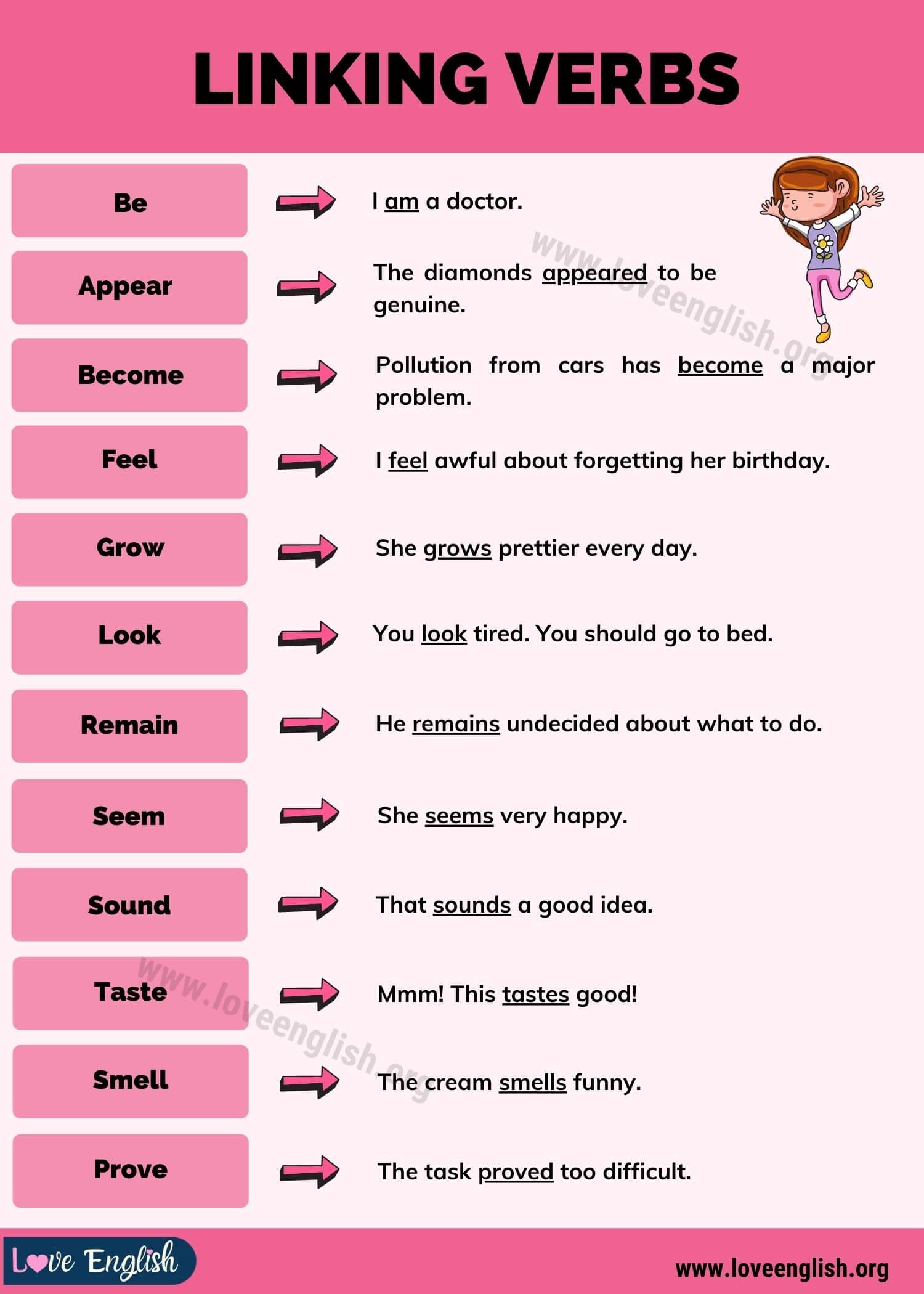
The most common linking verbs are forms of the verb “to be,” including am, is, are, was, were, being, and been. For a brand, these are the “identity markers.” When Apple says, “Think Different,” the implied sentence is “Our users are different.”
Beyond “to be,” other verbs can function as linking verbs depending on their context. These include seem, become, appear, feel, look, smell, sound, and taste. In branding, these are used to evoke sensory experiences or perceived states of being. For instance, a luxury skincare brand might say, “Your skin feels rejuvenated,” where “feels” links the customer’s skin to the desired state of rejuvenation.
Identifying Linking Verbs in Corporate Copy
To identify a linking verb in your marketing copy, use the “substitution test.” Replace the verb with an equal sign (=). If the sentence still makes sense and maintains its core meaning, the verb is a linking verb.
- Example: “The new logo appears modern.” (Logo = modern. This works; it’s a linking verb.)
- Example: “The CEO appears at the conference.” (CEO = at the conference. This does not work in a descriptive sense; here, “appears” is an action verb.)
For brand strategists, identifying these verbs allows for a deeper audit of corporate messaging to ensure the “state of being” aligns with the brand’s mission.
2. The Psychology of State: Why Linking Verbs Define Brand Perception
In brand strategy, the choice of verb dictates the psychology behind the message. While action verbs (run, build, innovate) create a sense of movement, linking verbs define the state of existence. This is crucial for establishing brand trust and corporate identity.
Static vs. Dynamic: Choosing Stability or Growth
Linking verbs allow a brand to toggle between two psychological states: stability and transformation.
- Stability (The ‘To Be’ Verbs): These suggest a permanent state. “We are the world’s most trusted bank.” This creates a foundation of reliability. It tells the consumer that the brand’s identity is non-negotiable and established.
- Transformation (The ‘Become’ Verbs): “Our clients become leaders.” Using “become” as a linking verb positions the brand as a catalyst for change. It links the subject (the client) to a future, evolved state (a leader).
Creating Emotional Connections through Sensory Linking Verbs
Personal branding often relies on sensory linking verbs to create an “aura.” When a personal brand “sounds” professional or “looks” authentic, the audience is processing sensory information to form a judgment.
In marketing, verbs like feel, sound, and look are used to bridge the gap between a product’s features and a consumer’s emotional response. A high-end automotive brand doesn’t just sell a car; they sell how the leather smells and how the engine sounds. By strategically using these linking verbs in copy, designers and marketers can anchor abstract brand values into tangible, sensory realities.
3. Practical Examples: Linking Verbs in World-Class Brand Messaging
To truly understand the impact of linking verbs, we must look at how global giants use them to anchor their corporate identity. These examples demonstrate how a simple grammatical structure can carry the weight of a multi-billion-dollar reputation.
Tech Giants and the Power of ‘Is’
In the technology sector, clarity is king. Brands use the linking verb “is” to simplify complex innovations.
-
Google: “Google is a search engine.” (Original identity)
-
Revised Strategy: “Our mission is to organize the world’s information.”
In this example, “is” connects the mission (subject) to a massive, global objective. It doesn’t describe an action Google takes daily; it describes the very essence of why they exist. -
Slack: “Slack is where work happens.”
Here, the linking verb “is” transforms a software application into a digital location. It defines the “state” of the tool as an environment rather than just a utility.
Luxury Branding and Sensory Connectivity
Luxury brands rarely focus on what their products “do.” Instead, they focus on what their products “are” and how they “feel.”
-
Chanel: “Luxury is a necessity that begins where necessity ends.” (Coco Chanel)
This iconic statement uses “is” to redefine the very concept of luxury. -
Hospitality Brands: A brand like Ritz-Carlton might use copy such as, “The ambiance remains timeless.”
The verb “remains” is a linking verb that emphasizes continuity and tradition—key pillars of their corporate identity.
Personal Branding: The Authority of the Copula
For influencers, consultants, and executives, the linking verb is the primary tool for “Positioning.”
- “I am a disruptor.”
- “My approach is data-driven.”
- “The results were transformative.”
These sentences don’t just list tasks; they build a persona. By linking the self (I) to a trait (disruptor), the individual solidifies their personal brand in the mind of the audience.
4. Strategic Implementation: How to Audit Your Brand Voice for Verb Usage
Effective brand management requires an audit of linguistic patterns. If your brand voice feels “weak” or “passive,” it might be due to an over-reliance or misuse of linking verbs. Conversely, if your brand feels “aggressive” or “transactional,” you may be missing the connective tissue that linking verbs provide.
Removing Clutter for Direct Impact
One common mistake in corporate writing is the “buried” linking verb. This happens when a brand uses a linking verb to describe an action, leading to wordiness.
- Weak Branding: “Our goal is to provide assistance to customers.”
- Direct Branding: “We help customers.” (Action verb)
- Strategic Identity: “We are the customer’s ally.” (Linking verb used correctly for identity)
As a brand strategist, you must decide: Do you want to highlight the action (helping) or the identity (being an ally)? If you want to build a long-term corporate identity, the linking verb “are” is more powerful.
Enhancing Personal Branding through Authority Verbs
In personal branding, the transition from “doing” to “being” is the hallmark of a thought leader.
- Step 1: Audit your LinkedIn bio. Do you have a list of actions? (“I manage teams, I write code, I design logos.”)
- Step 2: Introduce linking verbs to establish state. (“I am a leader of cross-functional teams. My code is the foundation of secure platforms. My designs are the visual voice of startups.”)
This shift from action to state (linking verb) creates an aura of expertise. It suggests that these qualities are inherent to you, not just tasks you perform.
5. Conclusion: The Verb as a Strategic Asset
In the world of Brand Strategy and Corporate Identity, the “linking verb” is much more than a grammatical term—it is a strategic asset. By understanding what a linking verb is and how it functions, brand managers can move beyond merely describing activities and start defining essences.
Whether you are using “is” to anchor a global mission statement or “seems” to soften a brand’s approachability, these verbs are the connectors that turn a collection of words into a coherent identity. When you master the linking verb, you master the ability to tell the world not just what you do, but exactly who you are.
As you refine your brand’s messaging, remember: action verbs win the sale, but linking verbs win the reputation. Choose yours with the precision that your brand deserves.
aViewFromTheCave is a participant in the Amazon Services LLC Associates Program, an affiliate advertising program designed to provide a means for sites to earn advertising fees by advertising and linking to Amazon.com. Amazon, the Amazon logo, AmazonSupply, and the AmazonSupply logo are trademarks of Amazon.com, Inc. or its affiliates. As an Amazon Associate we earn affiliate commissions from qualifying purchases.