
In the landscape of modern telecommunications and enterprise software, few technologies have remained as foundational yet underwent as much transformation as the Interactive Voice Response System (IVRS). Often referred to simply as IVR, this technology serves as the automated bridge between a telephone caller and a computer database. While early iterations were often criticized for being rigid and frustrating, the integration of Artificial Intelligence (AI) and cloud computing has turned the modern IVRS into a sophisticated tool for data processing, customer routing, and automated problem-solving.
As businesses transition toward digital-first environments, understanding the technical architecture, evolution, and implementation of IVRS is essential for anyone working within the realms of software development, IT infrastructure, or digital transformation.
The Mechanics of IVRS: How Modern Telephony Works
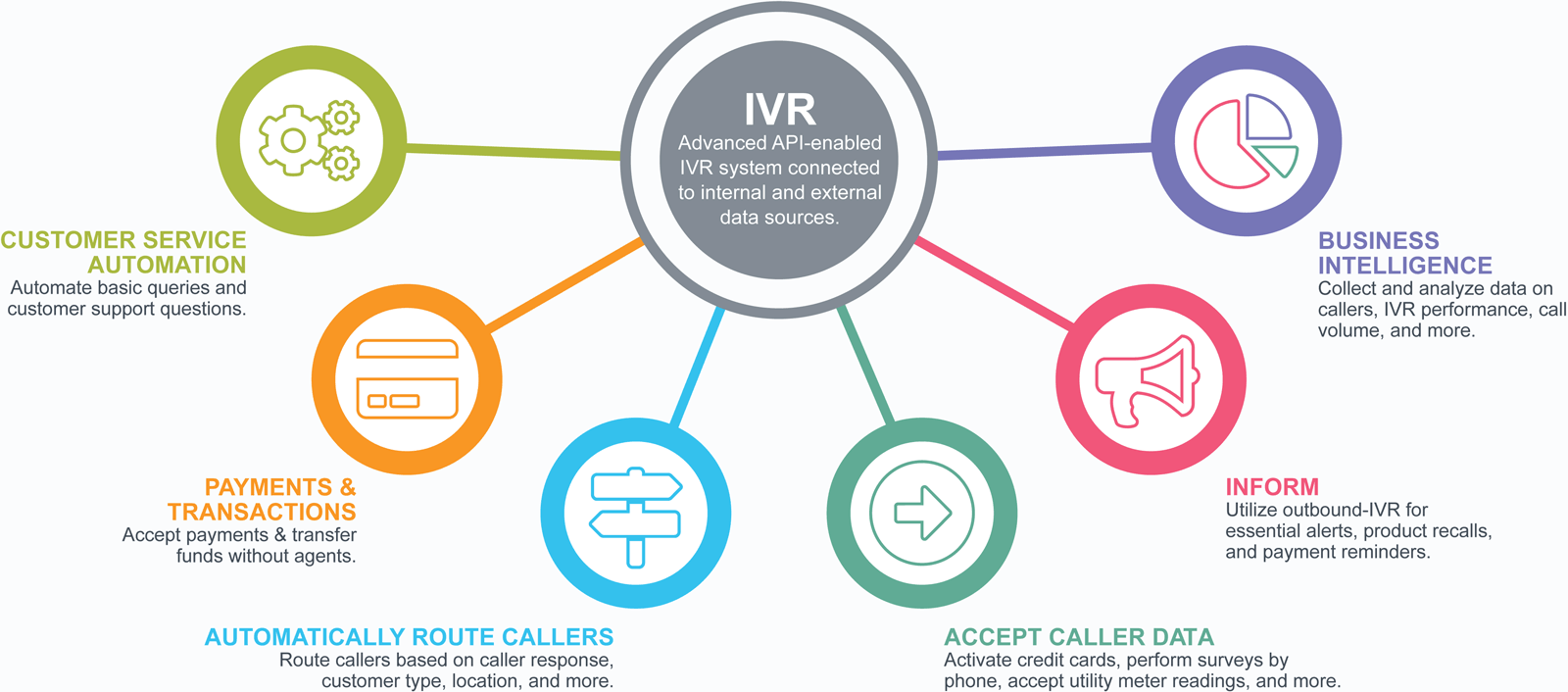
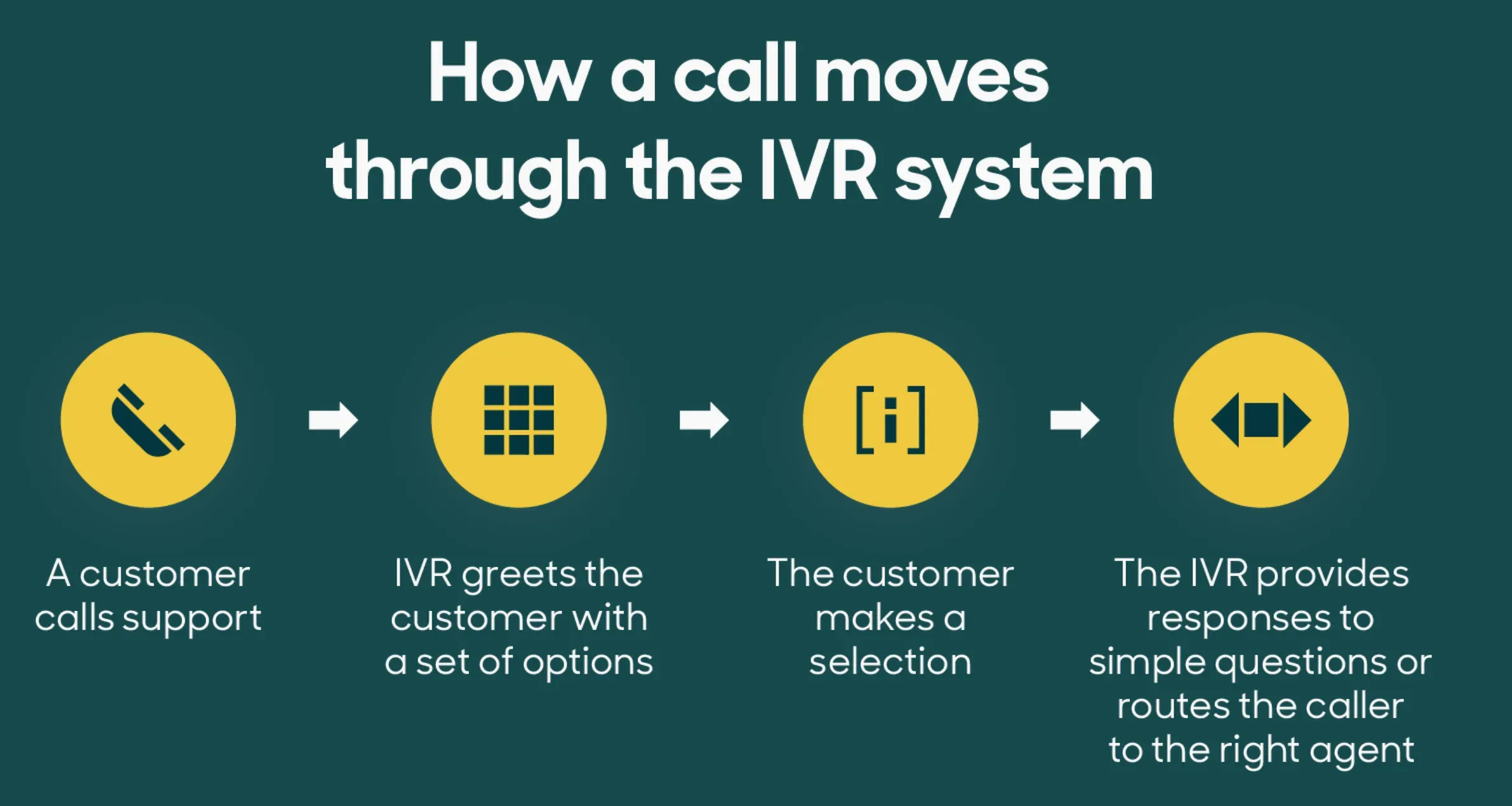
At its core, an IVR system is a telephony menu that allows callers to interact with a business’s host system via a telephone keypad or by speech recognition. However, the backend technology required to facilitate this seamless interaction is highly complex, involving a mixture of hardware, software, and networking protocols.
DTMF vs. Speech Recognition
Traditional IVRS relies on Dual-Tone Multi-Frequency (DTMF) signaling. When a user presses a digit on their phone, it sends a specific tone—a combination of two frequencies—over the line. The IVR software decodes these frequencies to trigger specific programmed responses. While reliable, DTMF is limited by its linear nature.
Modern IVR systems have evolved to include Speech Recognition (SR) technology. This allows users to speak their requests naturally. The software uses sophisticated algorithms to filter out background noise, identify the caller’s language, and match the vocal input against a library of phonemes to interpret the command. This transition from “press 1” to “tell us why you are calling” represents a significant leap in software capability.
The Role of Cloud Computing and VoIP
In the past, IVR systems required heavy on-premise hardware, including PBX (Private Branch Exchange) boxes and physical telephone lines. Today, the “Tech” sector has largely moved toward Cloud IVR. These systems operate via Voice over Internet Protocol (VoIP), which converts analog voice signals into digital data packets.
Cloud-based IVR offers unparalleled scalability. Because the software is hosted on remote servers (AWS, Azure, or Google Cloud), developers can scale the system’s capacity up or down instantly based on call volume. Furthermore, Session Initiation Protocol (SIP) trunking allows for the integration of voice, video, and messaging, making the IVRS part of a broader Unified Communications (UC) strategy.
Key Features and Technological Capabilities
The sophistication of an IVRS is defined by its feature set and its ability to interact with other software layers. Modern systems are no longer standalone silos; they are integrated components of a company’s technological stack.
Natural Language Processing (NLP)
The most significant tech trend in IVRS is the shift toward Natural Language Processing (NLP) and Natural Language Understanding (NLU). Unlike basic speech recognition, which looks for specific keywords, NLP allows the system to understand intent and context.
By utilizing machine learning models, an NLP-enabled IVRS can handle complex queries. For example, if a user says, “I want to check my order status but I lost my tracking number,” the system recognizes two distinct data points: the intent (order status) and the constraint (missing tracking number). This level of intelligence reduces the need for human intervention and streamlines the user journey through the software.
Visual IVR and Multi-Channel Integration
As mobile app technology has advanced, “Visual IVR” has emerged as a hybrid solution. When a user calls a support line from a smartphone, the system can trigger a visual menu on the user’s screen. This allows for faster navigation, as human beings process visual information faster than audio.
Technically, this involves an API (Application Programming Interface) call that syncs the voice session with a web-based interface. This multi-channel approach ensures that the data collected during the IVR session—such as a user’s account number or issue type—is passed seamlessly to the next stage, whether that is a live agent’s dashboard or a self-service web portal.

The Evolution of IVRS: From Legacy Systems to Conversational AI
The history of IVRS is a microcosm of the history of computing itself. We have moved from mechanical switching to digital logic, and now to cognitive computing.
The Rise of AI-Powered Virtual Assistants
The latest iteration of IVRS is the Intelligent Virtual Assistant (IVA). While traditional IVR follows a pre-defined “tree” logic (if X, then Y), an IVA uses Generative AI and deep learning to hold fluid conversations.
These systems are built using Large Language Models (LLMs) that have been fine-tuned on specific corporate datasets. This allows the IVRS to provide technical support, troubleshoot software issues, or even perform complex tasks like booking appointments or processing payments without a scripted menu. The technical hurdle here is latency; developers must ensure that the AI’s processing time is low enough to maintain the “flow” of a natural conversation.
Integration with CRM and Big Data
A major shift in the tech world is the “Data-First” approach. Modern IVR systems are directly integrated with Customer Relationship Management (CRM) software like Salesforce or Zendesk. When a call enters the system, the IVR performs a real-time database lookup based on the Caller ID.
If the system identifies the caller as a “Premium Tier” user with an open technical ticket, the software can bypass the standard menu and route the call immediately to a specialist. This logic is handled by middleware that connects the telephony server to the CRM API, ensuring that every interaction is data-driven and personalized.
Implementing IVRS: Technical Best Practices for Efficiency
Building an effective IVRS requires more than just recording audio prompts; it requires rigorous logic design and a focus on the technical user experience.
Optimizing Call Flow Logic
The most critical part of IVR development is the call flow architecture. Developers use flowcharts to map out every possible path a user might take. A common technical mistake is “nested menus,” where a user is forced to go through too many layers to reach a solution.
Best practices in software design suggest a “three-click” rule—or in the case of IVR, a “three-prompt” rule. If a user cannot resolve their issue or reach the correct department within three interactions, the system should offer a fallback option. Furthermore, developers must implement “error handling” for instances where the system cannot understand the user’s input, ensuring the call isn’t dropped but instead routed to a general queue.
Security and Data Protection in Automated Telephony
Because IVRS often handles sensitive information—such as credit card numbers, social security numbers, or health records—security is a paramount technical concern.
Modern systems utilize “DTMF Clamping” or “Muting” to ensure that sensitive tones are not recorded in call logs. Furthermore, compliance with standards like PCI-DSS (for payments) and HIPAA (for healthcare) is mandatory. Encryption of data in transit (using TLS) and data at rest is a standard requirement for any cloud-based IVR deployment. Biometric voice authentication is also becoming a popular tech feature, allowing the system to verify a user’s identity based on their unique “voiceprint,” adding a layer of security that traditional PINs cannot match.
The Future of IVRS in the Age of Generative AI
As we look toward the future, the boundary between IVRS and human-like AI will continue to blur. We are moving toward a “No-UI” future where the voice interface becomes the primary method of interacting with complex software systems.
The next generation of IVRS will likely be predictive. By analyzing historical data and real-time triggers (such as a recent failed login attempt on a website), the IVR will be able to anticipate why a user is calling before they even speak. Technically, this involves the orchestration of real-time analytics, machine learning, and high-speed telecommunications infrastructure.
In conclusion, IVRS has transitioned from a simple telephony tool into a sophisticated pillar of the modern tech stack. By leveraging NLP, cloud scalability, and deep CRM integrations, organizations can create automated systems that are not just efficient, but genuinely intelligent. For tech professionals, the challenge lies in balancing these advanced capabilities with a seamless, low-latency user experience that prioritizes security and data integrity.
aViewFromTheCave is a participant in the Amazon Services LLC Associates Program, an affiliate advertising program designed to provide a means for sites to earn advertising fees by advertising and linking to Amazon.com. Amazon, the Amazon logo, AmazonSupply, and the AmazonSupply logo are trademarks of Amazon.com, Inc. or its affiliates. As an Amazon Associate we earn affiliate commissions from qualifying purchases.