
In the complex ecosystem of modern healthcare, the movement of capital is just as vital as the movement of medicine. For a healthcare practice to function as a viable business, it must navigate a labyrinth of administrative requirements, insurance protocols, and federal regulations. At the center of this financial web sits a singular, ten-digit identifier: the National Provider Identifier, or NPI number. While it may appear to be a simple administrative tag, the NPI is, in fact, the fundamental financial tool that enables the multibillion-dollar healthcare reimbursement cycle to function.
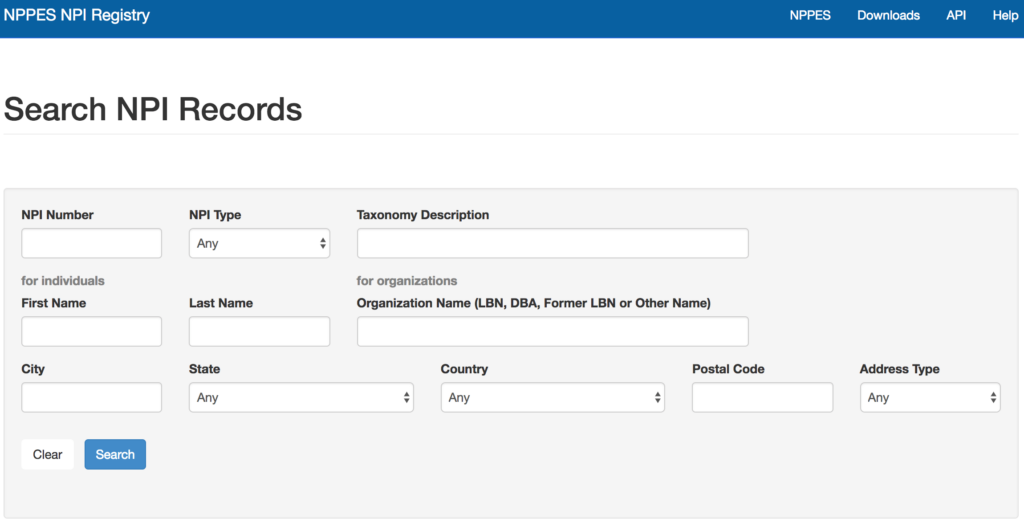
Understanding what a doctor’s NPI number is—and more importantly, how it governs the flow of money within the medical industry—is essential for practitioners, financial administrators, and healthcare investors alike. This guide explores the NPI through the lens of business finance, examining its role in revenue cycle management, insurance adjudication, and the broader financial integrity of the healthcare market.
The Fundamentals of the National Provider Identifier (NPI)
The National Provider Identifier (NPI) was birthed from a need for financial and administrative efficiency. Established under the Health Insurance Portability and Accountability Act (HIPAA) of 1996, the NPI was designed to replace a fragmented system where doctors used different identification numbers for every insurance payer they dealt with. From a business perspective, this old system was a nightmare of inefficiency, leading to delayed payments and high administrative overhead.
Defining the NPI: A Universal Financial Key
An NPI is a unique, 10-digit, intelligence-free identification number issued to healthcare providers by the Centers for Medicare & Medicaid Services (CMS). “Intelligence-free” means that the number itself carries no inherent information about the doctor, such as their state of practice or medical specialty. Instead, it serves as a permanent digital fingerprint. In the realm of business finance, this provides a “Single Source of Truth.” Whether a doctor is filing a claim with a private insurer like BlueCross BlueShield or a federal program like Medicare, the NPI ensures that the financial entity knows exactly who is requesting payment.
Type 1 vs. Type 2: Identifying the Payee
From a financial structuring standpoint, it is crucial to distinguish between the two types of NPI numbers.
- Type 1 (Individual): This is assigned to sole practitioners. If a doctor operates as an individual professional, the money flows directly to them via this identifier.
- Type 2 (Organizational): This is assigned to group practices, corporations, hospitals, or nursing homes.
For many medical businesses, both are used in tandem. A physician (Type 1) performs the service, but the payment is “assigned” to the practice (Type 2). Understanding this distinction is vital for accurate tax reporting and managing the corporate identity of a medical group.
The Financial Role of NPI in Medical Billing and Reimbursement
The primary reason the NPI exists today is to facilitate the Electronic Data Interchange (EDI) of financial transactions. In the “Money” niche of healthcare, the NPI is the primary lever of the Revenue Cycle Management (RCM) process.
Streamlining Insurance Claims and Cash Flow
In any other industry, an invoice is sent, and a check is cut. In healthcare, the “invoice” is a complex medical claim. If the NPI number on a claim is missing, incorrect, or not linked to the provider’s credentials, the claim is instantly rejected by the clearinghouse. For a private practice, even a 5% error rate in NPI reporting can lead to a significant “Days Sales Outstanding” (DSO) increase, choking the practice’s cash flow. The NPI acts as the standardized bridge that allows automated systems to verify the provider’s legitimacy and process payments without human intervention.
Medicare and Medicaid Compliance
Federal payers are the largest sources of revenue for many healthcare providers. To receive a single dollar from Medicare or Medicaid, a provider must have an active NPI. Furthermore, the NPI is linked to the Provider Enrollment, Chain, and Ownership System (PECOS). This linkage is a financial safeguard; it ensures that the government is not paying “ghost providers” or excluded individuals. For healthcare investors performing due diligence on a practice acquisition, verifying the standing of all NPIs associated with the firm is a non-negotiable step in assessing financial risk.
Fraud Prevention and Financial Auditing
The NPI system is a cornerstone of healthcare fraud prevention. By centralizing all transactions under a single number, federal auditors can use data analytics to spot patterns of overbilling, “upcoding,” or suspicious referral volumes. From a business finance perspective, the NPI allows for transparent auditing. It creates a paper trail that protects the integrity of the financial markets by ensuring that healthcare expenditures—which account for nearly 18% of the U.S. GDP—are tracked and verified.
NPI as a Tool for Business Intelligence and Market Analysis
Beyond the simple “billing and receiving” of funds, the NPI serves as a powerful data point for market analysis and strategic financial planning. Because NPI data is public through the National Plan and Provider Enumeration System (NPPES), it has become a goldmine for business intelligence.
Tracking Referral Patterns for Revenue Growth
In the business of healthcare, “referral leakage” is a major financial drain. Hospitals and large health systems use NPI data to track where their doctors are sending patients. By analyzing claims data associated with specific NPIs, a CFO can identify if revenue is staying within their network or “leaking” to a competitor. This allows for data-driven decisions on where to invest capital, whether it be in new specialty clinics or physician recruitment.
Leveraging NPI Databases for Financial Research
Pharmaceutical companies and medical device manufacturers use NPI numbers to manage their sales territories and “spend” transparency. Under the Sunshine Act, any financial payment or gift made to a doctor must be reported and linked to their NPI. This creates a transparent financial ecosystem where patients and investors can see the financial relationships between providers and industry. For a savvy investor, analyzing these financial ties can provide insights into a company’s market penetration and the adoption rate of new medical technologies.
Regulatory Compliance and the Cost of Non-Compliance
In business finance, “risk” is often synonymous with “non-compliance.” The NPI is not just a suggestion; it is a federal mandate for “covered entities.” Failing to manage NPI data correctly carries heavy financial penalties.
HIPAA and the Administrative Simplification Standard
The NPI is a core component of HIPAA’s “Administrative Simplification” rules. These rules were designed to save the healthcare industry billions of dollars by standardizing electronic transactions. If a business fails to use the NPI in standard transactions, they are in violation of federal law. This can result in significant fines from the Office for Civil Rights (OCR). More importantly, it can lead to a total cessation of electronic payments, effectively bankrupting a practice that relies on insurance reimbursements.
Avoiding Revenue Cycle Delays
The “cost” of an NPI error isn’t just the fine; it’s the opportunity cost of delayed capital. When an NPI is not properly updated—for instance, when a doctor changes their office address but fails to update the NPPES database—insurers may flag the claim for a manual review. This can delay payment by 60 to 90 days. In the world of business finance, where the time value of money is paramount, these delays represent a loss of interest and a decrease in the practice’s overall valuation.
Managing Your NPI: A Strategic Financial Asset
Because the NPI is so closely tied to a doctor’s ability to generate and receive income, it should be treated as a high-value financial asset, much like a credit score or a business license.
Keeping the NPPES Database Current
The National Plan and Provider Enumeration System (NPPES) is the registry where NPI information is stored. Professional financial management of a medical practice requires quarterly audits of this data. Ensuring that the mailing address, practice location, and taxonomy codes (which describe the provider’s specialty) are accurate is essential. An incorrect taxonomy code can lead to an insurer paying a “specialist” rate at a “generalist” level, resulting in thousands of dollars in lost revenue over a fiscal year.

Integrating NPI into Digital Financial Ecosystems
As healthcare moves toward “Value-Based Care” models, the NPI is being integrated into more sophisticated financial software. Modern Enterprise Resource Planning (ERP) systems for healthcare now link NPI numbers directly to payroll, supply chain expenses, and patient outcomes. This integration allows for a granular view of “profitability per provider.” By tracking the expenses and revenues associated with a specific NPI, practice managers can identify which providers are the most efficient and which may require coaching to improve the practice’s bottom line.
In conclusion, a doctor’s NPI number is much more than a digit on a prescription pad. It is the fundamental unit of the American healthcare financial system. It facilitates the flow of billions of dollars in claims, acts as a safeguard against financial fraud, and provides the data necessary for sophisticated market analysis. For anyone involved in the business of medicine, a deep understanding of the NPI is not just an administrative requirement—it is a financial necessity. Properly managing and leveraging this ten-digit code is the key to maintaining a healthy, profitable, and compliant healthcare enterprise.
aViewFromTheCave is a participant in the Amazon Services LLC Associates Program, an affiliate advertising program designed to provide a means for sites to earn advertising fees by advertising and linking to Amazon.com. Amazon, the Amazon logo, AmazonSupply, and the AmazonSupply logo are trademarks of Amazon.com, Inc. or its affiliates. As an Amazon Associate we earn affiliate commissions from qualifying purchases.