
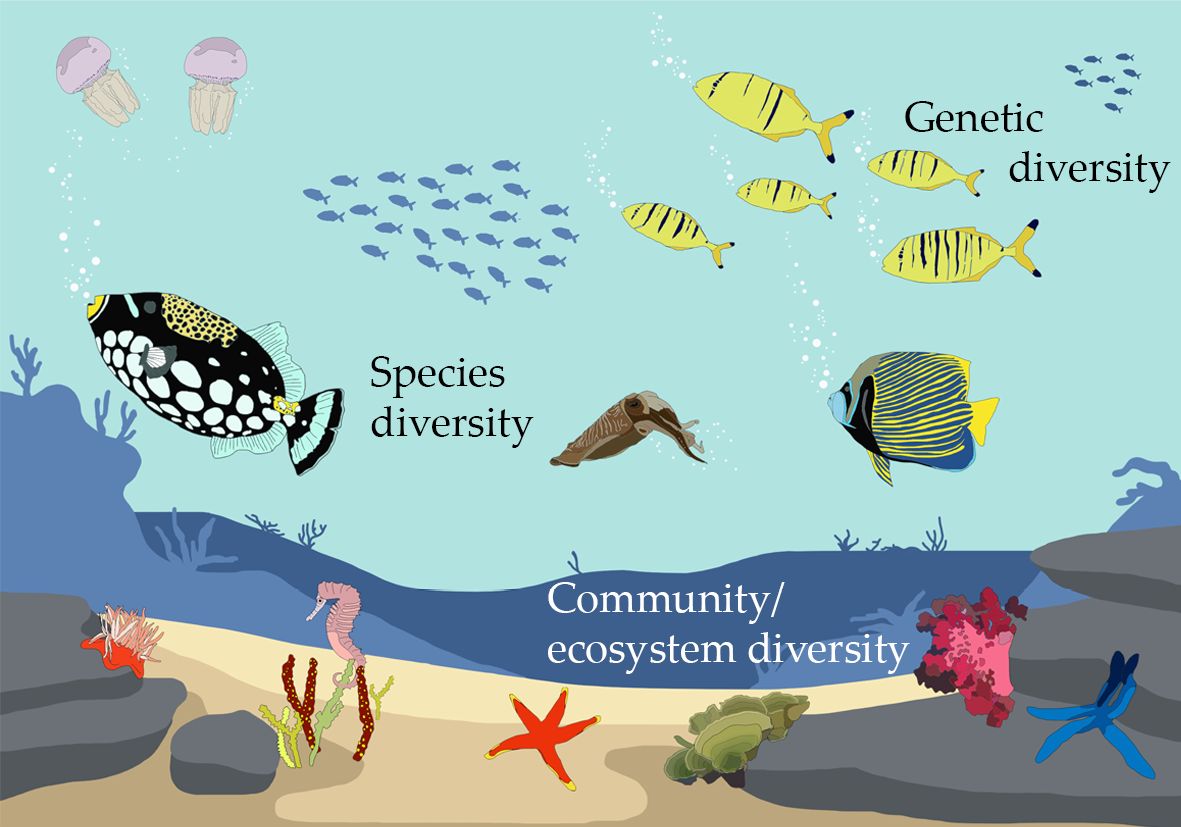
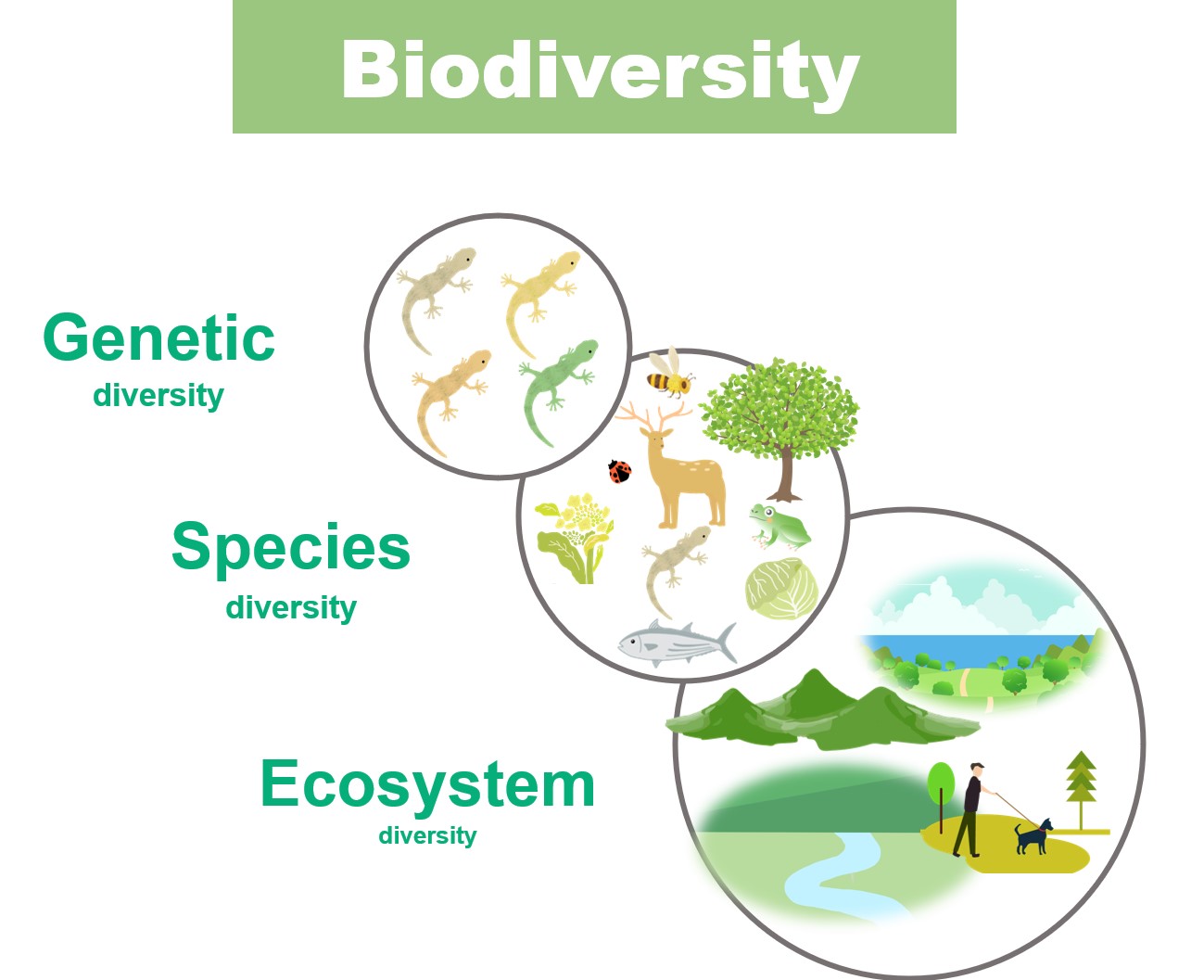
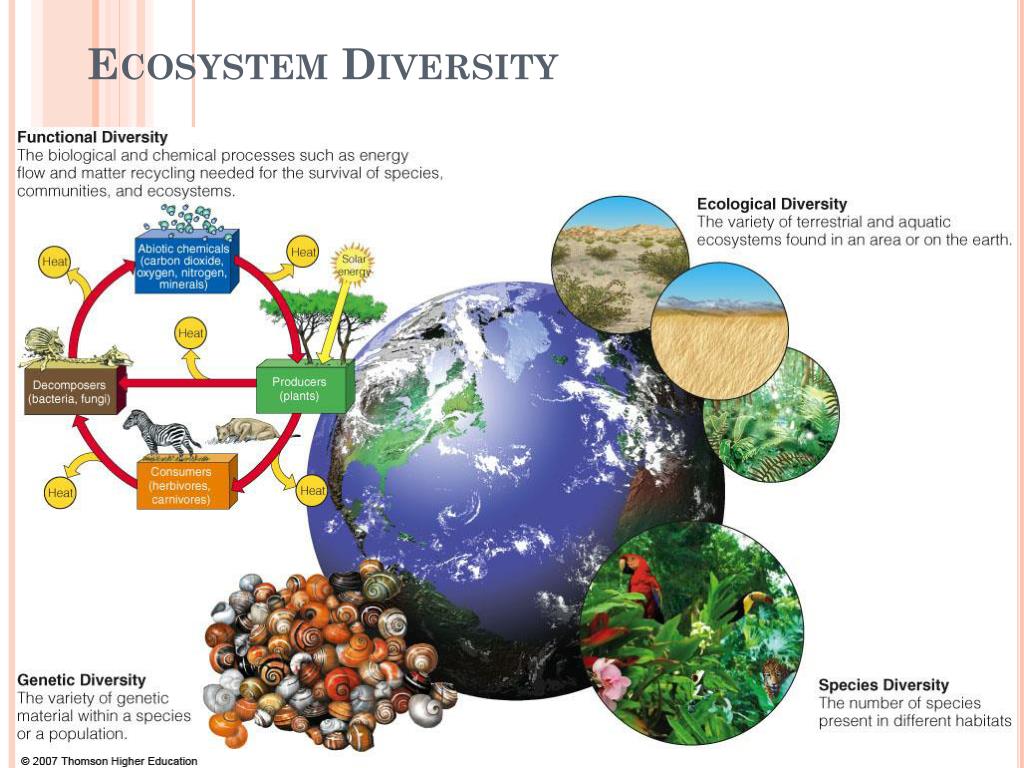
In the biological world, an ecosystem’s health is measured by its biodiversity—the variety of species interacting within an environment to maintain balance and resilience. In the modern era, this biological concept has become the definitive metaphor for the technology industry. A “tech ecosystem” describes the complex network of hardware, software, platforms, and users that interact to create value. However, the most critical component of a thriving digital environment is diversity.
Diversity in a tech ecosystem refers to the variety of technologies, platforms, providers, and human perspectives that constitute a digital infrastructure. Whether we are discussing a corporation’s internal “tech stack,” the global landscape of Artificial Intelligence, or the interconnected devices in a consumer’s home, diversity is the primary defense against obsolescence and systemic failure. This article explores the multifaceted nature of diversity within technology ecosystems and why it is the cornerstone of sustainable innovation.
Defining the Tech Ecosystem and the Role of Diversity
At its core, a technology ecosystem is a community of interacting entities, including developers, enterprises, third-party service providers, and end-users. When we ask “what is diversity” in this context, we are looking at the breadth of the tools and the openness of the architecture. A diverse ecosystem is one where multiple standards, languages, and hardware components coexist and communicate effectively.
Hardware vs. Software Synergies
The most visible form of diversity in an ecosystem is the synergy between hardware and software. Consider a smart home ecosystem. If it only supports one brand of lightbulb, one type of thermostat, and one specific voice assistant, it is a “closed” or “monolithic” ecosystem. While this can offer ease of use, it lacks diversity. A diverse ecosystem, conversely, utilizes universal protocols (like Matter or Zigbee) to allow a variety of hardware manufacturers to participate. This variety drives competition, lowers costs for the consumer, and ensures that the failure of one manufacturer does not render the entire system useless.
The Shift from Monolithic to Distributed Architectures
Historically, many organizations relied on “monolithic” ecosystems—purchasing every tool from a single vendor (e.g., an all-IBM or all-Microsoft shop). However, the modern tech landscape has shifted toward distributed architectures. Diversity here means utilizing microservices and APIs (Application Programming Interfaces) to connect disparate systems. By diversifying the components of a software architecture, developers can update individual parts of a system without crashing the whole, mimicking the way a diverse forest can survive a localized pest outbreak that would destroy a monoculture plantation.
Diversity in the Tech Stack: Why Heterogeneity Matters
For businesses and developers, the “tech stack” is the collection of technologies used to build and run an application. Strategic diversity within the tech stack is no longer optional; it is a requirement for performance and security. A diverse stack allows a company to choose the “best-of-breed” tool for every specific task rather than settling for a mediocre “all-in-one” solution.
Multi-Cloud Strategies for Resilience
One of the most significant trends in enterprise tech is the move toward multi-cloud environments. Instead of relying solely on a single provider like Amazon Web Services (AWS), Google Cloud, or Microsoft Azure, diverse ecosystems spread their workloads across multiple providers. This diversity prevents “vendor lock-in” and provides a fail-safe. If one cloud provider experiences a massive regional outage, a diverse ecosystem can shift critical operations to another provider, ensuring business continuity.
Programming Languages and Framework Versatility
A diverse tech ecosystem also thrives on a variety of programming languages. While a single-language environment (e.g., everything written in JavaScript) might seem simpler, it limits the system’s capabilities. Diversity means using Python for data science and AI components, Rust or C++ for high-performance system tasks, and Go for scalable backend services. This “polyglot” approach allows developers to leverage the unique strengths of different languages, leading to more efficient and robust applications.
The AI Ecosystem: Diversifying Large Language Models (LLMs)
As Artificial Intelligence becomes the central nervous system of modern technology, the concept of diversity has moved to the forefront of AI development. An ecosystem that relies on a single AI model is inherently fragile and prone to biased outputs. Diversity in AI is two-fold: it involves the variety of models used and the diversity of the data used to train them.
Specialized vs. General-Purpose AI
We are currently transitioning from a period of “general-purpose” AI dominance (like early versions of ChatGPT) to an ecosystem of specialized models. A diverse AI ecosystem utilizes “Small Language Models” (SLMs) trained for specific industries—such as legal, medical, or coding—alongside larger models. This diversity allows for higher accuracy and lower computational costs. By deploying an ecosystem of specialized agents rather than one monolithic AI, organizations can achieve more nuanced and reliable results.
Ethical Diversity and Reducing Algorithmic Bias
Diversity in the tech ecosystem also refers to the human element behind the code. If the data used to train AI lacks diversity, the resulting ecosystem will be biased, exclusionary, and potentially harmful. Promoting diversity in an AI ecosystem means ensuring that training datasets include a wide range of global languages, cultural contexts, and demographic perspectives. This variety is essential for creating AI tools that are functional for a global audience rather than a narrow subset of users.
User Experience and Accessibility Diversity
A tech ecosystem is only as successful as its ability to serve its users. Diversity in this niche focuses on accessibility and cross-platform interoperability. A healthy ecosystem must be “species-neutral,” meaning it should work across different operating systems, devices, and user abilities.
Cross-Platform Interoperability
In a diverse ecosystem, the “walled garden” approach—where products only work within a specific brand’s universe—is a sign of low diversity. Modern consumers demand interoperability. They want their Spotify playlist to move seamlessly from an iPhone to a Windows laptop to a Linux-based smart car. Diversity in the ecosystem facilitates this through open standards. When technologies are diverse and interoperable, they create a more fluid and “sticky” experience for the user, who is no longer frustrated by digital barriers.
Inclusive Design as a Competitive Advantage
Inclusive design is the practice of creating technology that is usable by people with the widest possible range of abilities. A diverse ecosystem prioritizes screen readers, voice-to-text, haptic feedback, and simplified interfaces. By treating accessibility not as a “feature” but as a core component of the ecosystem’s diversity, tech companies can reach a broader market and foster a more loyal user base. In this sense, diversity is not just an ethical choice; it is a strategic business decision that expands the ecosystem’s reach.
Future-Proofing: How Diversity Prevents Systemic Failure
The ultimate goal of fostering diversity in a tech ecosystem is resilience. In biology, monocultures are famously vulnerable to extinction. The same principle applies to technology. When every company uses the same software or every device relies on the same chip architecture, a single vulnerability can lead to a global catastrophe.
Avoiding Vendor Lock-In
Vendor lock-in is the tech equivalent of an invasive species taking over an ecosystem. It occurs when a customer becomes so dependent on a vendor for products and services that they cannot move to another vendor without substantial switching costs. A diverse ecosystem actively avoids this by using open-source software and standardized APIs. This allows organizations to swap out components as better technologies emerge, ensuring that the ecosystem evolves rather than stagnates.
Innovation through Open-Source Contributions
Open-source software is the “DNA” of a diverse tech ecosystem. By allowing thousands of independent developers to contribute to a codebase (like Linux or Kubernetes), the technology benefits from a massive variety of perspectives and problem-solving styles. This diversity of input leads to faster bug fixes, more creative features, and a level of security that proprietary, “closed” systems struggle to match. The open-source movement proves that a diverse, collaborative ecosystem is consistently more innovative than a singular, guarded one.
In conclusion, diversity in a technology ecosystem is the intentional integration of varied tools, platforms, and human perspectives to create a resilient and innovative digital environment. From multi-cloud strategies and polyglot programming to inclusive design and open-source collaboration, diversity ensures that the ecosystem can adapt to change, resist failure, and serve a global population. As our world becomes increasingly digital, the health of our tech ecosystems will depend entirely on our ability to embrace and manage this vital diversity.
aViewFromTheCave is a participant in the Amazon Services LLC Associates Program, an affiliate advertising program designed to provide a means for sites to earn advertising fees by advertising and linking to Amazon.com. Amazon, the Amazon logo, AmazonSupply, and the AmazonSupply logo are trademarks of Amazon.com, Inc. or its affiliates. As an Amazon Associate we earn affiliate commissions from qualifying purchases.