
In the modern creator economy, the transition from a hobbyist to a professional artisan requires more than just passion; it demands a deep understanding of technical precision and its direct correlation to market value. For those in the fiber arts industry, specifically crochet, the term “BLO” (Back Loop Only) is not merely a stitch instruction—it is a strategic tool for product differentiation, structural integrity, and high-margin branding.
To the uninitiated, crochet may seem like a monolithic craft. However, the nuances of stitch placement, such as working in the back loop, can be the difference between a generic, low-cost item and a premium, high-demand product. This article explores the financial and business implications of mastering BLO in crochet, detailing how this specific technique can be leveraged to build a sustainable side hustle or a full-scale creative enterprise.

The Financial Value of Technical Precision: Why BLO Matters in the Artisan Market
In the world of e-commerce platforms like Etsy, Shopify, and Instagram, visual appeal and tactile quality are the primary drivers of sales. When a creator understands the mechanics of their craft, they can manipulate the “perceived value” of their goods.
Defining BLO (Back Loop Only) from a Product Design Perspective
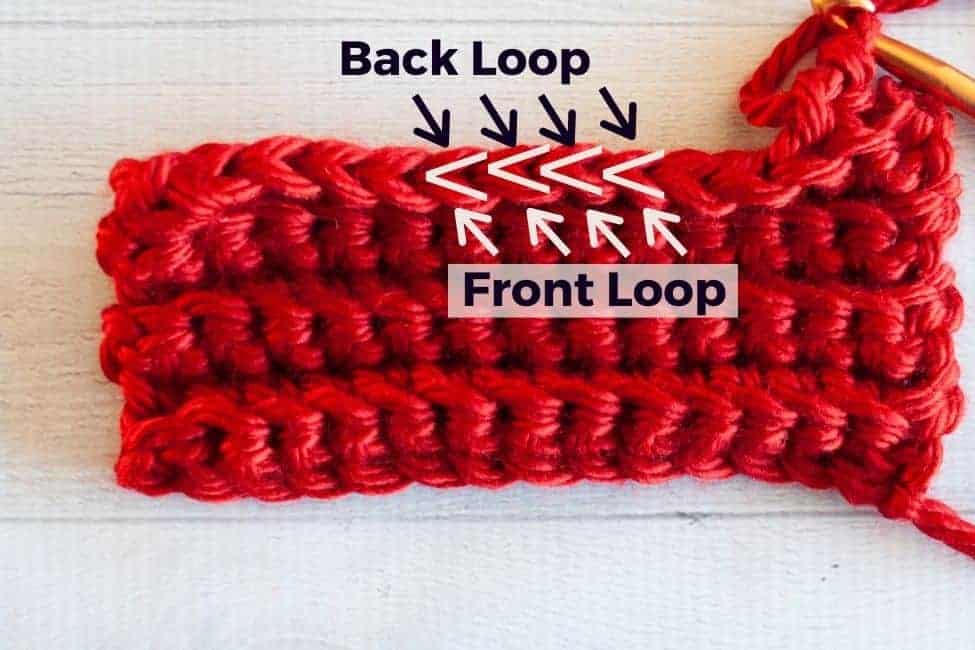
In standard crochet, a stitch is worked through both the front and back loops of the previous row’s stitch. BLO, or Back Loop Only, involves inserting the hook only into the loop furthest away from the maker. From a business standpoint, this creates a distinctive ridge or “ribbing” on the fabric. This isn’t just a stylistic choice; it changes the physics of the garment. It introduces elasticity and drape—two qualities that customers are willing to pay a premium for in handmade apparel.
Creating Texture That Sells: The Premium Aesthetic of Ribbing
Texture is a luxury indicator in the textile industry. Items that feature the raised, rhythmic lines created by BLO often mimic the look of high-end knitwear. Because knitting is generally perceived as more “refined” or “store-bought” than crochet, using BLO to create a knit-like ribbing allows a crochet artist to enter a higher-tier market. By positioning your products as “artisan knit-alternative,” you can justify a higher price point compared to standard, flat-stitch crochet items.
Maximizing ROI: How BLO Affects Production Costs and Retail Pricing
Every professional artisan must calculate their Return on Investment (ROI). This involves analyzing the cost of materials, the time spent on labor, and the eventual retail price.
Material Efficiency and Structural Integrity
One of the hidden financial benefits of BLO is its effect on the structure of the fabric. Working in the back loop creates a thinner, more flexible fabric than standard crochet. For the business owner, this means that certain projects may use slightly less yarn while covering the same surface area, effectively lowering the Cost of Goods Sold (COGS). Additionally, the structural “give” of BLO makes garments more forgiving in terms of sizing, reducing the rate of returns and customer dissatisfaction—factors that are critical for maintaining a healthy bottom line.
Time Management: Is BLO More Labor-Intensive?
Time is the most expensive resource for a handmade business. While BLO does not inherently take longer to execute than a standard stitch, the visual complexity it adds can allow for a “complexity premium.” If a hat takes two hours to make using standard stitches and two hours to make using BLO, but the BLO version looks significantly more “professional” or “branded,” the hourly wage of the artist effectively increases because they can charge more for the same amount of labor.
Scaling Your Crochet Brand Through Specialized Techniques
To move from a “side hustle” to a “brand,” a creator must have a signature style. BLO is a foundational element in developing a recognizable brand identity in the fiber arts space.
Differentiating Your Product Line from Competitors
The handmade market is saturated. To succeed, you must offer something that the average hobbyist does not. Many beginners stick to basic stitches because they are faster and require less focus on stitch anatomy. By specializing in BLO-heavy designs—such as modern beanies, oversized cardigans, or contemporary home decor—you carve out a niche. Differentiation is the cornerstone of brand strategy; it allows you to move away from “price-cutting” competitions and toward a value-based pricing model.
Building a Brand Identity Around High-End Textural Design
Think of the world’s most successful luxury brands; they are often identified by a specific texture or pattern (e.g., the Chanel quilt or the Hermès stitch). In crochet, consistent use of BLO can become your brand’s visual signature. When customers see that specific ribbed texture, they should immediately associate it with your quality and craftsmanship. This brand recognition is an intangible asset that increases the long-term valuation of your business.
Market Trends: Demand for Geometric and Elastic Crochet Goods
The “Slow Fashion” movement has seen a massive resurgence in the last five years. Consumers are increasingly turning away from “fast fashion” in favor of durable, unique, and ethically made pieces.
Identifying High-Margin Items Using BLO
Certain items lend themselves perfectly to the BLO technique and offer high profit margins:
- The “Classic” Ribbed Beanie: A staple in winter fashion. The elasticity of the BLO stitch ensures a one-size-fits-all capability, reducing inventory complexity.
- Cuffs and Hemlines: Even if the entire garment isn’t BLO, using it for cuffs provides a professional finish that mirrors commercial manufacturing, allowing for “boutique” pricing.
- Modern Home Decor: BLO creates a sturdy, architectural ribbing for pillows and blankets that fits the minimalist, Scandinavian aesthetic currently trending in interior design.
Capitalizing on the “Slow Fashion” Movement
As a business owner, you are selling more than a product; you are selling a story. The BLO technique highlights the manual labor and the “human touch” of the item. Marketing your products with a focus on these traditional-yet-modern techniques appeals to the eco-conscious and fashion-forward consumer who is willing to invest $150 in a handmade sweater rather than $20 in a synthetic one.
Strategic Growth: From Hobbyist to Professional Artisan
For those looking to diversify their income streams beyond selling physical goods, technical mastery of BLO opens doors to the digital and educational sectors of the craft industry.
Intellectual Property and Pattern Design Income
Selling finished products is “active income”—you only get paid when you work. Selling crochet patterns is “passive income.” Once you understand the mechanics of BLO, you can design and sell digital PDF patterns. Because BLO is a sought-after technique for modern, trendy designs, patterns that utilize this stitch often perform better on platforms like Ravelry or Etsy. This allows you to scale your business without a linear increase in labor.
Leveraging Technical Expertise for Online Education Revenue
We are currently in the golden age of online learning. If you have mastered the nuances of BLO—such as how to maintain straight edges or how to transition between loops without creating gaps—you possess specialized knowledge. This knowledge can be monetized through:
- YouTube Ad Revenue: Tutorials specifically targeting “Advanced Crochet Techniques.”
- Paid Workshops: Teaching others how to create professional-grade garments.
- Subscription Models: Creating a “Pattern of the Month” club for dedicated fans of your aesthetic.

Conclusion: The Bottom Line on BLO
In the context of personal finance and business growth, “What is BLO in crochet?” is a question of market positioning. It is not just a stitch; it is a mechanism for adding value, ensuring quality, and establishing a unique brand identity.
By mastering the Back Loop Only technique, an artisan can transition from competing on price to competing on quality. Whether it is through the sale of high-end physical goods, the development of intellectual property via patterns, or the establishment of an educational platform, the technical precision of BLO is a vital asset. In the business of handmade goods, the “small details”—the loops we choose to work into—ultimately dictate the scale of our financial success.
aViewFromTheCave is a participant in the Amazon Services LLC Associates Program, an affiliate advertising program designed to provide a means for sites to earn advertising fees by advertising and linking to Amazon.com. Amazon, the Amazon logo, AmazonSupply, and the AmazonSupply logo are trademarks of Amazon.com, Inc. or its affiliates. As an Amazon Associate we earn affiliate commissions from qualifying purchases.