
Applying for a credit card is often viewed as a simple administrative task, yet it represents a significant milestone in an individual’s financial journey. A credit card is more than just a convenient payment method; it is a sophisticated financial tool that, when managed correctly, can build your credit history, provide valuable rewards, and offer a safety net for emergency expenses. However, the application process requires more than just filling out a form. To ensure approval and secure the best possible terms, one must approach the process with a blend of strategic planning and financial literacy.
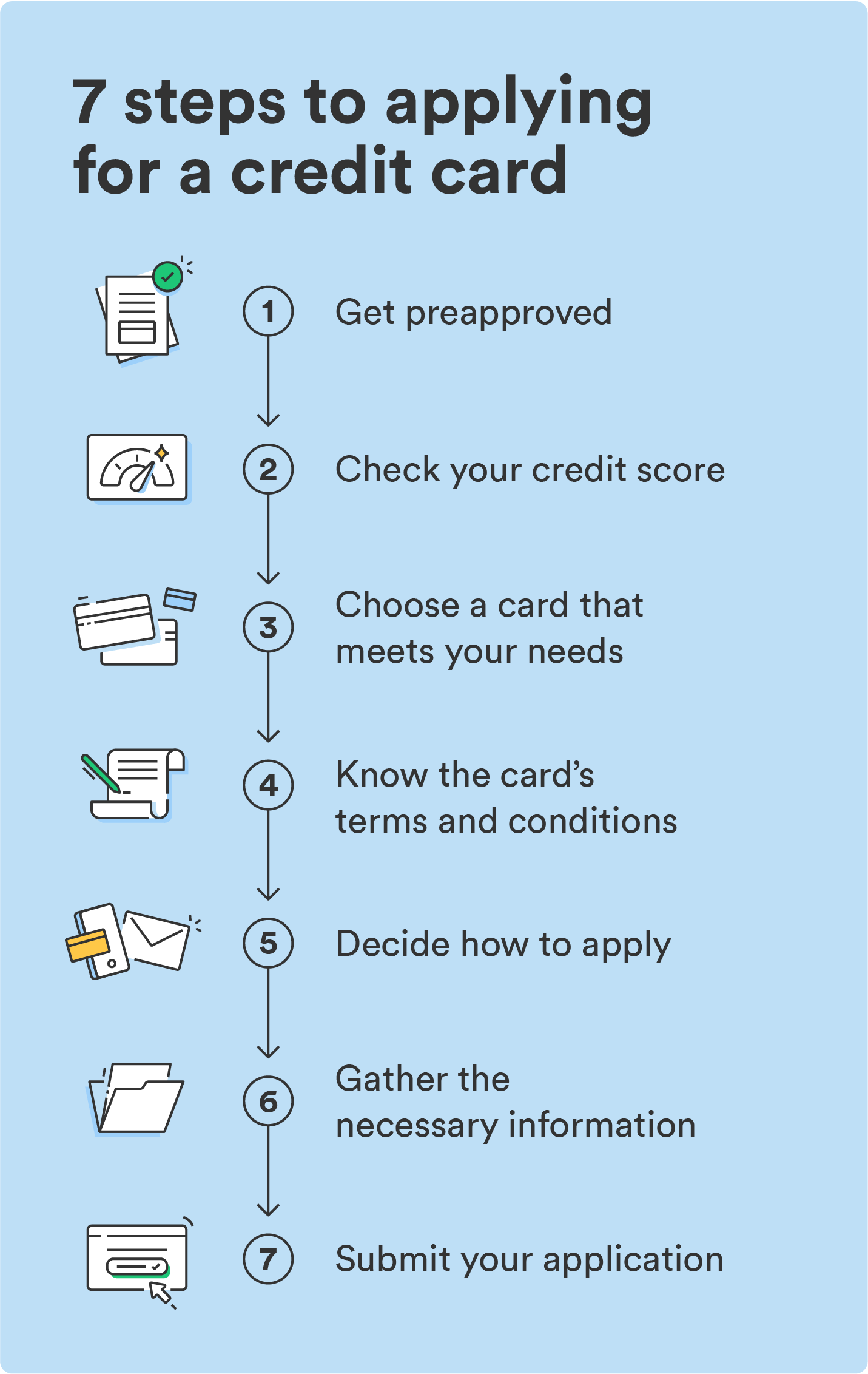
In the realm of personal finance, understanding the nuances of how lenders evaluate risk is the key to unlocking the doors to premium financial products. This guide provides a comprehensive roadmap for navigating the credit card application landscape, from pre-application preparation to long-term account management.
Understanding the Fundamentals: Is Your Financial Profile Ready?
Before you hit the “apply” button, it is essential to conduct a rigorous audit of your current financial standing. Lenders do not grant credit based on need; they grant it based on the probability of being repaid. By understanding the metrics they use, you can position yourself as a low-risk, high-value applicant.
The Importance of Your Credit Score
Your credit score—typically a FICO or VantageScore—is the primary filter used by financial institutions. This three-digit number summarizes years of financial behavior into a single metric of reliability. Generally, scores are categorized into tiers: Poor (300-579), Fair (580-669), Good (670-739), Very Good (740-799), and Exceptional (800-850).
Before applying, obtain a copy of your credit report from the three major bureaus (Equifax, Experian, and TransUnion). Look for inaccuracies, such as debts you have already paid or accounts you didn’t open. Correcting these errors can lead to a swift boost in your score, potentially qualifying you for lower interest rates and higher credit limits.
Assessing Your Debt-to-Income Ratio
While your credit score tells lenders how you’ve handled debt in the past, your income tells them how much debt you can handle in the future. Lenders evaluate your Debt-to-Income (DTI) ratio, which is the percentage of your gross monthly income that goes toward paying debts. A high DTI suggests that you might be overextended, even if you have a perfect payment history. Before applying for a new card, consider paying down existing revolving balances to lower your utilization rate and improve your DTI, making you a more attractive candidate for a new line of credit.
Choosing the Right Tool: Matching a Card to Your Lifestyle
The “best” credit card does not exist in a vacuum; it only exists in relation to your specific financial goals and spending habits. Applying for a card that doesn’t align with your profile is a wasted inquiry. You must categorize your needs and select a product designed for your specific niche.
Cash Back vs. Travel Rewards
For many, the choice boils down to how they want to be compensated for their spending. Cash-back cards offer simplicity and immediate value, usually returning 1% to 5% of your spending as a statement credit or bank deposit. These are ideal for those who want to reduce their monthly overhead.
On the other hand, travel reward cards offer points or miles that can be redeemed for flights, hotels, and luxury experiences. While these often provide a higher “per-point” value, they require more effort to maximize. If you are a frequent traveler, a premium travel card might justify its annual fee through lounge access and travel insurance. If you rarely leave your zip code, a no-fee cash-back card is a more logical choice.
Low-Interest vs. Balance Transfer Options
If your primary goal is to manage existing debt or finance a large purchase over time, rewards should be a secondary concern. Instead, focus on the Annual Percentage Rate (APR). Many cards offer an introductory 0% APR period for 12 to 21 months. A balance transfer card allows you to move high-interest debt to a new account with zero interest for a set period, potentially saving you thousands of dollars in interest charges. However, be mindful of balance transfer fees, which typically range from 3% to 5% of the total amount moved.
Secured Cards for Building History
If you are a student or someone with a limited or damaged credit history, traditional “unsecured” cards may be out of reach. In this scenario, a secured credit card is an excellent stepping stone. These cards require a refundable security deposit, which usually serves as your credit limit. By using a secured card responsibly for six to twelve months, you demonstrate to the lender that you are a reliable borrower, eventually allowing you to “graduate” to an unsecured card and receive your deposit back.
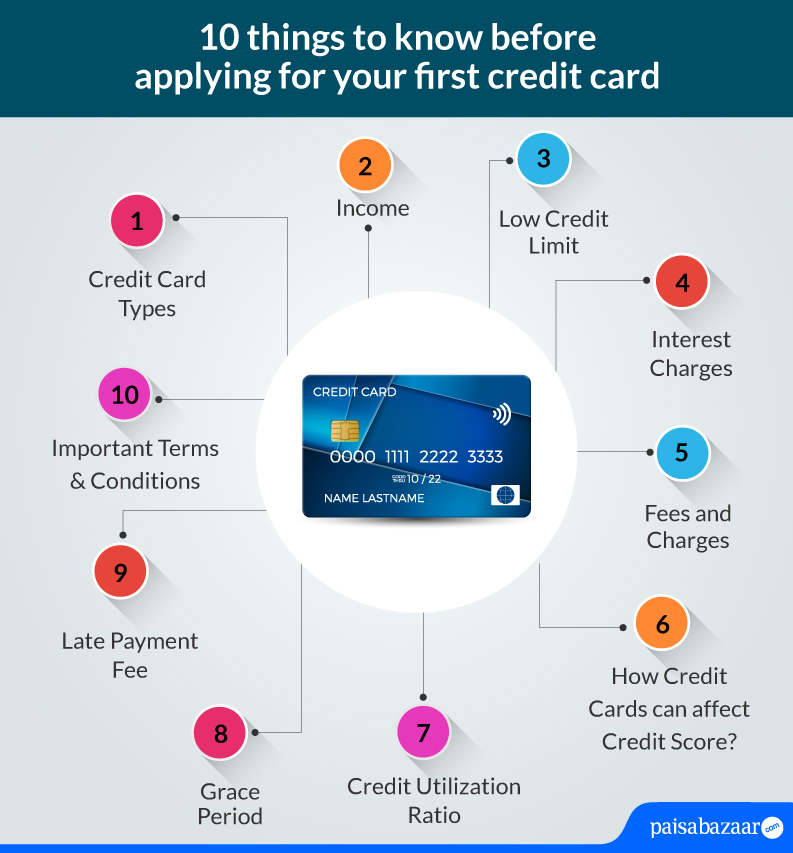
The Application Blueprint: A Step-by-Step Walkthrough
Once you have identified the right card, the actual application process is relatively straightforward, but precision is paramount. Providing incorrect information—even accidentally—can lead to an automatic rejection or a fraud alert on your file.
Gathering Essential Documentation
Most credit card applications are completed online and take less than ten minutes. To ensure a smooth process, have the following information ready:
- Personal Identification: Your Social Security Number (SSN) or Individual Taxpayer Identification Number (ITIN).
- Income Verification: Your total annual gross income. This can include salary, bonuses, investment dividends, and in some cases, household income if you have reasonable access to it.
- Housing Costs: Your monthly rent or mortgage payment.
- Employment Details: The name of your employer and your current job title.
Navigating the Online Application
When you submit your application, the lender will perform a “hard pull” or “hard inquiry” on your credit report. This will cause a temporary, slight dip in your credit score (usually five points or less). To minimize the impact, avoid applying for multiple cards in a short window of time unless you are specifically shopping for a loan where “rate shopping” windows apply. Most modern applications provide an instant decision. If you receive an “under review” message, do not panic; it often means a human needs to verify your identity or income details.
Dealing with Approval, Pending, or Denial Status
If approved, you will receive your credit limit and APR terms. If your application is pending, you may want to call the bank’s reconsideration line to provide any additional information they might need. If you are denied, the lender is legally required to send you an “Adverse Action Notice” explaining why. Use this document as a diagnostic tool. If the reason was “too many recent inquiries,” wait six months before applying again. If it was “insufficient income,” focus on increasing your earnings or paying down other debts before your next attempt.
Maximizing the Value of Your New Credit Line
Securing the card is only the beginning. To truly benefit from this financial instrument, you must understand the mechanics of how interest and billing cycles operate. Proper management ensures that the card works for you, rather than you working to pay off the card.
Understanding APR and Interest Cycles
The APR is the cost of borrowing money on your card. However, you can avoid interest entirely by paying your “statement balance” in full every month by the due date. This is known as the “grace period.” If you carry even a small balance over to the next month, the grace period disappears, and interest is calculated daily on your average daily balance. To maintain optimal financial health, treat your credit card like a debit card: never spend money you do not already have in your bank account.
Developing Responsible Spending Habits
The most important metric for your credit score after payment history is your credit utilization ratio. This is the amount of credit you are using compared to your total limit. For example, if you have a $1,000 limit and a $300 balance, your utilization is 30%. Financial experts recommend keeping this ratio below 30%, and ideally below 10%, to maintain a high credit score. Setting up autopay for at least the minimum payment is a vital safety net, but manually paying the full balance each month is the gold standard of personal finance.
Long-Term Management: Moving Beyond the Application
A credit card is a long-term relationship with a financial institution. As your income grows and your credit score improves, your needs will evolve. Effective personal finance involves periodic reassessment of your wallet’s contents.
The Impact of Hard Inquiries and Account Age
Every time you apply for a card, the hard inquiry stays on your credit report for two years, though it only affects your score for one. Furthermore, the “length of credit history” accounts for 15% of your FICO score. This means you should think twice before closing old accounts, even if you no longer use them frequently. Keeping your oldest accounts open increases the average age of your accounts, which strengthens your credit profile.

Planning Your Next Credit Move
Once you have mastered your first or second card, you can begin to look at more advanced strategies, such as “laddering” cards to maximize different spending categories (e.g., one card for groceries, another for gas, and a third for travel). By strategically applying for new cards every 12 to 24 months, you can slowly increase your total available credit, which naturally lowers your utilization ratio and further boosts your score.
In conclusion, applying for a credit card is a foundational element of modern personal finance. By understanding your credit profile, choosing the right product for your goals, and managing the account with discipline, you turn a simple piece of plastic into a powerful engine for wealth building and financial security. Keep your utilization low, pay your balances in full, and always read the fine print—these are the hallmarks of a savvy consumer in the complex world of credit.
aViewFromTheCave is a participant in the Amazon Services LLC Associates Program, an affiliate advertising program designed to provide a means for sites to earn advertising fees by advertising and linking to Amazon.com. Amazon, the Amazon logo, AmazonSupply, and the AmazonSupply logo are trademarks of Amazon.com, Inc. or its affiliates. As an Amazon Associate we earn affiliate commissions from qualifying purchases.