
In the modern marketplace, where consumer attention is the most valuable currency, a singular advertisement is rarely enough to move the needle of public perception. To truly establish a presence, influence behavior, and build lasting equity, organizations must look beyond isolated promotions and embrace the structured power of the advertising campaign.
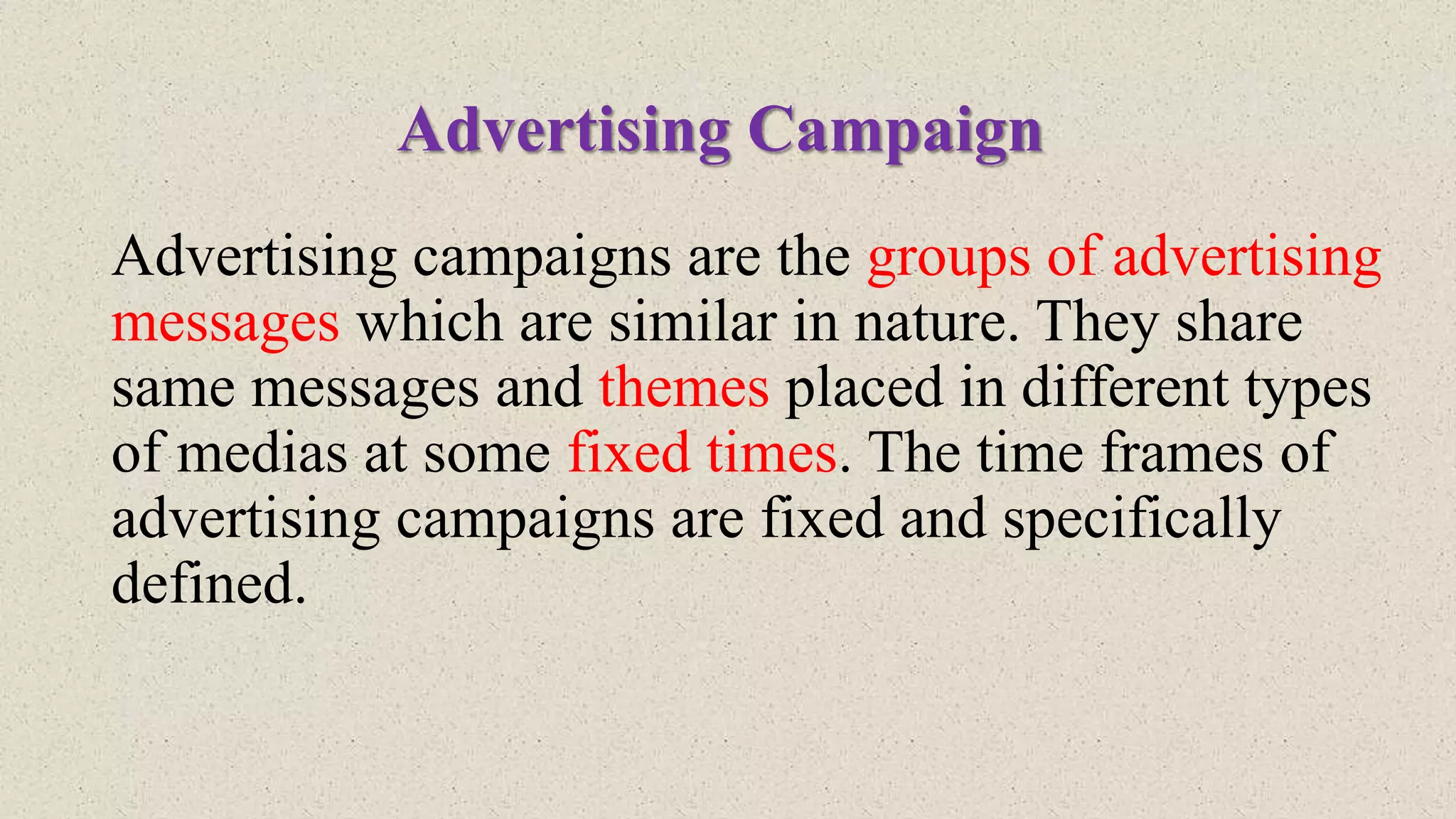
An advertising campaign is a coordinated series of linked advertisements with a single idea or theme. Unlike a one-off promotion, a campaign is a strategic, multi-touchpoint effort designed to achieve specific organizational goals—be it launching a new product, repositioning a heritage brand, or increasing market share. It is the tactical execution of a brand’s broader marketing strategy, acting as the bridge between a company’s identity and the consumer’s consciousness.
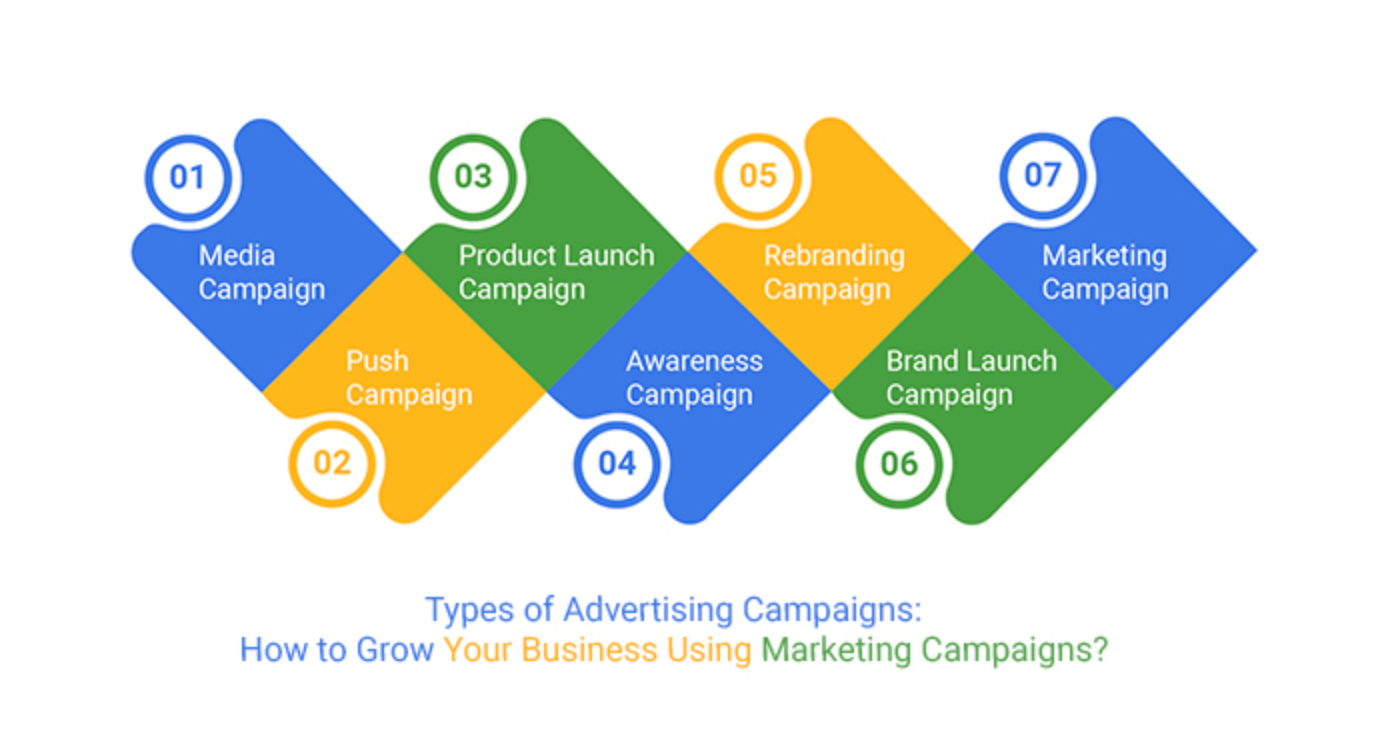
The Anatomy of a Successful Advertising Campaign
To understand what an advertising campaign is, one must first dissect the fundamental components that give it structure and purpose. A campaign is not merely a collection of visuals; it is a calculated psychological journey designed to lead a specific audience toward a predetermined conclusion.
Defining Purpose and Objectives
Every world-class campaign begins with a “Why.” Without a clear objective, a campaign is just expensive noise. In the context of brand strategy, objectives usually fall into categories such as brand awareness, consideration, or conversion. For instance, a luxury brand might launch a campaign focused solely on “Brand Salience”—ensuring that when a consumer thinks of high-end watches, their name is the first to come to mind. These objectives must be SMART (Specific, Measurable, Achievable, Relevant, and Time-bound) to ensure the brand can later audit its success.
Understanding the Target Audience Persona
A campaign that tries to speak to everyone ends up speaking to no one. The core of brand strategy involves “Segmenting, Targeting, and Positioning” (STP). Modern campaigns rely on deep psychographic profiling—understanding not just the age and location of the audience, but their values, pain points, and lifestyle aspirations. By creating a “Buyer Persona,” a brand can tailor its language, imagery, and tone to resonate on a personal level, transforming a cold transaction into a relational connection.
The Core Message and Creative Hook
At the heart of every iconic campaign is a “Big Idea.” This is the central theme that binds every piece of content together. Whether it is Nike’s “Just Do It” or Apple’s “Think Different,” the core message serves as the campaign’s North Star. This message must be distilled into a creative hook—a compelling visual or verbal element that stops the scroll and captures the imagination. This hook must be consistent across all mediums to reinforce brand recognition.
Strategic Channel Selection: Where Your Brand Meets the World
Once the strategy and creative concept are solidified, the brand must decide where this message will live. Channel selection is a critical component of the advertising campaign because the medium often dictates how the message is perceived.
Traditional Media vs. Digital Landscapes
Historically, advertising campaigns were limited to “Above the Line” (ATL) media like television, radio, and billboards. These channels remain powerful for building mass brand awareness and establishing “social proof.” However, the digital revolution has introduced “Below the Line” (BTL) tactics, including social media advertising, search engine marketing (SEM), and influencer partnerships. A modern, sophisticated brand strategy usually involves a “Through the Line” (TTL) approach, using a mix of both to follow the consumer through their entire daily routine.
Omnichannel Consistency and Brand Voice
One of the most common pitfalls in an advertising campaign is fragmentation. If a brand’s Instagram presence feels playful and irreverent while its LinkedIn ads feel corporate and stiff, the consumer experiences cognitive dissonance. Strategic branding requires “Omnichannel Consistency.” This means that regardless of the platform—be it a 15-second TikTok clip or a high-gloss magazine spread—the brand voice, color palette, and typography remain identical. This repetition is what builds “Brand Fluency,” the ease with which a consumer recognizes and understands a brand.
The Role of Content Sequencing
In a multi-week or multi-month campaign, the order in which a consumer sees your ads matters. Strategic brands often use a “Tease, Launch, Sustain” framework.
- Tease: Create mystery and anticipation without revealing the full product.
- Launch: The “Big Bang” moment where the core message is delivered with maximum impact.
- Sustain: Retargeting ads and social proof (reviews/testimonials) that keep the brand top-of-mind and nudge the consumer toward the final goal.
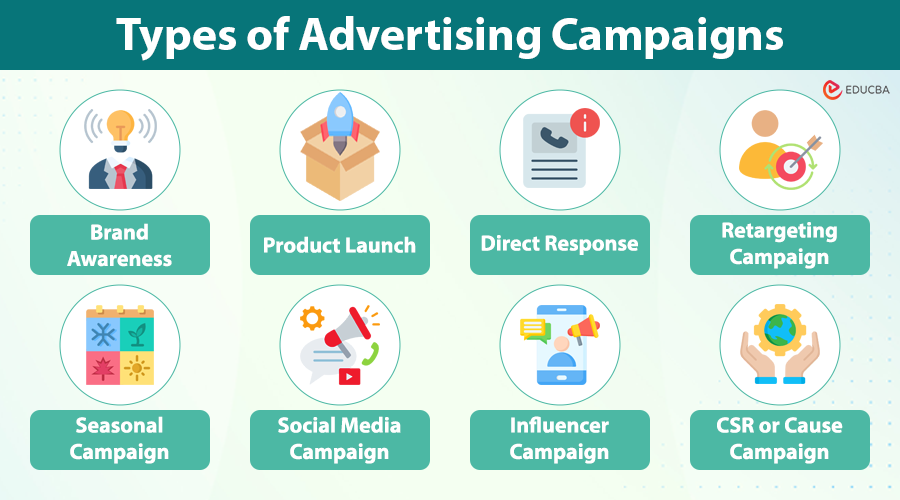
The Lifecycle of a Campaign: From Concept to Execution
An advertising campaign is a living process. It requires meticulous planning before the launch and agile management after the “Go-Live” date. This lifecycle ensures that the brand’s investment is protected and optimized.
Research and Market Positioning
Before a single pixel is designed, a brand must conduct a competitive audit. Where do competitors stand? What “white space” exists in the market that our brand can occupy? Positioning is the act of designing the company’s offering and image to occupy a distinctive place in the mind of the target market. A campaign that fails to differentiate the brand from its peers is a wasted opportunity. Research at this stage includes sentiment analysis, focus groups, and trend forecasting.
Creative Development and the Creative Brief
The bridge between the business strategy and the final advertisement is the Creative Brief. This document translates the brand’s business goals into a language that designers, copywriters, and videographers can use. It outlines the “Mandatories” (logo placement, legal disclaimers) and the “Key Emotional Takeaway.” During creative development, the focus is on “Brand Codes”—the unique aesthetic markers (like Tiffany Blue or the Coca-Cola bottle shape) that ensure the campaign is attributed to the correct brand.
Launch and Real-Time Optimization
In the digital age, a campaign is never truly “finished” once it launches. Strategy-led brands employ “A/B Testing,” where two versions of an ad are run simultaneously to see which resonates more with the audience. If one headline performs 20% better than the other, the brand can shift its budget in real-time. This agility allows for “Performance Branding,” a hybrid approach that builds long-term brand equity while simultaneously driving short-term results.
Measuring Brand Impact: Beyond Simple Metrics
The final stage of any advertising campaign is the post-mortem analysis. To understand the true value of the effort, a brand must look beyond “vanity metrics” like likes or views and focus on data that reflects genuine business growth.
Key Performance Indicators (KPIs) for Brand Growth
While click-through rates (CTR) are useful, they don’t tell the whole story of a brand’s health. More vital KPIs include “Share of Voice” (how much of the total conversation in your industry is about your brand) and “Customer Acquisition Cost” (CAC). If a campaign is successful, it should eventually lower the CAC because a well-known, trusted brand requires less “persuasion” at the point of sale than an unknown one.
Long-Term Brand Recall and Sentiment Analysis
The ultimate goal of an advertising campaign is to influence the “mental availability” of a brand. This is measured through Brand Recall (can the consumer remember the brand without prompting?) and Brand Recognition. Furthermore, sophisticated brands use sentiment analysis tools to see if the campaign changed the way people talk about them. Did the campaign make the brand feel more modern? More reliable? More premium? These shifts in perception are the true markers of a successful campaign.
The Halo Effect
A powerful advertising campaign often produces a “Halo Effect.” This occurs when the positive impressions of a specific campaign spill over into other areas of the business. For example, a successful campaign for a flagship smartphone can increase the sales of the brand’s laptops and headphones, even if those products weren’t featured in the ads. This is why campaigns are a foundational element of corporate identity—they build a reservoir of goodwill that benefits the entire ecosystem of the brand.
Conclusion: The Campaign as a Catalyst for Connection
In essence, an advertising campaign is the most visible manifestation of a brand’s strategy. It is a harmonious blend of art and science, requiring the creative intuition to tell a story and the analytical rigor to ensure that story reaches the right ears.
By meticulously defining objectives, selecting the right channels, managing the creative lifecycle, and measuring deep impact, organizations can move beyond the noise of the digital age. A well-executed campaign does more than just sell a product; it reinforces a brand’s values, cements its place in the culture, and builds a lasting relationship with the consumer that survives long after the campaign has ended. In the realm of branding, the campaign is not just an expense—it is a strategic investment in the brand’s future.
aViewFromTheCave is a participant in the Amazon Services LLC Associates Program, an affiliate advertising program designed to provide a means for sites to earn advertising fees by advertising and linking to Amazon.com. Amazon, the Amazon logo, AmazonSupply, and the AmazonSupply logo are trademarks of Amazon.com, Inc. or its affiliates. As an Amazon Associate we earn affiliate commissions from qualifying purchases.