
The convergence of biotechnology, genetic engineering, and data science has brought humanity to the precipice of a medical revolution once relegated to the pages of science fiction. At the center of this transformation is xenotransplantation—the process of grafting or transplanting organs, tissues, or cells from one species to another, typically from non-human animals to humans. While the concept has existed in rudimentary forms for decades, it is the recent explosion in “Tech” capabilities, specifically in gene-editing software and immunological monitoring, that has turned xenotransplantation from a theoretical experiment into a viable technological trend.
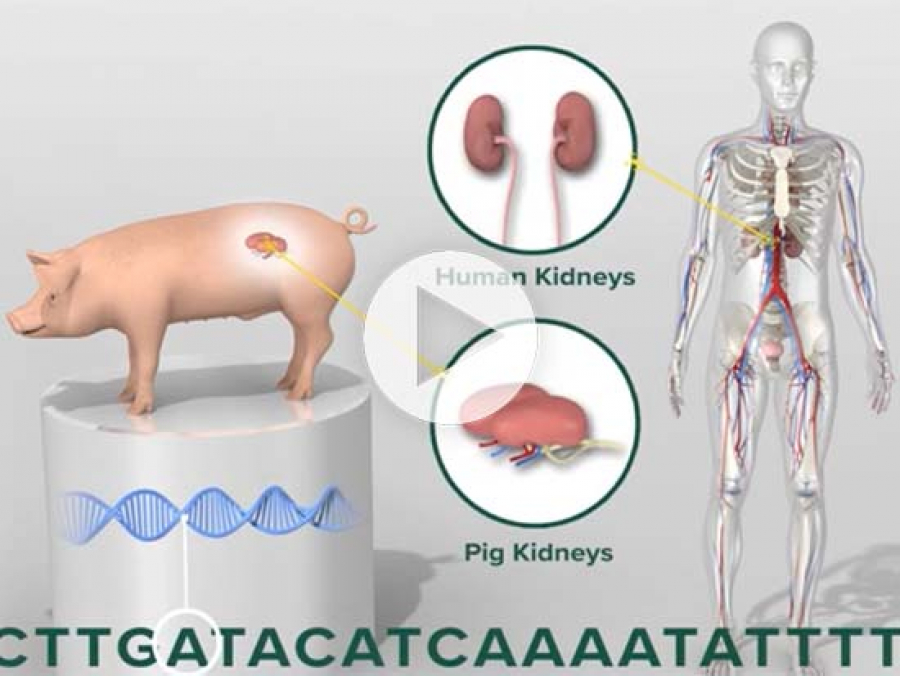
As the global shortage of human organs reaches a critical point, the tech industry is pivoting toward biological solutions. Xenotransplantation represents a sophisticated marriage of hardware (the organ), software (the genetic code), and data analytics (post-operative monitoring), positioning itself as one of the most significant technological disruptions in 21st-century healthcare.
The Technological Foundation: Gene Editing as Biological Software
The primary barrier to successful xenotransplantation has always been the human immune system’s aggressive rejection of foreign tissue. In the past, this was an insurmountable biological wall. However, the advent of high-precision gene-editing technologies has transformed how we view biological compatibility, treating the genetic makeup of a donor animal as a code that can be “debugged” and rewritten.
CRISPR-Cas9: The Programming Tool for Life
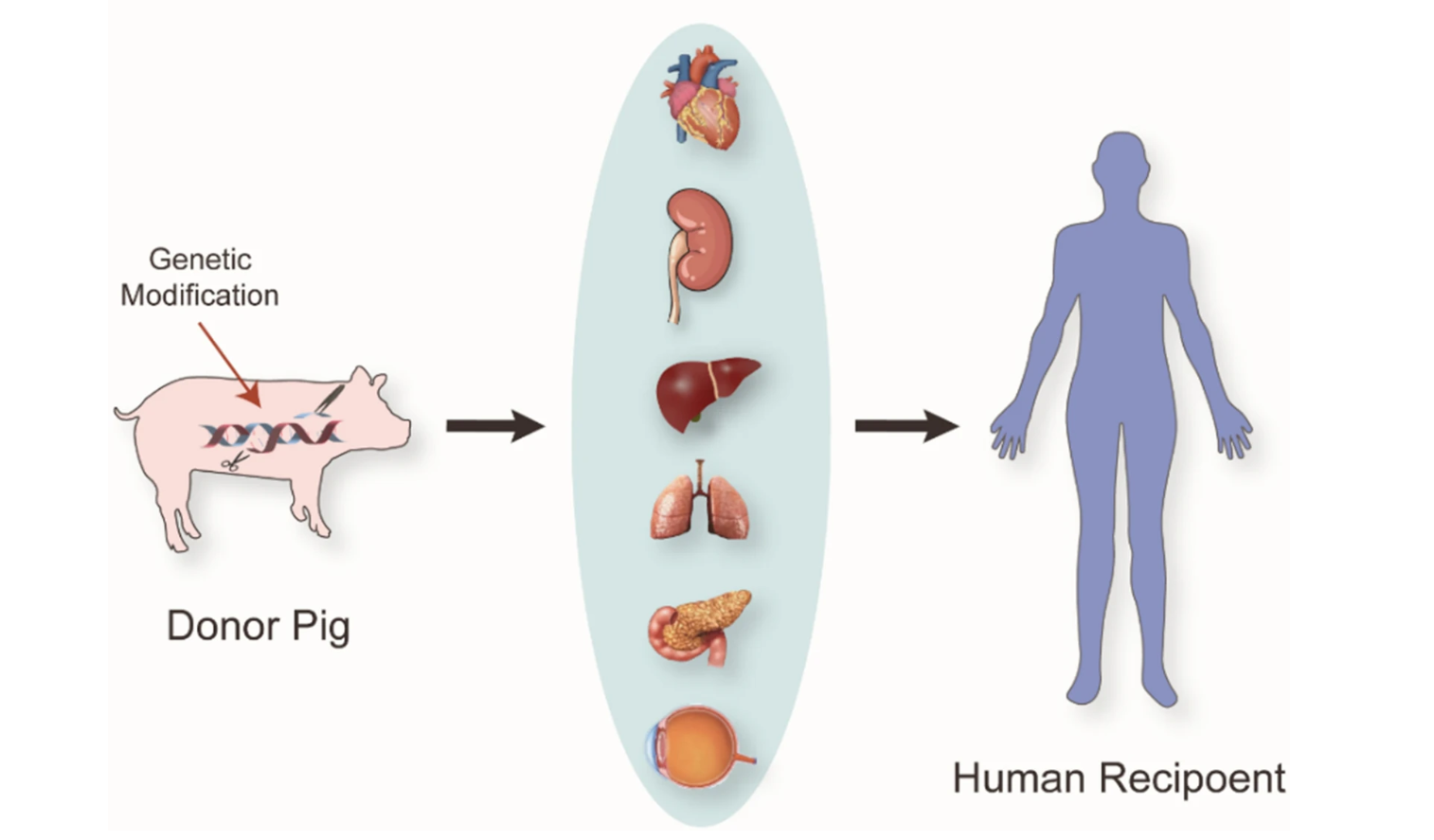
The most significant technological leap in xenotransplantation is the application of CRISPR-Cas9. This gene-editing tool acts as a biological “search and replace” function, allowing scientists to target specific sequences in the porcine (pig) genome. By “knocking out” genes that trigger immediate human immune rejection and “knocking in” human transgene sequences, engineers can create a donor organ that is technologically shielded from the recipient’s immune system. This level of precision is less about traditional surgery and more about advanced bio-programming.
Eradicating Endogenous Retroviruses (PERVs)
Beyond rejection, the technological challenge of xenotransplantation involves “clearing” the donor’s genome of potential risks. Porcine Endogenous Retroviruses (PERVs) are sequences of viral DNA embedded in the pig genome. Using automated genomic sequencing and high-throughput CRISPR applications, biotech firms can now identify and deactivate dozens of these viral sequences simultaneously. This “viral debugging” ensures that the biological hardware being introduced into a human host is clean of legacy code that could cause secondary infections or cross-species pandemics.
Synthetic Biology and Immune Silencing
Current research is moving toward “stealth” organs. By using synthetic biology, tech-heavy biotech firms are designing organs that do not express the markers typically identified by the human lymphatic system. This involves complex bio-engineering to produce “universal” donor tissues that could theoretically work for any patient, regardless of their blood type or HLA (human leukocyte antigen) profile, mimicking the way software developers aim for cross-platform compatibility.
Bio-Manufacturing: From Farm to High-Tech Bioreactor
In the tech niche, we often discuss the supply chain of semiconductors or the manufacturing of hardware components. Xenotransplantation applies these same industrial concepts to biology. The shift from traditional animal husbandry to “medical-grade bio-manufacturing” is a fundamental component of this tech trend.
Clean-Room Facilities and Controlled Environments
The production of animals for xenotransplantation does not happen on a traditional farm; it occurs in Designated Pathogen-Free (DPF) facilities that resemble silicon chip fabrication plants more than agricultural settings. These facilities utilize high-efficiency particulate air (HEPA) filtration, sterilized water systems, and rigorous digital monitoring to ensure the “components” (the organs) are manufactured without environmental contamination. This represents the industrialization of biology, where the donor animal is viewed as a high-precision bioreactor.
Organ Scaffolding and Bio-Hybrid Systems
Another technological branch supporting xenotransplantation is the development of bio-hybrid systems. In some cases, xenogeneic cells are seeded onto synthetic 3D-printed scaffolds. This convergence of 3D-printing technology and xenotransplantation allows for the creation of customized organ structures that utilize animal cells for functional tasks (like filtration in a kidney) while using synthetic or lab-grown human tissues for the outer interface. This modular approach to organ construction is a hallmark of modern MedTech.
Cold Chain and Logistics Technology
Once an organ is “harvested” from a genetically engineered donor, the tech involved in its preservation and transport is critical. New “Organ-in-a-Box” technologies utilize perfusion machines that keep the organ functional by circulating oxygenated, nutrient-rich, and genetically optimized fluids through it. These devices are equipped with IoT sensors that provide real-time data on the organ’s metabolic state, temperature, and pressure, ensuring that the biological hardware remains viable from the lab to the operating theater.
The Role of Artificial Intelligence and Data Analytics
Xenotransplantation is not a “set it and forget it” technology. The complexity of managing a cross-species organ requires a massive amount of data processing and predictive modeling. This is where AI and machine learning (ML) become indispensable.
Predictive Modeling for Rejection Episodes
Machine learning algorithms are being trained on decades of transplant data to identify the earliest signs of organ rejection—often before physical symptoms appear. By analyzing biomarkers in the recipient’s blood in real-time, AI can predict how the human immune system will react to the xenotransplant. This allows for “precision immunosuppression,” where the dosage of anti-rejection drugs is adjusted automatically based on data-driven insights, minimizing toxicity and maximizing organ longevity.
Genomic Mapping and Matching Algorithms
Finding the perfect match between a genetically modified donor and a human recipient involves analyzing billions of data points. Bioinformatics platforms use high-speed processing to simulate how specific porcine genetic modifications will interact with specific human immune profiles. These “digital twins” of the donor organ and the recipient’s immune system allow surgeons to run thousands of virtual simulations before the first incision is made, significantly increasing the probability of a successful outcome.
Post-Operative Remote Monitoring and Wearables
The tech stack for a xenotransplant recipient includes advanced wearable sensors and implantable micro-tech. These devices monitor the organ’s integration at a cellular level, sending data to the cloud where it is reviewed by clinical teams. This 24/7 digital surveillance is a critical component of the “tech” ecosystem surrounding xenotransplantation, shifting the focus from episodic hospital visits to continuous, data-informed health management.
The Future Landscape of MedTech and Xenotransplantation
As we look toward the next decade, xenotransplantation will likely merge with other emerging technologies to create a comprehensive ecosystem for human longevity. The “Tech” aspect of this field is moving toward decentralization and scalability.
Scalability and the End of the Waiting List
The ultimate goal of xenotransplantation technology is to move from a “scarcity model” to an “on-demand model.” In the world of software, we call this “scaling.” By creating standardized, genetically engineered donor lines, the medical industry can eliminate the organ waiting list entirely. This shift would represent one of the greatest technological triumphs in history, turning a life-saving organ from a rare, donated resource into a manufactured medical product.
Ethical Algorithms and Regulatory Tech (RegTech)
As the technology advances, the framework for managing it must also evolve. “RegTech” is becoming a vital part of the xenotransplantation conversation. Blockchain technology is being explored to create immutable ledgers for organ provenance, ensuring that every genetically modified organ can be tracked from the lab to the patient. Additionally, AI-driven ethical frameworks are being developed to help navigate the complex moral landscape of cross-species transplantation, ensuring that the tech is deployed equitably and safely.
The Convergence with Bio-Printing
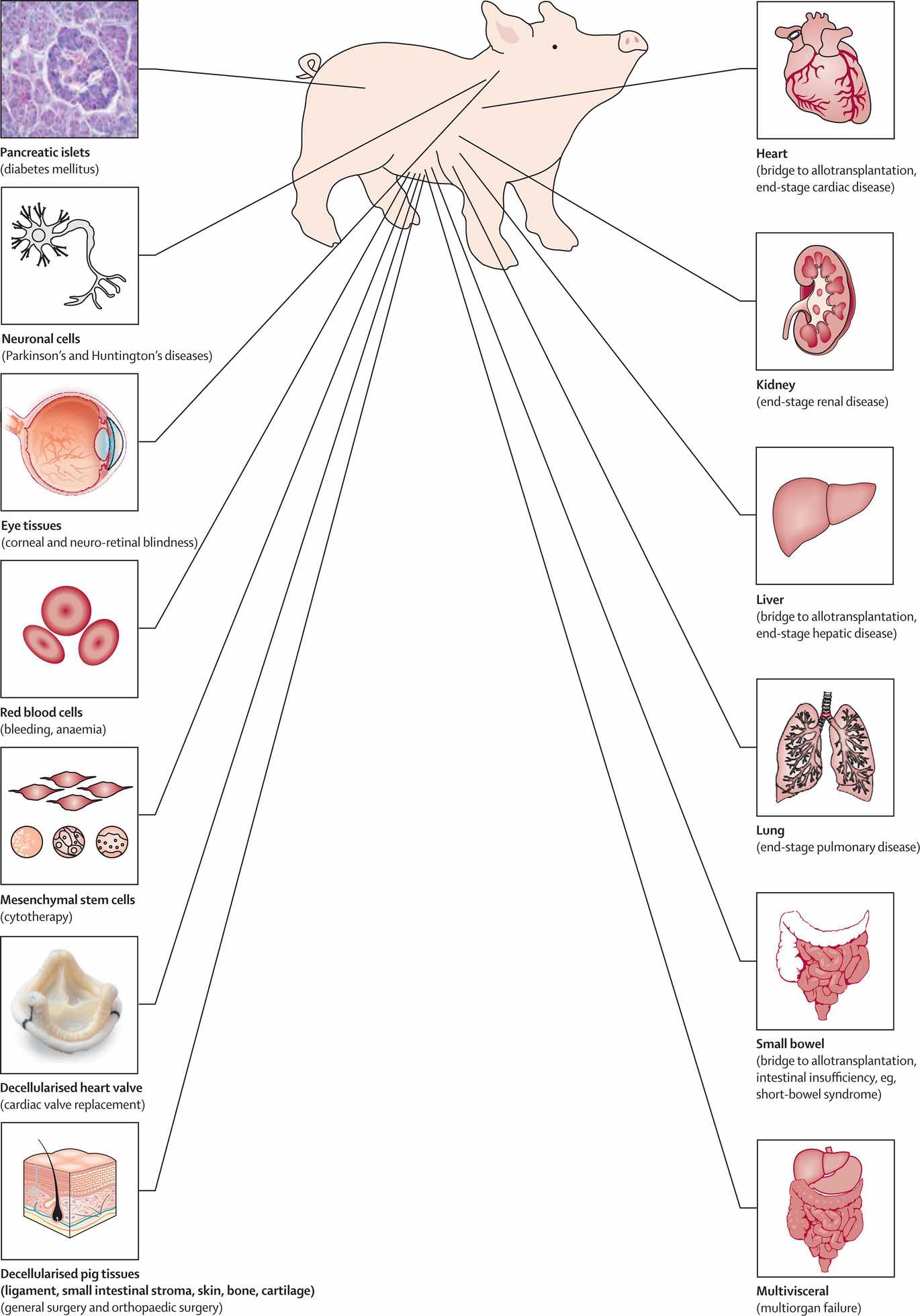
While xenotransplantation uses existing biological structures, the future may see a hybrid of xenotransplantation and 3D bio-printing. We are entering an era where we might “print” a human-pig hybrid organ, utilizing the vascularity of the pig and the cellular makeup of the human. This represents the “Full Stack” of biological technology—combining genetic editing, industrial manufacturing, and additive manufacturing into a single, life-saving solution.
In conclusion, xenotransplantation is no longer just a medical curiosity; it is a high-tech industry at the intersection of CRISPR, AI, and advanced manufacturing. By treating the biological world as an engineerable platform, we are unlocking the ability to repair the human body with a level of precision and availability that was previously unimaginable. As this technology continues to mature, it will redefine the boundaries of what is possible in MedTech, proving that the most advanced “gadget” in the world may very well be a genetically optimized, data-monitored, living organ.
aViewFromTheCave is a participant in the Amazon Services LLC Associates Program, an affiliate advertising program designed to provide a means for sites to earn advertising fees by advertising and linking to Amazon.com. Amazon, the Amazon logo, AmazonSupply, and the AmazonSupply logo are trademarks of Amazon.com, Inc. or its affiliates. As an Amazon Associate we earn affiliate commissions from qualifying purchases.