
In the world of aviation, industrial safety, and meteorological science, the windsock is often viewed as a simple, low-tech tool—a brightly colored fabric cone dancing in the breeze. However, beneath its humble appearance lies a critical instrument of precision and safety. As we move further into the era of the Internet of Things (IoT) and smart infrastructure, the traditional windsock is undergoing a technological transformation. Today, understanding what a windsock is requires more than a glance at a piece of nylon; it requires an exploration of fluid dynamics, sensor integration, and the sophisticated telemetry that keeps our modern world moving safely.
This article explores the technical foundations of the windsock, its evolution into the digital age, and how tech-driven wind sensing is revolutionizing industries ranging from autonomous drone delivery to hazardous material management.
The Anatomy of a Modern Windsock: Beyond the Textile Tube
At its core, a windsock is a conical textile tube designed to indicate wind direction and relative wind speed. While the concept has existed for centuries, the modern technical specifications are governed by rigorous engineering standards, such as those set by the Federal Aviation Administration (FAA) and the International Civil Aviation Organization (ICAO).
The Mechanics of Wind Direction and Velocity
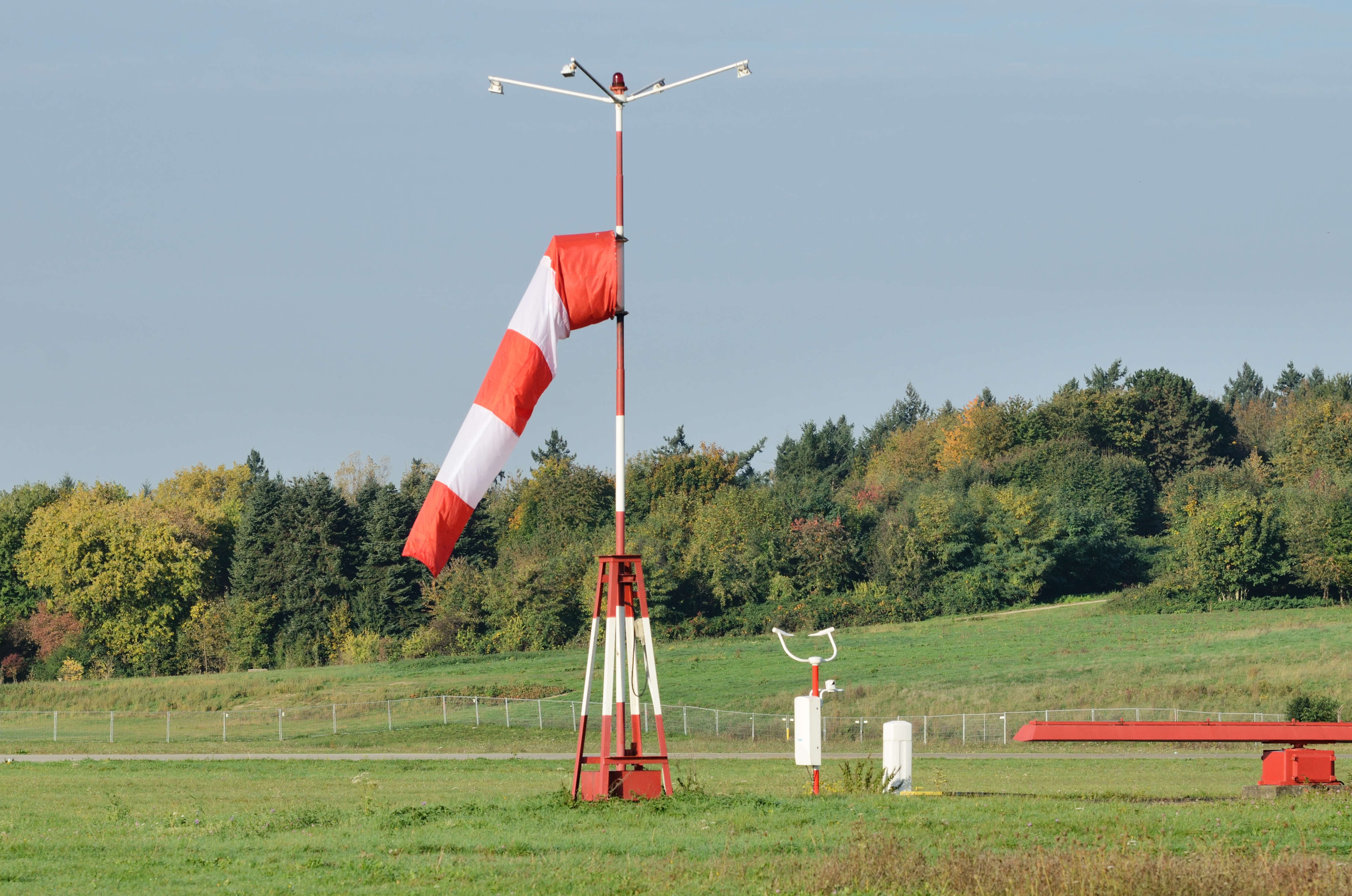
A windsock functions on the principle of air pressure and drag. The “throat” (the wider end) is attached to a swivel frame, allowing it to rotate 360 degrees. When the wind blows, it enters the throat and is compressed as it moves toward the narrower “tail.” This creates a pressure differential that forces the cone to align itself with the wind’s path.
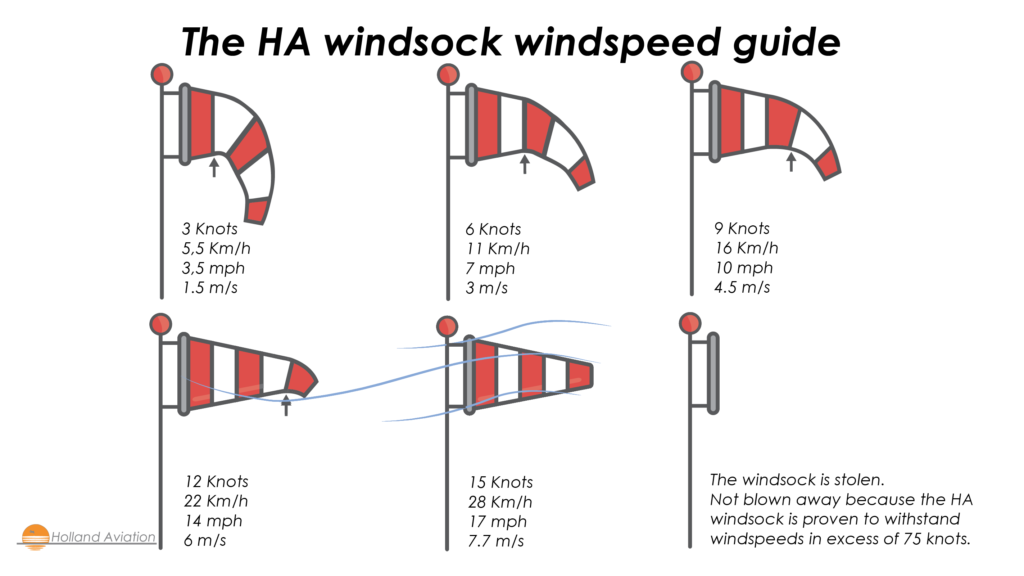
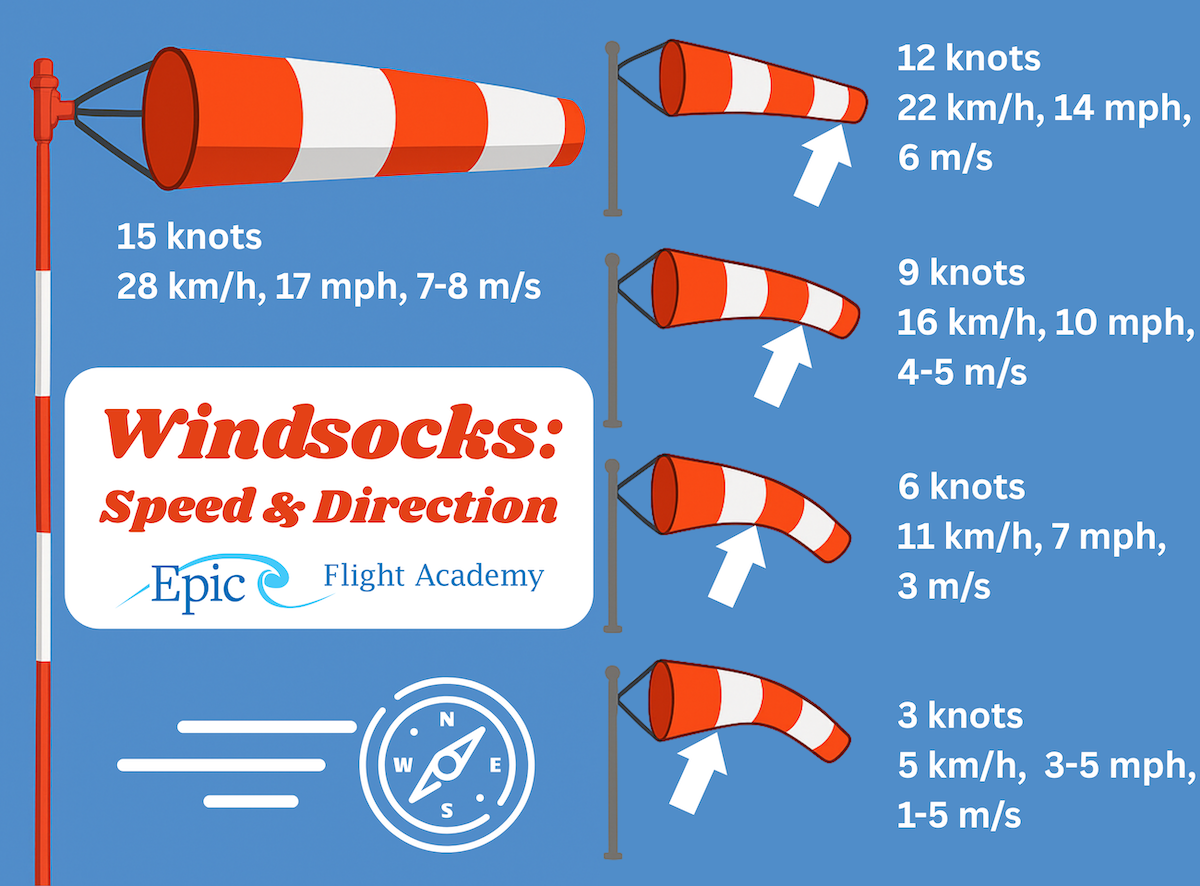
Technically, a windsock does more than show direction. It is a visual anemometer. In professional aviation settings, a fully extended windsock indicates a wind speed of 15 knots (approximately 17 mph) or greater. A windsock that is drooping or only partially extended allows pilots and ground tech crews to estimate lower speeds based on the angle of the fabric. This “analog” data visualization is the first line of defense in critical environments.
From Analog to Digital: The IoT Integration
In the current technology landscape, the “dumb” windsock is being replaced by “Smart Windsocks.” These systems incorporate embedded sensors within the mounting hardware. Modern tech-enabled windsocks often feature:
- Ultrasonic Anemometers: These sensors use sound waves to measure wind speed and direction with zero moving parts, providing digital backups to the visual indicator.
- Solar-Powered LED Arrays: For night operations, high-tech windsocks use internal LED illumination systems powered by photovoltaic cells and managed by smart controllers to ensure visibility in all weather conditions.
- Wireless Connectivity: Using LoRaWAN or 5G protocols, these units transmit real-time wind data to a central dashboard, allowing facility managers to monitor localized micro-climates from a remote location.
Smart Windsocks and the Future of Aviation Technology
Aviation has always been the primary domain of the windsock, but the rise of Advanced Air Mobility (AAM) and Unmanned Aerial Vehicles (UAVs) has demanded a more technical approach to wind sensing.
Telemetry and Real-Time Data Streaming
Traditional windsocks are sufficient for human pilots who can visually scan the airfield during an approach. However, autonomous drones and remote-piloted aircraft require digital telemetry. Modern vertiports—hubs for electric vertical takeoff and landing (eVTOL) aircraft—utilize windsocks equipped with digital encoders.
These encoders translate the physical orientation of the windsock into a data stream. This “Digital Twin” of the wind conditions is then broadcast to the aircraft’s onboard computer. This integration ensures that the flight controller can adjust its motor RPM and tilt-rotor angles in milliseconds, compensating for sudden gusts that a human eye might not perceive until it is too late.
Enhancing Safety Through AI-Powered Predictive Analytics
The integration of Artificial Intelligence (AI) into wind sensing hardware is the next frontier. By networking multiple smart windsocks across a large facility or airport, tech platforms can use machine learning to predict “wind shear” or localized turbulence.
AI algorithms analyze the data patterns from several sensors to create a heat map of air movement. For instance, if a windsock on the north end of a runway detects a sudden 180-degree shift while the south end remains steady, the system triggers an automated alert. This level of predictive tech prevents accidents before they occur, transforming the windsock from a reactive indicator into a proactive data source.
Industrial Applications: Windsocks in High-Tech Infrastructure
Beyond the runway, the windsock is a vital component of industrial safety technology, particularly in environments where chemical or biological risks are present.
Hazardous Material Management and Smart Sensors
In chemical processing plants, refineries, and laboratories, the windsock is a primary safety “gadget.” In the event of a gas leak or chemical release, the windsock tells emergency response teams exactly which way the plume will move.
The latest tech in this sector involves integrating wind sensing with automated “evacuation logic” software. If a sensor detects a chlorine leak, the software checks the current windsock data and automatically unlocks specific exit doors while sealing others, guiding employees away from the path of the toxic vapor. This intersection of mechanical hardware and safety software represents the pinnacle of modern industrial design.
Renewable Energy: Maximizing Turbine Efficiency
In the wind energy sector, specialized windsocks are used during the site assessment phase for new wind farms. Engineers use “tethered” wind sensing systems—essentially high-tech windsocks equipped with LIDAR (Light Detection and Ranging).
LIDAR-equipped systems shoot laser beams into the atmosphere to measure wind particles at different altitudes. By comparing this data with the physical movement of the windsock at ground level, developers can build a 3D model of the wind profile. This data is crucial for determining the optimal height and placement of wind turbines, ensuring maximum energy harvest and long-term mechanical reliability.
The Digital “Windsock”: Sentiment Analysis and Data Mapping
While the physical windsock is a marvel of engineering, the term has also migrated into the realm of software and data science. In tech circles, a “digital windsock” refers to tools used to gauge the direction of trends or system health.
Tracking Digital Trends and Software Lifecycle
In software development, “windsocking” is a slang term for deploying a small-scale feature or a “canary release” to see which way the user sentiment blows. Just as a physical windsock reacts to the slightest breeze, these software deployments are designed to be highly sensitive to user feedback and system performance metrics.
Advanced analytics dashboards function as the “windsocks” of the corporate world. By monitoring KPIs (Key Performance Indicators) in real-time, CTOs and product managers can determine if their tech stack is aligned with market demands or if they need to “tack” in a new direction to avoid a crash.
Cybersecurity: Detecting the Direction of Emerging Threats
In the cybersecurity niche, “Network Windsocks” are specialized honeypots or monitoring nodes designed to detect the “direction” of a cyber-attack. These tools are set up on the perimeter of a network to catch “the drift” of unauthorized scans or brute-force attempts.
By analyzing the origin, velocity, and complexity of these digital “gusts,” security operations centers (SOCs) can bolster their defenses in the specific areas where the threat is most concentrated. This metaphorical application of the windsock concept highlights how fundamental the idea of directionality is to the field of technology.
Conclusion: The Enduring Relevance of Wind-Sensing Tech
Whether it is a heavy-duty nylon cone at a remote landing strip or a sophisticated IoT-integrated sensor at a global tech hub, the windsock remains an indispensable tool. It represents a perfect marriage of simple physics and complex modern requirements.
As we look toward a future of autonomous flight, smart cities, and increasingly volatile weather patterns due to climate change, the technology behind the windsock will only become more refined. By integrating AI, 5G, and advanced materials, the windsock has evolved from a simple visual aid into a critical data point in our global infrastructure. Understanding “what is a windsock” is no longer just about knowing the wind direction; it is about understanding how we capture environmental data to build a safer, more efficient, and more connected world.
aViewFromTheCave is a participant in the Amazon Services LLC Associates Program, an affiliate advertising program designed to provide a means for sites to earn advertising fees by advertising and linking to Amazon.com. Amazon, the Amazon logo, AmazonSupply, and the AmazonSupply logo are trademarks of Amazon.com, Inc. or its affiliates. As an Amazon Associate we earn affiliate commissions from qualifying purchases.