
In the landscape of modern social media, metrics define the hierarchy of influence and the depth of user engagement. While platforms like Instagram and X (formerly Twitter) rely on public follower counts and like tallies, Snapchat utilizes a more proprietary and somewhat enigmatic metric known as the “Snapscore.” To the casual observer, it is simply a number next to a username. However, from a technical and software engineering perspective, the Snapscore represents a complex engagement algorithm designed to measure a user’s activity, loyalty, and interaction frequency within the app’s ecosystem.

Understanding what a Snapscore is requires more than a superficial look at social media habits; it requires an analysis of how Snapchat utilizes gamification and data processing to encourage specific user behaviors. This article explores the technical infrastructure behind the Snapscore, the variables that influence its growth, and its role in the broader context of digital engagement trends.
The Technical Infrastructure of the Snapscore: How the Algorithm Works
At its core, the Snapscore is a dynamic numerical value that reflects a user’s activity on the platform. Unlike a static counter, it is a server-side calculation that aggregates various forms of data generated by user interactions. While Snapchat’s parent company, Snap Inc., remains relatively tight-lipped about the exact mathematical formula, technical analysis of user behavior and app updates provides a clear picture of its primary components.
Primary Data Points: Snaps Sent and Received
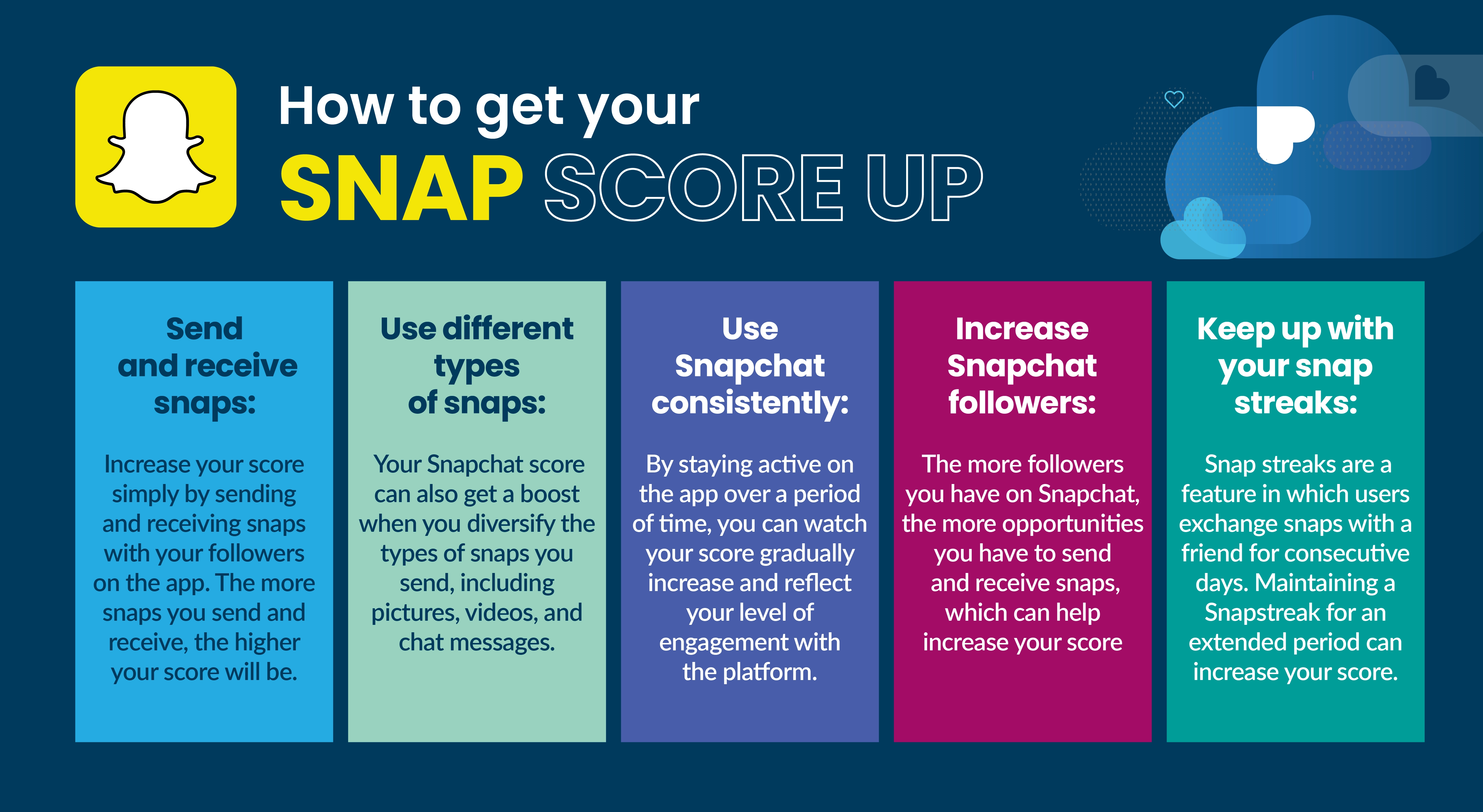
The most foundational elements of the Snapscore are the sending and receiving of “Snaps”—the ephemeral photos and videos that define the platform. In the app’s early iterations, the score was largely a one-to-one reflection of these two actions. Every Snap sent usually increments the score by one point, and every Snap received and opened adds another. However, the algorithm differentiates between individual interactions and mass-distributed content. Sending a single Snap to multiple recipients does not necessarily multiply the score by the number of recipients in a linear fashion, preventing users from “gaming” the system through spam-like behavior.
The Hidden Variables: Stories and Platform Engagement
Beyond the binary of sending and receiving, the Snapscore incorporates secondary engagement metrics. Posting to a “Snap Story” is a significant contributor to the total score. Stories represent a different tier of data; they are broadcasted to a user’s entire friend list rather than a single recipient, and the algorithm rewards this public-facing engagement. Additionally, interacting with the “Discover” section—where professional creators and news outlets host content—and maintaining “Streaks” (consecutive days of messaging) are believed to provide periodic “bonuses” to the score. This multi-variable approach ensures that the Snapscore is a holistic representation of how a user navigates the various features of the software.
Data Synchronization and Server Latency
From a software perspective, the Snapscore is not always updated in real-time on the client-side (the user’s phone). Instead, these data points are batched and processed on Snapchat’s servers. This is why users often notice a delay between their activity and an increase in their score. If a user’s score appears “stuck,” it is usually due to a synchronization lag between the local cache and the central database. When the app performs a handshake with the server—often triggered by closing and reopening the app or refreshing the profile page—the updated score is pushed to the UI.
The Role of Gamification in App Retention and User Behavior
The Snapscore is a masterclass in “gamification”—the integration of game-design elements into non-game environments. By assigning a numerical value to social interactions, Snapchat transforms the act of communication into a competitive and rewarding experience. This tech-driven strategy is a key component of user retention in a highly saturated app market.
Why Metrics Matter to Digital Natives
For the demographic that dominates Snapchat—primarily Gen Z and late Millennials—digital metrics serve as a form of social currency. The Snapscore acts as a “proof of activity.” Within the technical framework of the app, a high score signals that a user is an “active node” in the social network. It validates the time spent on the platform and creates a psychological incentive to maintain that activity level. This is known as the “Hook Model” in UI/UX design: a trigger (a notification), followed by an action (sending a Snap), which leads to a variable reward (an increased Snapscore), which then prompts further investment in the platform.
Retention Loops and the “Loss Aversion” Factor
Snapchat’s software design excels at creating retention loops. The Snapscore, paired with the “Snapstreak” feature, leverages a psychological concept called loss aversion. Users are incentivized to engage daily not just to see the number go up, but to prevent the stagnation of their digital profile. From a developer’s standpoint, these metrics are essential for maintaining high Daily Active User (DAU) counts, which are critical for the platform’s valuation and advertising revenue. By embedding these numbers deeply into the user interface, Snapchat ensures that the software remains a daily habit rather than an occasional utility.

Managing and Optimizing the Digital Experience
For users and tech enthusiasts looking to understand how to manipulate or optimize these metrics, it is important to look at the specific actions the software prioritizes. Optimizing a Snapscore is essentially a lesson in maximizing the app’s feature set.
Increasing the Score Through Diversified Activity
To see a steady increase in a Snapscore, a user must move beyond simple text-based messaging. Snapchat’s “Chat” function (text only) famously does not contribute to the Snapscore. The algorithm is specifically tuned to favor the camera-first nature of the app. To optimize the score, users must engage with:
- Multimedia Snaps: High-frequency exchange of photos and videos.
- Public Stories: Frequent updates to the personal story feed.
- Group Engagement: While sending to groups is weighted differently, consistent interaction within group threads maintains the engagement flow.
- Special Features: Using Augmented Reality (AR) Lenses and Filters, which the platform tracks as high-value engagement because it involves the app’s most advanced technical assets.
Troubleshooting Technical Discrepancies
Many users frequently search for why a Snapscore might not be visible or why it hasn’t changed. Technically, a Snapscore is only visible if two users have added each other as friends. This is a privacy-first software design choice, preventing strangers from tracking a user’s activity levels. If a score isn’t updating, it is rarely a “bug” and more often a result of server-side throttling. During high-traffic periods, Snap Inc. may deprioritize the updating of non-essential metrics like Snapscores to save bandwidth for the delivery of the Snaps themselves.
Privacy, Security, and the Social Implications of Engagement Metrics
While the Snapscore is a tool for engagement, it also raises questions regarding digital privacy and the psychological impact of public metrics. As digital security and mental wellbeing become central themes in technology discussions, the Snapscore is often scrutinized for its transparency.
Can Others See Your Activity History?
A common concern is whether the Snapscore can be used to monitor a user’s specific habits. While the score is a cumulative total, it does not provide a timestamped log of when Snaps were sent or to whom. From a digital security perspective, Snapchat encrypts the delivery of content, and the Snapscore serves as a “metadata” summary rather than a detailed activity report. However, because the score only increases when a user is active, a sudden jump in a friend’s score is a technical indicator that they have been online and engaging with others, even if they haven’t replied to a specific message.
The Impact of Metrics on Digital Wellbeing
In the broader tech industry, there is a movement toward “de-metrication.” Platforms like Instagram have experimented with hiding like counts to reduce social anxiety. Snapchat, however, has maintained the Snapscore as a core feature. The technical challenge for developers moving forward is balancing the “stickiness” of the app (keeping users engaged) with the ethical responsibility of digital wellbeing. The Snapscore, by its very nature, encourages constant connectivity, which can lead to “digital burnout.” As software evolves, we may see more platforms offering the ability to toggle these metrics off to prioritize a more private and less competitive user experience.
The Future of Engagement Metrics in Social Software
As we look toward the future of social media technology, the Snapscore remains a fascinating case study in how numbers can drive human behavior. The evolution of this metric will likely mirror the evolution of the platform itself, moving into new territories like Augmented Reality and Artificial Intelligence.
Integrating AI and AR into the Metric System
With the introduction of “My AI” (Snapchat’s integrated LLM) and the continued advancement of AR glasses, the way we “engage” with software is changing. It is highly probable that the Snapscore algorithm will evolve to include interactions with AI entities or the usage of wearable tech. If a user spends an hour in an AR environment designed by Snapchat, the software must find a way to quantify that engagement within the existing score framework.
Conclusion: More Than Just a Number
In conclusion, a Snapscore is a sophisticated technical instrument used by Snapchat to measure, reward, and encourage platform engagement. It is a product of complex server-side algorithms, gamification strategies, and data processing. While it may appear as a simple social trophy, it is actually a vital piece of the software’s ecosystem that ensures Snapchat remains one of the most interactive and habit-forming apps in the digital age. Whether you are a casual user or a tech professional, understanding the Snapscore provides a window into the future of how we measure human interaction in a digital-first world.
aViewFromTheCave is a participant in the Amazon Services LLC Associates Program, an affiliate advertising program designed to provide a means for sites to earn advertising fees by advertising and linking to Amazon.com. Amazon, the Amazon logo, AmazonSupply, and the AmazonSupply logo are trademarks of Amazon.com, Inc. or its affiliates. As an Amazon Associate we earn affiliate commissions from qualifying purchases.