
In the biological world, sensory input is the bridge between an organism and its environment. It is the light hitting a retina, the vibration of an eardrum, or the chemical reaction on a taste bud. However, in the rapidly evolving landscape of technology, the definition of sensory input has expanded far beyond biological constraints. Today, sensory input represents the foundational data stream that allows machines, software, and artificial intelligence to perceive, interpret, and interact with the physical world.
As we move deeper into the era of the Internet of Things (IoT), autonomous systems, and spatial computing, understanding how technology processes sensory input is critical. It is no longer just about “gathering data”; it is about recreating the nuances of human perception through silicon, code, and sophisticated hardware.

The Digital Nervous System: Defining Sensory Input in Technology
In a technological context, sensory input refers to the raw data collected by hardware sensors that is then converted into digital signals for processing. If an AI model is the “brain,” then sensors are the “nervous system.” Without these inputs, technology remains a closed loop, capable of logic but blind to the external environment.
From Analog Signals to Digital Data
The physical world is analog—fluid, continuous, and varying. Sensory input begins the moment a transducer captures a physical property, such as temperature, pressure, or light intensity. For a computer to understand this, the analog signal must undergo Analog-to-Digital Conversion (ADC). This process discretizes the continuous world into bits and bytes. This transformation is the first step in digital perception, allowing a processor to “sense” a change in the environment with a level of precision that often exceeds human capability.
The Role of Sensors in the Internet of Things (IoT)
The explosion of IoT has turned everyday objects into sensory hubs. A “smart” city utilizes sensory input from thousands of nodes—acoustic sensors to detect traffic noise, chemical sensors to monitor air quality, and infrared sensors to manage street lighting. In this ecosystem, sensory input is the currency of automation. By constantly feeding real-time data into cloud-based analytics engines, IoT devices allow for a responsive environment that adapts to human behavior and environmental shifts without manual intervention.
Machine Perception: How AI Processes Sensory Input
Raw data is useless without interpretation. This is where Artificial Intelligence (AI) and Machine Learning (ML) transform simple sensory input into “machine perception.” While a camera provides a grid of pixels (the input), an AI provides the realization that those pixels represent a pedestrian crossing the street (the perception).
Computer Vision: Giving Machines “Eyes”
Computer vision is perhaps the most advanced field of sensory input processing. Using inputs from CMOS sensors (cameras) and LiDAR (Light Detection and Ranging), AI models employ convolutional neural networks to identify patterns. This technology is the backbone of autonomous vehicles. A self-driving car processes gigabytes of sensory input every second, fusing data from various sources to create a 3D map of its surroundings. The input here is not just an image; it is a complex stream of depth, velocity, and object classification.
Natural Language Processing and Auditory Inputs
Auditory sensory input involves capturing sound waves via microphones and converting them into spectrograms. Natural Language Processing (NLP) then takes this digital representation to extract meaning, intent, and sentiment. Modern digital assistants like Siri or Alexa rely on sophisticated “far-field” voice recognition, which filters out background noise—a secondary sensory input—to focus on the primary command. This mimicry of the human “cocktail party effect” demonstrates how tech can prioritize certain sensory inputs over others to achieve a goal.
Haptic Feedback and Tactile Sensing in Robotics
While vision and sound dominate the tech conversation, tactile sensory input is the new frontier in robotics. Soft robotics and haptic sensors allow machines to feel texture, grip strength, and temperature. In high-precision fields like robotic surgery, the machine receives sensory input regarding the resistance of human tissue, translating that into haptic feedback for the surgeon. This creates a bidirectional flow where the machine’s sensory input becomes the human’s sensory experience.
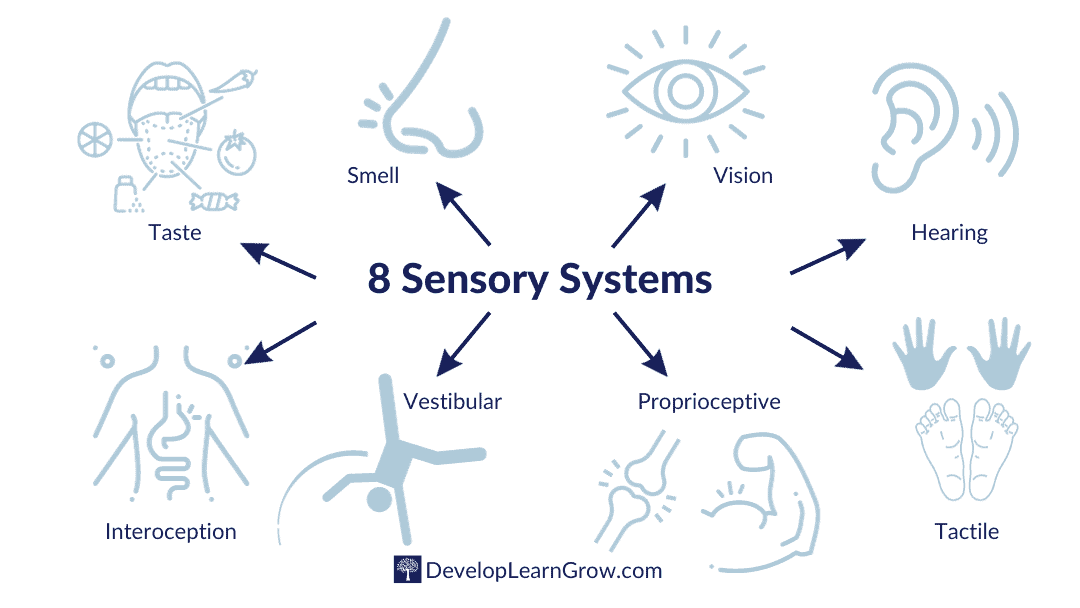
The Convergence of Biological and Synthetic Inputs
The line between human and machine perception is blurring as we develop technologies that can either augment our biological senses or bypass them entirely. This convergence is creating new paradigms for how we experience reality.
Brain-Computer Interfaces (BCIs)
Brain-Computer Interfaces, such as those being developed by Neuralink and Synchron, represent the ultimate evolution of sensory input. Here, the “input” is the electrical firing of neurons. By capturing these signals, technology can bypass the physical body to control digital interfaces. Conversely, researchers are working on “sensory substitution,” where camera data is converted into electrical pulses delivered directly to the brain, potentially restoring sight to the blind. In this scenario, the tech’s sensory input becomes the user’s primary reality.
Enhancing Human Senses through Augmented Reality (AR)
Augmented Reality (AR) functions by overlaying digital sensory input onto the user’s natural field of vision. Devices like the Apple Vision Pro or HoloLens use a suite of external cameras and sensors to “understand” the room. They then project digital objects that appear to obey the laws of physics. The success of AR depends on “spatial mapping,” a process where the device’s sensory input is so accurate that the digital and physical worlds become indistinguishable to the human eye.
Challenges and Ethical Considerations in Sensory Data Collection
As machines become more adept at gathering and interpreting sensory input, we face significant challenges. The “omniscience” of modern sensors brings up questions regarding privacy, security, and the reliability of the data itself.
Data Privacy and the Quantified Self
Every piece of sensory input collected by a wearable device—heart rate, sleep patterns, location, and even blood oxygen levels—is a data point that can be monetized. The “Quantified Self” movement has empowered users with health insights, but it has also created a massive repository of sensitive biological data. The ethical challenge lies in who owns this sensory input. If a smart speaker is always “sensing” audio to listen for a wake word, it is technically recording the private lives of its users. Defining the boundaries of digital “listening” and “seeing” is one of the great legal hurdles of the 21st century.
Latency and Accuracy in Real-Time Processing
In many tech applications, the speed of sensory input processing is a matter of life and death. For an autonomous drone or a factory-floor robot, a millisecond of latency in processing a tactile or visual input could lead to a collision. As we rely more on cloud-based AI, the distance the data must travel (from the sensor to the server and back) becomes a bottleneck. This has led to the rise of “Edge Computing,” where sensory input is processed locally on the device to ensure near-instantaneous response times.
The Future of Sensory Technology: Towards Sentient Machines
We are moving toward a future where machines do not just process isolated inputs but possess a holistic “awareness” of their environment. This move toward multimodal AI is the next great leap in technology.
Multimodal Learning: Integrating Multiple Sensory Streams
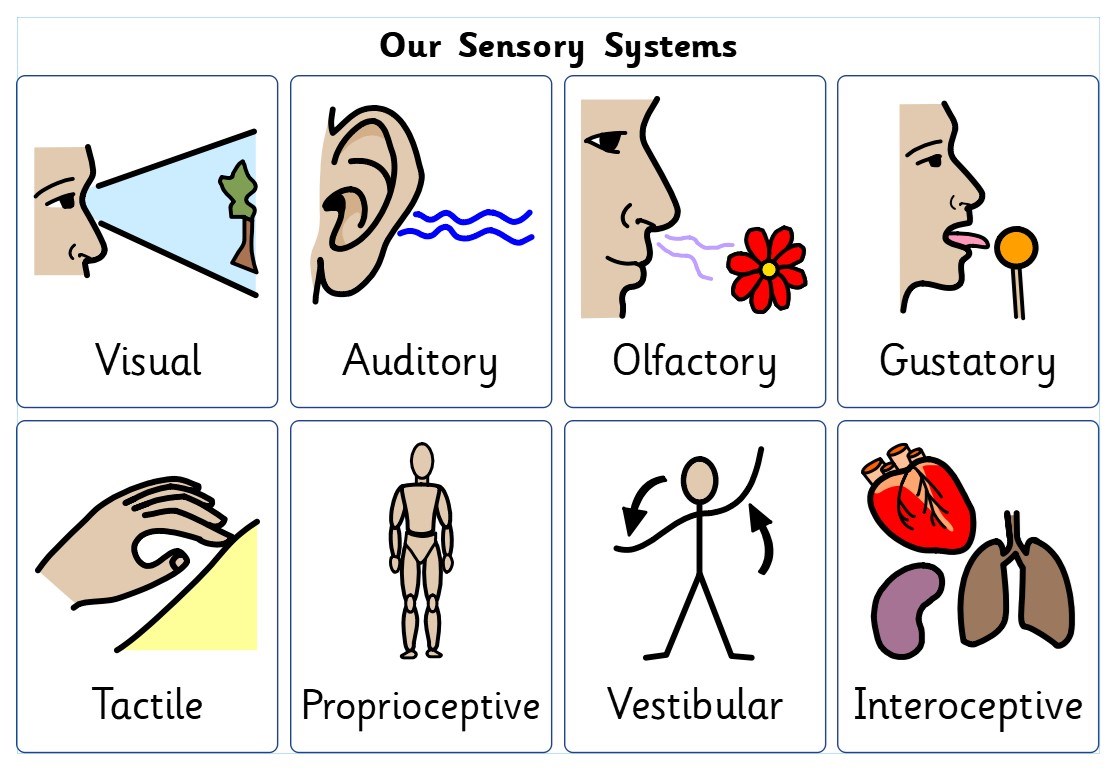
Current AI models are often specialized: one for text, one for images, one for sound. The future of sensory input lies in multimodal learning, where an AI can integrate vision, sound, and touch simultaneously, much like a human does. By cross-referencing a visual input of a glass breaking with the corresponding sound and the vibration on the floor, an AI can achieve a much deeper “contextual” understanding of an event. This integration is vital for the development of Artificial General Intelligence (AGI).
The Path to Artificial General Intelligence (AGI)
For a machine to truly think or “understand,” it must be able to ground its logic in the physical world. Sensory input provides this grounding. Without the ability to sense, AI is merely a statistical engine predicting the next word in a sentence. With advanced sensory input, AI becomes an agent capable of navigating the world, learning from physical mistakes, and interacting with humans in a meaningful, embodied way.
As we continue to refine the sensors and the algorithms that interpret their signals, the gap between “data” and “experience” will continue to shrink. In the world of technology, sensory input is no longer just a technical requirement—it is the catalyst for the next stage of digital evolution. Whether through the lens of a camera, the vibration of a haptic motor, or the electrical signal of a BCI, we are teaching machines not just to see the world, but to feel it.
aViewFromTheCave is a participant in the Amazon Services LLC Associates Program, an affiliate advertising program designed to provide a means for sites to earn advertising fees by advertising and linking to Amazon.com. Amazon, the Amazon logo, AmazonSupply, and the AmazonSupply logo are trademarks of Amazon.com, Inc. or its affiliates. As an Amazon Associate we earn affiliate commissions from qualifying purchases.