
In the complex ecosystem of modern healthcare, the focus often rests solely on the interaction between a patient and their physician. However, behind every successful medical practice, hospital, or outpatient clinic lies a sophisticated financial operation that ensures the lights stay on and the practitioners are compensated. At the heart of this operation is the medical biller. Often misunderstood as a mere data entry clerk, a medical biller is actually a specialized financial professional responsible for managing the revenue cycle of a healthcare entity.
This role is a critical intersection of business finance, insurance policy navigation, and administrative expertise. As the bridge between clinical services and financial reimbursement, medical billers are the architects of a provider’s cash flow. Understanding what a medical biller is—and the significant economic impact they have—is essential for anyone looking to enter the field of business finance or manage a successful medical enterprise.

The Role of Medical Billing in Business Finance
To understand what a medical biller is, one must first understand the unique financial landscape of the healthcare industry. Unlike a retail business where a customer pays at the point of sale, healthcare operates on a delayed, third-party reimbursement model. This creates a complex “accounts receivable” environment that requires constant monitoring and expertise.
Bridging the Gap Between Care and Compensation
A medical biller is the primary liaison between the healthcare provider, the patient, and the insurance company (often referred to as the “payer”). After a medical coder translates a patient’s visit into standardized alphanumeric codes, the medical biller takes over to translate those codes into a financial claim. They ensure that the claim meets all the specific requirements of the insurance company, which varies wildly from one payer to another. Without this meticulous attention to detail, the financial link between providing a service and receiving payment would break, leading to significant revenue loss.
Revenue Cycle Management (RCM) Explained
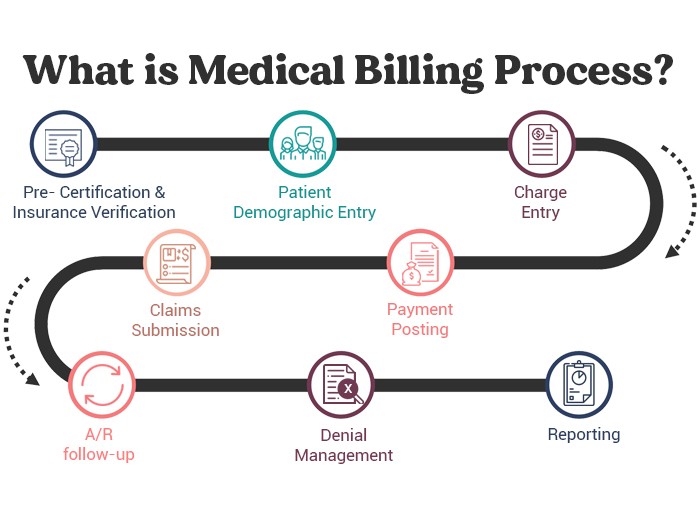
Medical billing is the most active phase of Revenue Cycle Management (RCM). RCM is the financial process that facilities use to track patient care episodes from registration and appointment scheduling to the final payment of a balance. The medical biller manages the “back end” of this cycle. This involves submitting claims, following up on unpaid balances, and resolving disputes. From a business finance perspective, RCM is about minimizing the “days in accounts receivable” (AR days)—the average time it takes for a provider to get paid after a service is rendered. A skilled medical biller optimizes this cycle to ensure the business remains liquid and solvent.
The Economic Impact of the Medical Biller
The financial health of a medical practice is directly proportional to the efficiency of its billing department. In the world of business finance, “leakage” refers to the loss of potential revenue due to inefficiencies. In healthcare, this leakage often occurs through denied claims, underpayments, or uncollected patient balances.
Optimizing Cash Flow for Healthcare Providers
Cash flow is the lifeblood of any business. For a medical practice, overhead costs—including staff salaries, medical supplies, and facility rent—are high and fixed. If insurance reimbursements are delayed or incorrectly processed, the practice may face a liquidity crisis. Medical billers act as financial analysts who monitor the “aging” of claims. They identify bottlenecks in the payment process and implement strategies to ensure a steady stream of incoming capital. By maintaining a high “clean claim rate” (the percentage of claims paid on the first submission), they maximize the practice’s immediate cash availability.
Reducing Denials and Financial Leakage
According to industry benchmarks, a significant percentage of initial medical claims are denied by insurance companies. Each denial represents a financial risk. A medical biller’s value lies in their ability to perform “denial management.” This involves analyzing why a claim was rejected—perhaps due to a lack of medical necessity, incorrect patient demographics, or a filing deadline miss—and correcting it. By successfully appealing denied claims, a medical biller recovers revenue that would otherwise be written off as a loss. This direct intervention protects the provider’s bottom line and ensures that the business receives every dollar it is legally owed.
Medical Billing as a Professional Income Opportunity

Beyond its importance to the healthcare provider, medical billing represents a significant opportunity for individuals interested in personal finance and stable career growth. As the global population ages and healthcare needs increase, the demand for skilled professionals who can navigate the financial complexities of the industry is at an all-time high.
Career Path and Earning Potential
Medical billing is a profession that offers a low barrier to entry relative to its earning potential. While some billers have degrees in healthcare administration or finance, many enter the field through specialized certification programs, such as the Certified Professional Biller (CPB) credential. In terms of income, medical billing offers a stable salary with significant upside for those who specialize in high-complexity fields like oncology or surgery. Furthermore, experienced billers often move into managerial roles, such as Revenue Cycle Managers or Practice Administrators, where they oversee the entire financial strategy of a medical group.
Remote Opportunities and the Freelance Economy
One of the most attractive aspects of medical billing in the modern economy is its flexibility. Because the work is digital and data-driven, many medical billers work remotely. This has opened the door for “solopreneurs” to start their own medical billing businesses. By acting as an outsourced billing service for small practices, an individual can build a scalable side hustle or a full-time business. This entrepreneurial path allows billers to manage multiple clients, set their own rates, and benefit directly from the efficiencies they create for their clients.
Tools of the Trade: Navigating Financial Software
In the modern era, a medical biller is as much a tech-savvy financial operator as they are an administrative expert. The tools they use are designed to integrate clinical data with financial outcomes, creating a seamless flow of information.
Electronic Health Records (EHR) and Billing Integration
The primary tool for any medical biller is the Billing Software or the billing module within an Electronic Health Record (EHR) system. These platforms act as financial databases. A biller must be proficient in navigating these systems to pull data, generate “Superbills,” and transmit claims via an Electronic Data Interchange (EDI). These tools often include “scrubbing” features—automated checks that flag potential errors before a claim is sent. Understanding the cost-benefit analysis of different software platforms is a key part of the biller’s role in advising a practice on its financial infrastructure.
Compliance, Audits, and Financial Security
Medical billing involves handling sensitive financial and personal data, which brings it under the jurisdiction of regulations like HIPAA (Health Insurance Portability and Accountability Act). From a financial tool perspective, billers must ensure that all transactions are encrypted and that the practice’s financial records are “audit-ready.” They conduct internal audits to ensure that the billing practices align with federal and state laws. This preventative measure protects the business from heavy fines and legal fees, which are significant financial threats in the healthcare industry.
The Future of Medical Billing in the Modern Economy
As we look toward the future, the role of the medical biller is evolving from a transactional role to a strategic financial consultancy role. The landscape of how healthcare is paid for is shifting, and the medical biller is at the forefront of this transition.
The Shift Toward Value-Based Reimbursement
Traditionally, healthcare has operated on a “fee-for-service” model—providers were paid for every test or procedure they performed. However, the industry is moving toward “value-based care,” where reimbursement is tied to patient outcomes and efficiency. This shift requires medical billers to track different financial metrics. They are now tasked with analyzing data to show that care was both effective and cost-efficient. This requires a deeper understanding of financial modeling and data analytics, elevating the biller’s role in the corporate hierarchy.
Automation and the Evolving Financial Landscape
Artificial Intelligence and automation are beginning to handle the more repetitive aspects of claim submission. While some fear this might make the role obsolete, it is actually transforming the medical biller into a “Revenue Integrity Specialist.” With AI handling the data entry, the biller is free to focus on high-level financial problem-solving, such as negotiating contracts with insurance payers and analyzing high-level financial trends. In the coming years, the most successful medical billers will be those who can leverage technology to drive even greater financial returns for their organizations.
In summary, a medical biller is the financial guardian of the healthcare world. They ensure that the delivery of medical care remains a viable business by managing the complex journey from a doctor’s diagnosis to a deposited check. Whether viewed as a career path, a business function, or a component of the broader economy, medical billing is an indispensable discipline dedicated to the financial health of our medical infrastructure.
aViewFromTheCave is a participant in the Amazon Services LLC Associates Program, an affiliate advertising program designed to provide a means for sites to earn advertising fees by advertising and linking to Amazon.com. Amazon, the Amazon logo, AmazonSupply, and the AmazonSupply logo are trademarks of Amazon.com, Inc. or its affiliates. As an Amazon Associate we earn affiliate commissions from qualifying purchases.