
To the casual observer, the question “What is a Hyundai?” might seem to have a simple answer: it is a South Korean car manufacturer. However, from the perspective of brand strategy and corporate identity, the answer is far more complex. Hyundai represents one of the most successful examples of brand transformation in modern industrial history. It is a case study in how a company can migrate from being a producer of low-cost, derivative commodities to becoming a global leader in design, luxury, and sustainable innovation.
In the world of branding, Hyundai is no longer just a vehicle; it is a symbol of “Modernity” (the literal translation of the Korean word Hyeondae). Through a series of calculated marketing shifts, design overhauls, and the creation of sub-brands, Hyundai has redefined its corporate identity to compete with—and often outperform—legacy European and American rivals.
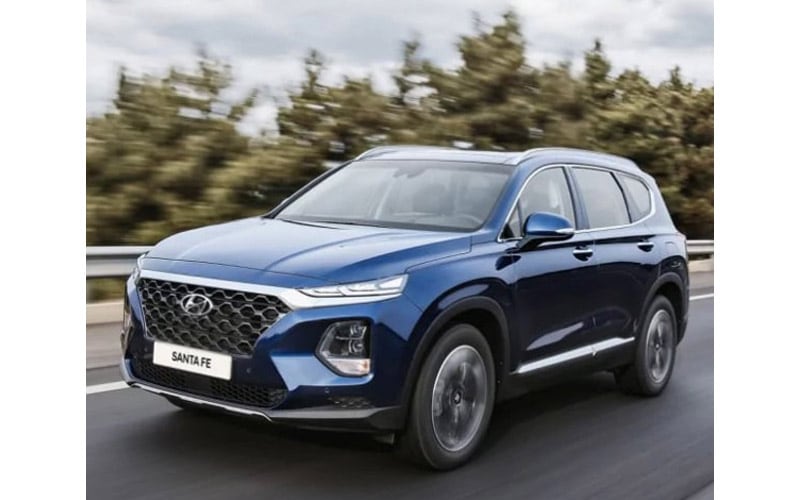
From Economy Roots to Global Leadership: The Hyundai Identity
The journey of the Hyundai brand began with a focus on affordability and utility. In the late 20th century, the brand’s identity was synonymous with “entry-level.” While this allowed for rapid global expansion, it created a significant brand equity hurdle: the perception of being a “budget” choice rather than a “desired” choice.
The Philosophy of ‘Progress for Humanity’
In recent years, Hyundai Motor Company has transitioned its core brand vision to “Progress for Humanity.” This is not merely a slogan; it is a strategic pivot in corporate identity. By moving away from product-centric marketing (“we build cars”) to human-centric marketing (“we provide mobility solutions that improve lives”), Hyundai has elevated its brand status. This vision positions the company as a forward-thinking entity concerned with environmental sustainability and the future of urban living, aligning its brand values with the ethical concerns of Gen Z and Millennial consumers.
Overcoming the ‘Budget Brand’ Stigma
The most significant challenge for Hyundai’s brand managers was shedding the “cheap” label of the 1980s and 90s. The strategy to overcome this was two-pronged: radical design improvement and an industry-leading warranty. By offering a 10-year/100,000-mile warranty, Hyundai used a tactical marketing tool to send a powerful brand message: “We are so confident in our quality that we will take the risk.” This built the foundational trust necessary to move the brand upmarket. Once trust was established, the brand could focus on the emotional appeal of aesthetics and innovation.
The Multi-Brand Strategy: Genesis, IONIQ, and the Parent Identity
A key component of modern brand strategy is the use of sub-branding to target diverse market segments without diluting the core identity. Hyundai has mastered this through the creation of the Genesis and IONIQ lines, which allow the parent company to capture both the luxury and the eco-conscious tech markets.
Genesis and the Luxury Pivot
In 2015, Hyundai made the strategic decision to spin off “Genesis” into a standalone luxury brand. This is a classic brand architecture move, similar to Toyota’s creation of Lexus. By distancing Genesis from the “Hyundai” nameplate, the company was able to compete directly with Mercedes-Benz and BMW. The brand identity of Genesis is built on “Athletic Elegance,” focusing on high-touch customer service and a distinct, sophisticated design language. This move allowed the Hyundai parent brand to remain accessible while proving the organization’s engineering and design prowess at the highest levels.
IONIQ: Branding the Electric Revolution
While Genesis handles the luxury segment, the IONIQ sub-brand handles the future. Rather than simply releasing electric versions of existing models, Hyundai created IONIQ as a dedicated brand for its Electric Global Modular Platform (E-GMP). The branding strategy here is focused on “individualized mobility.” IONIQ models utilize a “pixel” design language that differentiates them from traditional internal combustion engine (ICE) vehicles. This visual consistency creates a “brand within a brand” that signals tech-savviness and environmental responsibility, allowing Hyundai to capture the “early adopter” tech audience.

Marketing the Future: Design Language as a Brand Pillar
In the automotive industry, design is the most visible manifestation of brand identity. Hyundai’s transformation is largely a result of a massive investment in design leadership, hiring heavyweights from the European luxury sector to redefine what a Hyundai looks and feels like.
Sensuous Sportiness: A Unified Design Philosophy
Hyundai’s current design identity is centered around the concept of “Sensuous Sportiness.” This strategy aims to bring instinctive beauty and emotional value to the vehicles. By focusing on the proportion, architecture, styling, and technology of the cars, Hyundai has moved away from the “cookie-cutter” aesthetic of the past. The brand now utilizes a “chess piece” strategy—where each model looks different but they all belong to the same set—rather than the “Russian doll” strategy used by many German manufacturers. This allows each vehicle to have a unique personality while still reinforcing the parent brand’s innovative spirit.
Cultural Integration and the Global Marketing Mix
Hyundai’s brand strategy also leverages its South Korean heritage, often referred to as the “K-Factor.” As South Korean culture (music, film, and technology) has gained global prestige, Hyundai has aligned its marketing to reflect this “cool factor.” Through high-profile sponsorships, placement in major motion pictures, and partnerships with global icons, the brand has successfully integrated itself into the lifestyle and entertainment space. This shifts the brand from being a “transportation appliance” to being a “lifestyle choice.”
Case Study: Turning a Quality Crisis into a Competitive Advantage
One of the most profound lessons in brand management comes from how Hyundai handled its historical quality perception issues. In the early 2000s, the brand faced a crossroads: remain a niche budget player or reinvent itself through radical transparency and quality control.
The 10-Year Warranty Gamble
When Hyundai introduced its “America’s Best Warranty,” it was a marketing masterstroke that functioned as a brand-building tool. At the time, Hyundai’s brand equity was low. The warranty acted as a “de-risking” mechanism for consumers. From a brand strategy perspective, this moved the conversation from “Is it a good car?” to “The company stands behind it, so I can trust it.” This period marked the transition of the brand from “vulnerable” to “reliable.”
Building Trust Through Reliability and Innovation
Today, the Hyundai brand is frequently at the top of J.D. Power and Consumer Reports rankings. However, the strategy didn’t stop at reliability. The brand’s identity is now being built on “Disruptive Innovation.” By being among the first to market with viable long-range EVs and experimenting with hydrogen fuel cell technology, Hyundai has positioned itself as a “fast-mover” and “innovator.” In the minds of consumers, the brand has moved through three distinct phases:
- Reliability (The Trust Phase): Establishing that the product works.
- Design (The Desire Phase): Establishing that the product looks good.
- Innovation (The Leadership Phase): Establishing that the company is defining the future.
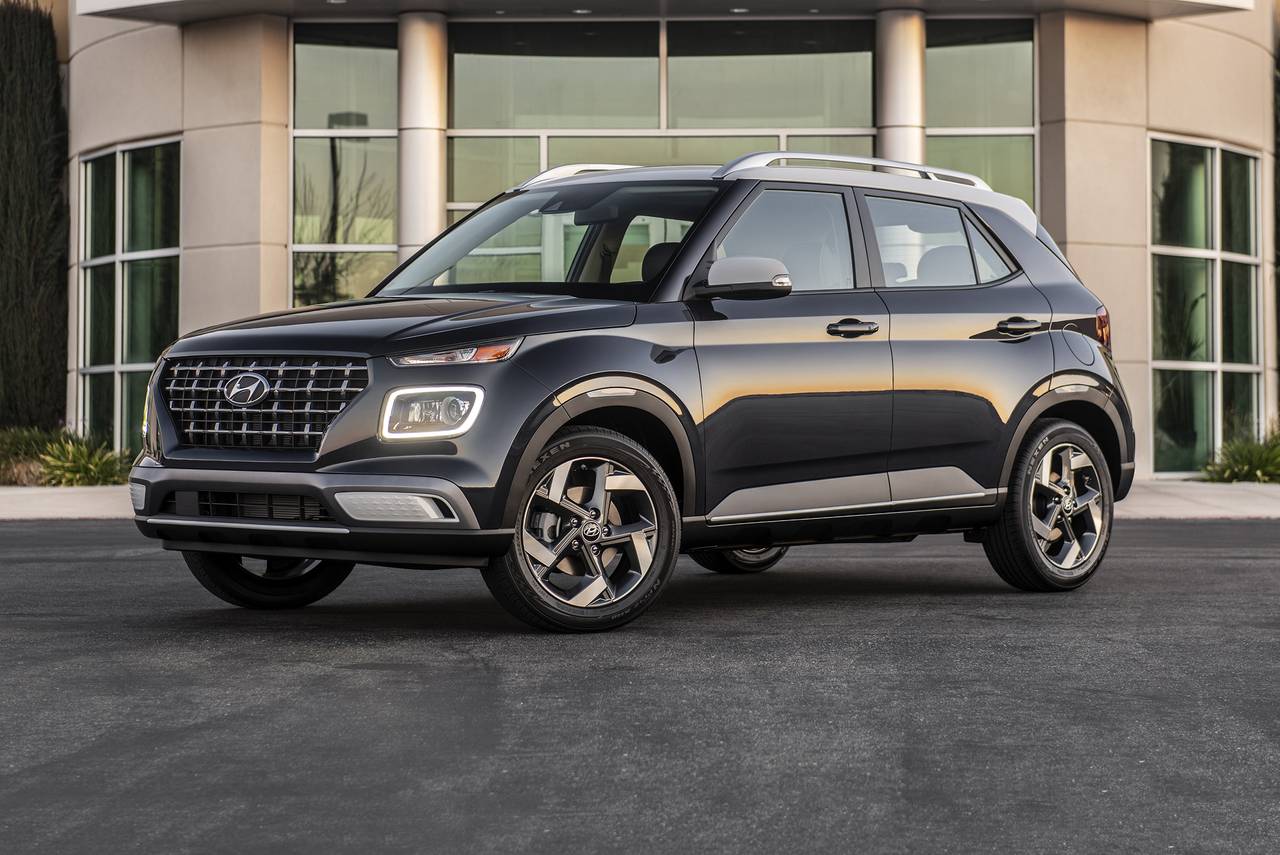
Conclusion: The New Definition of Hyundai
So, what is a Hyundai? In the modern marketplace, it is a premier example of Brand Elasticity. It is a brand that has successfully stretched from the bottom of the market to the competitive top. Through a sophisticated brand architecture involving Genesis and IONIQ, a commitment to a “Progress for Humanity” vision, and a design-first corporate identity, Hyundai has transcended its origins.
For marketing professionals and brand strategists, Hyundai serves as a reminder that brand identity is not static. It is a living entity that can be reshaped through consistent quality, bold design choices, and a clear, purpose-driven vision. Hyundai is no longer just a South Korean automaker; it is a global benchmark for how to build, maintain, and evolve a brand in a rapidly changing technological landscape. By focusing on the human experience and the future of mobility, Hyundai has ensured that its brand identity remains as modern as its name suggests.
aViewFromTheCave is a participant in the Amazon Services LLC Associates Program, an affiliate advertising program designed to provide a means for sites to earn advertising fees by advertising and linking to Amazon.com. Amazon, the Amazon logo, AmazonSupply, and the AmazonSupply logo are trademarks of Amazon.com, Inc. or its affiliates. As an Amazon Associate we earn affiliate commissions from qualifying purchases.