
In the complex ecosystem of global commerce, the movement of goods across borders is governed by a meticulous system of classification that dictates the financial landscape of international trade. At the heart of this system is the HTS code. For business owners, financial officers, and supply chain managers, understanding the Harmonized Tariff Schedule (HTS) is not merely a matter of administrative compliance; it is a critical component of financial strategy, tax planning, and risk management.
An HTS code is a hierarchical numerical identifier used to classify traded products. While it might appear to be a simple string of numbers on a shipping document, it functions as the master key that determines the duty rates, taxes, and regulatory requirements applied to an import. In the realm of business finance, the HTS code is the primary variable in calculating the Total Landed Cost of a product, directly impacting profit margins and competitive pricing.
Understanding the Financial Mechanics of HTS Codes
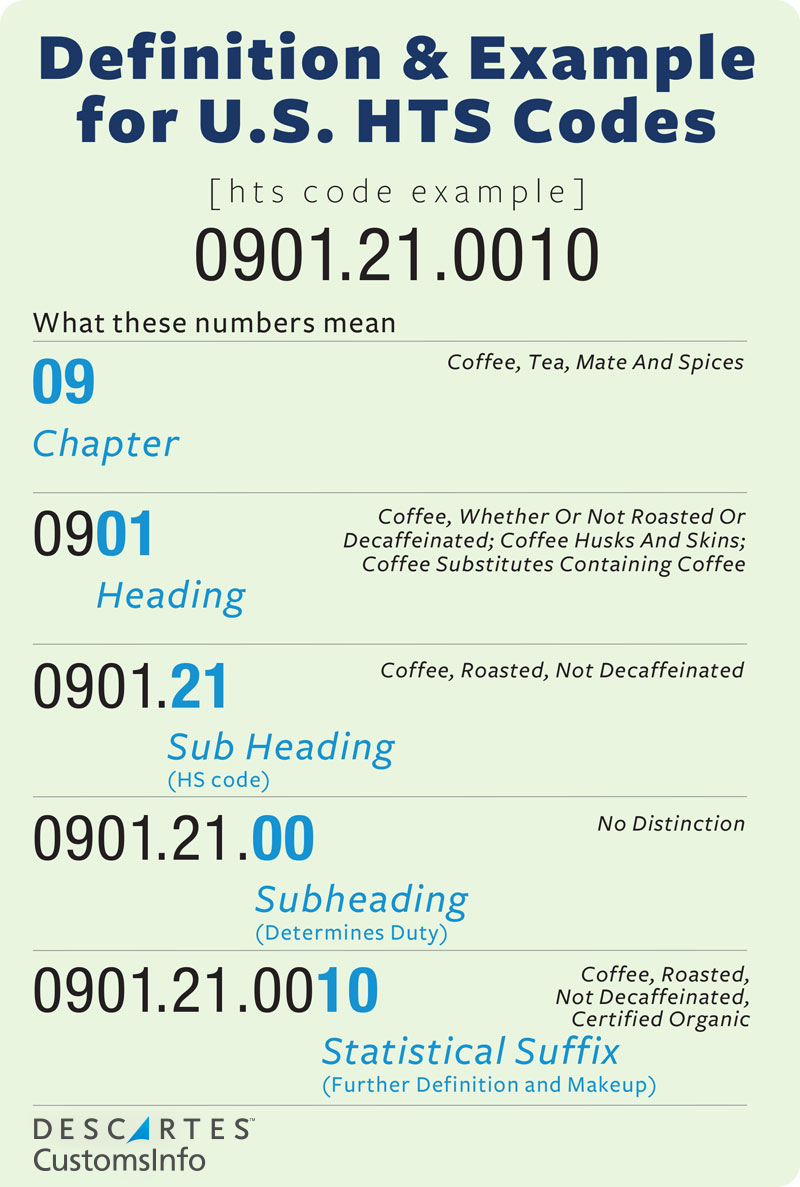
To manage business finance effectively in a global market, one must first deconstruct the anatomy of an HTS code and understand how it interacts with customs authorities. In the United States, the HTS-US (Harmonized Tariff Schedule of the United States) is the official list of all goods that can be imported into the country, maintained by the U.S. International Trade Commission (USITC).
The Structure of the Code
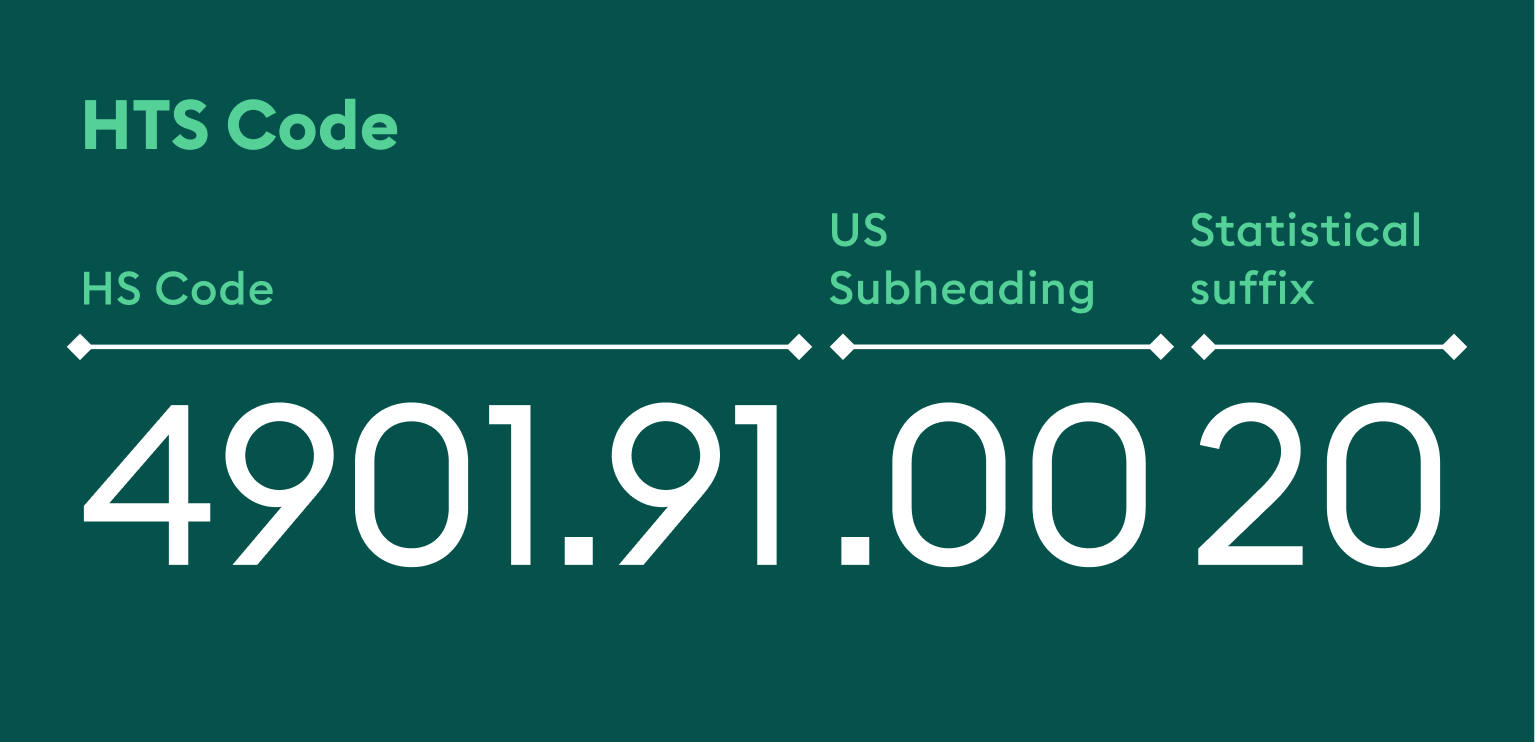
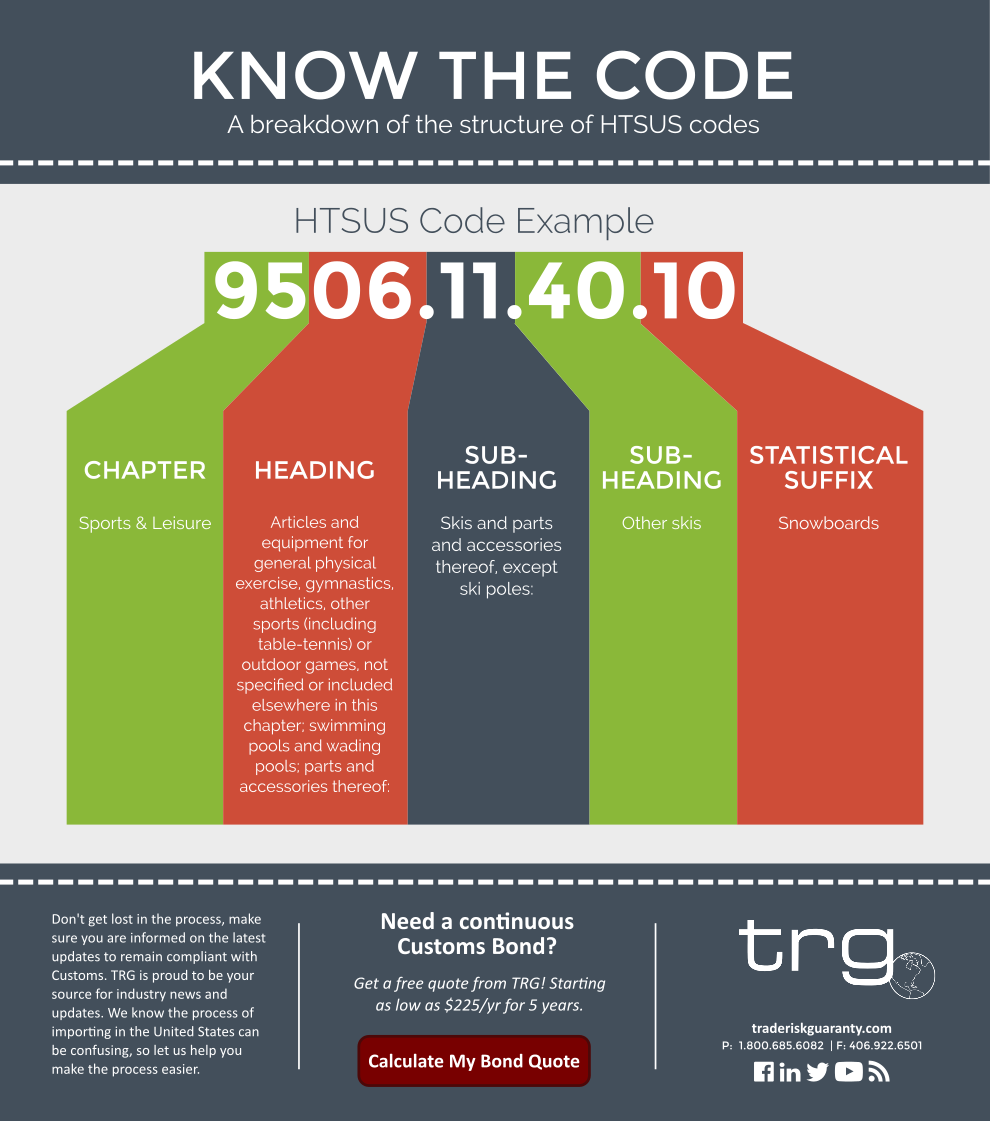
The HTS code is typically a 10-digit number. It is built upon the international Harmonized System (HS) maintained by the World Customs Organization (WCO).
- The First Six Digits: These are the “Harmonized System” digits, which are standardized globally. Whether you are importing into the U.S., the EU, or China, the first six digits for a specific product—such as a lithium-ion battery—will generally remain the same.
- Digits Seven and Eight: These identify the U.S. rate of duty. This is where national financial interests begin to influence the code.
- Digits Nine and Ten: These are statistical suffixes used for data collection and trade monitoring.
Why Accuracy Matters for Your Bottom Line
From a financial perspective, misclassification is a high-stakes error. If a business identifies a product under the wrong HTS code, it may inadvertently underpay or overpay customs duties.
- Underpayment: This leads to “prior disclosures” or, worse, seizures and heavy fines from Customs and Border Protection (CBP). These unexpected financial liabilities can disrupt cash flow and lead to long-term audits.
- Overpayment: Many businesses lose thousands of dollars annually by classifying products under “catch-all” codes that carry higher duty rates than more specific, lower-duty classifications. In the world of business finance, recovering these overpaid duties through a “Duty Drawback” or “Protest” is a valid but time-consuming method of regaining capital.
The Economic Impact of HTS Classification on Business Profitability
The HTS code is more than a label; it is a financial instrument that determines the “taxability” of an asset as it enters a jurisdiction. For companies operating on thin margins, a 2% difference in a tariff rate can be the difference between a profitable quarter and a net loss.
Mitigating Duty Costs through Proper Classification
Strategic financial management involves “Tariff Engineering.” This is the practice of designing or packaging a product in a way that it legitimately falls under a lower-duty HTS classification. For example, if a textile item is classified as a “garment” it may carry a high duty, but if classified as “sports equipment,” the rate might be significantly lower.
While tariff engineering must stay strictly within legal boundaries, it represents a proactive financial strategy to minimize the Cost of Goods Sold (COGS). By involving financial analysts in the product development phase, companies can forecast the tax implications of different materials and designs before manufacturing even begins.
Managing Financial Risks and Audits
CBP and other global customs agencies use HTS codes to flag shipments for inspection. Certain codes—particularly those associated with “Anti-Dumping” or “Countervailing Duties” (AD/CVD)—can carry astronomical tax rates, sometimes exceeding 100% of the product’s value.
From a risk management standpoint, a business must perform regular internal audits of its HTS database. A sudden change in trade policy, such as the implementation of Section 301 tariffs on Chinese goods, can instantly change the financial viability of a product line based solely on its HTS code. Businesses that fail to monitor these changes face “margin compression,” where they cannot raise prices fast enough to cover the increased cost of duties.
Strategic Financial Planning for Global Supply Chains
In the modern financial landscape, the HTS code serves as a foundational data point for budgeting and long-term capital allocation. It is a vital component of any robust business finance framework involving physical assets.
Leveraging Free Trade Agreements (FTAs) to Improve Cash Flow
Many Free Trade Agreements, such as the USMCA (United States-Mexico-Canada Agreement), allow for duty-free entry of goods, but only if they meet specific “Rules of Origin” tied to their HTS codes. A financial controller must verify that the HTS codes used by suppliers match the requirements for FTA eligibility.
By strategically sourcing components from countries that have favorable trade agreements with the target market, a company can significantly reduce its tax burden. This requires a deep dive into the HTS structure to ensure that the “substantial transformation” of the product justifies the tax exemption, thereby preserving cash flow for other operational needs.
The Role of Financial Compliance in Scaling Internationally
As a business scales, its financial complexity grows. Investors and creditors often look at a company’s compliance record as a measure of its operational health. A history of HTS misclassification suggests poor internal controls and potential “contingent liabilities” that could emerge during a due diligence process.
By implementing standardized HTS classification workflows, businesses can provide clear financial reporting on their duty expenses. This transparency is crucial for accurate EBITDA calculations and for securing financing from lenders who are wary of the risks associated with international trade.
Tools and Financial Tech for HTS Management
In the past, determining an HTS code required flipping through thousands of pages of a physical book. Today, the intersection of finance and technology has birthed sophisticated tools designed to automate and optimize this process.
Integrating HTS Data into ERP Systems
Enterprise Resource Planning (ERP) systems, such as SAP or Oracle, now include modules specifically for Global Trade Management (GTM). These systems link HTS codes directly to the company’s financial ledger. When a purchase order is generated, the system can automatically estimate the duties and taxes based on the HTS code, allowing for more accurate “landed cost” forecasting.
For CFOs, this tech integration provides a real-time view of duty exposure across the entire global supply chain. It allows the finance team to see where money is being spent on tariffs and to identify opportunities for cost-saving through better sourcing or classification.
Artificial Intelligence and Classification Accuracy
The rise of AI-driven classification tools is changing the way business finance handles trade data. These tools use machine learning to suggest the most accurate HTS codes based on product descriptions, historical data, and customs rulings. This reduces the risk of human error, which is the leading cause of customs fines.
By investing in these technological tools, businesses treat HTS classification as an automated financial control rather than a manual administrative task. This shifts the focus of the finance team from reactive “firefighting” (dealing with customs delays) to proactive “value creation” (optimizing the tax structure of the supply chain).
Conclusion: HTS Codes as a Pillar of Financial Health
In summary, the HTS code is a fundamental element of international business finance. It dictates the cost of entry into a market, the legality of a shipment, and the ultimate profitability of a product line. For any business engaged in the global movement of goods, the HTS code should be treated with the same level of scrutiny as a tax return or a balance sheet.
By mastering the nuances of HTS classification, businesses can protect themselves from costly legal penalties, optimize their tax liabilities, and gain a competitive edge in an increasingly volatile global market. Whether through strategic tariff engineering, the use of advanced financial technology, or rigorous compliance audits, the proactive management of HTS codes is an investment that pays direct dividends to a company’s bottom line. Understanding “what is an HTS code” is the first step; leveraging it as a financial tool is the path to long-term international success.
aViewFromTheCave is a participant in the Amazon Services LLC Associates Program, an affiliate advertising program designed to provide a means for sites to earn advertising fees by advertising and linking to Amazon.com. Amazon, the Amazon logo, AmazonSupply, and the AmazonSupply logo are trademarks of Amazon.com, Inc. or its affiliates. As an Amazon Associate we earn affiliate commissions from qualifying purchases.