
In the contemporary landscape of digital commerce, the transition from physical to virtual assets has transformed nearly every consumer touchpoint. Perhaps no instrument illustrates this shift more effectively than the e-gift card. Often referred to as a digital gift card or electronic voucher, an e-gift card is a non-physical, data-driven instrument that represents a specific monetary value or a right to services, issued by a retailer or a financial institution.
While the end-user perceives it as a simple alphanumeric code received via email, the underlying technology involves a complex interplay of backend databases, encryption protocols, and integrated Point of Sale (POS) systems. This article explores the technical architecture of e-gift cards, their integration into the modern digital ecosystem, the security frameworks that protect them, and the emerging technologies shaping their future.
The Anatomy of a Digital Asset: How E-Gift Cards Function
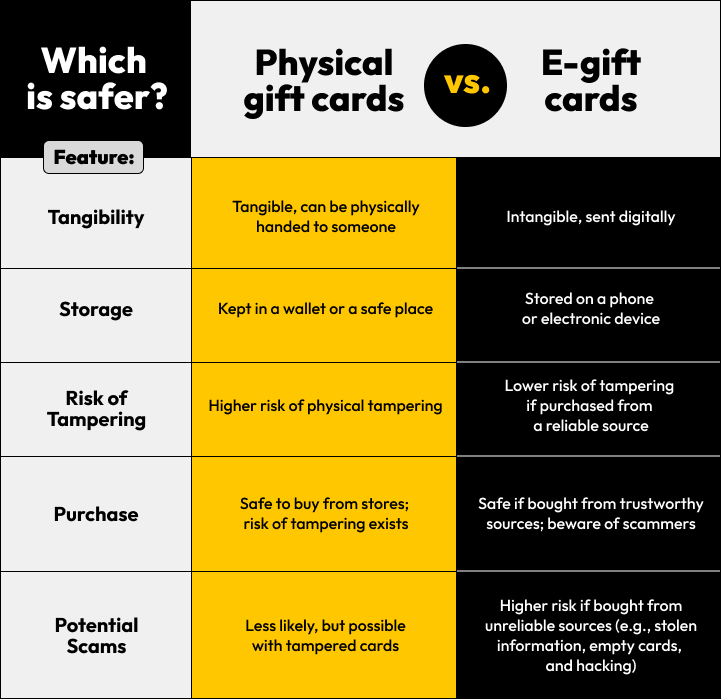
At its core, an e-gift card is a digital record stored within a merchant’s database or a third-party processor’s ledger. Unlike physical cards, which rely on magnetic stripes or embedded chips to store data locally, e-gift cards are entirely cloud-based.
Backend Infrastructure and Data Encryption
When an e-gift card is generated, the system creates a unique identifier—usually a 16-to-25-digit numeric or alphanumeric string. This string is not random; it is generated through secure algorithms that ensure uniqueness and prevent “brute-force” guessing. This identifier is linked to a specific entry in a centralized database that tracks the card’s balance, activation status, and transaction history.
To ensure the integrity of this data, robust encryption protocols such as AES-256 (Advanced Encryption Standard) are employed. When a transaction occurs, the communication between the customer’s device and the merchant’s server is typically protected by Transport Layer Security (TLS), ensuring that the gift card code cannot be intercepted in transit.
Delivery Protocols: SMS, Email, and Push Notifications
The “delivery” of an e-gift card is a feat of automated software triggers. Once a purchase is verified, an API (Application Programming Interface) call is made to a delivery engine. This engine formats the data into a user-friendly interface.
For email delivery, Simple Mail Transfer Protocol (SMTP) is used, often layered with HTML5 to allow for interactive elements like “Reveal Code” buttons. For mobile delivery, Short Message Service (SMS) or Rich Communication Services (RCS) provide a direct link to the digital asset. The technology must ensure high deliverability rates while navigating spam filters and firewalls, a task that requires sophisticated sender reputation management.
Integration with the Modern Tech Ecosystem
The utility of an e-gift card is significantly enhanced by its ability to coexist within a user’s broader digital life. The modern e-gift card is no longer a static code sitting in an inbox; it is a dynamic participant in the mobile ecosystem.
Digital Wallets and NFC Technology
One of the most significant technological leaps for e-gift cards is their integration with digital wallets like Apple Wallet and Google Pay. This integration utilizes specialized file formats—such as the .pkpass file for iOS. These files contain metadata that allows the phone to display the card with brand-specific aesthetics, real-time balance updates, and location-based notifications.
When a user approaches a physical store, geofencing technology can trigger a push notification, bringing the e-gift card to the lock screen for easy access. Furthermore, through Near Field Communication (NFC) or high-resolution 2D barcodes (QR codes), the digital wallet allows for a “contactless” redemption process, bridging the gap between digital storage and physical commerce.
API Economy: Connecting Retailers and Third-Party Platforms
The growth of the e-gift card market is largely driven by the “API Economy.” Retailers like Amazon, Starbucks, or Target expose their gift card infrastructure via APIs, allowing third-party platforms—such as employee incentive programs or loyalty apps—to issue cards programmatically.
These APIs handle the real-time creation, funding, and tracking of cards. For instance, when a company rewards an employee, their HR software sends an API request to a gift card processor, which generates the code and delivers it instantly. This seamless connectivity is what allows e-gift cards to function as a universal “digital currency” across different platforms.
Security Protocols and Fraud Prevention in Digital Gifting
As e-gift cards are essentially liquid assets, they are prime targets for cybercriminals. The technology behind these cards must, therefore, be as much about defense as it is about utility.
Mitigating the Risk of Account Takeover (ATO)
One of the most common threats is Account Takeover (ATO), where hackers gain access to a user’s retail account to drain stored e-gift card balances. To combat this, tech platforms implement Multi-Factor Authentication (MFA) and behavioral analytics. If a login attempt occurs from an unrecognized IP address or a different geographical location, the system may flag the transaction or require additional verification before allowing the e-gift card to be spent.
Dynamic Codes vs. Static Barcodes
Standard e-gift cards often use static codes, which, if screenshotted or intercepted, can be used by anyone. The next generation of e-gift card technology utilizes dynamic code generation. Similar to the Time-based One-Time Password (TOTP) used in security apps, the barcode on the user’s screen refreshes every 30 to 60 seconds. This ensures that even if a code is captured by a third party, it becomes useless almost instantly, significantly reducing the window for fraudulent use.
The Future of E-Gifting: Blockchain and Personalization
The trajectory of e-gift card technology is moving toward decentralization and hyper-intelligence. As we look forward, two technologies stand out: Blockchain and Artificial Intelligence.
Tokenization and Decentralized Ledgers
Blockchain technology offers a potential solution to the “double-spend” problem and the lack of interoperability between different gift card brands. By tokenizing e-gift cards on a blockchain (often as Non-Fungible Tokens or NFTs), the cards become immutable assets.
In a decentralized system, a gift card is not just an entry in a company’s private database but a token on a ledger. This would allow for secure, transparent secondary markets where users could trade or sell e-gift cards without the risk of scams, as the blockchain verifies the card’s validity and balance in real-time.
AI-Driven Personalization and Hyper-Targeting
Artificial Intelligence is changing how e-gift cards are marketed and used. Machine learning algorithms analyze consumer data to suggest the perfect e-gift card at the perfect time. For example, if an AI detects a user’s frequent purchases of high-end tech gadgets, it can prompt a “suggested gift” algorithm for their contacts.
Furthermore, AI can be used to personalize the “unboxing” experience of a digital card. Using Augmented Reality (AR), a recipient can point their phone at a flat surface to see a 3D rendered gift box open, revealing their digital code in an immersive environment. This turns a technical transaction into an emotional experience.
Technical Implementation: A Guide for Platforms
For developers and enterprises looking to implement an e-gift card system, scalability and latency are the primary technical concerns.
Scalability in High-Traffic Windows
E-gift card systems experience massive spikes in traffic during “peak load” events, such as Black Friday or the final days of the December holiday season. A robust system must utilize cloud-native architecture, such as microservices hosted on AWS, Azure, or Google Cloud, to auto-scale based on demand.
Database sharding—the process of breaking up a large database into smaller, faster, more manageable pieces—is often necessary to ensure that “check balance” requests don’t bottle-neck the “purchase” requests. If the latency of a gift card verification at the POS exceeds two seconds, it results in a poor user experience and potential lost sales.
Conclusion: The Infrastructure of Modern Generosity
The e-gift card is far more than a digital convenience; it is a sophisticated financial technology that relies on secure backend systems, seamless API integrations, and proactive security measures. As we move further into a cashless society, the technical frameworks supporting these digital assets will continue to evolve, incorporating blockchain for security and AI for engagement.
By understanding the “what” and the “how” of e-gift card technology, businesses can better leverage these tools to drive digital transformation, while consumers can enjoy a safer, more integrated gifting experience. The “e” in e-gift card no longer just stands for electronic—it stands for an evolved, encrypted, and efficient ecosystem of value.
aViewFromTheCave is a participant in the Amazon Services LLC Associates Program, an affiliate advertising program designed to provide a means for sites to earn advertising fees by advertising and linking to Amazon.com. Amazon, the Amazon logo, AmazonSupply, and the AmazonSupply logo are trademarks of Amazon.com, Inc. or its affiliates. As an Amazon Associate we earn affiliate commissions from qualifying purchases.