
In the landscape of modern architectural technology and smart home ecosystems, few devices have undergone as significant a transformation as the dimmer switch. Once a simple mechanical tool used to lower the intensity of a light bulb, the contemporary dimmer switch is now a sophisticated piece of power electronics. It sits at the intersection of electrical engineering and digital convenience, serving as a fundamental component in energy management and atmospheric control.
To understand what a dimmer switch is in the current technological era, one must look beyond the physical knob or slider. It is a device that regulates the voltage or current flowing to a lighting fixture, thereby altering the luminous flux (brightness) of the source. Whether integrated into a complex IoT (Internet of Things) network or operating as a standalone solid-state device, the dimmer switch represents a critical advancement in how we interface with our environment.
The Mechanics Behind the Glow: How Dimmer Switches Work
The technology behind dimming has evolved drastically from the early 20th century. To appreciate the modern tech, we must understand the shift from energy-wasting resistance to high-speed switching.
From Rheostats to Triacs
In the early days of theater and residential lighting, dimming was achieved through rheostats. These were essentially large variable resistors. To dim a light, the rheostat would convert excess electrical energy into heat. This was incredibly inefficient and posed a significant fire hazard.
Modern “Tech-era” dimmers utilize a semiconductor device known as a TRIAC (Triode for Alternating Current). Instead of resisting the flow of electricity, a TRIAC acts as a high-speed switch. It turns the light circuit on and off 120 times per second (in a 60Hz system). By delaying the point at which the switch turns “on” during each AC cycle, the device reduces the total amount of energy reaching the bulb. Because the switching happens faster than the human eye can perceive, the light appears dimmer rather than flickering.
Pulse Width Modulation (PWM) in the Digital Age
While TRIACs are standard for AC circuits, the rise of Direct Current (DC) technology—specifically in LED strips and computer backlighting—has popularized Pulse Width Modulation (PWM). PWM works by varying the “duty cycle” of the signal. If the power is on for 10% of the time and off for 90%, the LED appears at 10% brightness. This digital approach is preferred in high-end tech applications because it maintains a consistent color temperature, which is often a challenge when dimming LEDs via traditional voltage reduction.
Types of Dimmer Switches in the Tech Ecosystem
The market is currently divided between “dumb” legacy hardware and “smart” integrated controllers. Choosing the right tech depends on the existing wiring infrastructure and the desired level of automation.
Traditional Rotary and Slide Dimmers
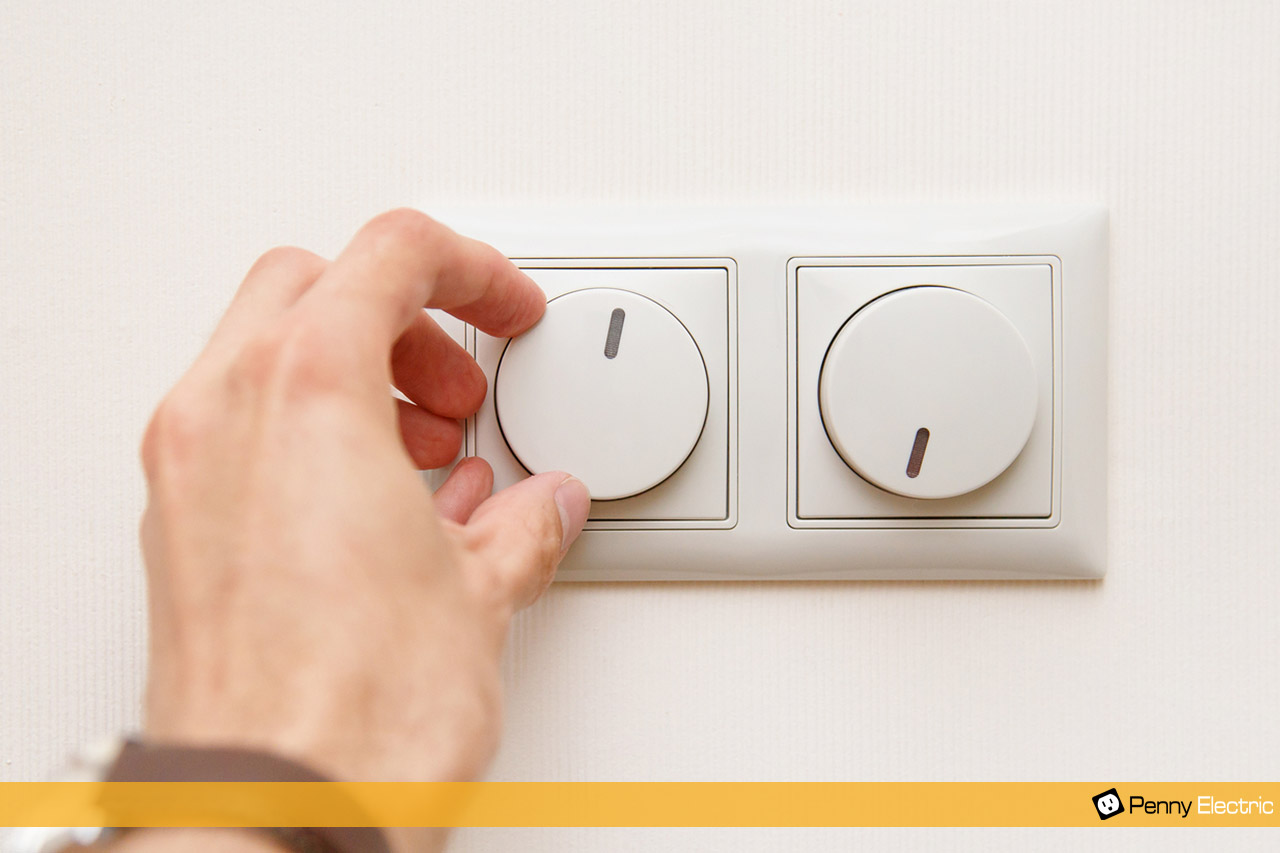
These are the foundational gadgets of the lighting world. Rotary dimmers use a dial to control the internal potentiometer, while slide dimmers offer a visual representation of the power level. While these are largely analog in their user interface, the internal components remain solid-state, ensuring safety and a degree of energy efficiency that far exceeds the old rheostat models.
Smart Dimmers and IoT Integration
The most significant trend in lighting technology is the Smart Dimmer. These devices replace a standard wall switch but connect to a local network via Wi-Fi, Zigbee, or Z-Wave protocols.
- Remote Logic: Smart dimmers contain a micro-controller and a radio frequency (RF) module, allowing users to adjust brightness via smartphone apps or voice assistants like Amazon Alexa and Google Assistant.
- Automation: They allow for “scenes”—pre-programmed brightness levels that trigger based on the time of day, motion sensor data, or even the sun’s position (circadian rhythm lighting).
Multi-Location and Digital Master Dimmers
In complex tech setups, such as commercial offices or large smart homes, “Master/Remote” configurations are used. Unlike traditional 3-way switches that require complex physical wiring, digital master dimmers communicate over a travel wire or wirelessly. This allows a user to dim a single light source from multiple locations with perfect synchronization of the dimming level, a feat that was mechanically difficult in the pre-digital era.
Compatibility and the LED Revolution
As lighting technology shifted from incandescent filaments to Light Emitting Diodes (LEDs), the dimmer switch had to be re-engineered. This transition created a technical divide known as “phase cutting.”
Why Some Bulbs Flicker: Forward vs. Reverse Phase
LEDs are semi-conductors and are far more sensitive to power fluctuations than incandescent bulbs.
- Forward Phase (Leading Edge): Traditionally used for incandescent and magnetic low-voltage (MLV) loads. It cuts the front of the AC wave. This often causes LEDs to flicker or “buzz.”
- Reverse Phase (Trailing Edge): Also known as ELV (Electronic Low Voltage) dimming. This cuts the end of the AC wave. It is a more sophisticated and expensive technology, but it is the gold standard for high-end LED fixtures, providing smooth, silent dimming.
The Importance of Low-End Trim Adjustments
Modern digital dimmers often feature a “trim” setting. Because different LED drivers have different “drop-out” points (the point where the voltage is too low to keep the LED lit), a digital dimmer allows the technician to set a minimum power floor. This ensures that when a user slides the dimmer to its lowest point, the light stays on at a stable, low glow rather than flickering or turning off entirely.
The Role of Dimmer Switches in Smart Home Automation
In the context of the “Smart Home,” the dimmer switch is no longer a localized tool; it is a node in a larger data network.
Connectivity Protocols: Matter, Zigbee, and Z-Wave
The tech industry is currently moving toward Matter, a unifying standard that allows dimmer switches from different manufacturers to communicate seamlessly.
- Zigbee/Z-Wave: These are “mesh” networks. A dimmer switch acts as a repeater, passing the signal to the next device, which extends the range of the smart home without taxing the central Wi-Fi router.
- Wi-Fi Dimmers: These are popular for entry-level tech enthusiasts as they don’t require a hub, though they can congest a home network if dozens are installed.
Energy Efficiency and Hardware Longevity
Beyond aesthetics, the tech inside a dimmer switch serves a financial and environmental purpose. By reducing the “on-time” of a bulb, dimmers significantly extend the lifespan of the hardware. For LEDs, heat is the primary enemy; by dimming the light to 50%, the thermal stress on the LED driver is reduced, potentially adding years to the fixture’s life. Furthermore, modern dimmers use “soft-start” technology, which ramps up power gradually rather than hitting the bulb with a full 120V surge, preventing “inrush current” damage.
Installation and Troubleshooting for the Modern User
Integrating a modern dimmer switch into a digital home requires an understanding of electrical topology. The most common hurdle in the “Tech” category of home upgrades is the wiring requirement.
Neutral Wire Requirements
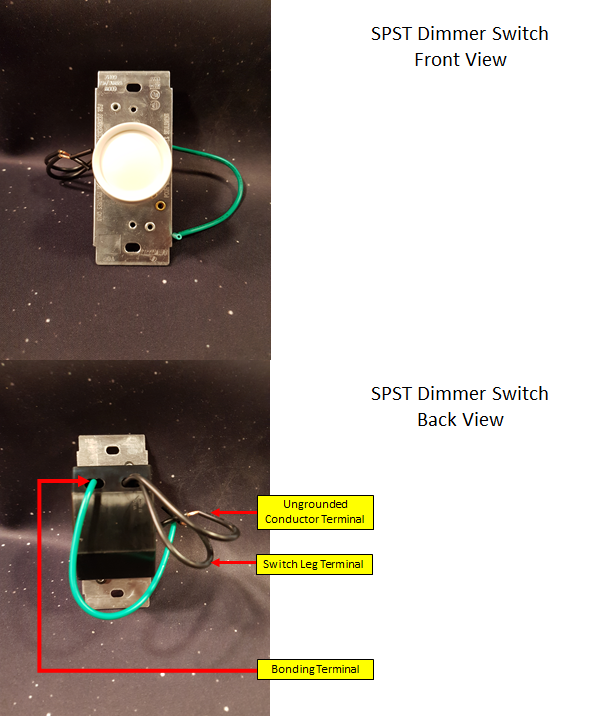
Most smart dimmers require a Neutral Wire (White) to function. While a standard switch only needs to “break” the circuit, a smart dimmer is a computer that needs constant power to stay connected to the Wi-Fi or Zigbee network even when the lights are off. Older homes often lack this neutral wire at the switch box, leading to the development of “No-Neutral” smart dimmers. These specialized gadgets “leak” a tiny amount of current through the bulb to stay powered—a clever engineering workaround for older infrastructure.
Common Technical Glitches and Firmware Fixes
Unlike an old-fashioned switch, a modern dimmer can experience software bugs. Ghost switching (lights turning on by themselves) or connectivity drops are common issues. High-end dimmers now support OTA (Over-The-Air) updates, allowing manufacturers to push firmware patches that improve dimming curves or fix security vulnerabilities in the device’s wireless protocol.
Conclusion: The Future of Dimming Tech
The humble dimmer switch has evolved from a simple resistor into a sophisticated power-management node. As we look toward the future, we can expect even deeper integration with AI. Future dimmers will likely use “Occupancy Sensing” and “Daylight Harvesting” to automatically adjust light levels based on the amount of natural sunlight entering a room, optimizing for both human comfort and energy conservation.
In the world of tech, the dimmer switch is a perfect example of how “invisible” technology makes our lives more efficient. It is a device that balances the raw power of the electrical grid with the delicate requirements of modern semiconductor lighting, providing us with total control over our illuminated environment. Whether you are a smart home enthusiast or a professional integrator, understanding the nuances of dimming technology is essential for mastering the modern digital home.
aViewFromTheCave is a participant in the Amazon Services LLC Associates Program, an affiliate advertising program designed to provide a means for sites to earn advertising fees by advertising and linking to Amazon.com. Amazon, the Amazon logo, AmazonSupply, and the AmazonSupply logo are trademarks of Amazon.com, Inc. or its affiliates. As an Amazon Associate we earn affiliate commissions from qualifying purchases.