
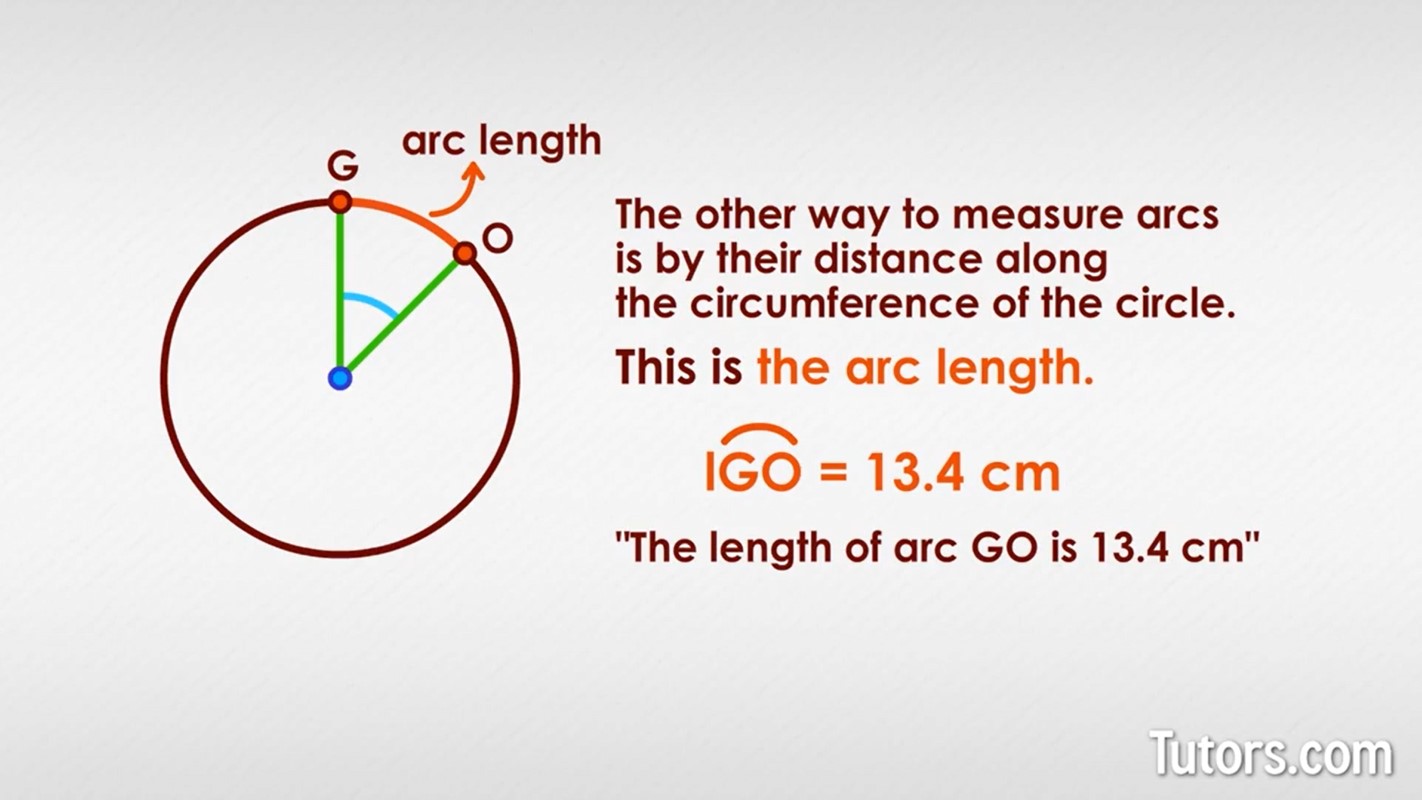
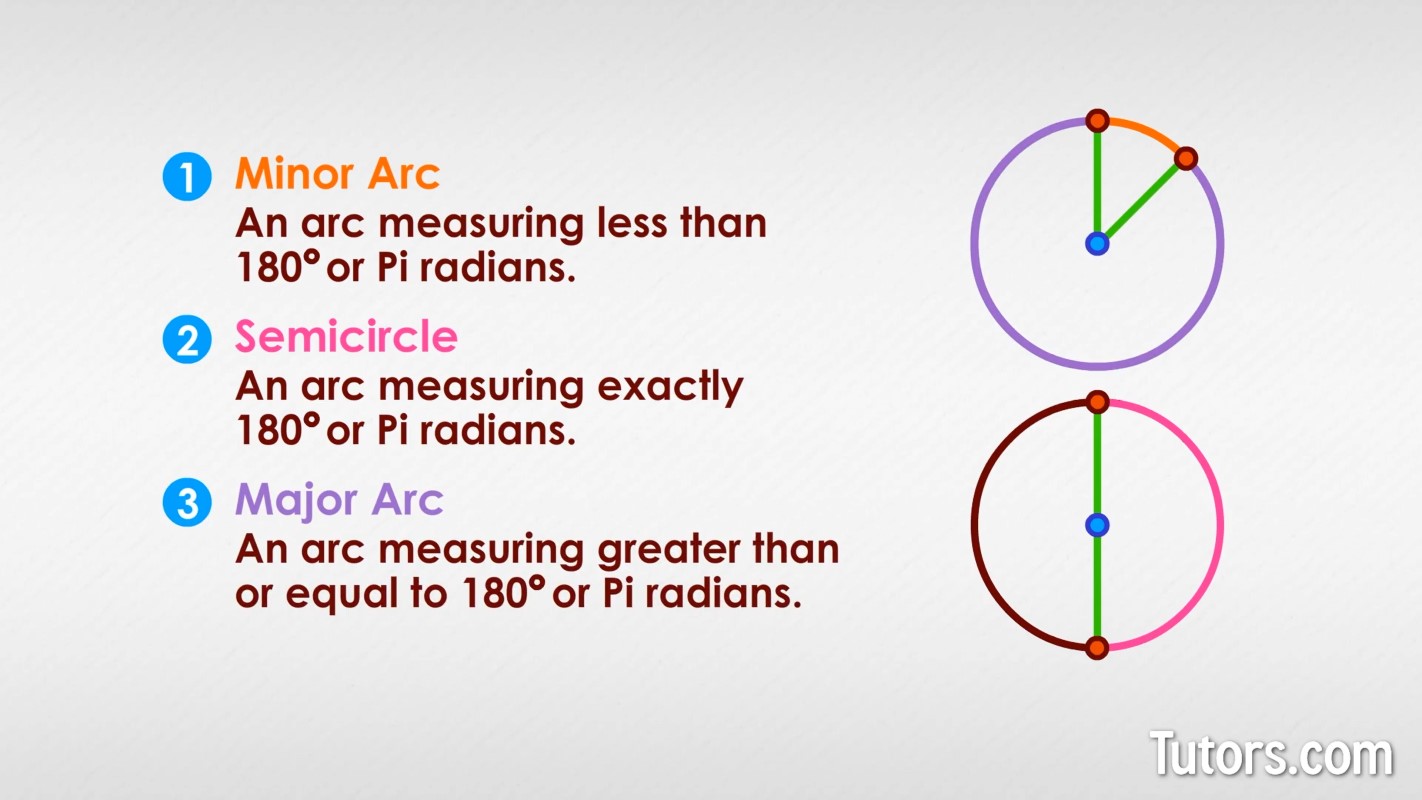
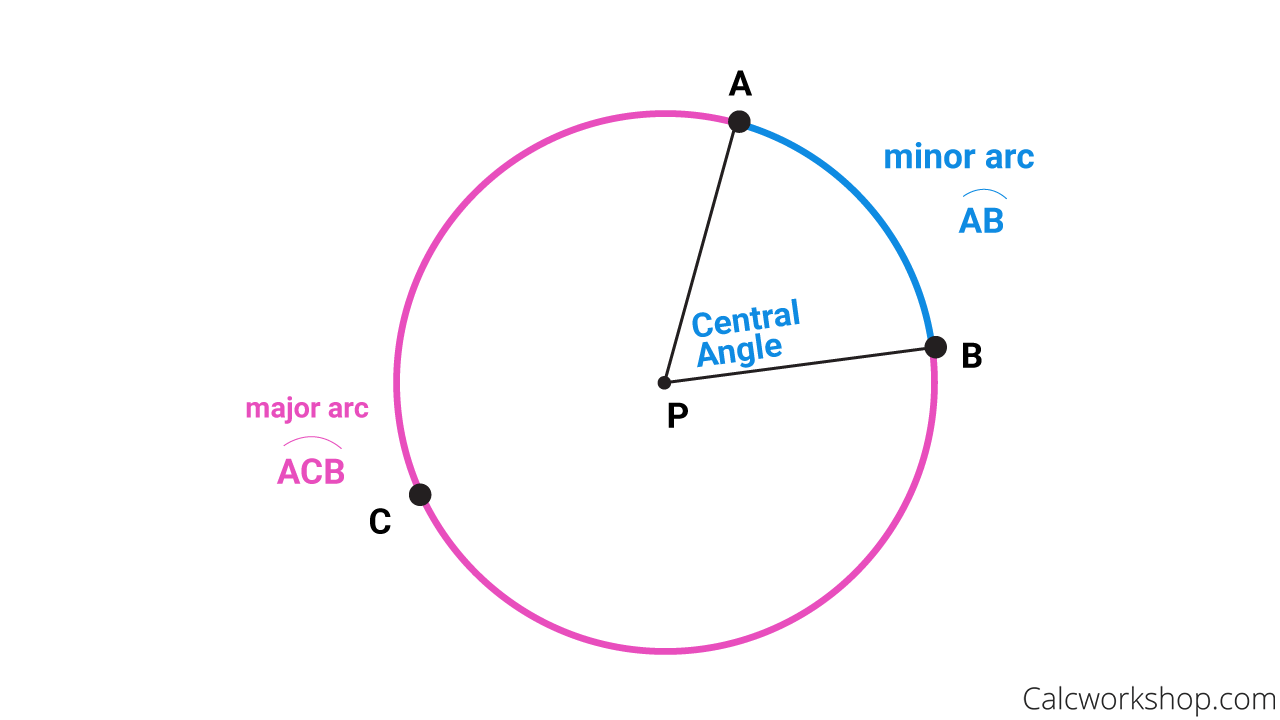
In the world of Euclidean geometry, an arc is defined as a portion of the circumference of a circle or any curve. It represents a segment of a path—a smooth, continuous transition from one point to another that breaks away from the rigid constraints of a straight line. In the contemporary technology landscape, the concept of the “Arc” has transitioned from a mathematical abstraction into a foundational philosophy for software development, user interface (UI) design, and artificial intelligence integration.
As we move deeper into the era of specialized software and AI-driven workflows, the “Arc” represents more than just a geometric shape; it symbolizes the shift from linear, fragmented digital experiences to fluid, centralized ecosystems. This article explores how the concept of the arc is redefining technology trends, from the revolutionary architecture of the Arc Browser to the broader implications of AI-centric productivity and digital security.
The Paradigm Shift: Why Modern Software is Embracing the “Arc” Philosophy
For decades, our interaction with the digital world was strictly linear. We opened a browser, navigated to a URL, and closed the tab. This “linear” approach to the internet mirrored the traditional file-folder system of early operating systems. However, as the volume of information and the complexity of digital tasks grew, the linear model began to fail.
From Tabs to Spaces: The Architecture of Non-Linear Browsing
The most prominent example of the “Arc” in modern tech is the rise of software designed to treat the internet not as a series of pages, but as a continuous workspace. Traditional browsers like Google Chrome or Safari are built on the concept of horizontal tabs—a system that becomes cluttered and unmanageable the moment a user moves beyond five or six open pages.
Modern software, pioneered by companies like The Browser Company (the creators of the Arc Browser), utilizes a vertical, curved architecture. By moving navigation to a sidebar and grouping tasks into “Spaces” and “Profiles,” the software creates a geometric arc around the user’s workflow. This allows for a more natural transition between distinct areas of life—such as work, personal research, and entertainment—without the cognitive load of a cluttered tab bar.
The UI/UX Revolution: Using Curves to Humanize Technology
In design theory, sharp corners and straight lines are often perceived as sterile and artificial. The “Arc” in UI design—seen in the rounded corners of mobile apps (iOS and Android) and the fluid transitions of modern web frameworks—serves a functional purpose. Research into neuro-aesthetics suggests that human brains are hardwired to prefer curved contours over sharp angles.
By implementing “arcs” in software interfaces, developers create a sense of safety and continuity. This is particularly evident in gesture-based navigation on smartphones. When you swipe to close an app, the movement follows a natural arc, mimicking physical momentum. This technical choice bridges the gap between digital code and human biology, making high-tech tools feel more intuitive and less like “software.”
The Technical Infrastructure of the Arc: AI Integration and Browsing Intelligence
Beyond the visual and structural components, the “Arc” in technology refers to the bridge being built between raw data and actionable intelligence. This is where Artificial Intelligence (AI) serves as the connective tissue, creating a seamless curve from a user’s query to a personalized result.
AI-Native Browsing and the Death of the Search Engine Result Page (SERP)
Traditional browsing requires a “stop-and-start” motion: you search, you click a link, you read, you go back. This is a jagged, inefficient path. AI-integrated software is smoothing this out into a continuous arc. Features like “Arc Max” or “Search for Me” use Large Language Models (LLMs) to scan multiple websites simultaneously and present a synthesized answer.
This technical shift means the software is no longer just a window to the internet; it is an active participant in the information retrieval process. By leveraging AI to summarize pages before you even click on them, the technology creates a “predictive arc,” anticipating what the user needs and shortening the distance between the question and the answer.
The Role of Machine Learning in Workflow Automation
The technical “Arc” also extends to how apps communicate with one another. Historically, software existed in silos. Today, through sophisticated APIs and machine learning, we are seeing the rise of “cross-app fluidly.” For example, an AI tool might recognize a date in an email and automatically create a calendar event, while simultaneously surfacing relevant documents from a cloud drive. This circular flow of information creates a 360-degree ecosystem where the user is at the center, surrounded by an arc of automated assistance.
Digital Security in the Curve: Protecting the Modern Workspace
As our digital tools become more integrated and our browsing habits more fluid, the surface area for potential cyber threats increases. In a linear system, security is about building walls. In an “Arc” system, security must be about building intelligent, adaptable perimeters that follow the user wherever they go.
Sandboxing and the Geometry of Isolation
Technically speaking, modern browsers and software suites utilize “sandboxing” to ensure that if one part of the arc is compromised, the rest of the circle remains intact. Each tab or process is treated as an isolated segment. In an AI-integrated environment, this becomes even more critical. Because AI tools often require access to user data to be effective, the “privacy arc” must ensure that data is processed locally (on-device) whenever possible, or through encrypted channels that do not allow for data leakage between different “Spaces.”
The Move Toward Zero-Trust Architecture
The philosophy of the “Arc” also influences how companies approach digital security through Zero-Trust models. Instead of assuming everything inside a network is safe, Zero-Trust treats every interaction as a point on a curve that must be verified. This involves:
- Continuous Authentication: Not just a one-time login, but an ongoing verification of the user’s identity based on behavior, location, and device health.
- Encrypted Tunnels: Creating a secure “arc” between the user and the server, ensuring that data in transit is invisible to malicious actors.
- AI-Driven Threat Detection: Using machine learning to identify deviations from a user’s normal “behavioral arc,” allowing for the preemptive blocking of suspicious activity.
The Future of the Digital Arc: From Browsers to Operating Systems
As we look toward the next decade of technology, the distinction between a “browser,” an “app,” and an “operating system” is beginning to blur. We are entering an era of the “Internet OS,” where the geometry of our digital experience will be defined by how well different tools curve into one another.
The Rise of the “Super-App” Ecosystem
In many Eastern markets, the “Arc” has already been realized through “Super-Apps” like WeChat. These platforms encompass social media, finance, transportation, and healthcare within a single curved ecosystem. Western tech is currently attempting to replicate this through different means—not through a single app, but through a unified “software arc” that connects disparate services into a cohesive user experience.
Spatial Computing and the Physical Arc
With the advent of devices like the Apple Vision Pro and other Augmented Reality (AR) tools, the “Arc” is moving from the screen into physical space. In spatial computing, the UI is literally an arc—a curved series of windows that surround the user in a 180-degree or 360-degree field of view.
This represents the ultimate evolution of the geometric arc in technology. No longer confined to the flat planes of monitors or smartphones, the digital interface becomes a three-dimensional environment. The technical challenge here lies in “spatial mapping” and “hand-tracking,” where the software must calculate the arc of a human gesture with millisecond precision to ensure a seamless interaction between the real and virtual worlds.
Conclusion: Embracing the Curve
In geometry, an arc is a piece of a larger whole. In technology, it is a reminder that our digital tools are most effective when they are not rigid, but adaptive; not fragmented, but continuous. From the way we browse the web to the way we secure our data, the shift toward “Arc-based” software design is making our relationship with technology more natural, more productive, and more human.
As AI continues to evolve and spatial computing becomes the norm, the straight lines of the early internet will continue to fade. In their place, we will find a digital world built on curves—a world where the arc of our intent perfectly matches the arc of the technology we use to achieve it. Whether through a new browser, a sophisticated AI assistant, or a secure cloud ecosystem, the “Arc” is the shape of things to come.
aViewFromTheCave is a participant in the Amazon Services LLC Associates Program, an affiliate advertising program designed to provide a means for sites to earn advertising fees by advertising and linking to Amazon.com. Amazon, the Amazon logo, AmazonSupply, and the AmazonSupply logo are trademarks of Amazon.com, Inc. or its affiliates. As an Amazon Associate we earn affiliate commissions from qualifying purchases.